A studio full of session players is the usual picture of how a record gets made. Every so often, though, an album comes from one person moving between the drum kit, the keyboard and the guitar amp, and overdubbing each part alone.
Some of these records came from budget limits, some from stubbornness, and some from plain curiosity. The nine below are a good place to see how it works, and where the claim needs a small footnote.
Prince, For You (1978)
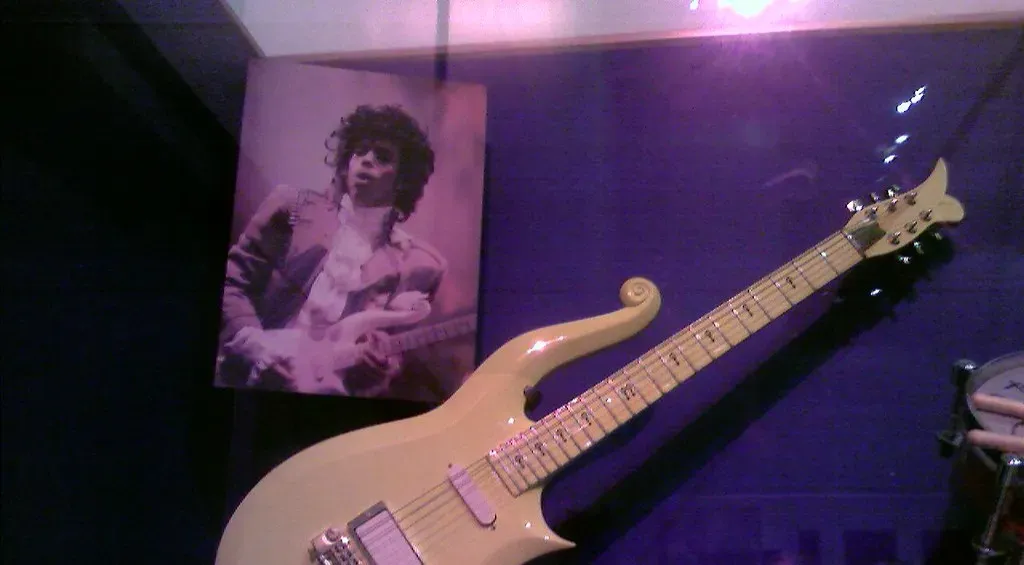
Prince’s debut came out when he was 19, and it set the template for this list. The liner notes credit him with playing 27 different instruments. He handled the keyboards, guitars, bass and drums himself.
Commercially it was a modest start. The real payoff came with the follow up, which turned a one man studio approach into a career.
Paul McCartney, McCartney (1970)
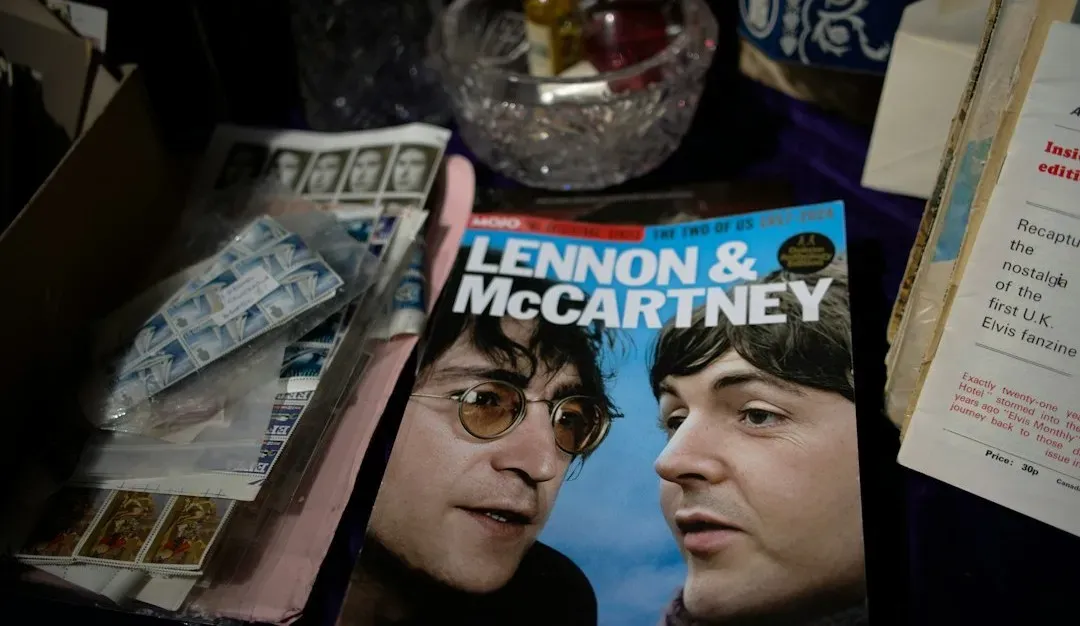
McCartney made his solo debut just as the Beatles were coming apart. He released it in 1970 and played every instrument himself. The home made feel was part of the point.
The list of instruments is fairly plain. It includes bass, drums, acoustic and lead guitar, piano, Mellotron, organ and a toy xylophone. The rough edges are still a big part of its charm.
Stevie Wonder, Music of My Mind (1972)
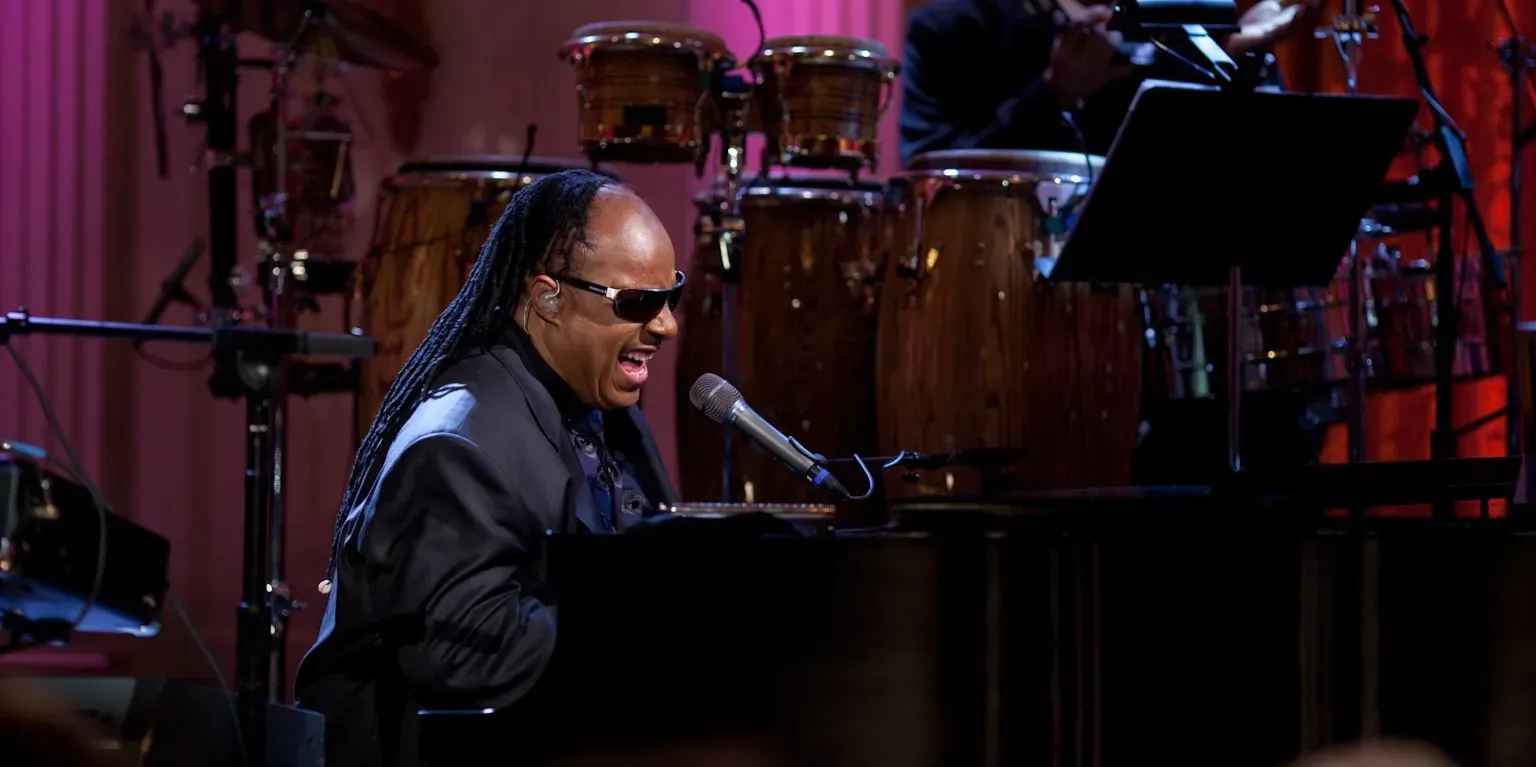
This one comes with a small asterisk. Wonder plays everything except two single song appearances, Art Baron on trombone and Buzz Feiten on guitar. That’s still about as close to a solo record as a major label release gets.
The album marked a creative turn for Wonder, who leaned heavily on synthesizers and took control of the arrangements. It’s a good reminder that “every instrument” often means “nearly every instrument.”
Mike Oldfield, Tubular Bells (1973)
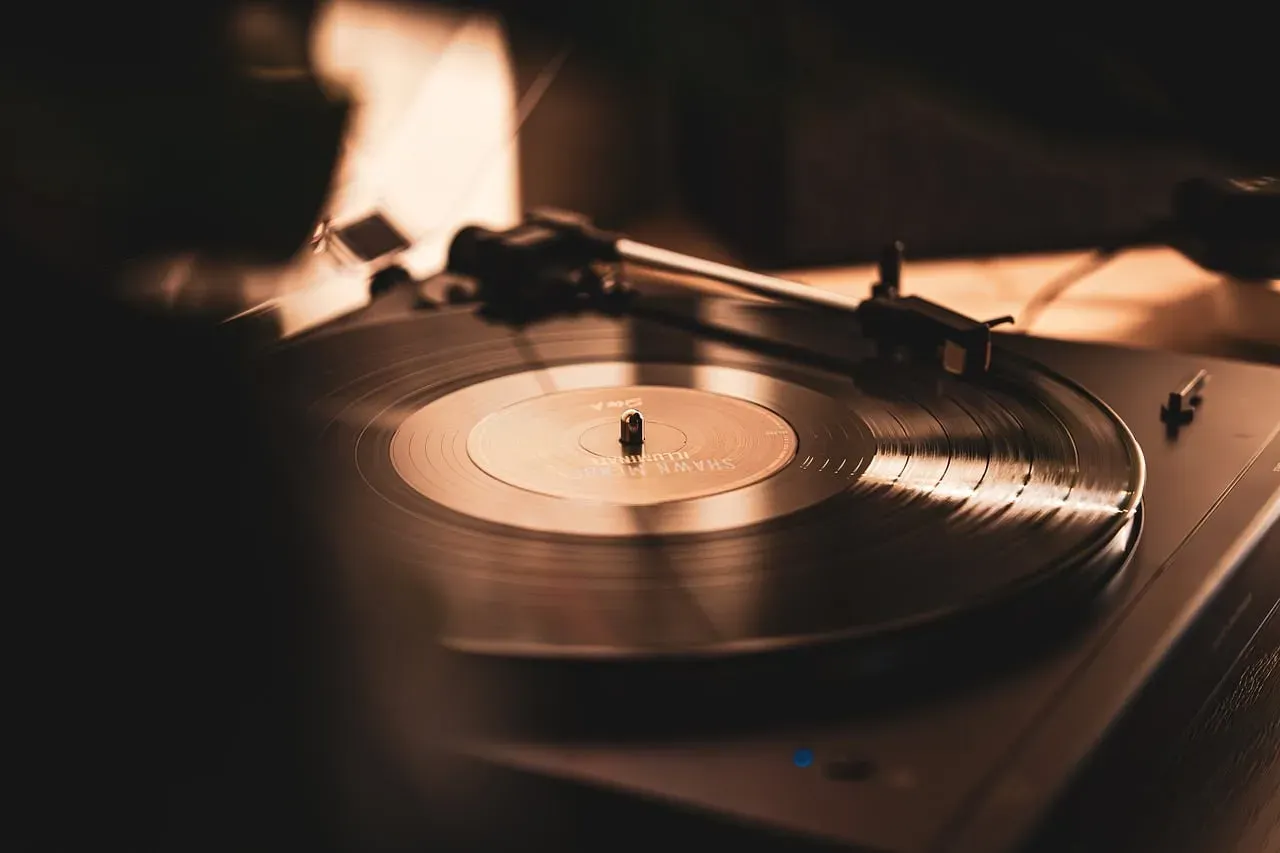
Oldfield was a teenager when he layered this long instrumental piece, one track at a time. His credited instruments include acoustic, electric and bass guitars, several organs, mandolin, piano, glockenspiel, timpani and tubular bells. It became the record that launched Virgin Records.
Like Wonder’s album, it isn’t strictly a one person job, since a guest voice announces the instruments near the end. Even so, Oldfield played the overwhelming majority of what you hear.
Steve Winwood, Arc of a Diver (1980)
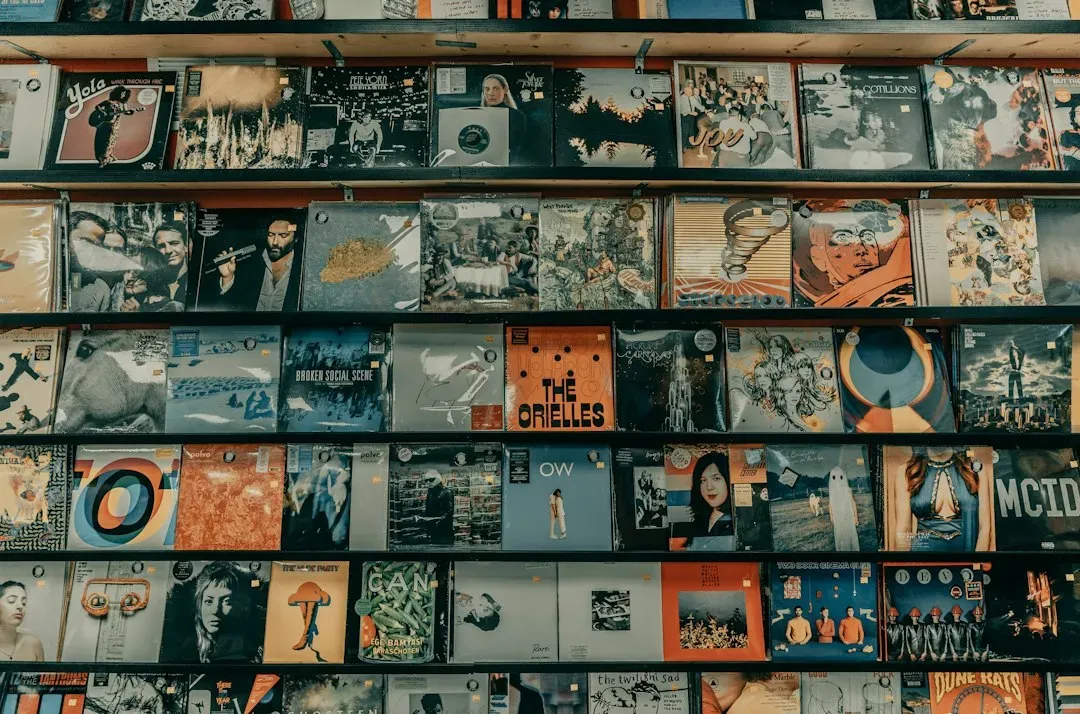
Winwood, already known from Traffic and Blind Faith, recorded this one at home and played all the instruments. The synthesizers and drum machines give it a polished early eighties sheen.
Partner offer
The lead single, “While You See a Chance,” became a hit in the United States. That success helped make the album one of his best known solo statements.
John Fogerty, Centerfield (1985)
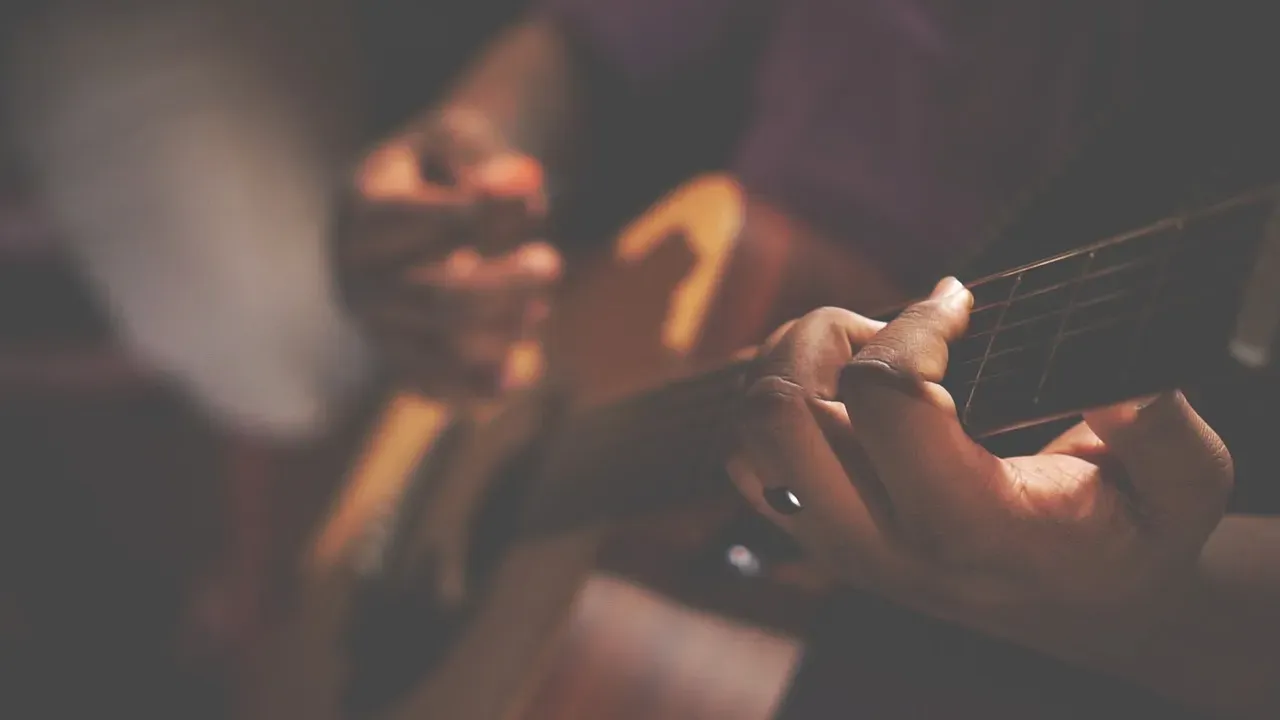
Fogerty returned after a long absence with an album he largely made alone. He plays guitar, bass, drums and piano on it. Few comebacks have been this hands on.
The record included “The Old Man Down the Road,” and it reached the top of the American album chart. It also suggests that a one person approach can still sound like a full band.
Prince, Prince (1979)
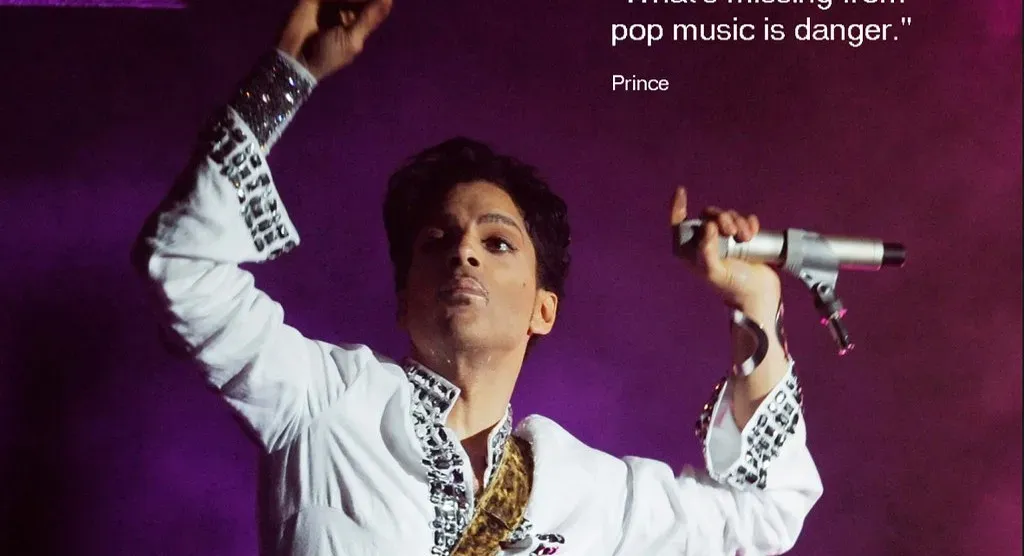
Prince repeated the method on his second album, and this time it paid off. Hits like “I Wanna Be Your Love” pushed it into the American top 40. He played every part again.
The album also reached a milestone of its own. It reportedly went platinum, making it the first album to do so with one musician playing every instrument. The credits list fewer instruments than For You, though that may reflect how percussion was grouped.
Foo Fighters, Foo Fighters (1995)
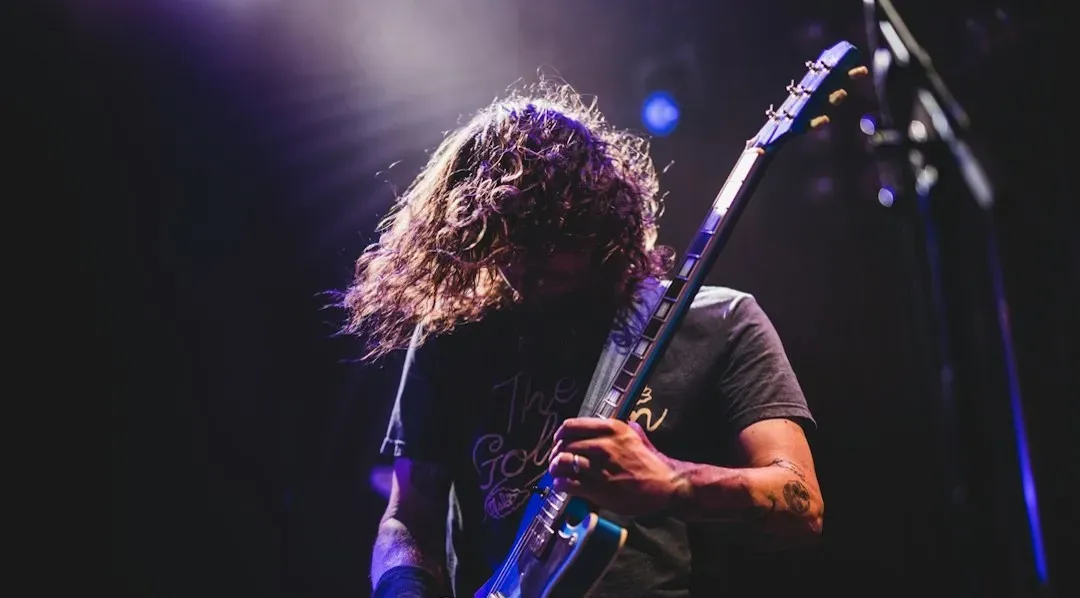
After Nirvana ended, Dave Grohl booked studio time and recorded the demos that became this debut. He played nearly everything, drums included, and the band name was meant to disguise a solo project.
One detail often gets left out. Guitarist Greg Dulli of the Afghan Whigs added a part on one track, so purists call it almost entirely Grohl. He then built a touring band, and the project became a long running group.
Tame Impala, Currents (2015)
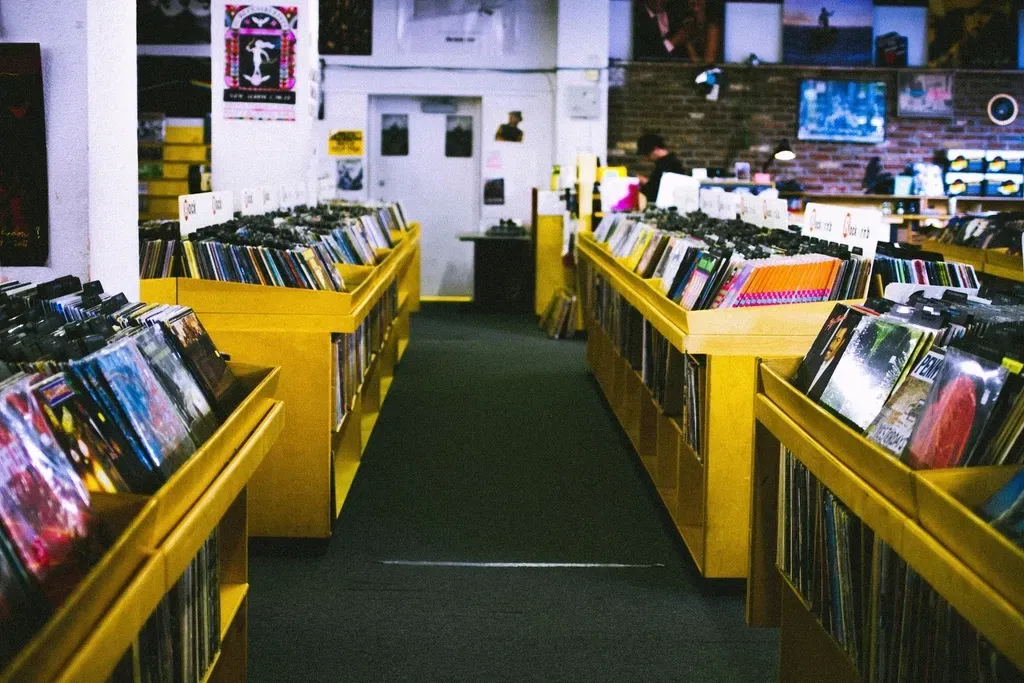
Kevin Parker is the creative engine behind Tame Impala, and he has long worked alone in the studio. Currents is commonly described as an album he recorded himself, with Parker handling the instruments and production. Online discussions of the topic regularly name it as a leading example. One forum poster recalls it as being all him.
Its synth heavy, rhythm driven sound shows how much a modern home studio can do. Parker takes the one person method into the 2010s, with software and drum programming doing work that once needed a room of players.
Where the List Stops
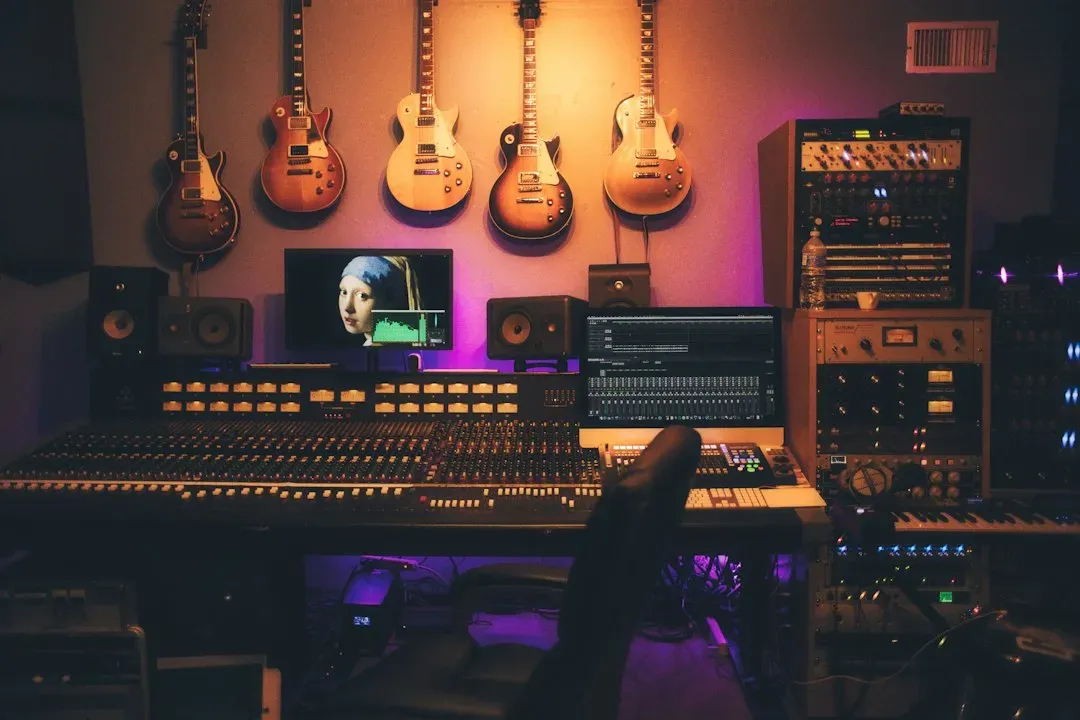
A few caveats apply to every album above. Guest parts, programmed drums and uncredited help blur the line between a solo record and a true one person recording. Writers who compile these lists often use words like “almost” for that reason.
Still, the common thread holds from For You in 1978 to Currents in 2015. One musician, a multitrack setup and enough patience can produce a complete record.
Partner offer
Planning a trip to Vegas?
Compare hotel rates and show tickets on VEGAS.com.