Ask most readers to name a Victorian novel and they’ll reach for Dickens, Austen, or the Brontës. The century was far bigger than that shortlist. It produced satires, adventure stories, psychological studies, and social protest novels that never made it onto school reading lists.
The twelve books below come from Britain, Russia, Portugal, Brazil, Denmark, and beyond. Some are funny, some are bleak, and several are surprisingly modern in feel. All of them reward the time you give them.
Cousin Bazilio by Eça de Queirós (1878)

This Portuguese novel follows Luísa, a bored Lisbon wife whose husband is away on business. An old flame returns, and an affair begins. A scheming servant then turns the secret into a weapon.
Eça de Queirós is often placed alongside Flaubert for his realism and irony. The book is a sharp portrait of middle-class Lisbon, and it works as a thriller as much as a social satire.
Dom Casmurro by Machado de Assis (1899)
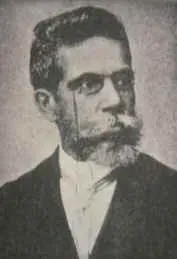
Machado de Assis was a Brazilian writer, and this is one of his best-known novels. The narrator, Bento, recalls his youth and marriage, and he becomes convinced that his wife was unfaithful. The question is whether he can be trusted.
Readers have argued about that for more than a century. The short chapters and the narrator’s evasive tone make it feel experimental even now.
Oblomov by Ivan Goncharov (1859)

Ilya Oblomov spends most of the opening section in bed. That sounds like a joke, and often it is one. Underneath, Goncharov is studying inertia, comfort, and the fear of changing a settled life.
The novel is a landmark of Russian literature, and it gave rise to the term “Oblomovism” for chronic apathy. It’s slow, but it’s also warm and funny.
Marius the Epicurean by Walter Pater (1885)
Set in the age of Marcus Aurelius, this is a philosophical novel more than a plot-driven one. Pater’s young Roman hero moves through different ways of thinking about beauty, pleasure, and faith. The prose is carefully crafted, almost like a long meditation.
It influenced writers of the aesthetic movement, including Oscar Wilde. Readers who enjoy ideas over action will find it rich.
Erewhon by Samuel Butler (1872)
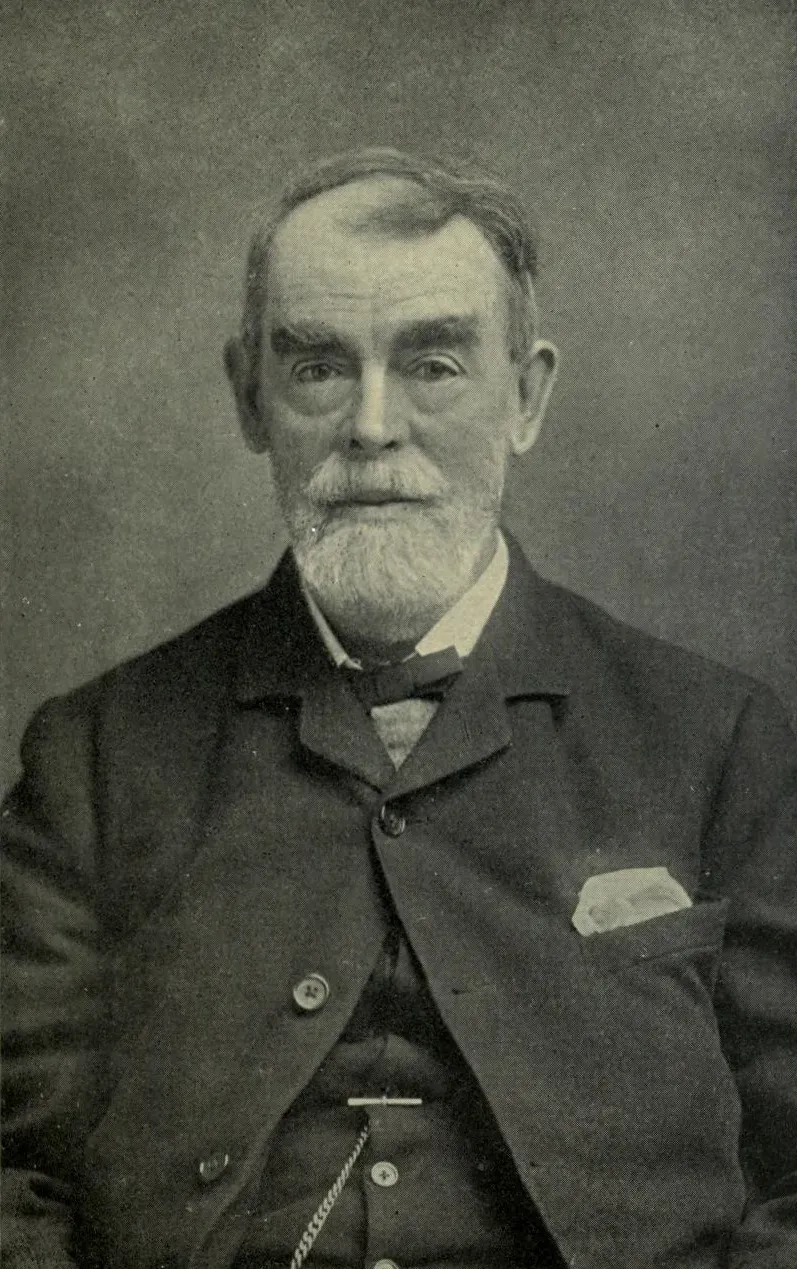
A traveler crosses mountains in a colony and finds a hidden society with strange values. There, illness is treated as a crime, while criminals are treated as patients. Butler published it anonymously at first.
It’s a satire of Victorian morality, religion, and science. Its chapters on machines evolving beyond human control still get quoted in discussions about technology.
The Way of All Flesh by Samuel Butler (1903)
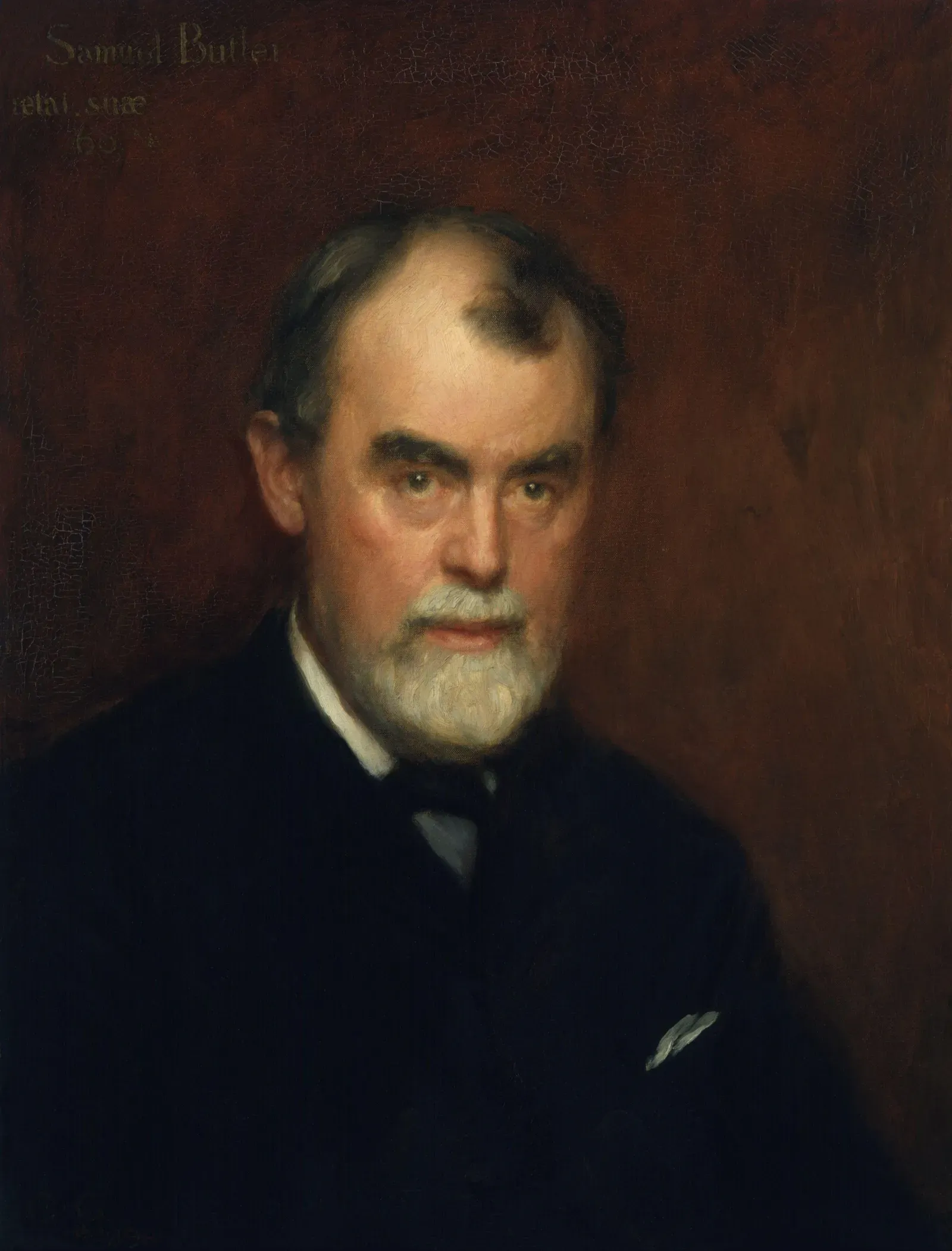
Strictly speaking, this one was published posthumously, so it sits just past the century’s edge, though Butler wrote it mostly in the 1870s and 1880s. It traces the Pontifex family across generations, with a harsh look at clerical households and domineering parents.
The novel is semi-autobiographical and bitterly funny. It helped shape how later writers approached the family saga.
Marius’s Contemporary: The Notebooks of Malte? No, Try Niels Lyhne by J. P. Jacobsen (1880)
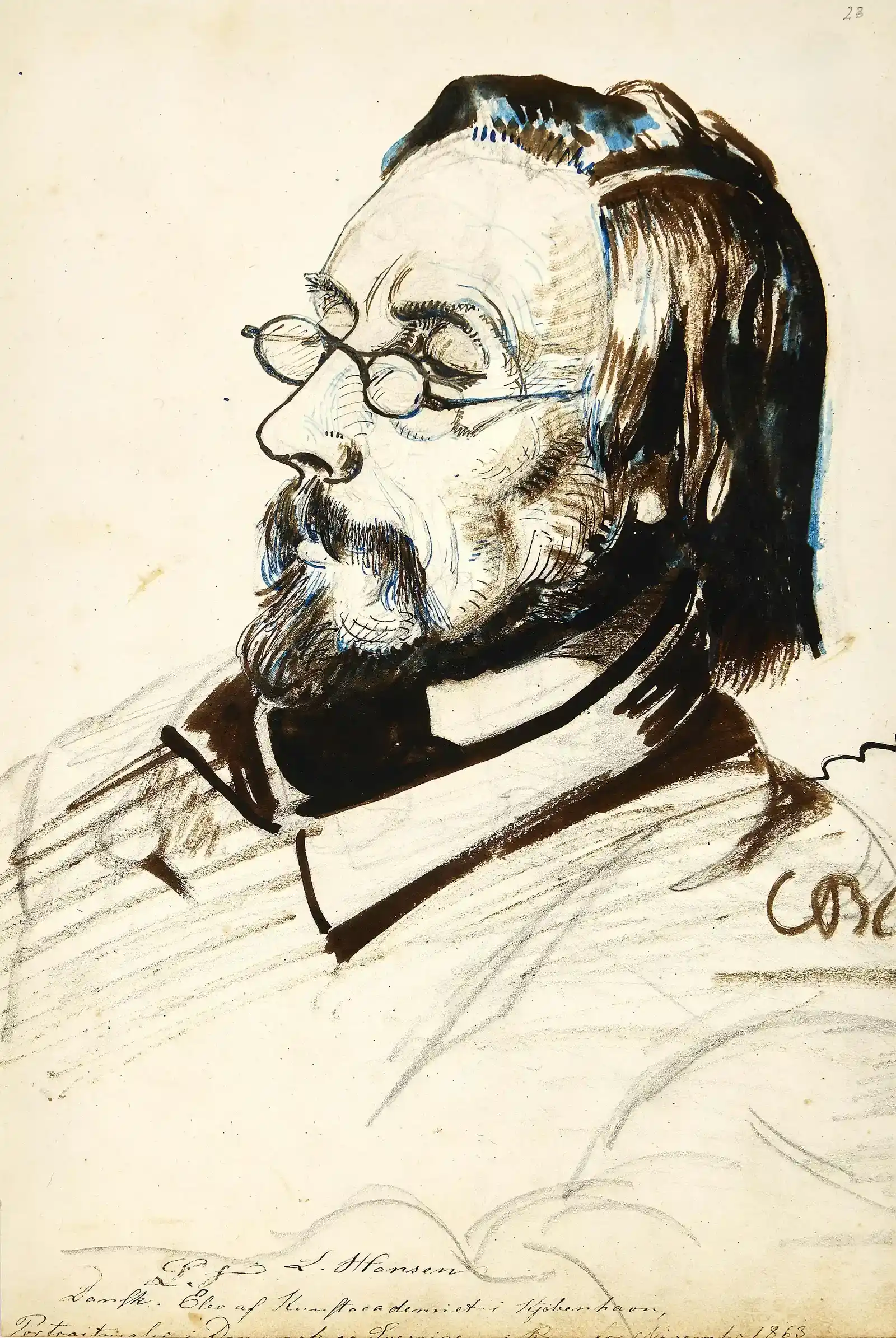
Niels Lyhne is a Danish novel about a dreamer who loses his faith and struggles to find meaning. Jens Peter Jacobsen was a botanist as well as a novelist, and his attention to nature and feeling is precise.
Rainer Maria Rilke admired Jacobsen deeply. The book is quiet and sad, yet beautifully written.
The Odd Women by George Gissing (1893)
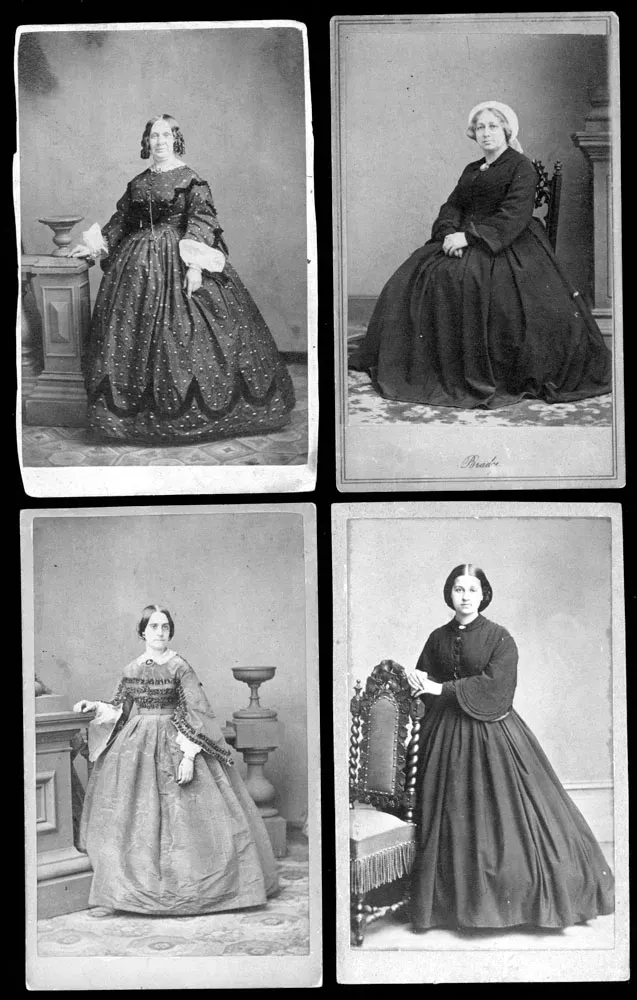
Gissing focuses on unmarried women in London who must support themselves in a society that offers them few options. The novel considers marriage, work, and independence without easy answers. Its characters feel like real people rather than symbols.
It’s often discussed alongside the “New Woman” fiction of the 1890s. Gissing’s gloomy realism makes it a strong companion to better-known social novels.
Esther Waters by George Moore (1894)
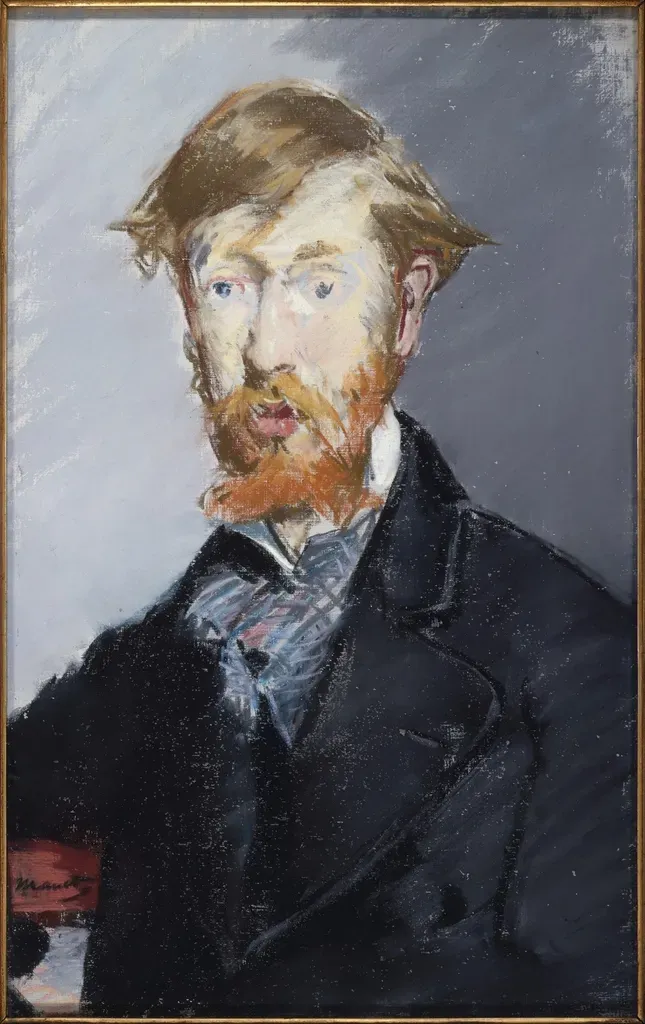
Esther is a servant who becomes pregnant outside marriage and fights to raise her son. George Moore wrote in a naturalist style, with close attention to working-class life, gambling, and hardship.
The book was controversial on release, and some circulating libraries restricted it. Esther’s stubborn dignity is what stays with you.
Lorna Doone by R. D. Blackmore (1869)
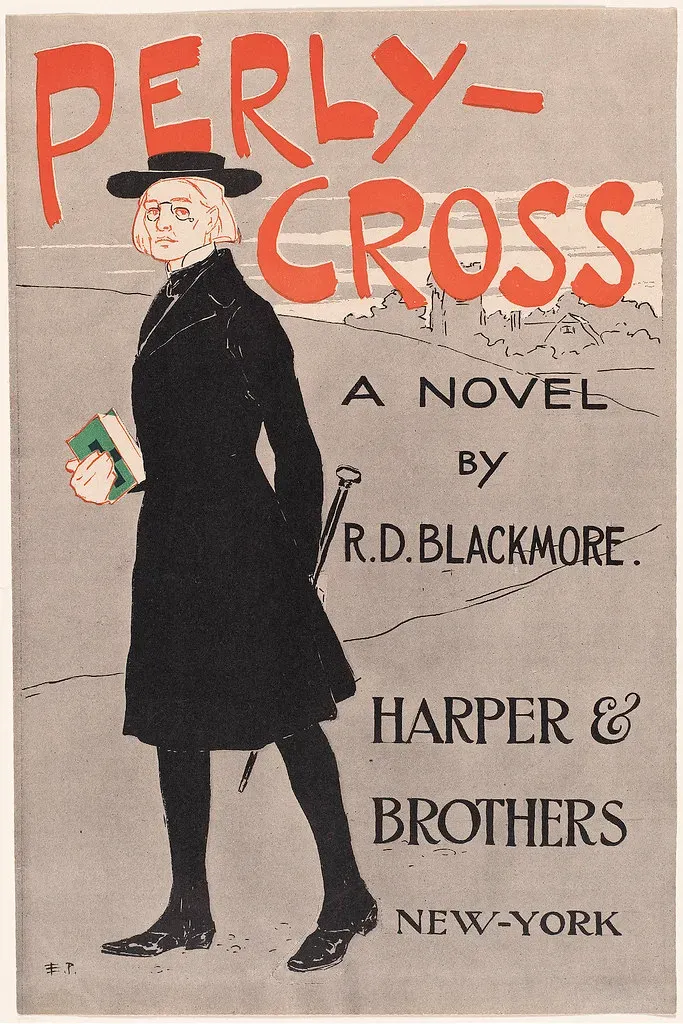
This is a romance and adventure story set in seventeenth-century Exmoor. A farmer named John Ridd falls for Lorna, who belongs to a lawless outlaw clan. Landscape plays a big part in the story.
It was a bestseller in its day and remains in print. Readers who like historical adventure will find it quick and absorbing despite its length.
The Hunting of the Snark Alternative: Called Back? Try Hugh Conway’s Rival, The Beetle by Richard Marsh (1897)

The Beetle was published in the same year as Dracula and actually outsold it at first. A shape-shifting creature from Egypt terrorizes London, and the story is told through several narrators. It mixes horror with anxieties about empire and foreignness.
Modern readers can enjoy it as pulp gothic fun. Its attitudes reflect its era, so it also offers a look at Victorian fears.
The Unclassed or Mark Rutherford? Try The Autobiography of Mark Rutherford by William Hale White (1881)
Written as the memoir of a former dissenting minister, this novel describes a crisis of faith and the slow search for honest work and belief. It was published under a pseudonym, and many readers took it for a genuine memoir.
The tone is plain and reflective. It captures religious doubt in provincial England with unusual honesty.