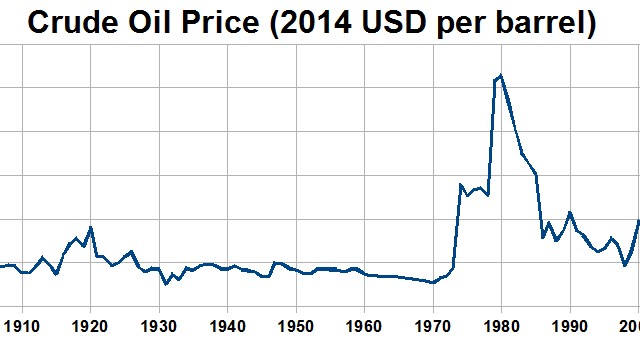
Gas prices keep rising, but do big oil companies plan to drill more? Not so far – Image for illustrative purposes only (Image credits: upload.wikimedia.org)
The conflict in Iran has lifted global crude prices, translating into higher costs at the pump for American drivers. Major oil companies, however, have shown no signs of launching a broad expansion of domestic drilling operations. At the same time, prospects for additional supplies from Venezuela remain clouded by ongoing political and logistical challenges.
Direct Effects on Household Budgets
Higher oil prices have already begun to ripple through the U.S. economy, raising the cost of gasoline and diesel for millions of households. Families that rely on vehicles for commuting or deliveries now face tighter monthly expenses, with little immediate relief in sight. Businesses that depend on fuel for transportation and logistics are also absorbing the increases, which can eventually lead to higher prices for goods and services.
Analysts note that these pressures arrive at a time when many consumers are still managing elevated living costs in other areas. The absence of a quick production response means the price impact could persist longer than in past supply disruptions. Policymakers and industry observers are watching closely to see whether the situation stabilizes or worsens in the coming months.
Why U.S. Producers Are Holding Back
Despite the price gains, leading oil companies have not moved to accelerate new drilling projects in the United States. Executives have cited concerns over long-term demand trends, regulatory uncertainty, and the need to maintain disciplined capital spending. This measured approach stands in contrast to earlier periods when higher prices quickly triggered increased activity in shale basins.
Partner offer
Industry reports indicate that existing wells continue to operate at steady levels, yet new exploration and development remain limited. Companies appear focused on returning value to shareholders through dividends and buybacks rather than aggressive growth. The result is a supply response that has so far failed to offset the upward pressure on prices.
Uncertainty Around Venezuelan Supplies
Venezuela holds some of the world’s largest proven oil reserves, yet its output has been constrained for years by infrastructure issues and international sanctions. Recent political developments have raised questions about whether meaningful volumes could return to global markets anytime soon. Observers point to the need for substantial investment and policy clarity before any significant rebound occurs.
Without clearer signals from Caracas, traders and refiners are treating potential Venezuelan barrels as a distant possibility rather than a near-term solution. This uncertainty adds another layer of complexity to an already tight global supply picture. Market participants continue to monitor diplomatic and commercial developments for any signs of progress.
Key points to watch:
- Whether U.S. drillers adjust capital plans in the next quarter
- Progress on Venezuelan export arrangements
- Duration of the Iran-related price premium
Energy markets now face a period of elevated prices without the usual supply-side cushion. Consumers and businesses alike will feel the effects until either production rises or demand adjusts. The coming weeks will reveal whether current conditions represent a temporary spike or the start of a more prolonged adjustment.
Partner offer
Planning a trip to Vegas?
Compare hotel rates and show tickets on VEGAS.com.