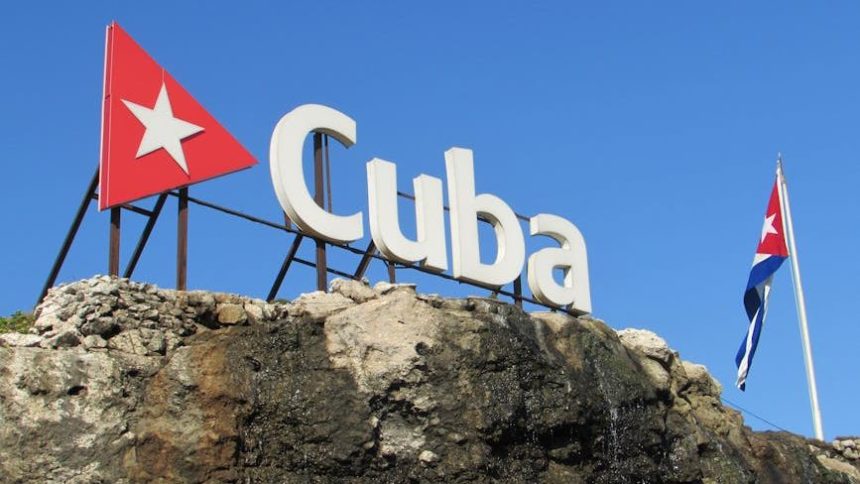

Russia pledges to support Cuba as Trump ramps up pressure on Havana – Image for illustrative purposes only (Image credits: Pexels)
Relations between Washington and Havana have taken another sharp turn, with Russia stepping forward to provide active support to the island nation. The pledge comes as the United States moves to restrict oil flows from Venezuela and issues fresh warnings to companies that continue to trade with Cuba. These steps have deepened an already severe energy shortage across the country, leaving daily life and essential services under strain.
Timeline of Oil Disruptions and Energy Shortages
Cuba has relied on imported fuel for years, and recent U.S. policies have cut off key supply routes. A sanctioned Russian tanker was intercepted by American authorities in January, halting one delivery. Washington later cleared a March shipment that reached the port of Matanzas, yet those reserves were quickly exhausted.
An additional Russian tanker dispatched in April has remained offshore in the Atlantic while awaiting clearance. The resulting shortages have affected power generation, transportation, and industrial output, hitting households and state-run facilities alike. Local authorities have reported rolling blackouts and reduced services in several provinces.
Moscow’s Formal Statement of Support
During a press briefing in the Russian capital, Foreign Ministry spokeswoman Maria Zakharova described the latest U.S. measures as gross interference in Cuba’s internal affairs. She expressed full solidarity with Havana and condemned what she called intimidation through unilateral restrictions, threats, and economic blackmail.
Partner offer
Zakharova noted that new limits announced by the White House in early May target third-country firms operating on the island. She said these actions form part of a long-standing effort to weaken Cuba’s economy. The Kremlin’s commitment follows earlier Russian fuel deliveries intended to ease the immediate crisis.
U.S. Legal Moves and Their Wider Context
On Wednesday, the Justice Department filed charges against former Cuban President Raúl Castro linked to the 1996 downing of civilian aircraft. The indictment echoes earlier legal actions against other regional leaders and has prompted speculation about possible further steps by Washington.
President Donald Trump has publicly stated he would consider direct intervention, describing it in recent remarks as an action he would view with honor. Observers point out that Russia’s own military commitments in Ukraine, combined with limited responses to earlier U.S. operations against other partners, leave open questions about how much practical assistance Moscow can deliver at this stage.
Key points at a glance:
- Russian oil shipments have been intermittent due to U.S. enforcement actions.
- New sanctions target foreign companies trading with Cuba.
- Charges against Raúl Castro add legal pressure on Havana’s leadership.
- Moscow frames its support as resistance to external economic coercion.
Stakeholders and Practical Consequences
The immediate effects fall most heavily on Cuban residents who face higher costs for fuel and electricity. State enterprises that depend on steady energy supplies have also reported production cuts. Foreign firms considering business on the island must now weigh the risk of secondary U.S. penalties.
For Russia, the episode tests its ability to sustain alliances while managing domestic military demands. The situation underscores how energy access, legal proceedings, and diplomatic signaling continue to shape relations among the three countries involved.
Partner offer
Planning a trip to Vegas?
Compare hotel rates and show tickets on VEGAS.com.