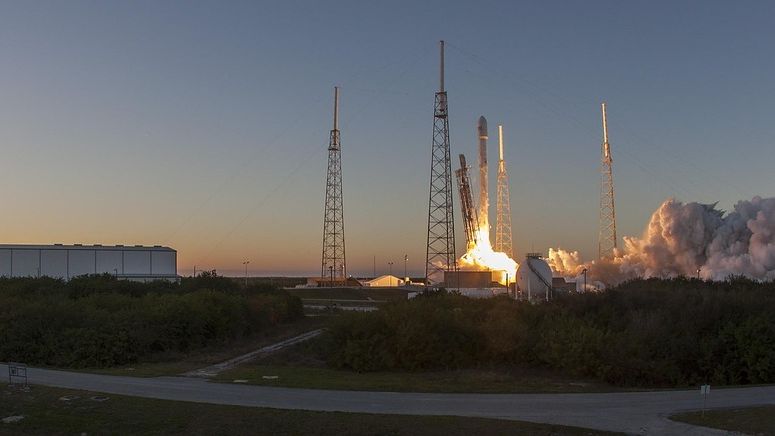
SpaceX files for biggest-ever IPO ahead of market debut – Image for illustrative purposes only (Image credits: Pixabay)
For employees holding stock options and early investors who backed the company through years of high-risk development, the filing opens a path to liquidity that has long remained out of reach. SpaceX has submitted the necessary paperwork to begin the process of becoming a publicly traded company. Analysts already describe the potential offering as the largest of its kind, reflecting both the scale of the firm’s operations and the sustained demand for exposure to commercial space activities.
Practical Effects on Stakeholders
Current and former staff stand to gain the most immediate benefit once shares begin trading. Many joined the company with compensation packages that included equity rather than high cash salaries, and a public market would allow them to sell portions of those holdings without waiting for a private tender offer. Early venture backers, including institutional funds that participated in successive funding rounds, would also have a clearer route to realizing returns after years of illiquid holdings.
Retail investors represent another group that could see new access. Until now, participation in SpaceX growth has been limited to accredited individuals or funds meeting strict criteria. A public listing would remove that barrier for ordinary market participants who want to own a stake in satellite broadband services and launch operations.
Timeline and Next Steps
The filing itself marks the formal start of a multi-month regulatory review. Securities regulators will examine the company’s disclosures on revenue, contracts, and risk factors before any shares can be offered. Company leadership has not announced a target date for the first trading day, but similar large technology offerings have typically moved from filing to market within four to eight months once the review clears.
Partner offer
During this period, SpaceX will continue its existing launch schedule and Starlink expansion without interruption. The public process is expected to run in parallel with ongoing business operations rather than replace them.
Business Context Behind the Move
SpaceX has grown from a single launch vehicle program into a diversified enterprise that includes reusable rockets, a global satellite network, and government contracts. Revenue from these lines has increased steadily, creating the financial foundation required for a public debut. The decision to file now aligns with a broader pattern in which mature private companies seek wider capital access once core technology and customer bases are established.
Market observers note that the timing also reflects favorable conditions for large technology listings. Investor appetite for companies tied to infrastructure and connectivity remains strong, and SpaceX’s track record of meeting technical milestones has helped build that confidence.
What to Watch Next
- Details on share structure and any lock-up periods for insiders once trading begins.
- Updates on valuation ranges disclosed in subsequent regulatory amendments.
- Reactions from major customers, including NASA and commercial satellite operators.
- Potential effects on the broader space sector as a new public benchmark is established.
The filing therefore represents more than a financial event. It signals the next phase for a company whose technology already touches daily communications and national space programs, with consequences that will extend to employees, suppliers, and investors for years to come.
Partner offer
Planning a trip to Vegas?
Compare hotel rates and show tickets on VEGAS.com.