Walk into any modern laboratory and you’ll find sleek equipment that screams efficiency over elegance. Those machines get the job done, sure, but they won’t stop you in your tracks. Now imagine stepping into a 17th-century observatory where every tool looks like it belongs in a gallery rather than a research facility. We’re talking brass curves that catch the light just right, intricate engravings that took weeks to complete, and designs so stunning they make you forget these devices once measured the stars or mapped the human body.
These scientific instruments weren’t just functional. They were status symbols, conversation pieces, and yes, legitimate works of art. The craftsmen who built them poured as much care into their appearance as their accuracy. Let’s dive into some of the most breathtaking examples that blur the line between science and beauty.
Astrolabes: The Medieval Pocket Universe
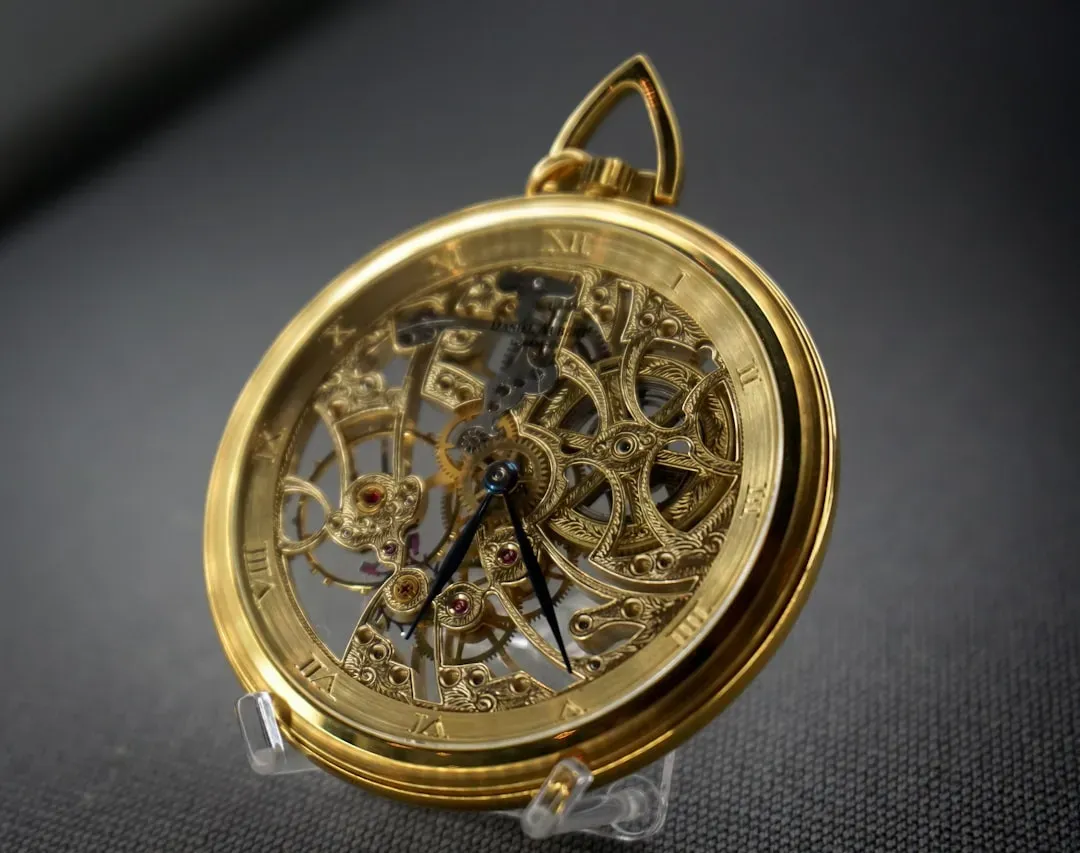
Imagine holding the entire cosmos in your palm. That’s essentially what an astrolabe offered to astronomers and navigators centuries ago. These flat, circular devices could calculate everything from the position of the sun to prayer times, all while looking like ornate jewelry.
The best examples feature elaborate geometric patterns etched into brass or bronze, with movable parts that rotate like clockwork. Persian and Islamic craftsmen especially excelled at turning these tools into masterpieces, often adding calligraphy and decorative motifs that had nothing to do with function. They just looked incredible.
Some astrolabes took months to create, with every degree marked by hand and every curve polished to perfection. Museums now display them behind glass, and honestly, it’s hard to believe anyone actually used them for navigation when they look this precious.
Orreries: Solar Systems You Can Touch
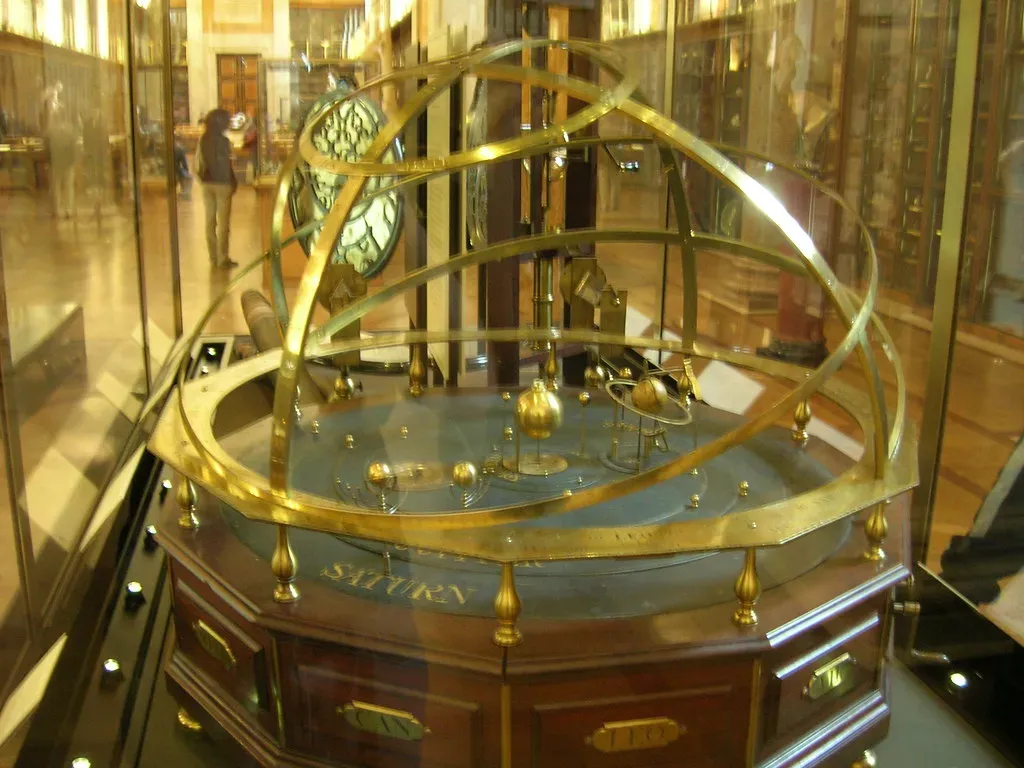
Before planetarium shows and CGI simulations, there were orreries. These mechanical models of the solar system used gears, arms, and spheres to demonstrate planetary motion. The fancy ones became centerpieces in wealthy homes during the 18th and 19th centuries.
Picture a golden sun at the center with smaller spheres orbiting around it, all mounted on polished wooden bases with brass fittings. Some versions included moons orbiting their planets, complete with tiny chains and counterweights. Turn a crank and watch the whole system spring to life.
The craftsmanship involved is staggering. Clockmakers often built these devices, bringing their expertise in precision engineering to astronomical education. The result? Teaching tools that doubled as sculptural statements, proving that learning about the universe could be a visual feast.
Anatomical Models: Beauty in the Human Form
Medical students in the 18th century had a unique study aid that modern anatomy books can’t match. Wax anatomical models, particularly those created in Italy, turned the human body into something simultaneously educational and artistic.
These weren’t crude teaching dummies. Sculptors collaborated with physicians to create anatomically correct figures with removable organs, all rendered in colored wax with startling realism. Some models reclined on velvet cushions or silk sheets, their poses more befitting a classical painting than a lecture hall.
The famous collection at La Specola in Florence includes figures that look peaceful, almost serene, despite showing exposed muscles and organs. It’s unsettling and captivating at once. These models served medicine while pushing artistic boundaries, making them some of the most unusual art objects ever created.
Theodolites: Surveying with Style
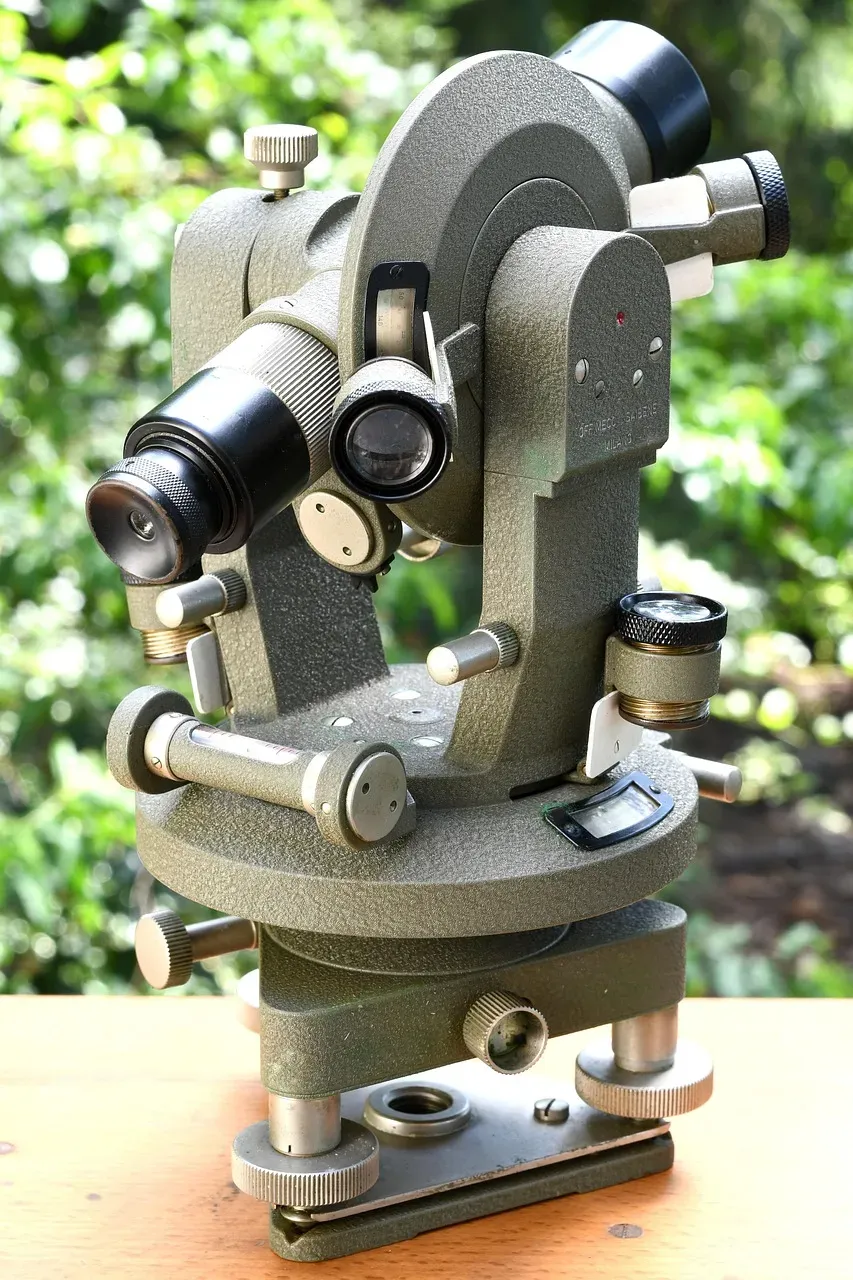
Land surveyors needed accurate angle measurements, but apparently someone decided their equipment should also turn heads. Theodolites from the Victorian era are engineering marvels wrapped in decorative excess.
These devices feature telescopes mounted on circular scales, all balanced on tripods. The high-end versions came with silver inlays, mother-of-pearl details, and engraved patterns that served zero practical purpose. They were heavy, expensive, and absolutely gorgeous.
Manufacturers like Troughton & Simms in London competed to create the most refined instruments. Their theodolites weren’t just tools. They were statements about the surveyor’s professionalism and taste, proof that even measuring land could be done with flair.
Microscopes: Tiny Worlds in Grand Frames
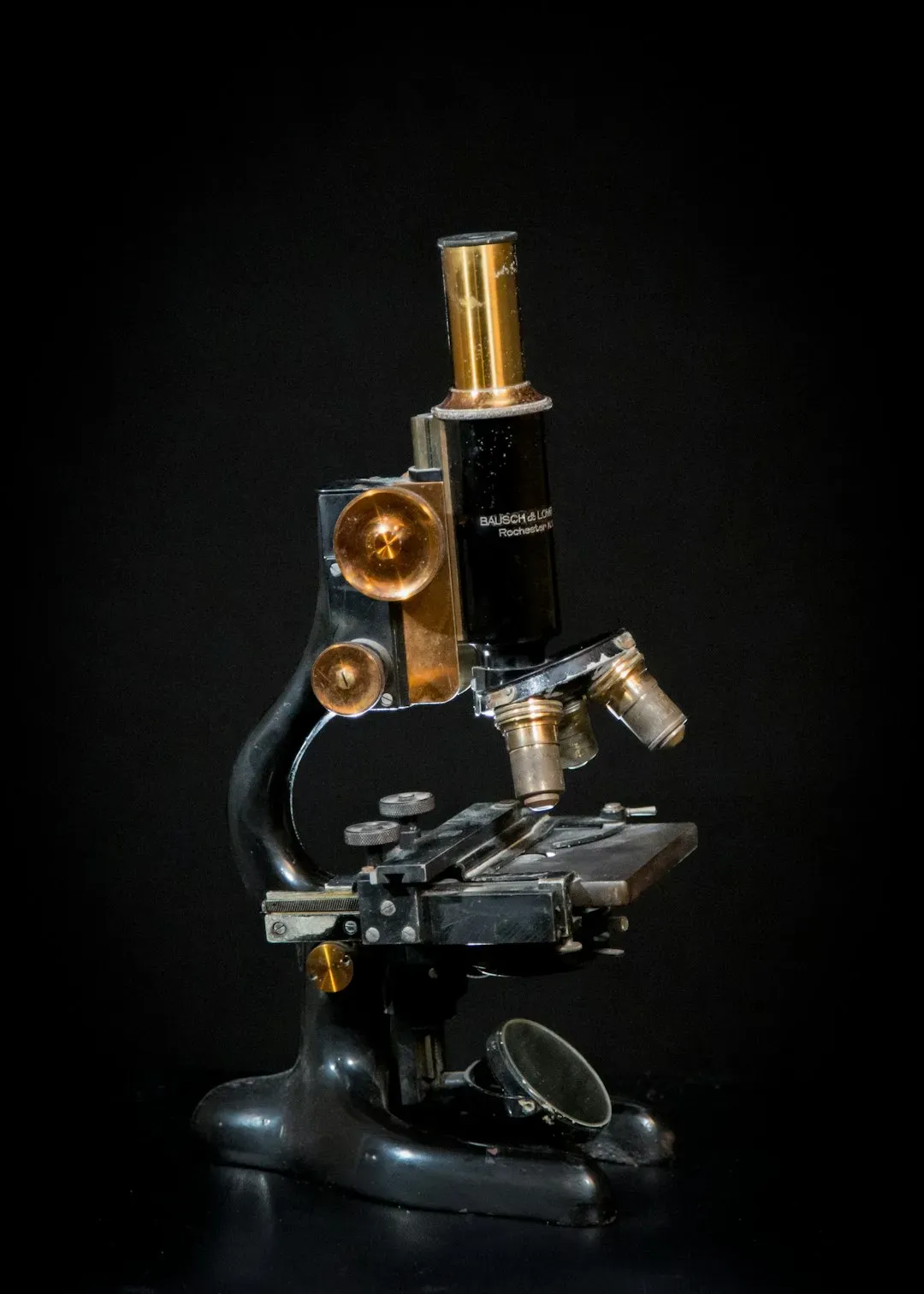
Early microscopes reveal a time when scientists wanted their equipment to look as impressive as their discoveries. These weren’t the bland white scopes of modern labs. They were elaborate constructions of brass, mahogany, and sometimes even ivory.
A quality microscope from the 1800s might stand two feet tall on a carved wooden base, with multiple lenses housed in ornate brass tubes. Adjustable mirrors caught candlelight to illuminate specimens, and every knob and screw was machined to perfection. Some came in velvet-lined cases that looked like jewelry boxes.
The decoration wasn’t just showing off. It reflected the microscope’s role as a luxury item for gentleman scientists and wealthy collectors. These instruments opened up invisible worlds while commanding attention in any room they occupied.
Sextants: Navigation Meets Craftsmanship
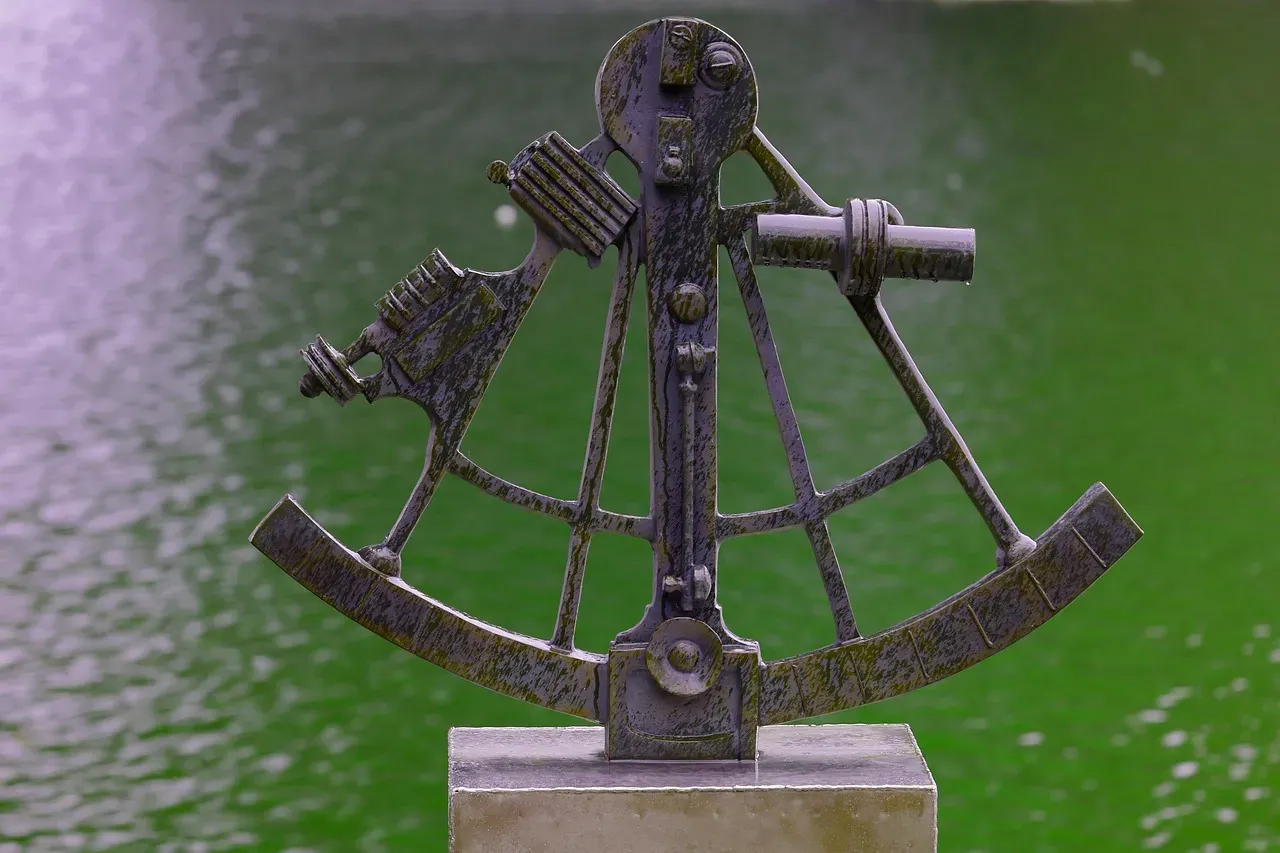
Sailors trusted their lives to these angle-measuring devices, which might explain why sextants were built to last and look fantastic. The triangular frames, typically made from brass or bronze, feature precision scales and adjustable mirrors.
What makes antique sextants special is the attention to detail. Makers stamped their names prominently, added decorative flourishes to the frame, and polished every surface until it gleamed. The best examples came in custom-fitted wooden boxes lined with green felt, turning the whole package into a presentation piece.
Using a sextant required skill, and owning a beautiful one suggested both competence and class. Naval officers often treasured their instruments, passing them down through generations. Today they’re highly collectible, with prices reflecting both their historical importance and undeniable visual appeal.
Armillary Spheres: The Universe in Rings
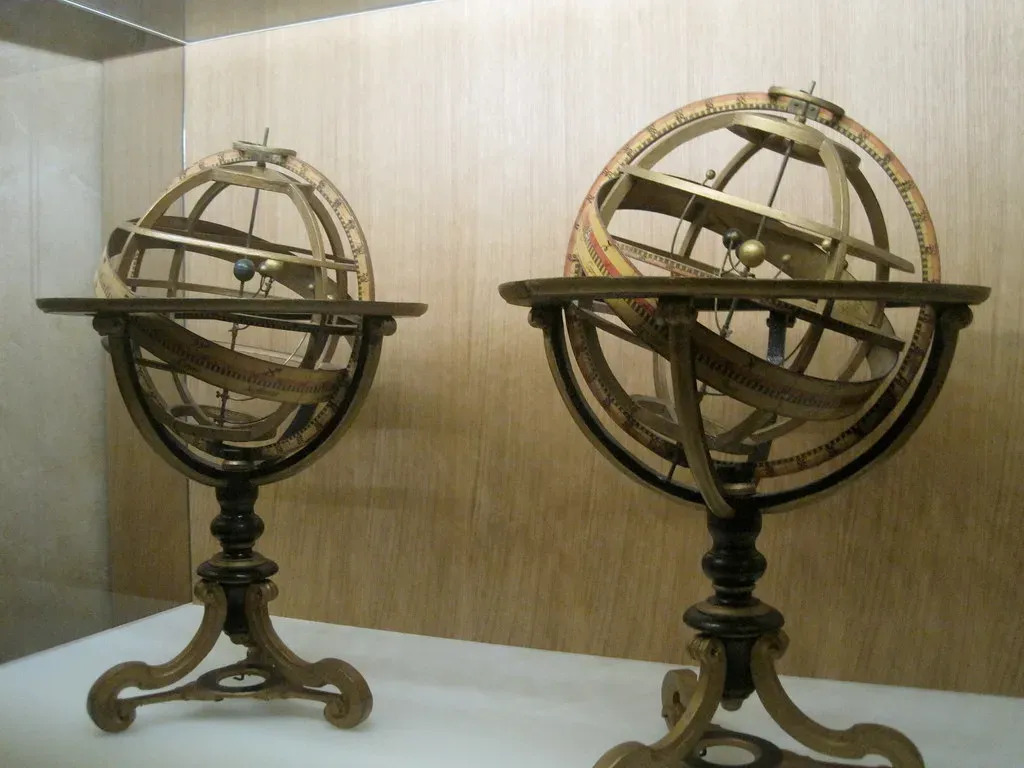
These spherical frameworks of rings and bands represented models of celestial objects. Ancient astronomers used them to teach about the heavens, but by the Renaissance, they’d become decorative symbols of knowledge and power.
An armillary sphere might feature a dozen interconnected rings, each representing a different celestial circle. The Earth sat at the center, surrounded by the ecliptic, equator, and other astronomical markers. Bronze or brass construction allowed for intricate detail and lasting durability.
Rich patrons displayed these in their libraries or studies, where they served as conversation starters and status symbols. Modern reproductions still sell well because the design is genuinely striking. There’s something mesmerizing about those interlocking rings catching light from different angles.
Conclusion
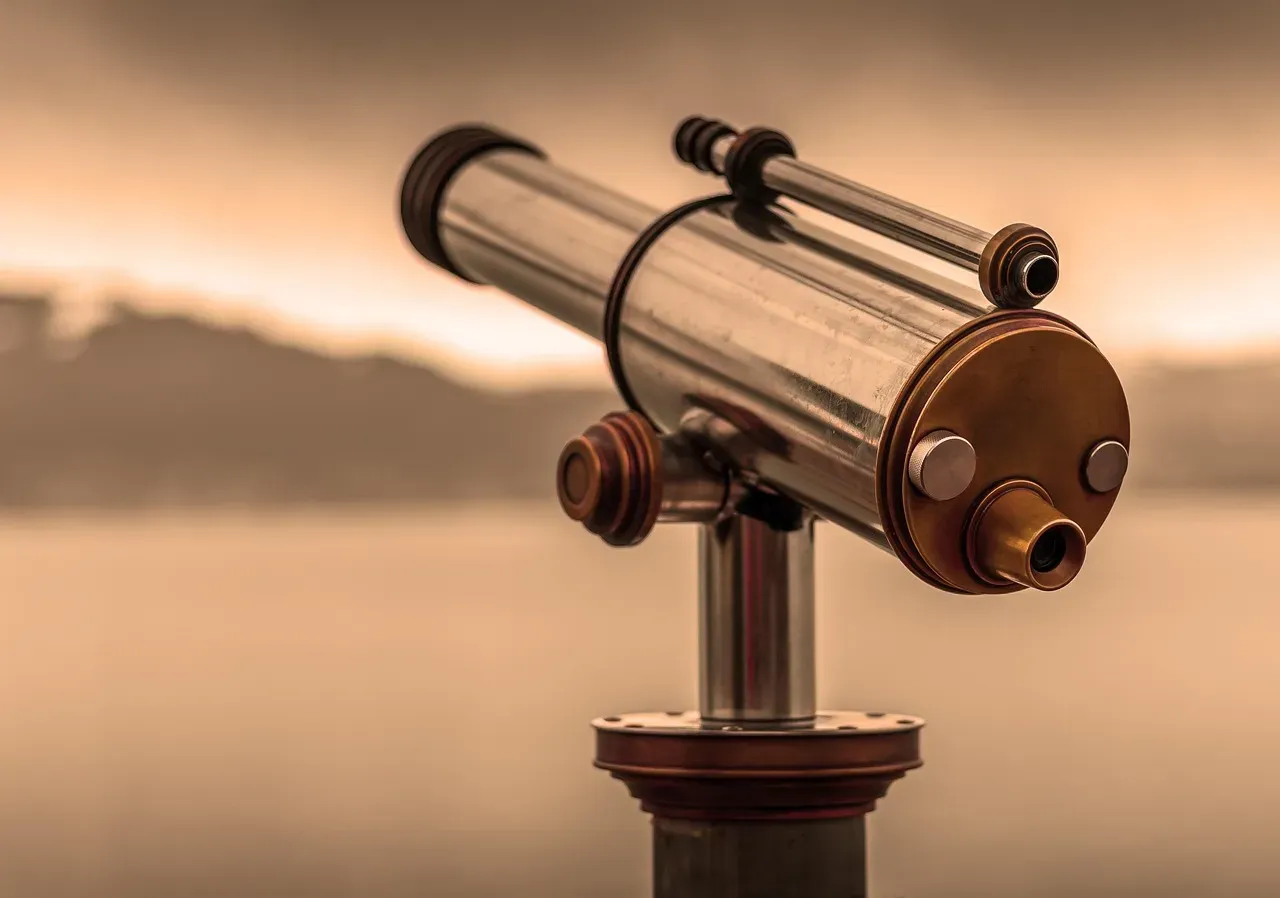
These instruments prove that scientific progress doesn’t require boring equipment. For centuries, craftsmen created tools that advanced knowledge while delighting the eye, merging form and function in ways modern technology often ignores. Today, these pieces sit in museums and private collections, reminders of when even measuring the stars required style. They challenged the assumption that serious science must look serious, showing instead that beauty and precision can coexist perfectly.
Did you ever think lab equipment could be this stunning? What do you think about it? Tell us in the comments.