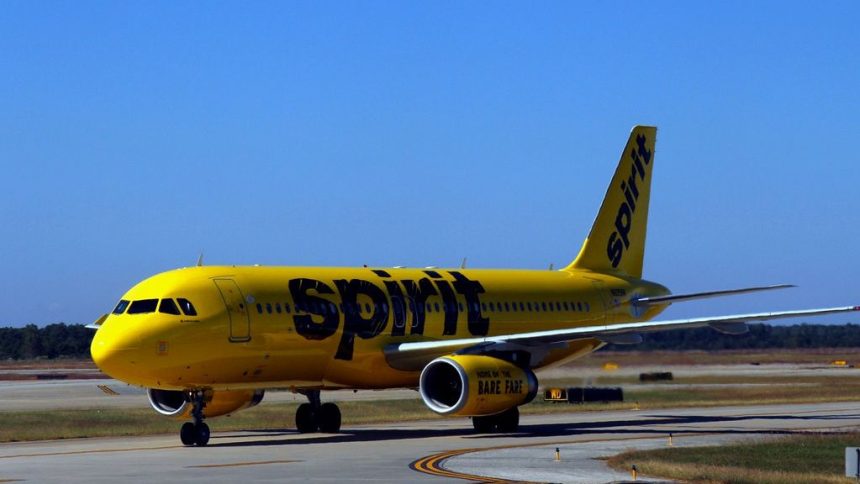
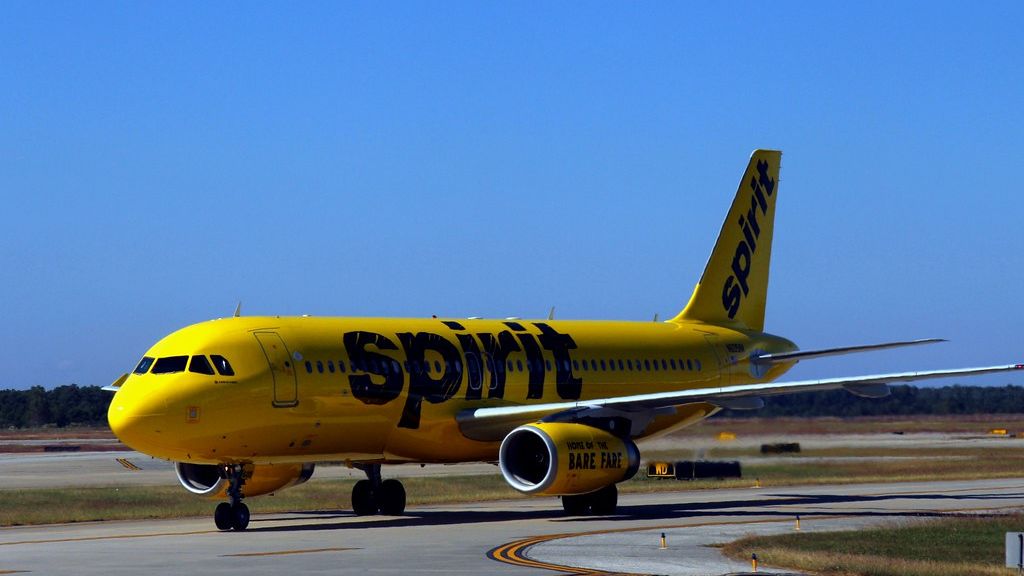
Spirit Airlines Prepares to Shut Down – Image for illustrative purposes only (Image credits: Flickr)
Miramar, Florida — Spirit Airlines, the pioneering ultra-low-cost carrier, prepared to wind down operations after talks for a $500 million rescue package from the Trump administration collapsed. The airline, which has battled financial headwinds for years, confronted an acute cash shortage exacerbated by soaring jet fuel prices. Creditors and stakeholders failed to reach agreement on the government’s proposed terms, leaving the company with mere days of liquidity.[1][2]
A String of Financial Setbacks
Spirit Airlines entered its latest crisis following multiple Chapter 11 bankruptcy filings. The carrier first sought protection in November 2024 amid mounting losses exceeding $1.2 billion annually, triggered by a blocked merger with JetBlue Airways and persistent post-pandemic challenges.[3] It emerged from that process in March 2025 through a prepackaged restructuring but filed again less than a year later in August 2025, accumulating roughly $7.4 billion in debt and lease obligations.[4]
By March 2026, Spirit announced a restructuring support agreement with key lenders, aiming for emergence by early summer. The plan slashed debt to about $2 billion, rightsized the fleet to 76-80 Airbus A320/321 aircraft by the third quarter, and refocused operations on high-demand markets such as Fort Lauderdale, Orlando, Detroit, and the New York City area.[4] President and CEO Dave Davis hailed the milestone, stating it positioned the airline to deliver value through optimized networks and premium offerings.[4]
Engine recalls from Pratt & Whitney grounded numerous jets since 2023, while wage inflation and softening leisure travel demand compounded pressures. Unions representing pilots and flight attendants granted concessions in recent months to aid survival efforts.
Jet Fuel Surge Pushes Carrier to the Brink
A dramatic spike in jet fuel prices delivered the decisive blow. The U.S.-Israeli conflict with Iran, which erupted on February 28, drove average prices to $4.88 per gallon across major U.S. hubs by early April.[3] Analysts warned that sustained high costs around $4.60 per gallon could balloon Spirit’s operating losses, turning a projected negative 7% margin into negative 20% and draining its $337 million cash reserves.[3]
Partner offer
Spirit leased most of its aircraft as of late 2025 and accelerated fleet reductions during reorganization. It cut summer 2026 schedules by nearly 40%, exited 14 airports, sold 20 Airbus planes, and furloughed 1,800 employees while trimming service in 12 cities.[2] These measures aimed to prioritize peak-period flying but proved insufficient against the fuel crisis.
Key Pressures on Spirit:
- Rising jet fuel from Iran war: Up 95% since late February.
- Second bankruptcy in under a year.
- Grounded planes from engine issues.
- Blocked mergers and oversupplied routes.
Bailout Negotiations Stall in Final Hours
The Trump administration stepped in with a proposed $500 million debtor-in-possession loan, conditioned on warrants granting 90% equity control. Discussions intensified in late April, with two creditor groups expressing support, but others like Citadel rejected counterproposals.[5][2] A bankruptcy court hearing scheduled for April 30 was postponed as talks dragged on without resolution.[5]
President Trump indicated openness to a government takeover “for the right price,” citing the airline’s valuable aircraft and assets that could support military transport needs.[2] Transportation Secretary Sean Duffy noted challenges in securing funds without bipartisan congressional backing for broader industry aid requests totaling $2.5 billion. Spirit’s lawyer warned that absent new financing or access to $240 million in restricted funds, liquidation loomed, threatening over 17,000 jobs.[5]
Uncertainty for Travelers and the Industry
Passengers holding tickets faced immediate risks if liquidation proceeded. The carrier assured normal bookings and loyalty redemptions during restructuring, but a full shutdown could lead to mass cancellations and refund battles.[4] Competitors like Frontier and JetBlue, with significant route overlaps, stood ready to absorb demand, though fares might rise without Spirit’s aggressive discounting.
Spirit’s potential demise marked a pivotal moment for U.S. budget aviation. The White House continued monitoring the sector, but time had run out for the scrappy carrier once known for shaking up fares.[2]
As preparations for closure advanced, the airline’s fate underscored vulnerabilities in lean operations amid geopolitical shocks.
Partner offer
Planning a trip to Vegas?
Compare hotel rates and show tickets on VEGAS.com.