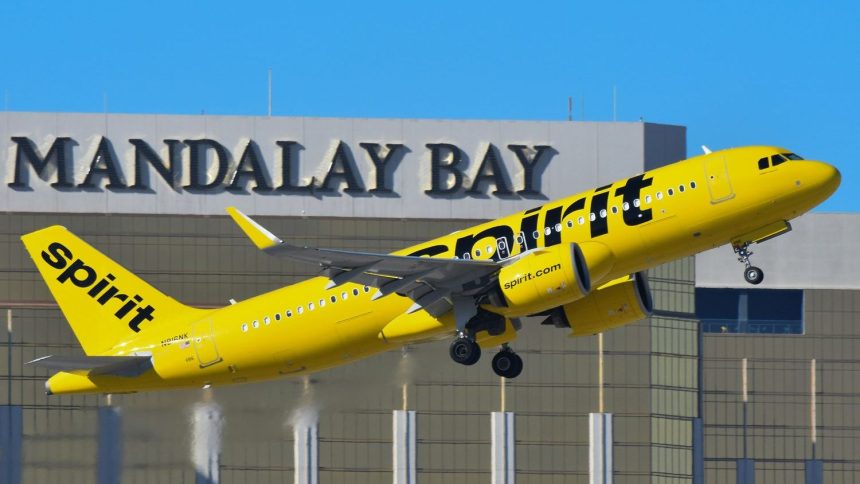
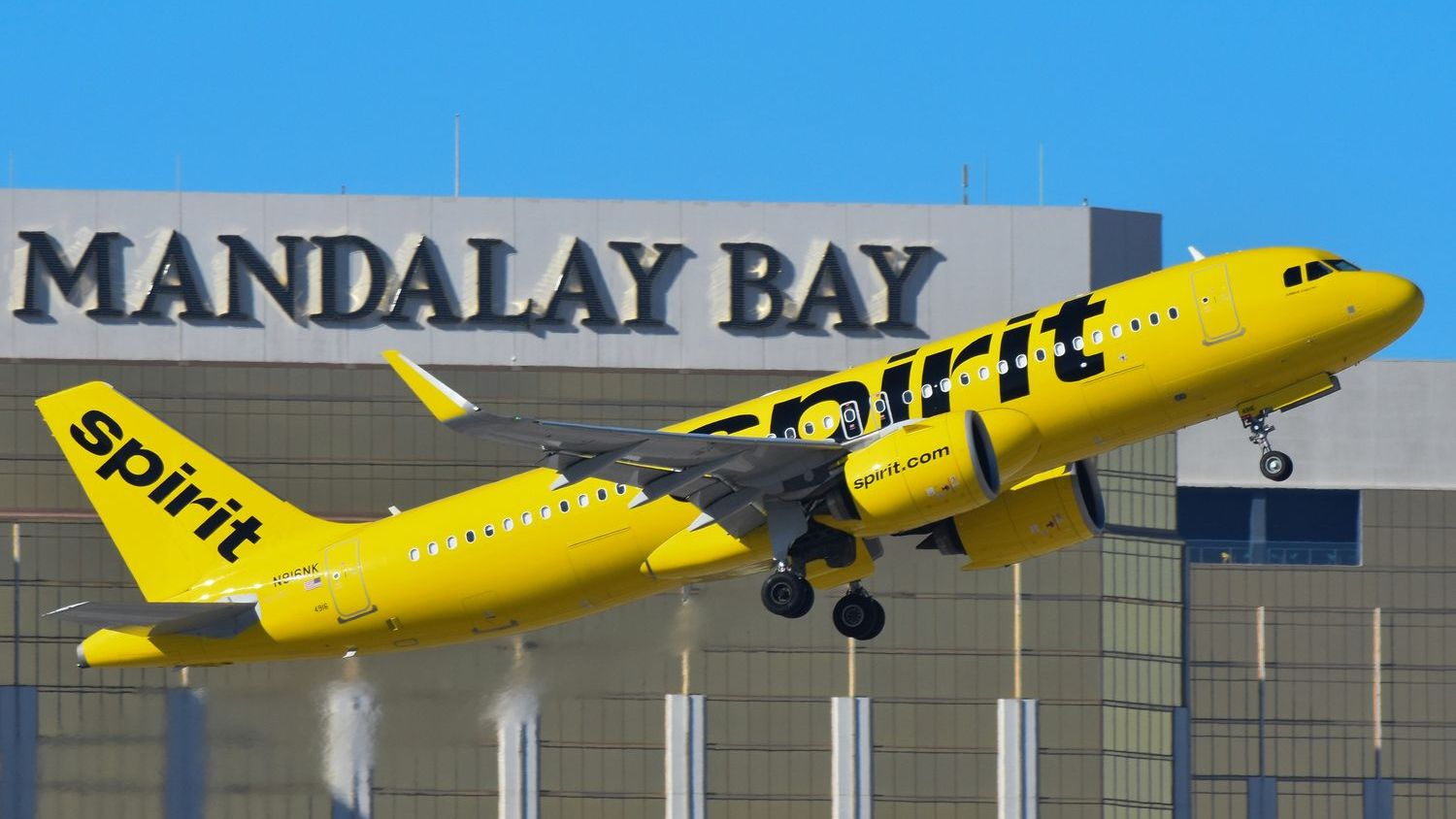
Spirit Airlines says it’s winding down operations, canceling all flights – Image for illustrative purposes only (Image credits: Unsplash)
Las Vegas – Spirit Airlines initiated an orderly wind-down of its operations on Saturday, canceling every scheduled flight effective immediately.[1][2] The sudden move leaves passengers booked to or from Harry Reid International Airport facing disrupted plans, though the carrier’s diminished local presence softens broader effects on the tourism hub.
Company leaders cited insurmountable financial pressures, including soaring jet fuel costs, as the breaking point after months of restructuring attempts.[1] Travelers holding tickets now scramble for alternatives while refunds process through standard channels.
The Abrupt Announcement Shocks the Industry
Spirit Aviation Holdings, the parent of Spirit Airlines, released a statement confirming the wind-down late Friday into Saturday.[1] “Spirit Guests should not go to the airport,” it urged, emphasizing that all flights stood canceled.[1]
President and CEO Dave Davis expressed regret in the release. He highlighted a March agreement with bondholders for restructuring that fell apart amid recent fuel price spikes.[1] Davis thanked the Trump administration, including Commerce Secretary Howard Lutnick and the Department of Transportation, for intervention efforts that ultimately proved insufficient. The carrier, once a pioneer in ultra-low fares, traced its model back over 30 years but could not secure the hundreds of millions needed to persist.[2]
Over the weekend, more than 900 flights vanished, stranding plans for roughly 190,000 seats.[3] Customer service lines went dark, directing inquiries to a dedicated restructuring site.
Years of Struggles Culminate in Closure
Spirit’s troubles mounted after a blocked $3.8 billion merger with JetBlue in 2024 on antitrust grounds.[2] The airline filed for its second Chapter 11 bankruptcy in under two years, grappling with engine defects, rising competition, and shifting consumer preferences toward premium options.
A February flare-up in the Iran conflict sent oil prices surging, pushing jet fuel costs beyond sustainable levels for the budget operator.[4] Talks for a $500 million federal bailout collapsed, leaving no path forward despite overtures from rivals and creditors like Citadel and Ares Management.[1]
Partner offer
The fleet shrank dramatically, with over 100 planes parked and newer Airbus models returned to lessors.[4] Spirit employed about 17,000 people at its peak, many now facing uncertainty as the wind-down proceeds through bankruptcy proceedings.
Measured Impact at Harry Reid International Airport
Harry Reid saw Spirit’s footprint dwindle long before this finale. Operations dropped from 221 daily flights to 36 destinations a year ago to just 70 flights daily across 10 routes as of early 2026.[4] The carrier handled 419,917 passengers in the first quarter, ranking eighth among airlines at the airport.
Top routes included Santa Ana’s John Wayne Airport, Burbank-Hollywood, Los Angeles International, Houston’s George Bush Intercontinental, and Reno-Tahoe – all now served by competitors like Southwest.[4] The ticket counter operated normally on Friday, but no Spirit flights appeared on Saturday schedules at LAS.[4][5]
Airport officials anticipate minimal long-term disruption, as rivals historically absorb such capacity. Still, immediate chaos hit ticket holders, particularly on leisure routes popular with Vegas visitors.
Practical Guidance for Stranded Passengers
Spirit outlined clear refund protocols. Credit and debit card purchases trigger automatic returns to the original payment method. Those booking through travel agents must contact the intermediary directly.[1] Vouchers, credits, or Free Spirit points face later resolution in bankruptcy court.
- Monitor spiritrestructuring.com for updates – avoid airports and phone lines.[1]
- Do not cancel bookings yourself; let Spirit do so to preserve refund rights under the Fair Credit Billing Act.[3]
- Rebook with alternatives like Frontier, Southwest, or United, which may offer discounted last-minute fares at counters.[6]
- Check travel insurance for coverage; chargebacks provide primary recourse for credit card users.
Other carriers lack formal interline pacts with Spirit, so self-rebooking remains key. Fares may rise short-term on affected routes as supply tightens.
A Shift in the Low-Fare Landscape
Spirit’s exit marks the end of an era for ultra-low-cost travel that democratized flights for millions. Las Vegas travelers, reliant on bargain options to vacation hotspots, now navigate a market with fewer disruptors.
While Harry Reid’s robust network cushions the blow, the episode underscores vulnerabilities in budget aviation amid volatile fuel markets and economic pressures. Passengers eye higher baseline fares as competitors adjust, but alternatives abound for those quick to pivot.
Partner offer
Planning a trip to Vegas?
Compare hotel rates and show tickets on VEGAS.com.