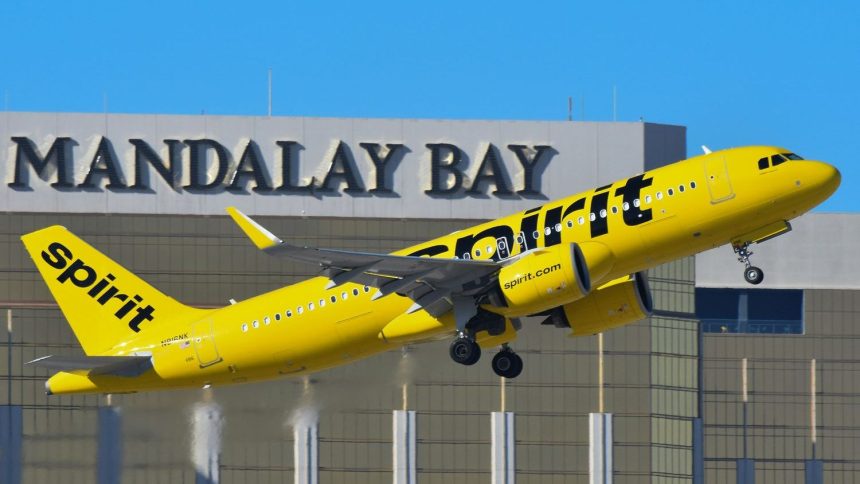
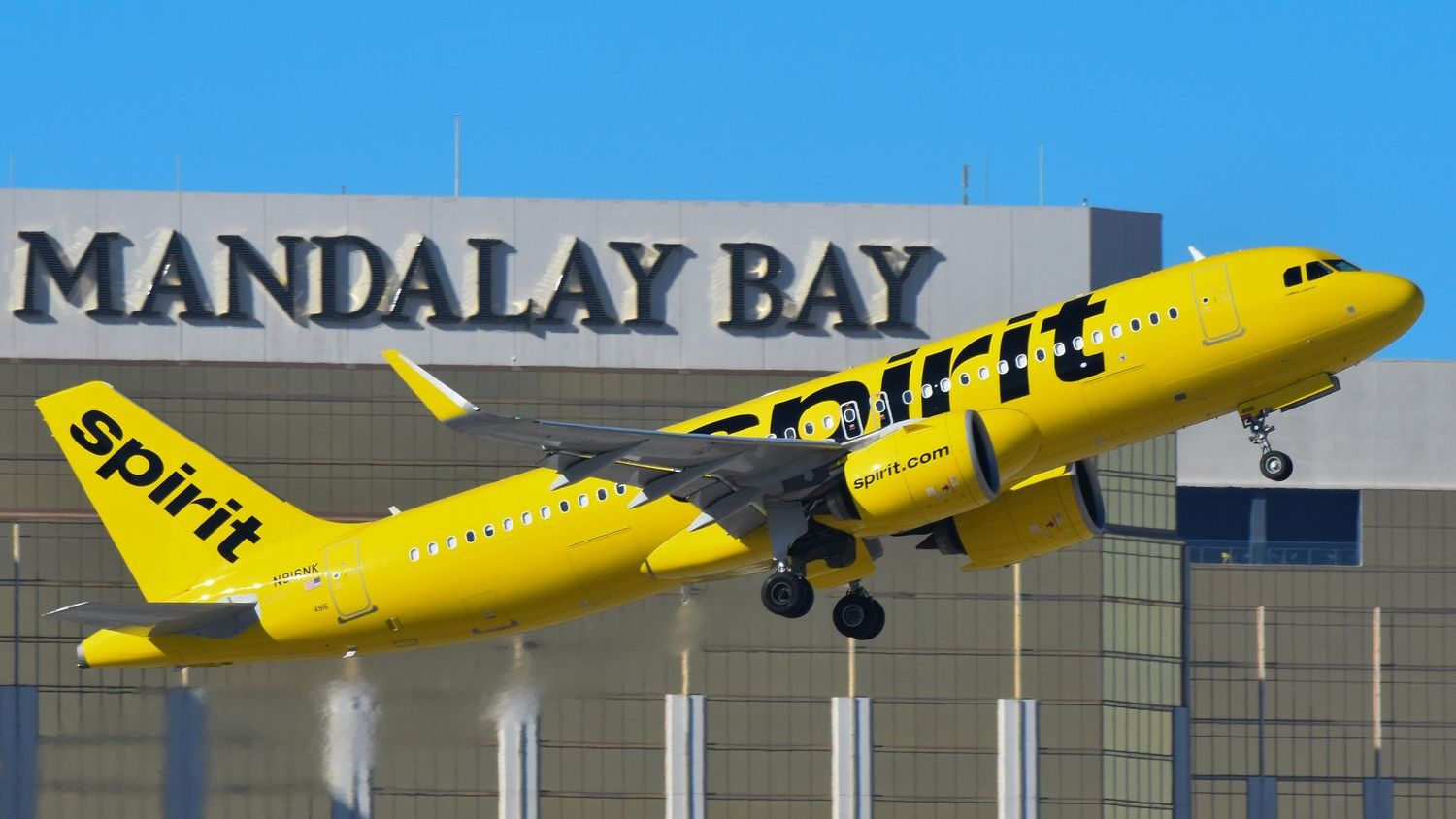
Spirit Airlines shutting down after failed effort at government rescue deal – Image for illustrative purposes only (Image credits: Unsplash)
Spirit Airlines, a staple for budget travelers flying in and out of Harry Reid International Airport, prepared to halt operations as early as 3 a.m. Eastern Time on Saturday after negotiations for a $500 million government rescue collapsed.[1][2] The failure stranded passengers across routes, including those bound for Las Vegas, amid the carrier’s ongoing bankruptcy proceedings. Bondholders rejected the deal terms, which would have given the government potential control of up to 90 percent of the company.[3]
Collapse of the Government Lifeline
The Trump administration pursued a bailout package worth $500 million in loans and funding, but opposition from key Spirit bondholders derailed the effort. These investors argued the terms would diminish their recovery prospects in a potential failure scenario. Internal divisions within the administration, including concerns over taxpayer funds, further stalled progress.[1]
President Donald Trump addressed the impasse directly. "We’re looking at Spirit and we’ll help them if we can, but we have to come first. America comes first," he told reporters on Friday.[2] Spirit CEO Dave Davis expressed gratitude for the administration’s involvement earlier in the process, noting the need to protect jobs and affordable fares. Yet escalating jet fuel costs, doubled since the U.S.-Iran conflict intensified, overwhelmed the carrier’s finances alongside years of losses exceeding $2.5 billion since 2020.[3]
Timeline for the End of Flights
Spirit Airlines entered Chapter 11 bankruptcy last August, its second filing in recent years, as it sought to restructure debt and operations. The airline continued selling tickets, even at deep discounts, through Friday while winding down preparations advanced. Operations remained normal as of late Friday afternoon, but liquidation of its fleet loomed without fresh capital.[1]
Reports pinpointed a potential full cessation around 3 a.m. ET on May 2, affecting all flights thereafter. This timeline allowed limited notice for passengers, many of whom booked for weekend getaways or Vegas trips. The carrier had already trimmed routes, focusing on hubs like Orlando and Detroit, but Las Vegas remained a key market for its low-fare model.[3]
Partner offer
Direct Hit to Las Vegas Passengers
Harry Reid International Airport handled numerous Spirit flights serving budget-conscious visitors to Las Vegas shows, conventions, and casinos. The impending shutdown canceled bookings automatically once operations stopped, disrupting travel plans for locals and tourists alike. Recent capacity cuts at LAS amplified the blow, as Spirit reduced flights by over 70 percent in some periods earlier this year.
Stakeholders faced immediate fallout. Employees risked job losses, numbering around 14,000, while passengers scrambled amid uncertainty. Competitors like American Airlines introduced fare caps on overlapping routes from LAS, and JetBlue and Frontier pledged support for rebooking stranded fliers.[3]
Navigating Cancellations, Refunds, and Rebooking
Affected travelers should first verify flight status via Spirit’s website or app before acting. Experts advised against proactive cancellations to preserve refund eligibility, as the airline must confirm the shutdown.[3] Once flights ended, credit card payments offered the strongest protection through chargeback disputes for undelivered services.
- Check payment method: Credit cards enable disputes; contact issuer with itinerary proof.
- Avoid debit or points: These yield weaker recovery options.
- Rebook alternatives: Use tools like Google Flights for nearby airports or flexible dates; watch for rescue fares from rivals.
- Insurance review: Standalone policies may cover if purchased pre-known risks; credit card benefits often exclude airline insolvency.
Travel analyst Henry Harteveldt urged patience: "If you’re holding a reservation for a flight on Spirit don’t proactively cancel it. Wait for the airline to announce it is shutting down."[3] The U.S. Department of Transportation outlined similar guidance, prioritizing credit card recourse in liquidations.
Broader Lessons from Spirit’s Fall
Spirit pioneered ultra-low fares in the U.S. since 2006, charging separately for extras, but competition, pandemics, and fuel spikes eroded viability. A blocked JetBlue merger in 2024 sealed deeper troubles. Now, with shutdown probable, the industry eyes asset sales and route absorptions.
For Las Vegas travelers, this underscores checking airline stability before booking bargains. Other low-cost options persist, but reliability gains priority. As details emerge Saturday, passengers must act swiftly to minimize disruption.
Partner offer
Planning a trip to Vegas?
Compare hotel rates and show tickets on VEGAS.com.