A first novel has to get past the most skeptical readers it will ever meet. Those readers are the agents and editors who open the envelope or the email and decide in a few pages whether to go on.
Some of the best known debuts of the last century nearly never reached shelves. Here are seven books that were rejected, abandoned or kept waiting before they found their audience.
Carrie by Stephen King
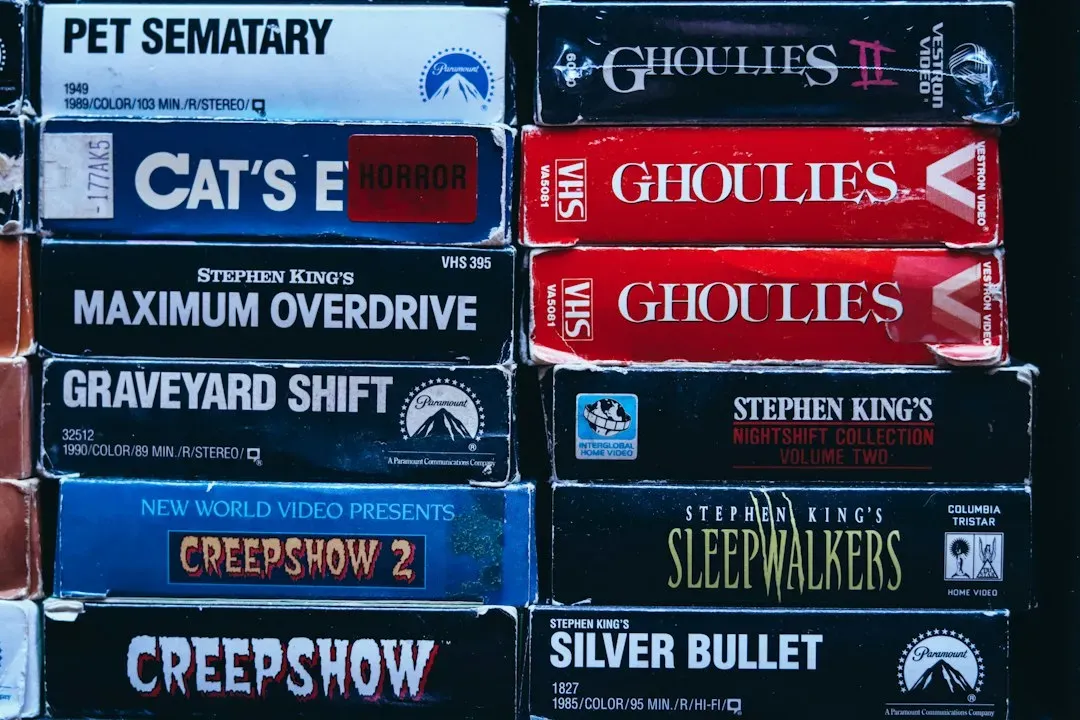
King began Carrie in the early 1970s while working as a teacher and living in a trailer. He grew unhappy with the opening pages and threw them in the trash. His wife, Tabitha, pulled the pages out and urged him to keep going.
Doubleday published the novel in 1974 with a modest advance of around two and a half thousand dollars. The paperback rights later sold for a much larger sum, reportedly four hundred thousand dollars. That deal let King leave teaching and write full time.
Harry Potter and the Philosopher’s Stone by J.K. Rowling
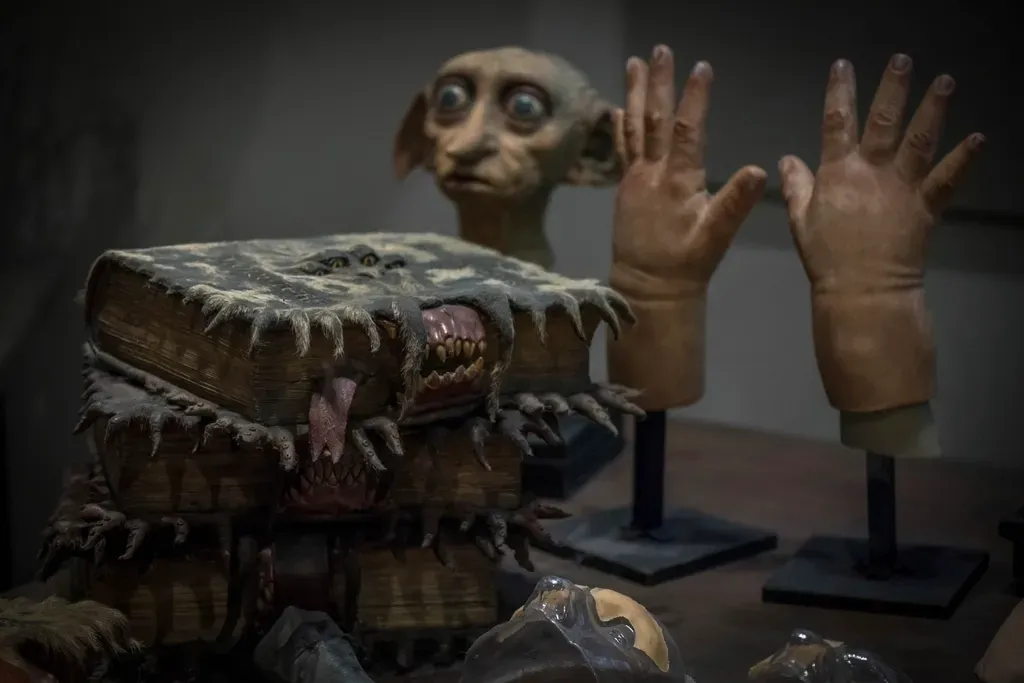
Rowling’s first book was turned down by about a dozen publishers before Bloomsbury took it. The small London house was run by Nigel Newton. By his account, he gave the opening chapter to his young daughter, who asked for more right away.
Bloomsbury paid a small advance of roughly two and a half thousand pounds and printed a modest first run in 1997. The series has since sold hundreds of millions of copies worldwide. Few debut advances look smaller in hindsight.
Lord of the Flies by William Golding

Golding’s story of schoolboys stranded on an island was rejected by a score of publishers, commonly cited as twenty one. One reader reportedly dismissed it as rubbish and dull. Golding was a schoolteacher at the time and had few connections in publishing.
Faber and Faber finally accepted it, and it appeared in 1954. Sales started slowly, but the book became a fixture on school reading lists. Golding later won the Nobel Prize in Literature in 1983.
A Time to Kill by John Grisham

Grisham wrote his first novel while working as a lawyer and serving in the Mississippi legislature. He often rose early to write before court. Publishers and agents turned the manuscript down many times, with the figures usually given as twenty eight publishers and sixteen agents.
Partner offer
A small house, Wynwood Press, finally printed it in 1989, with a first run of about five thousand copies. Grisham reportedly bought many of those copies himself and sold them from the trunk of his car. His second novel, The Firm, made him a household name, and the first book was reissued to far greater success.
The Help by Kathryn Stockett
Stockett spent around five years writing her novel about Black maids in 1960s Mississippi. She then collected rejections from agents for roughly three years. By her own widely repeated count, the total reached sixty.
The sixty first agent, Susan Ramer, agreed to represent her. The book was published in 2009 and spent a long stretch on bestseller lists. A hit film followed in 2011.
The Mysterious Affair at Styles by Agatha Christie
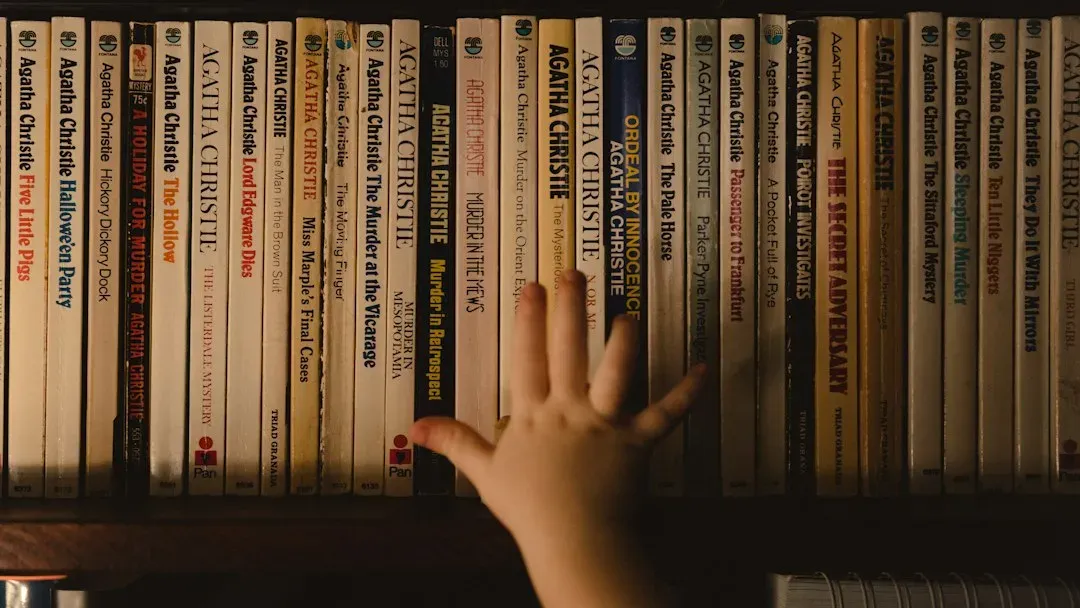
Christie wrote her first detective novel in the years around the First World War, partly on a dare from her sister. Several publishers declined it. One house, The Bodley Head, held on to the manuscript for a long time before offering a contract.
The book appeared in 1920 and introduced Hercule Poirot. The contract terms were tight enough that Christie later felt unfairly treated. Even so, the novel launched one of the most successful careers in crime fiction.
The Martian by Andy Weir

Weir’s route was different. Literary agents showed little interest in his science heavy survival story, so he posted it online a chapter at a time for readers who enjoyed the technical detail. Fans asked for an ebook, and he put it on Amazon at the lowest price allowed.
It climbed Kindle sales charts, which brought attention from a literary agent and then a print deal with Crown. The traditional edition came out in 2014. Ridley Scott’s film adaptation followed in 2015.
What These Seven Debuts Have in Common

Each book was turned down or delayed by gatekeepers at the start. In most cases, the author or one close reader kept the project alive. Tabitha King, a publisher’s young daughter and a crowd of online readers each played that part.
All seven books eventually reached print, and all of them went on to find large audiences. That was true whether the route ran through a major house, a tiny press or a free website.
Partner offer
Planning a trip to Vegas?
Compare hotel rates and show tickets on VEGAS.com.