Most listeners know the singer, the song title and maybe the producer. The people who actually played the parts often go uncredited, even when their work is the part you hum along to.
Two groups of studio musicians shaped much of 1960s pop. The Wrecking Crew worked in Los Angeles, and the Funk Brothers worked in Detroit for Motown. Here are six players from those circles whose playing is on records you’ve likely heard many times.
Hal Blaine, the Drummer Behind the Big Hits
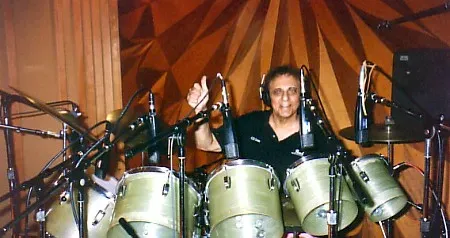
Hal Blaine is probably the best known Wrecking Crew name. His opening drum pattern on “Be My Baby” by the Ronettes is among the most copied beats in pop. He also played on records by the Byrds, the Beach Boys and Simon and Garfunkel.
He was inducted into the Rock and Roll Hall of Fame as a sideman in 2000. He died in 2019 at the age of ninety. Counts of his sessions vary, and the figures often repeated come largely from his own recollections, so the exact total is hard to verify.
Carol Kaye, the Bassist Who Played Everything
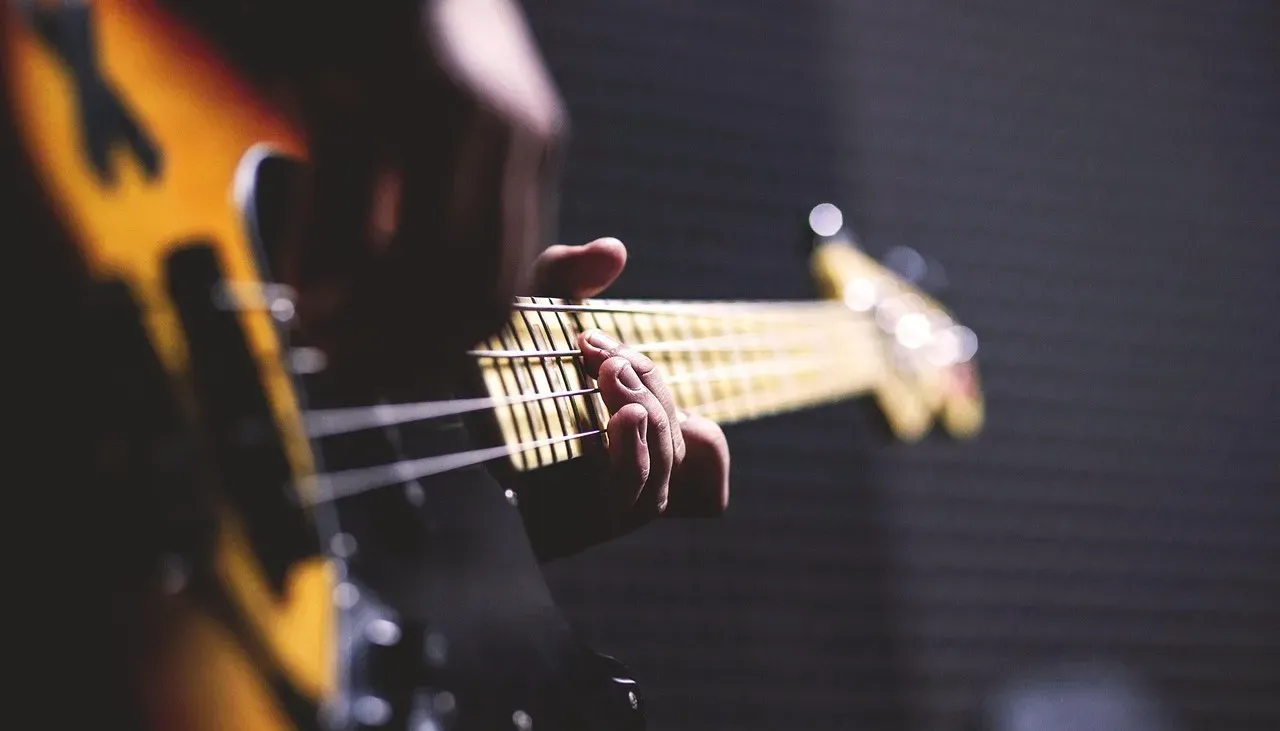
Carol Kaye started in jazz and moved into studio work in Los Angeles in the late 1950s. She became one of the most in demand bass players in town, and she is credited on the Beach Boys’ album Pet Sounds. Her work spans pop, soundtrack and television sessions.
She has said she played on thousands of sessions. As with many session musicians of that era, complete paperwork is scarce, so some individual credits are still debated by researchers. Her influence on electric bass playing is widely acknowledged all the same.
Tommy Tedesco, the Guitarist of a Thousand Styles

Tommy Tedesco was a guitarist known for switching styles quickly, which made him a favorite of busy contractors. He played on countless television and film scores, including the themes for Bonanza and Batman. Those jobs sat alongside pop and rock dates.
He died in 1997. His son, Denny Tedesco, directed the documentary The Wrecking Crew, which finally reached wide release in 2015 after years of music licensing delays. The film helped bring the group’s story to a much larger audience.
James Jamerson, the Motown Bass Line Architect
James Jamerson is widely regarded as one of the most influential bassists in popular music. At Motown he played on a huge share of the label’s hits, including “What’s Going On” by Marvin Gaye. His lines were melodic and syncopated, and they often worked as a second lead voice.
He was inducted into the Rock and Roll Hall of Fame as a sideman in 2000, and he died in 1983. For years his name was missing from many record sleeves. The 2002 documentary Standing in the Shadows of Motown helped correct that.
Benny Benjamin, the Backbeat of Hitsville
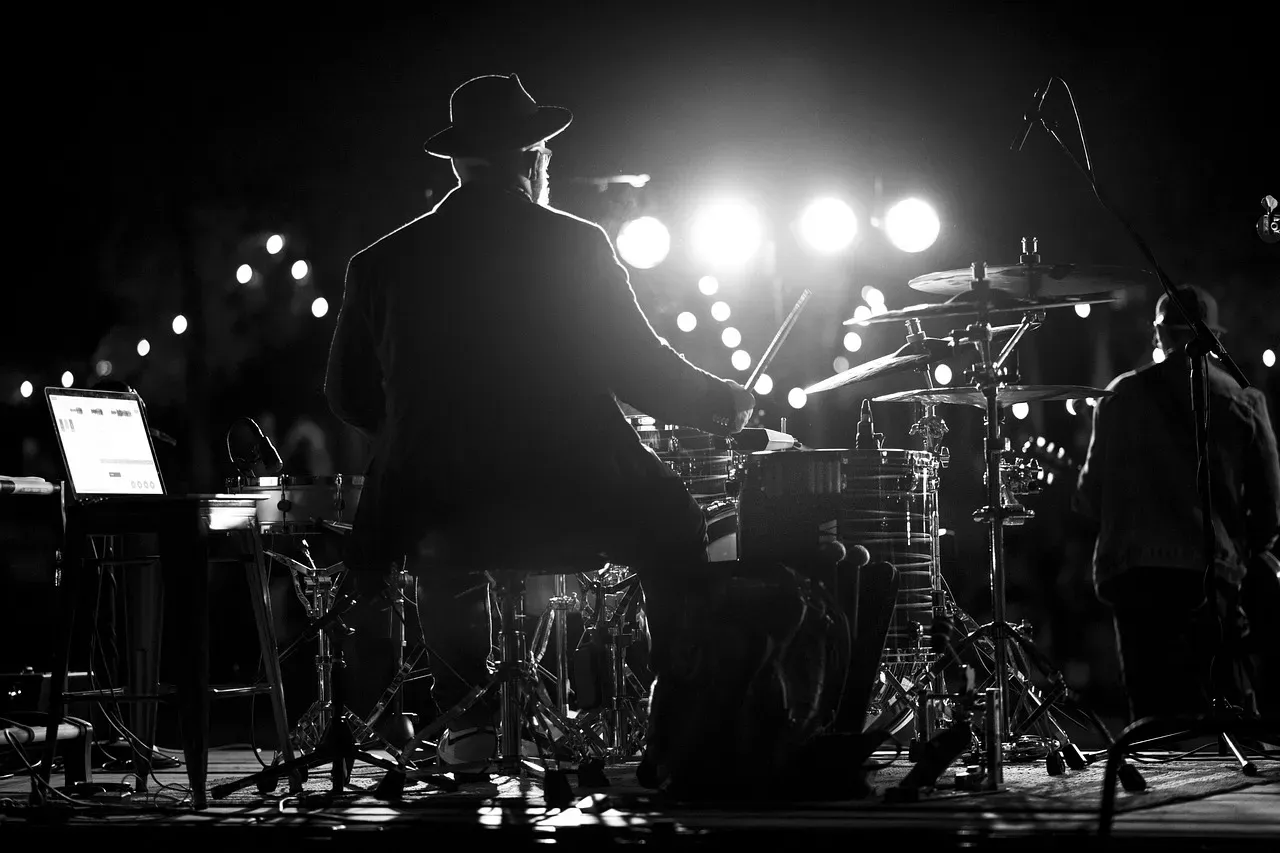
Benny Benjamin was one of the core drummers at Motown’s Hitsville studio in Detroit. His feel, a loose but driving backbeat, became part of the label’s signature sound. He often worked alongside Jamerson, and the two formed a rhythm section that other musicians still study.
Benjamin died in 1969, long before the Funk Brothers got broad public recognition. Later retrospectives and the Standing in the Shadows of Motown film placed him among the most important drummers of the era.
Earl Van Dyke, the Keyboardist Who Led the Band
Earl Van Dyke played keyboards on Motown sessions and is often described as the leader of the Funk Brothers. He had a jazz background, and he helped keep the studio band organized during the label’s busiest years. His piano and organ parts appear across many Motown recordings.
He also recorded under his own name with a group billed as the Earl Van Dyke Sextet. He died in 1992, before the documentary brought the band wider fame. His role as bandleader is a large part of why the Funk Brothers worked as a unit.
Where Their Work Is Still Heard
Many recordings these players made are still in steady circulation on streaming services and radio. Documentaries, reissues and Hall of Fame recognition have added names to the credits over the years. Some details, especially session counts, remain disputed because of incomplete records.
The Wrecking Crew documentary and Standing in the Shadows of Motown are the two main starting points for anyone who wants more. Both rely on interviews and surviving session material from the musicians themselves.