Watch a car flip across a highway or a fighter fall through a glass table, and you rarely think about who is inside the jacket. The face on the poster belongs to a famous actor. The body taking the hit often belongs to someone whose name scrolls past in the credits.
That has been the quiet bargain of stunt work for more than a century. In the last couple of years, though, the bargain has started to look different.
What a Stunt Double Actually Does
A stunt double stands in for an actor during action that is too dangerous, too physical, or too specialized for the star to perform. They’re matched to the actor’s height, build, movement, and wardrobe so the audience doesn’t notice the swap. Camera angles, hair, and costume do the rest.
Not every stunt performer is a double, though. Some play background fighters, drivers, or falling bystanders, and others specialize in one skill such as horses, water, or fire. Each job calls for its own training.
The Stunt Coordinator Behind the Chaos
Every big stunt starts as a plan on paper. The stunt coordinator breaks down the script, works out which moments need a performer, and decides how each one will be done safely. They hire the team, talk with the director, and sign off on the equipment.
On larger productions, the coordinator may also design the action sequences themselves. That design role is exactly what the Oscars have now chosen to honor, which we’ll come back to later.
A Craft with Deep Hollywood Roots
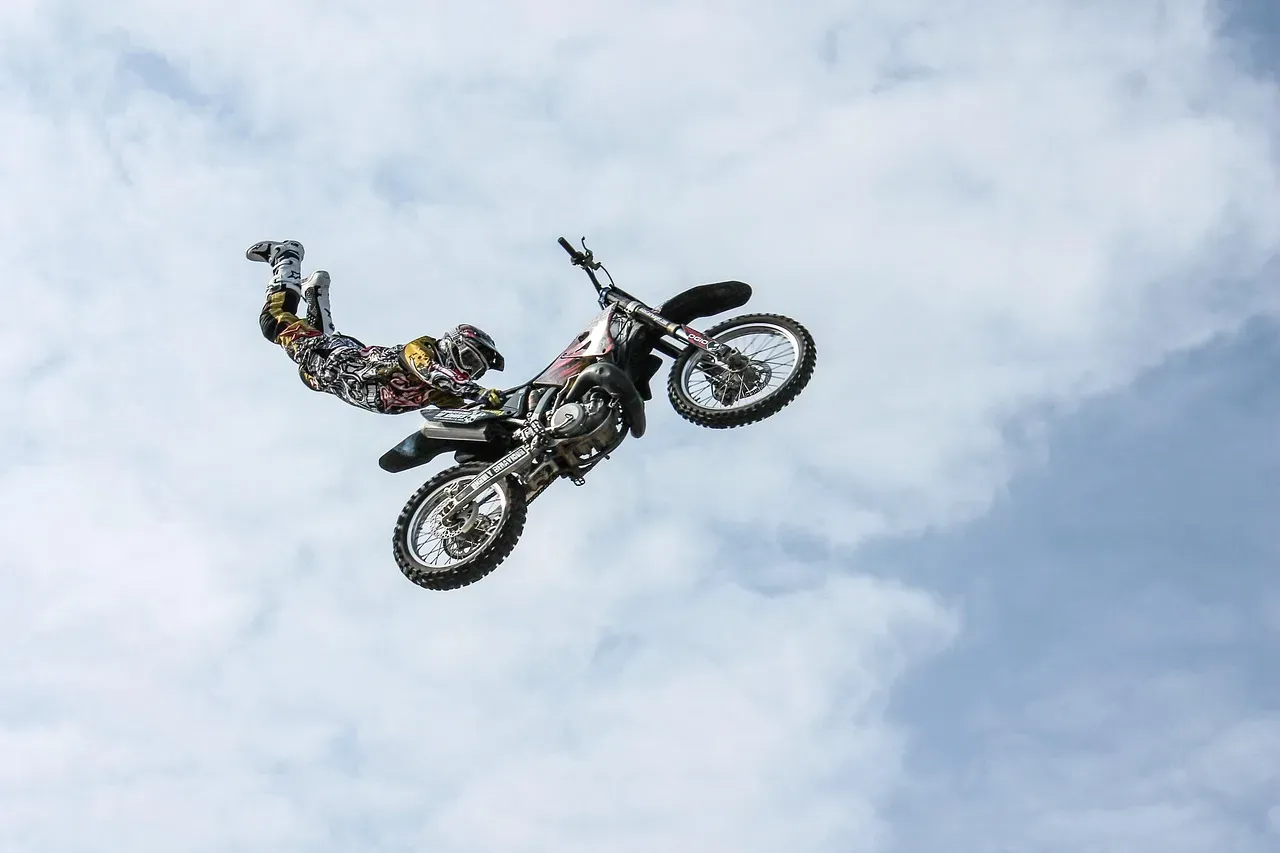
Stunt work is almost as old as the movies. Early silent film stars like Buster Keaton did their own risky gags, while Westerns turned horse falls and stagecoach chases into a specialty. Later, professionals built careers on doing the dangerous part so the studio’s leading man could stay on the call sheet.
Two of the field’s best known names, Yakima Canutt and Hal Needham, received honorary Oscars for their contributions. Those awards were exceptions, not a regular path to recognition.
How Stunts Are Made Safer

The glamour hides a lot of dull, careful preparation. Teams rehearse sequences at reduced speed, test rigs with weights or dummies, and use gear like air bags, harnesses, pads, and wire systems. Fire work involves protective gels and trained safety crews standing by.
Visual effects now help too. Digital tools can remove wires or blend a performer into a shot, so a stunt can be done at lower risk and still look dangerous on screen.
The Risks Haven’t Gone Away
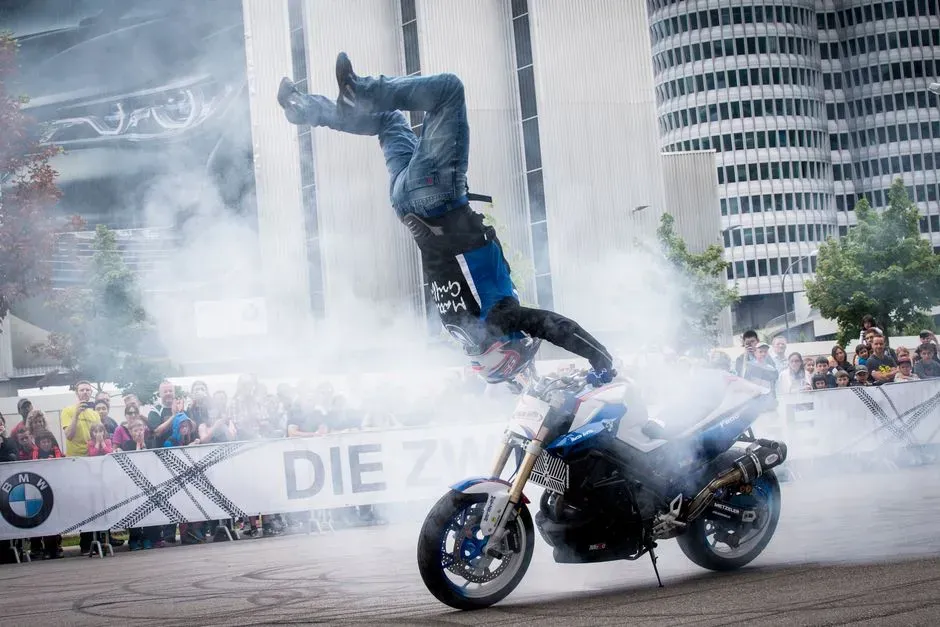
Even with planning, stunt work can go badly wrong. Fatal accidents on film sets, including the 2017 death of motorcycle performer Joi Harris during the filming of Deadpool 2, pushed the industry to look harder at training and oversight. Those cases are rare compared with the number of stunts performed, but they are never treated as acceptable.
Injuries are far more common than headlines suggest, and many performers say careers can be shortened by accumulated wear on joints and backs. It’s a physical job that asks for a lot of recovery time.
The Fall Guy Puts Stunts in the Spotlight
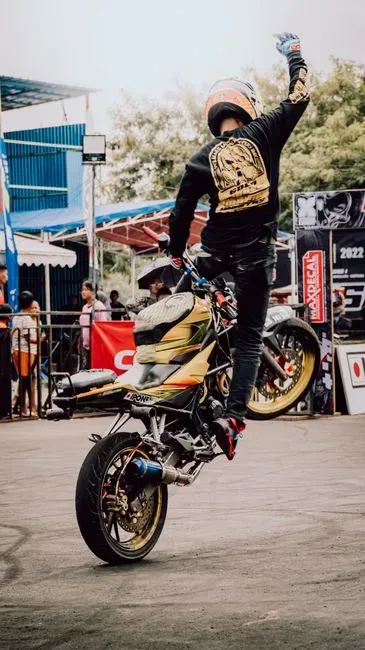
In 2024, the action comedy The Fall Guy, starring Ryan Gosling, gently poked fun at the lack of appreciation for stunt workers. The film was directed by David Leitch, a former stuntman who also made Bullet Train and Deadpool 2. Its story about a stuntman working on a big set made the profession part of the conversation.
The Academy’s openness to a stunt category was reported to have followed shortly after the movie’s release. Whether or not the film was the only spark, the timing was hard to ignore.
Stars Speak Up for Their Doubles
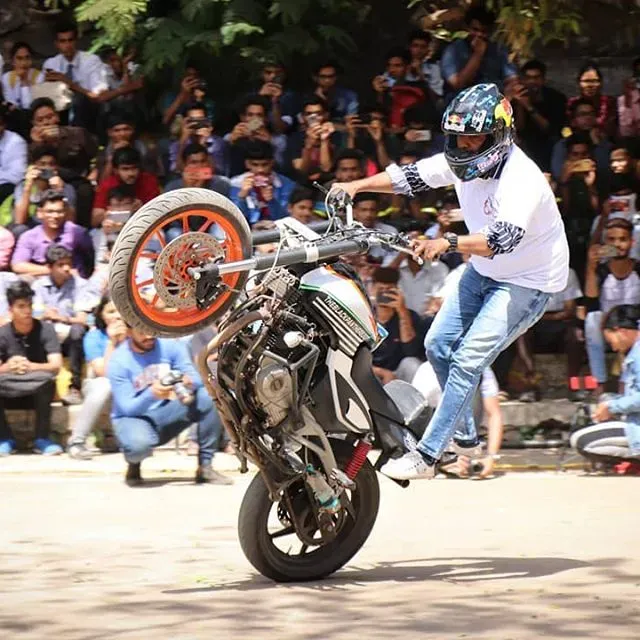
Some actors have been public about who does the hard work on their films. Ryan Reynolds, for example, posted an Instagram photo showing him in his Deadpool costume beside his stunt double Alex Kyshkovych. He used it to call on the Academy to recognize stunt performers.
Rolling Stone also noted that in 2019 there was even talk of an Oscars boycott among stunt performers. The frustration had been building for a long time.
Awards Catch Up to the Work
Recognition didn’t arrive all at once. The Screen Actors Guild Awards first introduced a similar category, outstanding performance by a stunt ensemble, in 2007. That gave stunt teams a regular spot on a major awards night, but the Oscars stayed out of it.
The Academy’s own membership already includes many people from the field. More than 100 stunt professionals are members of the Academy’s production and technology branch.
The Oscars Add Stunt Design
In April 2025, the Academy’s Board of Governors announced an annual competitive award for achievement in stunt design, beginning with the 100th Academy Awards in 2028 for films released in 2027. David Leitch led the initiative for the stunt community, and he and stunt coordinator Chris O’Hara of Stunts Unlimited made several presentations to the Academy.
The category will bring the total of competitive Oscars to 25, according to Variety’s reporting. Eligibility and voting rules for the inaugural award will be announced in 2027 with the complete 100th Academy Awards rules, so details such as who exactly can be nominated are still unsettled as of late 2026.