Cities are not silent. They hum, grind, pulse, and occasionally break open into something that spills onto record. The most powerful urban albums don’t just document a place – they conjure it. You hear a particular stretch of street, a particular decade of tension or hope, a particular way people moved through buildings and boulevards.
These ten records each attached themselves, almost permanently, to the cities that made them. Some were deliberate portraits. Others happened almost by accident. All of them changed what music could carry.
New York City – Miles Davis, Kind of Blue (1959)
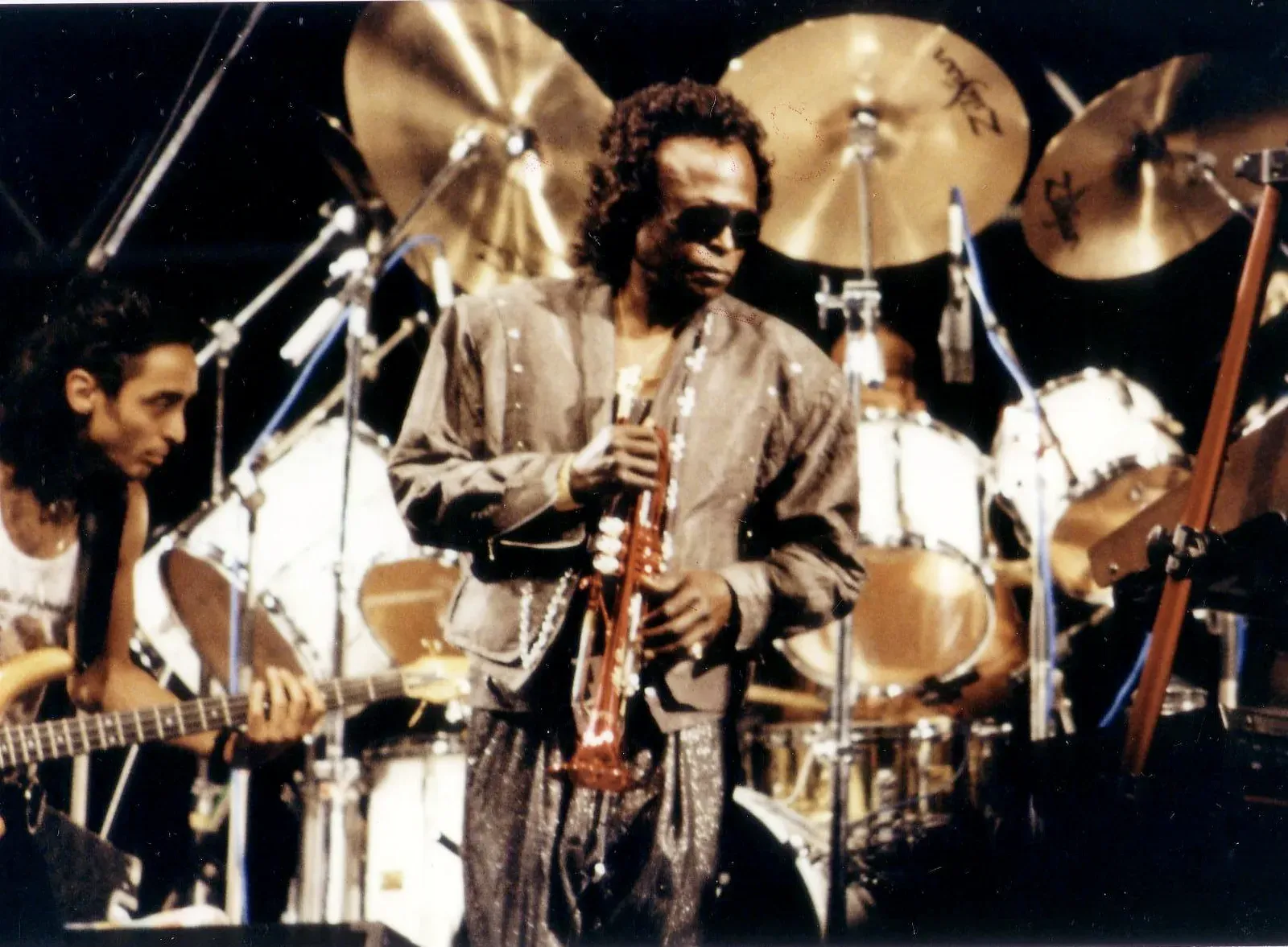
Originally from Illinois, Davis moved to New York in 1944, and by the time he recorded Kind of Blue at Columbia’s 30th Street Studio, he had assembled the band from the best musicians playing the city’s jazz clubs, including John Coltrane, Bill Evans, Cannonball Adderley, Jimmy Cobb, and Paul Chambers. Brainstormed with pianist Evans in Davis’s Upper West Side brownstone, the hip rhythms and pulses of the record presaged the next era in jazz.
Kind of Blue is, in many ways, the sound of New York thinking. The city’s restlessness, its layers, its capacity for cool under pressure all bleed through every track. The album forms part of a lineage that stretches from the city’s jazz clubs through punk at CBGB and onwards, reaching into doo-wop, folk, disco, soul, hip-hop, and indie, moving from Birdland to Studio 54, from the East Village to the Upper West Side.
London – The Clash, London Calling (1979)
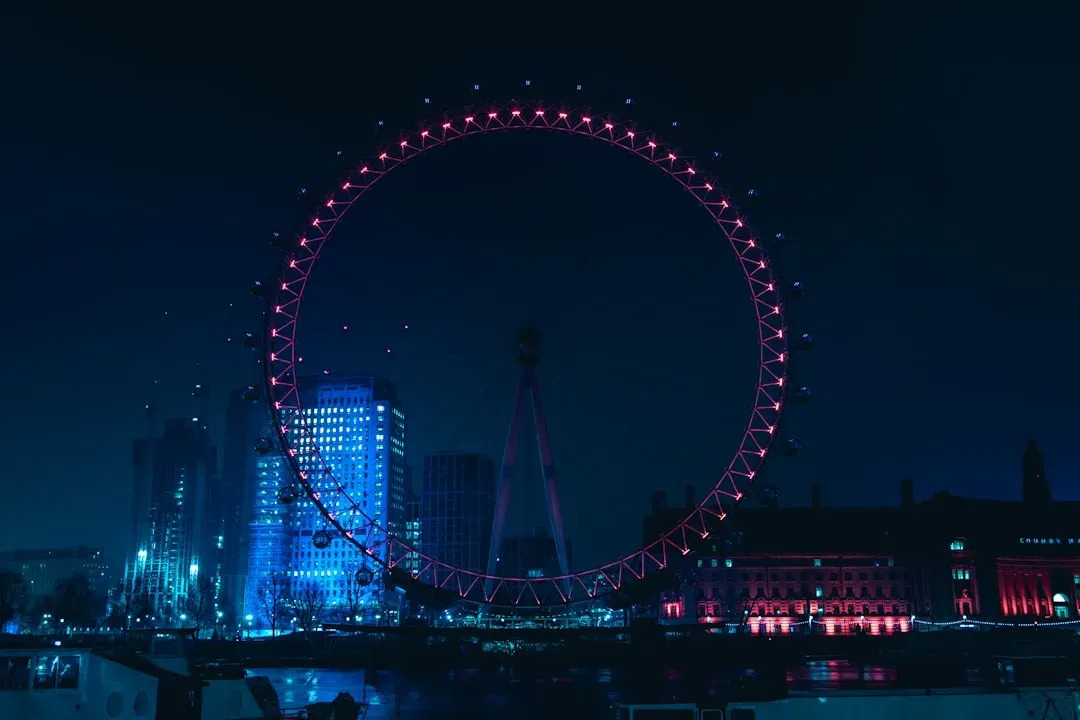
London Calling by The Clash is a sonic whirlwind that captured the restless energy and diversity of late 1970s London, fusing punk with reggae, ska, and rockabilly to reflect the city’s multicultural streets and turbulent politics. Songs tackled everything from unemployment to racial tension, turning the album into a protest as much as a party, and its iconic cover became a symbol of rebellion with a reach far beyond punk circles.
Critics have called London Calling one of the most influential albums ever, and it regularly tops “greatest albums” lists, with its mix of styles inspiring generations of British musicians to embrace experimentation. There’s something genuinely rare about a record that sounds like it could only have been made in one city, at one very specific moment of heat and fracture. This is that record.
Lagos – Fela Kuti, Zombie (1977)
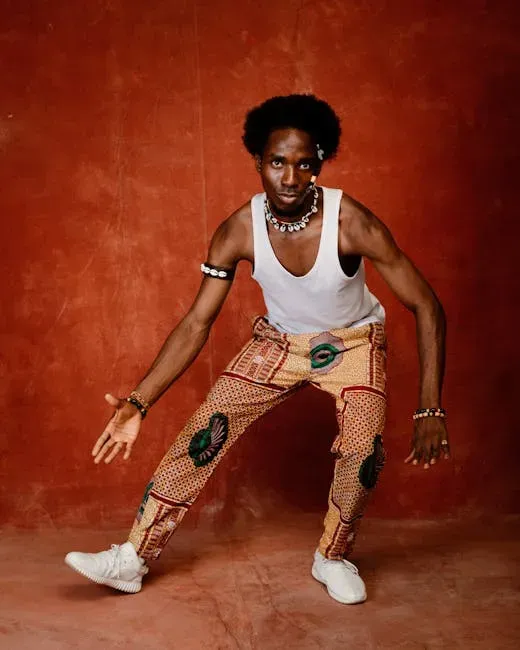
Released in 1977, Zombie is not just Afrobeat at its sharpest; it is one of the boldest collisions of rhythm and resistance ever pressed to vinyl. The album criticised the Nigerian government in direct terms, using the zombie metaphor to describe the methods of the military, and it is thought to have resulted in the murder of Kuti’s mother and the destruction of his commune.
The album was a hit with the people and infuriated the government, setting off a vicious attack on the Kalakuta Republic, during which a thousand soldiers attacked the commune, Kuti was severely beaten, and his studio, instruments, and master tapes were destroyed. Countless musicians would eventually catch up with the vision Kuti launched, as his ideas found their way into new sounds from jazz players, American rock acts like the Talking Heads, and new waves of Afrobeat revivalists – though the infectiousness of Afrobeat began with Fela.
Compton / Los Angeles – N.W.A, Straight Outta Compton (1988)
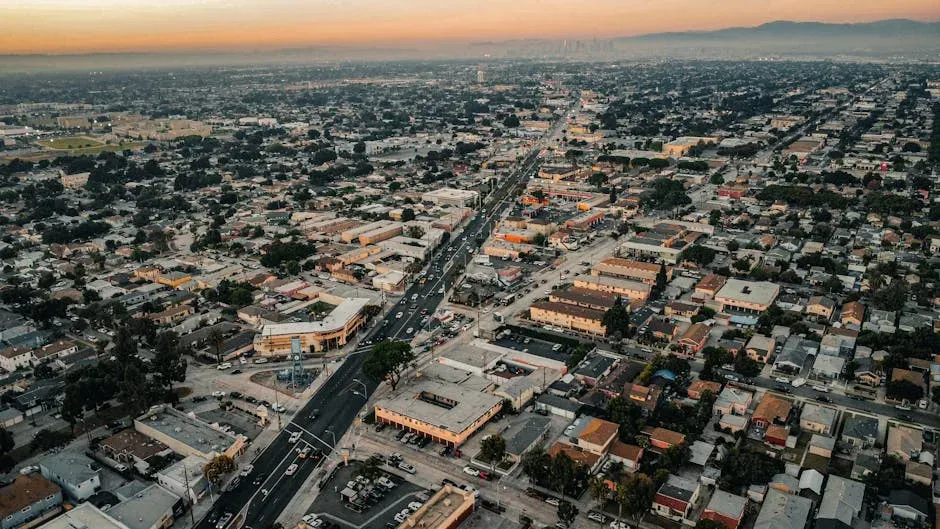
When N.W.A released Straight Outta Compton in August 1988, it marked a seismic shift in music, culture, and the way America viewed hip-hop, presenting a raw and unfiltered portrayal of life in the streets of South Central Los Angeles and forcing a conversation about race, police brutality, and systemic inequality. During most of the 1980s, New York City had remained the genre’s primary creative and commercial center, while the Los Angeles hip-hop scene largely reflected hip-hop’s dance-oriented origins, emphasizing DJs and DJ crews as its central figures.
Despite receiving minimal radio play, the album achieved significant commercial success, selling over one million copies and becoming the first gangsta rap album to earn platinum certification, as interest in the Los Angeles rap scene grew and a broader regional shift from dance-oriented to hardcore rap styles took hold. In 2016, it became the first rap album inducted into the Grammy Hall of Fame, and in 2017, it was added to the Library of Congress’ National Recording Registry for being culturally, historically, and aesthetically significant.
Chicago – Kanye West, The College Dropout (2004)
The College Dropout was Kanye West’s bold debut and it put Chicago’s soulful, thoughtful brand of hip-hop on the map; instead of the hard-edged gangsta rap dominating the charts, West brought lush, gospel-sampled beats and lyrics about faith, family, and ambition that resonated with listeners tired of hip-hop clichés, praised for its vulnerability and wit. The album earned multiple Grammy nominations and went triple platinum, with West’s style redefining what hip-hop from Chicago could sound like – introspective, innovative, and deeply personal.
Partner offer
The story of Chicago music is one primarily told through its Black artists, from gospel and blues up through soul, house, and hip-hop – from the jazz clubs to the dance clubs. The College Dropout arrived as a kind of thesis statement for a new chapter of that story. It didn’t abandon the past so much as it reframed everything that Chicago had been carrying, quietly, for decades.
Detroit – The White Stripes, Elephant (2003)
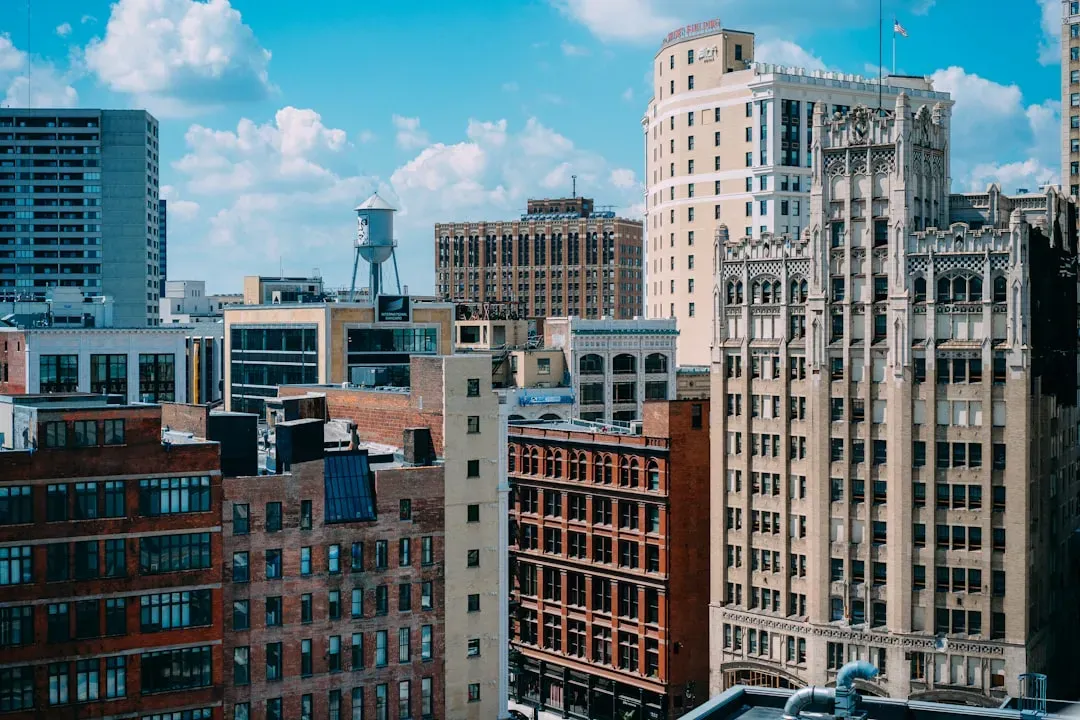
The White Stripes’ Elephant roared onto the scene with a raw, back-to-basics energy that felt unmistakably Detroit, as Jack and Meg White stripped rock down to its essentials, channeling the city’s industrial past and blues legacy into every riff. The album’s gritty, minimalist style resonated with Detroit’s image as a tough, no-nonsense town, and Elephant won the Grammy for Best Alternative Music Album, acknowledging its impact far beyond the city limits.
The record’s success revived garage rock and brought Detroit rock back into the spotlight, inspiring a wave of new musicians, and for many, Elephant stands as the sound of Detroit’s resilience – rough, bold, and unafraid to make noise. That combination of stripped-back production and sheer emotional volume matched the city’s own stubborn insistence on surviving.
Paris – Daft Punk, Discovery (2001)
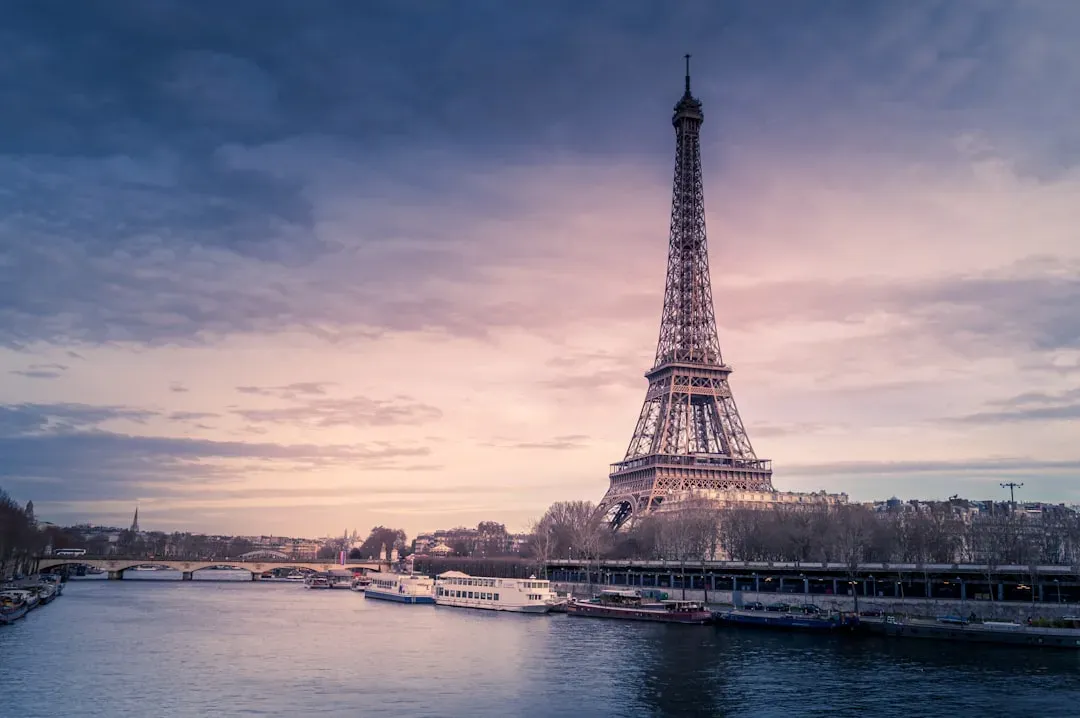
Discovery by Daft Punk is the sound of Paris reimagined for the digital age, as its shimmering synths, robotic vocals, and playful samples brought French house music to a global audience, with tracks turning dance floors into euphoria-filled celebrations that blended retro influences with futuristic flair. Discovery’s sleek production and catchy melodies earned critical acclaim and massive commercial success, helping define the “French touch” sound, and its influence can be heard in pop, hip-hop, and electronic music around the world.
Paris has long occupied a unique cultural position – elegant but also restless, shaped by both tradition and a quietly subversive modernity. Daft Punk understood that duality intuitively. Discovery embodies Paris’s blend of elegance, innovation, and cool – timeless yet always ahead of the curve.
Tokyo – Tatsuro Yamashita, For You (1982)
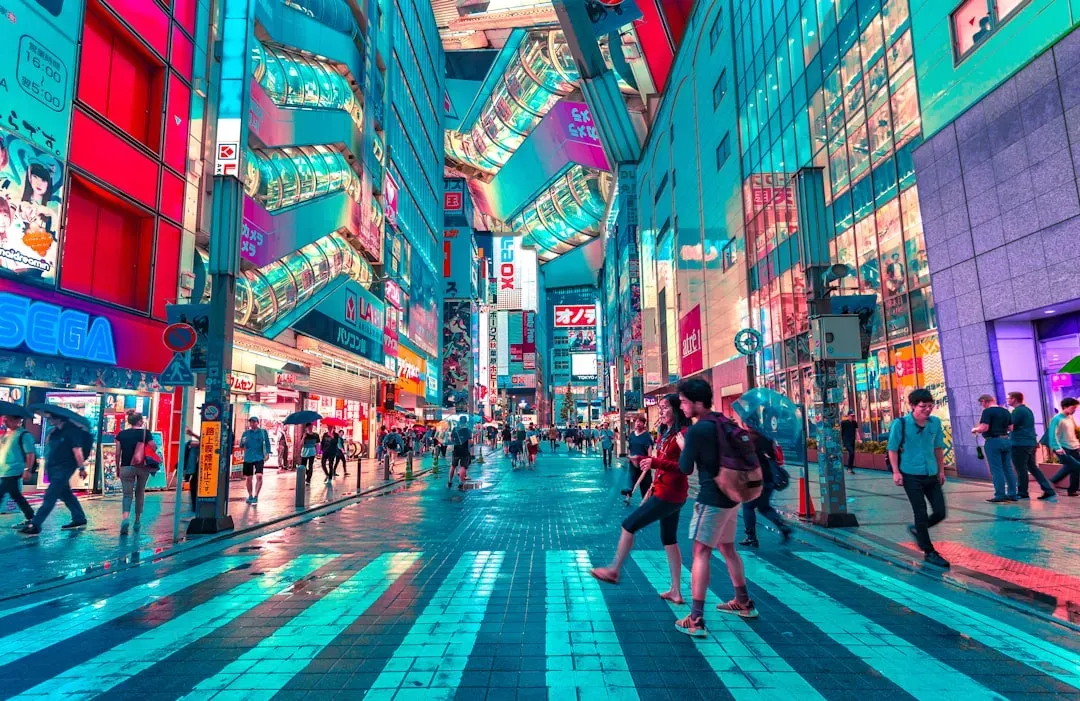
City pop became a distinct regional genre that peaked in popularity during the 1980s, and For You sits at the very top of that genre’s legacy. The singer-songwriter Tatsuro Yamashita, one of the most successful city pop artists, is sometimes called the “king” of city pop, and For You, his fifth studio album, captures Tokyo during an era of economic confidence and neon-lit leisure like no other record before or since.
Many of city pop’s biggest acts sought to channel the sounds of California into their jazzy, soft-rock radio songs, adorning their albums with imagery of vintage cars cruising along the coastline against impossibly blue skies. Japanese technologies including the Walkman, cars with built-in cassette decks and FM stereos, and various electronic instruments were deeply intertwined with the genre, making For You feel less like an album and more like an entire experience of late-night Tokyo in motion. Its recent global rediscovery through streaming platforms has only deepened its reputation.
New Orleans – The Meters, Rejuvenation (1974)
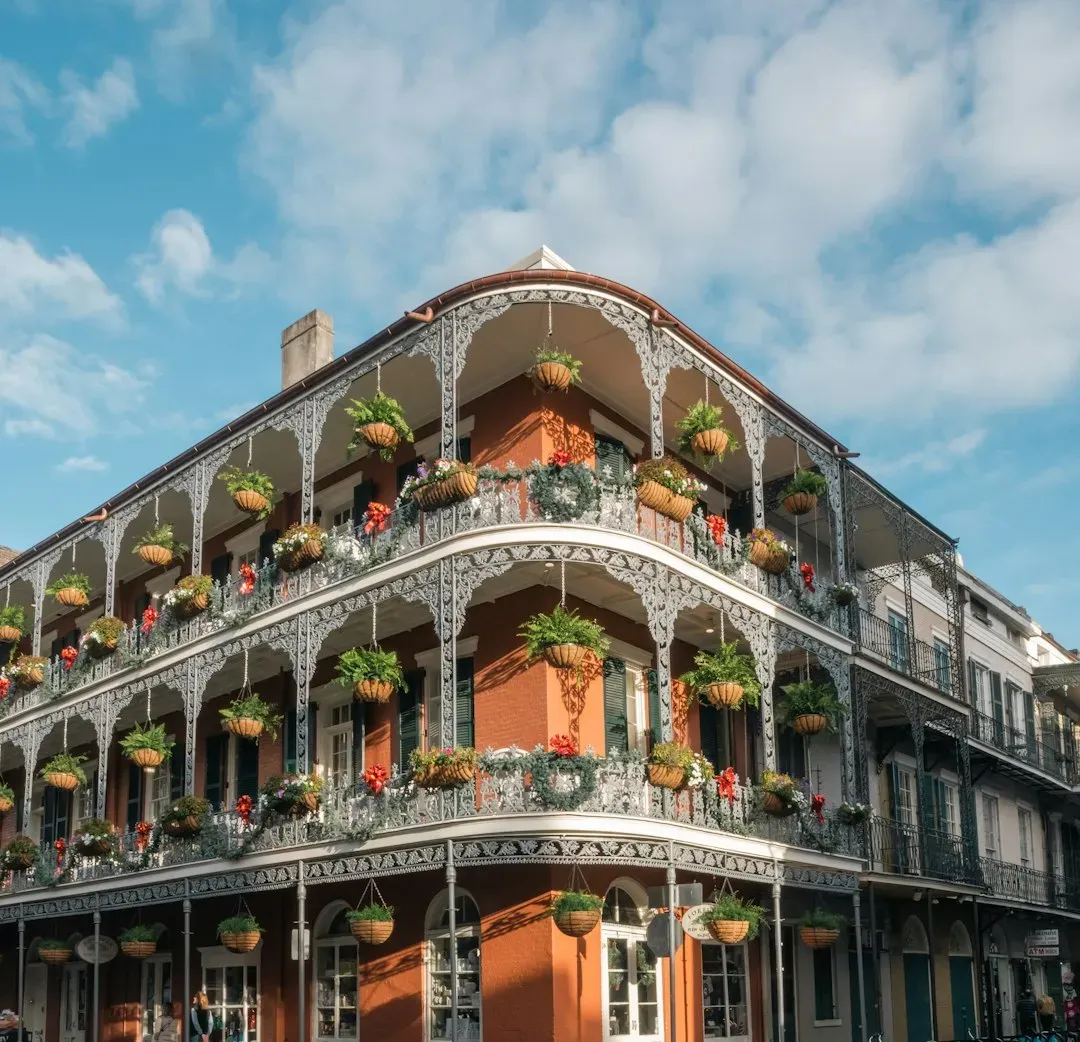
Rejuvenation became a blueprint for funk musicians everywhere, with its influence heard in the work of everyone from the Red Hot Chili Peppers to hip-hop producers, and the album captures the energy and flavor of New Orleans, where music spills out of every doorway – pure Crescent City soul, joyful, earthy, and impossible to resist. The Meters had been the city’s most reliable rhythm engine for years, and this record was the fullest expression of everything they’d built.
New Orleans occupies a strange and singular place in American music: it exists slightly outside time, drawing on African, Caribbean, and European traditions simultaneously. Rejuvenation never tries to explain that. It simply sounds like the city on a warm evening, when the second-line parade has just passed and the street hasn’t stopped moving yet. Few albums feel this tied to a specific piece of ground.
Minneapolis – Prince, Purple Rain (1984)
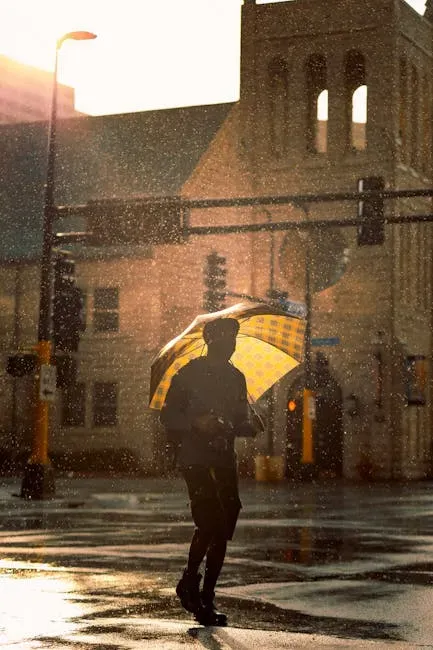
Purple Rain isn’t just an album; it’s a phenomenon that transformed Minneapolis into a global music destination. Before Prince, the city was not the first name anyone invoked in conversations about pop music. After this record, it became permanently inseparable from his vision – a vision of something that managed to be futuristic and deeply soulful at the same time, drawing on rock, funk, R&B, and pop without belonging fully to any of them.
The album’s commercial success was extraordinary, spending nearly half a year at the top of the Billboard 200 and winning two Academy Awards. More than any chart figure, though, what it gave Minneapolis was mythology. The city had always had a creative underground; Purple Rain pulled it, briefly and magnificently, into the full light of global attention. That kind of transformation doesn’t happen by calculation. It happens when an artist and a moment are exactly the right fit.
Partner offer
Planning a trip to Vegas?
Compare hotel rates and show tickets on VEGAS.com.