Fame looks deceptively simple from the outside. You see the awards, the glossy magazine covers, the red carpet moments that trend for days. What you don’t see is everything that sits just behind all of that, the stuff that doesn’t make it into the highlight reel. Over the years, a remarkable number of well-known actresses have, in quiet interviews or candid offhand remarks, acknowledged a side of celebrity life that feels less like a reward and more like a tax.
These aren’t complaints from people who don’t appreciate their success. Most are simply honest reflections from women who found that certain parts of being famous felt uncomfortable, intrusive, or genuinely exhausting. Here are eight things that come up again and again.
The Complete Disappearance of a Private Life
Being recognized for one’s work can be incredibly rewarding, but fame often comes at the cost of privacy. High-profile actresses find themselves under constant surveillance from paparazzi and fans, with every aspect of their lives, from romantic relationships to daily errands, becoming fodder for public consumption. What sounds like a minor inconvenience on paper can feel suffocating in practice.
Penélope Cruz, an Academy Award-winning actress who has faced intense media scrutiny in both Spain and the United States, has expressed that the lack of privacy is the hardest part of her professional life. This constant scrutiny can create a sense of confinement within celebrity status, making performers feel compelled to perform at all times, even in their everyday lives.
The Way Fame Bleeds Into Family Life
The impact of public attention extends beyond actresses themselves, touching the lives of their families and friends. Relatives and close associates often find themselves dragged into the spotlight, their privacy infringed upon without consent. Relationships can be strained as the dynamics shift under the weight of public scrutiny.
Penélope Cruz makes a concerted effort to keep her children out of the public eye specifically to give them a normal upbringing. Researchers have noted that due to the circulation of celebrity children’s photos, the media leads the public to establish a pseudo-relationship with them, and this public imagination, combined with the potentially constant presence of paparazzi, has been seen as having the potential to threaten the privacy of celebrity children. It’s one thing to sign up for the spotlight yourself; it’s another when your children are pulled into it without a choice.
Relentless Body Scrutiny and Impossible Beauty Standards
Female stars in particular often face harsher judgment, with their appearance, behavior, and personal choices scrutinized through a lens of patriarchal expectations. The pressure to maintain a certain physical appearance, often based on narrow and unattainable ideals, can lead to body image issues, eating disorders, and a constant sense of inadequacy.
Celebrities face intense public scrutiny on social media, where comments about their appearance can be harsh and negative, further contributing to body image issues. Negative comments about their appearance can damage celebrities’ self-esteem, leading to feelings of inadequacy. Many actresses have described this particular pressure as one that never fully goes away, regardless of how established their career becomes.
The Mental Health Toll That Nobody Warns You About
Many public figures encounter significant mental health struggles rooted in public scrutiny, high expectations, and the persistent loss of privacy. Being a celebrity often involves relentless attention and judgment. Every action, word, or appearance can be publicly analyzed or criticized. Over time, this pressure can lead to persistent symptoms of anxiety and depression.
Selena Gomez started her career on the Disney Channel and became a global pop and film icon. She has spoken candidly about how fame has negatively impacted her mental health and her battle with lupus. The actress has often felt that her personal life and relationships are treated as tabloid fodder rather than private matters. According to The Guardian, roughly six in ten actors experience anxiety. That is not a trivial number.
Forced PR Cycles and the Pressure to Perform Off-Screen
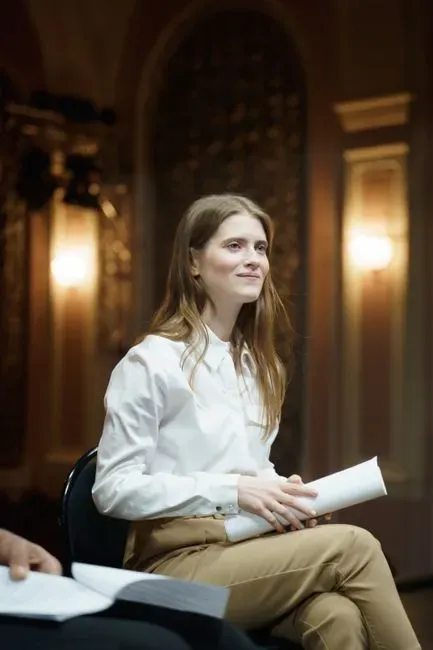
The entertainment industry often relies on carefully constructed public relations campaigns to maintain the visibility of its stars. Some actresses choose to reject these manufactured narratives in favor of personal authenticity and professional integrity. These individuals have spoken out against staged publicity and the pressure to conform to media expectations for the sake of fame.
Keira Knightley has been open about the psychological toll that the paparazzi and PR cycles took on her early in her career. Following her success in “Pirates of the Caribbean,” she refused to engage in the typical celebrity lifestyle and took a break from the spotlight. She has criticized the way the media expects female stars to behave in a certain way to sell tickets. The exhaustion of performing a version of yourself that doesn’t quite fit is something many actresses have described quietly, when the cameras aren’t rolling.
Stalking, Security Fears, and the Loss of Feeling Safe
Privacy is also a matter of safety. In an era where stalking and invasive behavior have become distressingly prevalent, the spotlight on public figures amplifies these risks exponentially. Constant scrutiny and invasion of personal space not only compromise celebrities’ mental well-being but also pose tangible threats to their safety and that of their loved ones.
Sandra Bullock is one of the most beloved actresses in Hollywood but has also faced significant personal trials in the public eye. She has spoken about the trauma of having a stalker and the fear that comes with being a recognizable figure. The actress values her privacy above all else and goes to great lengths to protect her children from the media. Pursuing criminal action against stalking or harassment is also inadequate for celebrities. Celebrities and their fans often have a parasocial relationship that makes seemingly normal or rational actions dangerous and even deadly.
The Discomfort of Red Carpet Events and Press Junkets
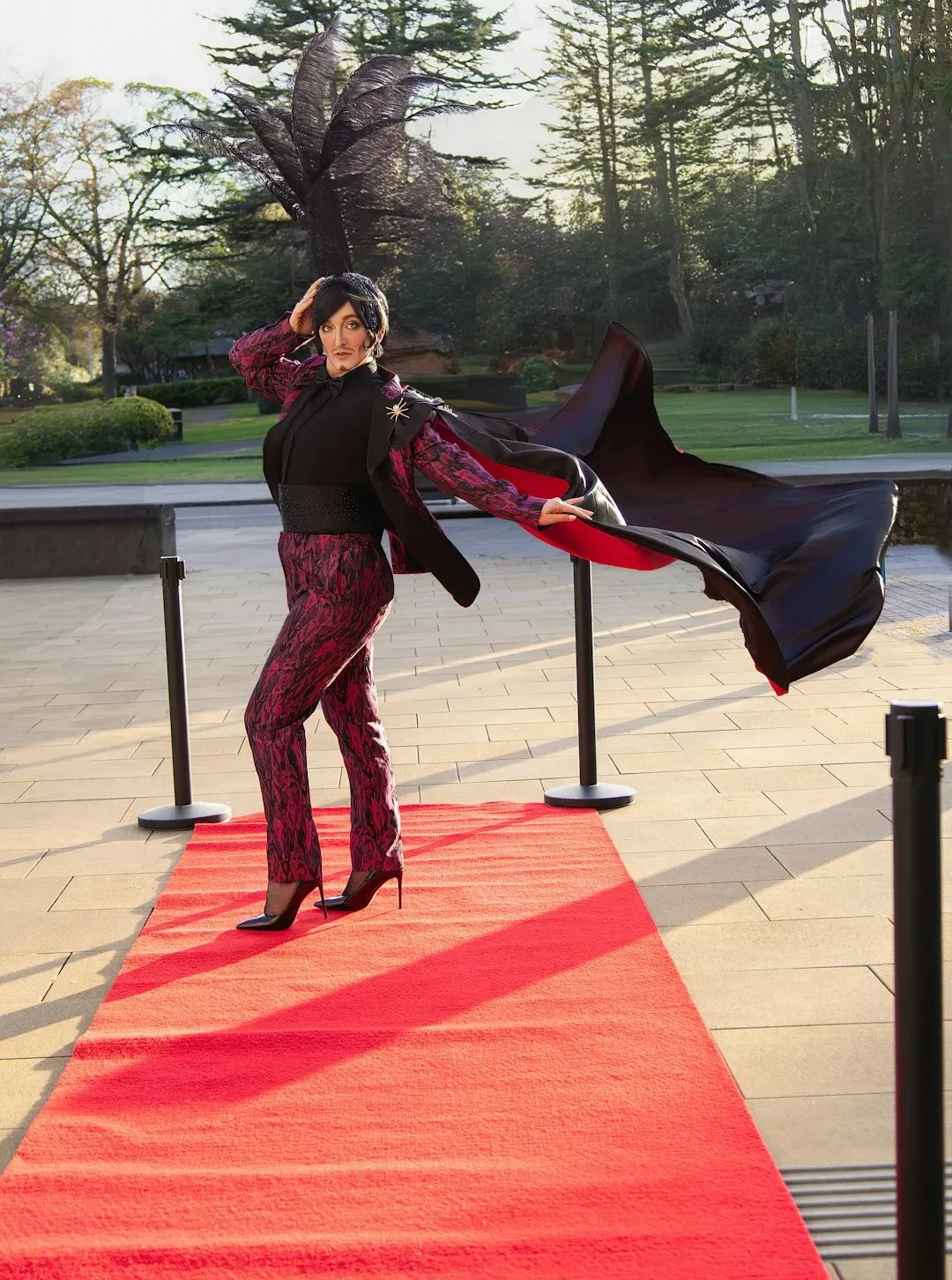
Rooney Mara, known for her intense roles in films like “The Girl with the Dragon Tattoo,” is notoriously shy in real life. She dislikes red carpet events and interviews and prefers to let her work stand on its own. Frances McDormand is an acclaimed actress who actively dislikes the concept of celebrity and stardom. She avoids press junkets whenever possible and does not sign autographs or take photos with fans.
From the red carpet to social media, every move and action is scrutinized by fans, media, and industry professionals. The smallest misstep can result in negative publicity and harm an individual’s career. This pressure can have a significant impact on an individual’s mental health and well-being. For many actresses, the promotional machine that surrounds every film feels like an obligation that has very little to do with the actual craft they love.
Social Media as an Obligation That Feels More Like a Trap
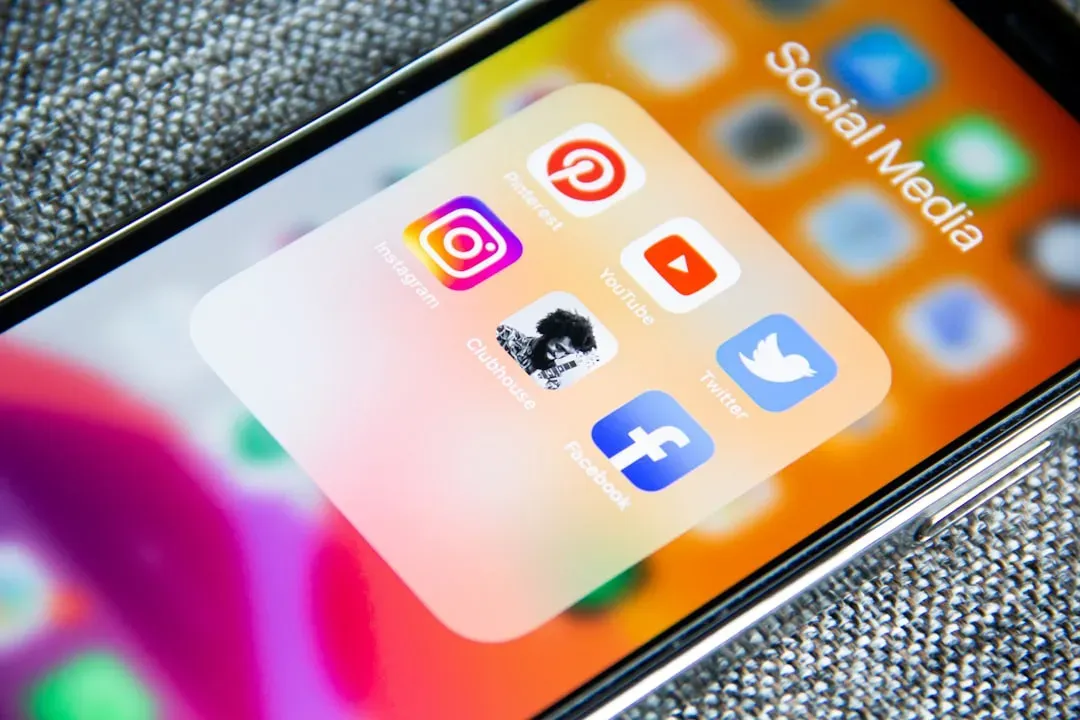
The rise of social media has complicated the celebrity landscape considerably, providing stars with direct channels to engage with fans but also exposing them to relentless trolling, harassment, and invasive speculation. Platforms designed for connection often become battlegrounds of public opinion, where personal boundaries are routinely crossed and misinterpretations amplified.
Social media platforms provide an opportunity for celebrities to interact directly with their fans and promote their work, but they can also be a source of stress and anxiety. Entertainers are often criticized for everything from their fashion choices to their political beliefs. Negative comments and online bullying can take a toll on an individual’s mental health, leading to anxiety and depression. Cate Blanchett, for her part, often discusses her dislike for social media and the invasive nature of modern fame. It’s telling when someone at the peak of the industry views the tools meant to sustain visibility as something to push back against rather than embrace.
What connects all eight of these things is something surprisingly simple: the gap between what fame promises and what it actually delivers in daily life. The work itself, the craft of acting, rarely makes this list. It’s everything built around the work that wears people down. That distinction, quiet but consistent across so many different women in different eras of the industry, probably says more about the nature of celebrity than any awards season highlight reel ever could.