Some albums just give you a collection of songs. Others build a world, hand you a protagonist, and drag you through heartbreak, war, addiction, rebellion, or resurrection before the final track fades out. A truly great concept album does something most two-hour movies struggle to pull off: it makes you feel like you lived inside someone else’s story, one track at a time, with no cuts and no CGI budget required.
What follows is a tour through ten records that treat songwriting like screenwriting. Some were built around comic books, others around dystopian futures or a single terrible day in a dangerous neighborhood. All of them prove that a strong narrative doesn’t need a script, just the right chords and a vision nobody was willing to compromise on.
The Who – Tommy (1969)

Long before rock operas were a common pitch, Pete Townshend built an entire mythology around a boy struck deaf, dumb, and blind after witnessing something traumatic, who somehow becomes a pinball champion and eventually a spiritual leader. It sounds absurd on paper, and in some ways it is, yet the record commits so fully to its own logic that listeners have been arguing over its meaning for over five decades. Tommy essentially invented the template every double-album concept record since has borrowed from.
What makes it endure isn’t just the ambition, it’s the way the story unfolds through actual character voices, from the abusive relatives to the cult of pinball worshippers who eventually turn on their messiah. The record was adapted into a film, a Broadway musical, and countless stage productions, which says something about how visual the songwriting always was. Few albums from that era still feel this theatrical when you put them on today.
Pink Floyd – The Wall (1979)
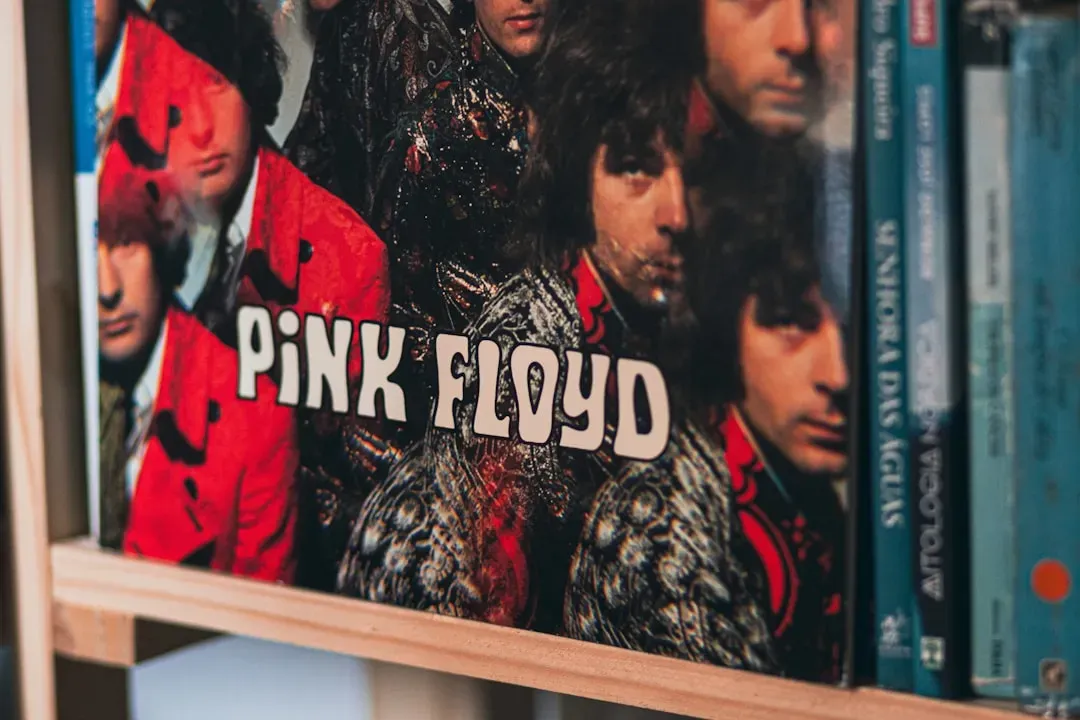
Roger Waters built The Wall around Pink, a rock star crumbling under the weight of childhood trauma, an overprotective mother, a distant war-torn father figure, and the crushing isolation of fame. The record traces his mental collapse brick by brick, quite literally, as each painful memory adds another layer to the metaphorical wall he builds around himself. It’s bleak, theatrical, and unapologetically dramatic in a way few rock albums have matched since.
The 1982 film adaptation, directed by Alan Parker, leaned into the album’s cinematic bones so heavily that many fans consider the movie and the record inseparable experiences. Songs like “Another Brick in the Wall” became cultural shorthand for institutional rebellion, but the deeper cuts carry the emotional plot, tracing Pink’s descent into a self-imposed trial where he judges his own humanity. Few concept records manage to be both a personal breakdown and a broader statement on war and conformity at the same time.
David Bowie – The Rise and Fall of Ziggy Stardust and the Spiders from Mars (1972)
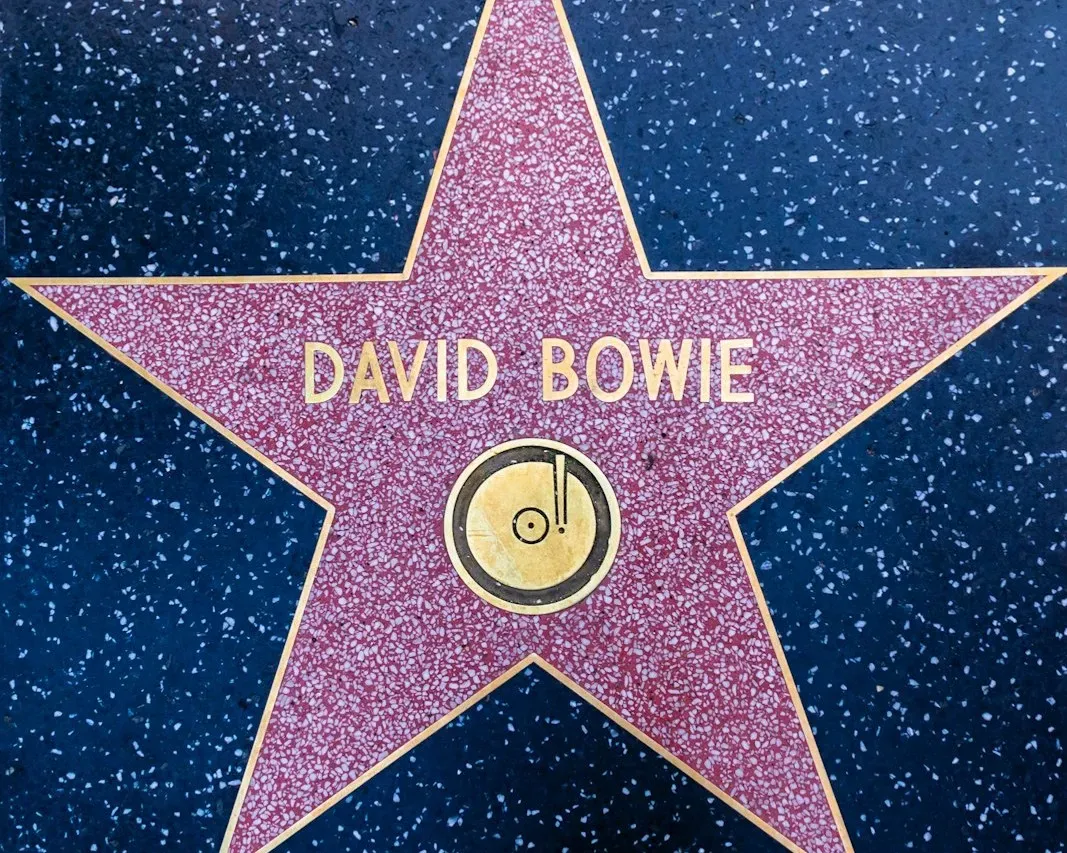
Bowie didn’t just write songs about an alien rock messiah, he became him, touring as Ziggy Stardust in full glam regalia and blurring the line between performer and character in a way that felt genuinely unsettling at the time. The album follows Ziggy’s arrival on a dying Earth, his meteoric rise as a rock star, and his eventual implosion under the weight of ego and adoration. It’s a warning about fame dressed up as science fiction, delivered with some of the most iconic guitar hooks of the decade.
The genius of the record is how loosely it tells its story, letting mood and texture carry the narrative as much as the lyrics do. Bowie later admitted the plot was intentionally fragmented, which somehow made the mythology grow larger in fans’ imaginations rather than smaller. Decades later, Ziggy remains one of the most referenced fictional rock stars in music history, proof that ambiguity can be just as powerful as a tightly plotted script.
Genesis – The Lamb Lies Down on Broadway (1974)
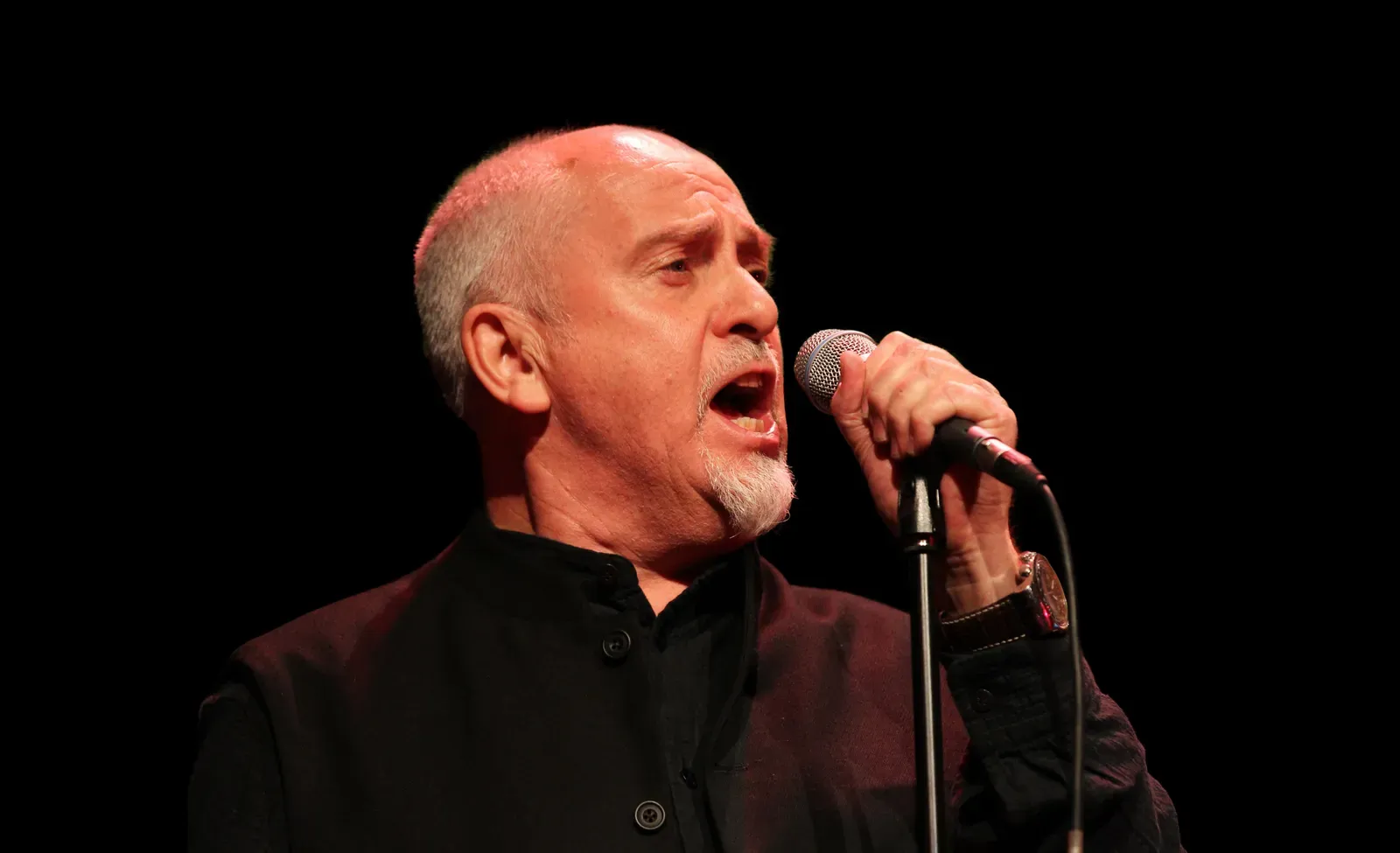
Peter Gabriel’s final album with Genesis before his solo career is also one of the strangest concept records ever released, following a half-Puerto Rican New Yorker named Rael through a surreal underworld filled with bizarre creatures and shifting realities. It’s dense, sometimes confusing, and occasionally impenetrable without the lyric sheet in hand, yet that surrealism is exactly what makes it so compelling. Few bands have committed this hard to a narrative this weird.
Gabriel reportedly wrote most of the lyrics himself, pulling the rest of the band into a story so personal and abstract that even they weren’t always sure where it was heading. The double album’s ambition arguably pushed Gabriel toward leaving the band shortly after, wanting more creative control than a group format allowed. Progressive rock fans still treat it as a rite of passage, a record you have to sit with multiple times before its dream logic starts to click.
Green Day – American Idiot (2004)

Green Day reinvented themselves with a punk rock opera following Jesus of Suburbia, a disillusioned young man who leaves his hometown for the city, only to split into two competing personas representing rebellion and self-destruction. Released during the height of post-9/11 political anxiety, the album channeled real frustration with American culture into a story that felt both personal and generational. It became the band’s best-selling record and reintroduced them to an audience that had written pop-punk off years earlier.
The narrative structure, complete with recurring musical themes and multi-part suites like “Jesus of Suburbia,” borrowed directly from the rock opera tradition while keeping the sound aggressively contemporary. Its success eventually led to a Broadway musical adaptation, further proof of how visual and story-driven the songwriting always was. Two decades later, the album still gets cited as one of the defining political statements of its era.
My Chemical Romance – The Black Parade (2006)

The Black Parade is centered on the story of a man suffering from terminal cancer known as “The Patient,” as he nears the end of his life. The album follows the story of The Patient as he is met in death by The Black Parade, an abstract memory from his childhood, and the Patient dies as the Black Parade takes him on an odyssey through his life. That framing device, death arriving in the shape of a marching band from a treasured memory, gives the whole record a strange, theatrical warmth despite its heavy subject matter.
Partner offer
Despite being a concept album that revolves around a made-up story, The Black Parade is probably one of My Chemical Romance’s most honest records to date. Gerard Way has spoken about the personal weight behind the theatrics, describing it as not the happiest time of their lives, admitting the band was questioning its own mortality and calling it a very human record underneath the bombast. The album has sold more than 4 million copies worldwide as of 2016, and it remains a touchstone for how emotionally direct a fictional narrative can feel when the pain behind it is real.
Kendrick Lamar – good kid, m.A.A.d city (2012)

Released on October 22, 2012, Kendrick Lamar’s major-label debut good kid, m.A.A.d city stands as one of the most ambitious and successful concept albums in hip-hop history, functioning as an 80-minute opus told through music, chronicling a single day in the life of a 17-year-old Kendrick navigating the streets of Compton. The story starts at the end, and it isn’t told completely chronologically, with the perspective shifting between his teenage self, K.Dot, and the artist he becomes. Subtitled “A Short Film,” the record wears its cinematic ambition right on the cover.
The album’s reputation has only grown over time. It has been named the number one entry on Rolling Stone’s list of the Top 50 Greatest Concept Albums of All Time, with critics praising its “coming-of-age opus, the cinematic scope of which has been rightfully compared to Scorsese and Tarantino.” The RIAA-certified three-times platinum album earned five Grammy nominations and has spent 519 weeks on the Billboard 200, making it the longest-charting hip-hop album of all time. Few records anywhere in music prove that a single day, told with enough care, can feel as sprawling as a full film.
Janelle Monáe – Dirty Computer (2018)

Billed as an “emotion picture,” Dirty Computer tells the story of android Jane 57821 and her struggles as she attempts to break free from the constraints of a totalitarian society that forcibly makes her comply with its homophobic beliefs. The concept is built on a near-future dystopia in which the thoughts of humans, AIs, and robots can all be edited and rewritten by the oppressive New Dawn regime, and the narrative focuses on Jane 57821, who remembers her true identity and breaks free. It’s science fiction used as a direct vehicle for talking about queerness, race, and bodily autonomy.
Monáe split the album into three chapters, The Reckoning, The Celebration, and The Reclamation, giving the story a clear emotional arc from oppression to liberation. It is no wonder that Monáe, with both her lovers in tow, leads the revolution in the end, her freedom precipitating the freedom of everyone else. The accompanying film, co-starring Tessa Thompson, expanded the world even further, turning an already ambitious album into a genuinely immersive piece of Afrofuturist storytelling.
Coheed and Cambria – The Amory Wars Saga
Coheed and Cambria’s concept albums tell a science fiction story taken directly from frontman Claudio Sanchez’s comic book series, The Amory Wars. The saga started with the band’s first studio album, introducing Coheed and Cambria Kilgannon, a married couple whose story chronicles their tragic and bloody conflict with the villain Wilhelm Ryan. The second album picks up a decade later, focusing on their son Claudio Kilgannon as he embarks on a quest for revenge. Few bands have committed this thoroughly to a single, sprawling mythology across an entire career.
What sets this saga apart is how far the storytelling extends beyond the music itself. A companion graphic novel was released to accompany one of the albums, and Sanchez explained in a 2006 interview that the publishing arm intended to eventually retell the concept chronologically through new comics. Nearly all of Coheed and Cambria’s albums follow this long-running, epic sci-fi concept, and Sanchez has described the deeper motivation behind it plainly, noting “all of these records are about family.” It’s a rare case of a rock band building a genuine expanded universe, comics and all, years before that became a common industry buzzword.
Rush – 2112 (1976)

Rush’s breakthrough record opens with a side-long title suite set in a future where a totalitarian priesthood controls all art and music through a computerized temple system. The protagonist discovers an ancient guitar, rediscovers the joy of music, and is ultimately crushed by a society that cannot tolerate individual creativity. It’s a dystopia built specifically to champion artistic freedom, which feels fitting for a band that fought record label pressure to make the album in the first place.
The record’s structure, a nearly twenty-minute conceptual piece followed by shorter standalone tracks, gave Rush room to experiment without losing commercial footing entirely. Neil Peart’s lyrics drew loosely on libertarian and objectivist ideas, adding a philosophical weight that fans have debated for decades. It remains one of progressive rock’s clearest examples of using a fictional dystopia to make a very real argument about creative control.
Marina and the Diamonds – Electra Heart (2012)
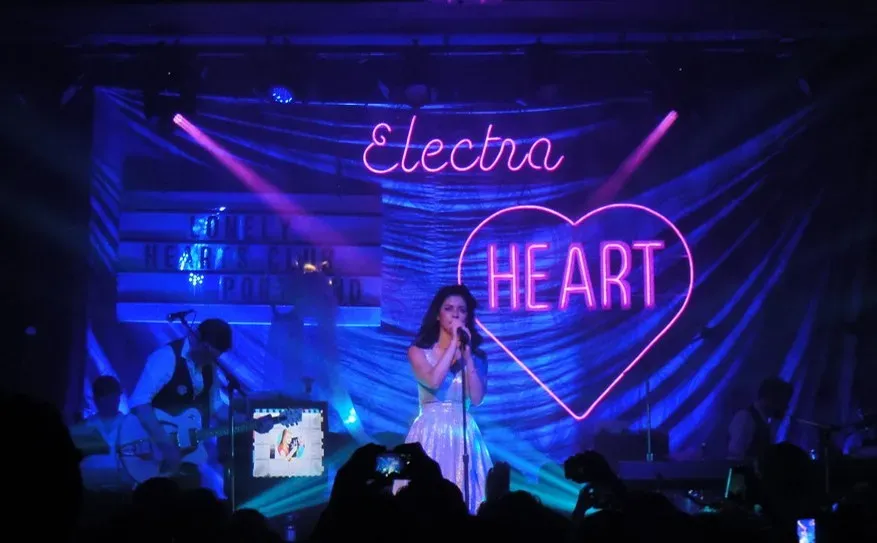
Marina Diamandis built an entire alter ego around Electra Heart, a composite character representing toxic American archetypes like the beauty queen, the homewrecker, and the housewife, all filtered through a candy-colored, satirical lens. The album follows Electra’s rise and eventual emotional collapse as she chases an idealized version of femininity that was never sustainable to begin with. It’s a sharper, more pointed critique of celebrity and gender roles than its glossy pop production initially lets on.
Marina reportedly killed off the Electra Heart persona in later performances, treating the character’s arc as something with a genuine beginning, middle, and end rather than an ongoing gimmick. That commitment to closure is rare in pop music, where alter egos often linger indefinitely once they prove commercially useful. Electra Heart remains a cult favorite precisely because it treated a synthetic pop persona with the narrative seriousness of a novel.
Why These Stories Still Matter
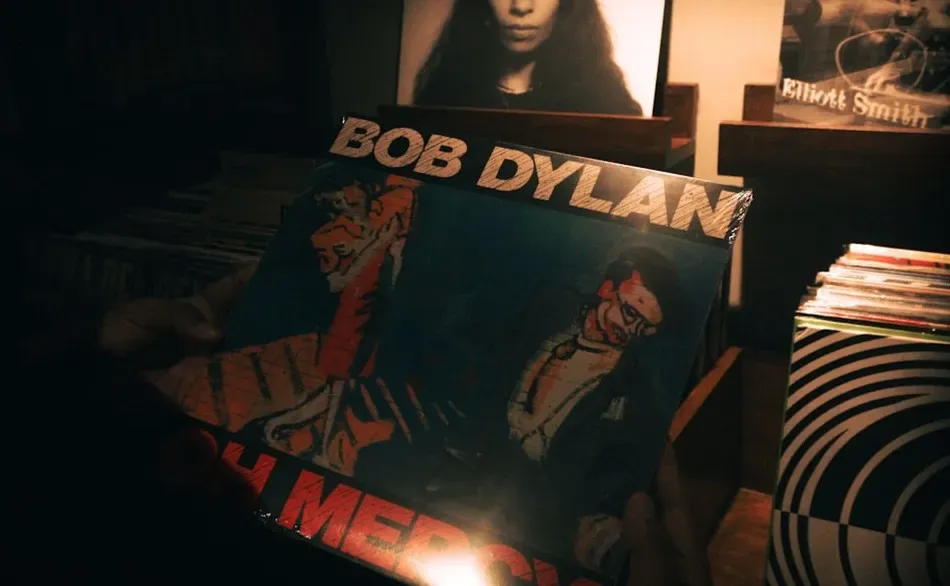
What ties all ten of these records together isn’t genre or era, it’s commitment. Every artist here refused to treat the concept as a gimmick, building characters, arcs, and consequences that hold up under repeated listens the way a good film holds up under repeated viewings. That’s a much harder trick to pull off across forty or eighty minutes of music than it sounds.
Movies get editing rooms, reshoots, and test screenings to fix a broken story. These albums had none of that safety net, just the songs as they were written, and they still managed to make listeners cry, question their own lives, or root for a fictional android’s escape from tyranny. That’s not a small achievement, and it’s exactly why these records keep getting rediscovered by new generations who are still looking for a story worth living inside.
Partner offer
Planning a trip to Vegas?
Compare hotel rates and show tickets on VEGAS.com.