A single frame can say a lot. Sometimes it’s a face, sometimes a silhouette against a strange sky, and sometimes just a hallway with the right kind of carpet. Film fans often find they recognize a movie before they can explain why.
This gallery works like a quiet game. Each section describes one still in words, then gives the film’s name and a few verified facts about it. Try to guess before you read the answer.
Still One: A Man Dangling From a Clock Tower
Picture a man in a straw boater hat hanging from the hands of a giant clock high above a city street. The black and white image is among the most copied in comedy history. It’s Harold Lloyd in Safety Last!, released in 1923.
The film helped define the silent era’s thrill comedy. Lloyd played the role himself, though he was missing part of his right hand from an earlier accident involving a prop bomb. Many viewers still assume the stunt was done with trick photography, but the building setup was designed to look real.
Still Two: A Robot Woman With a Metal Face
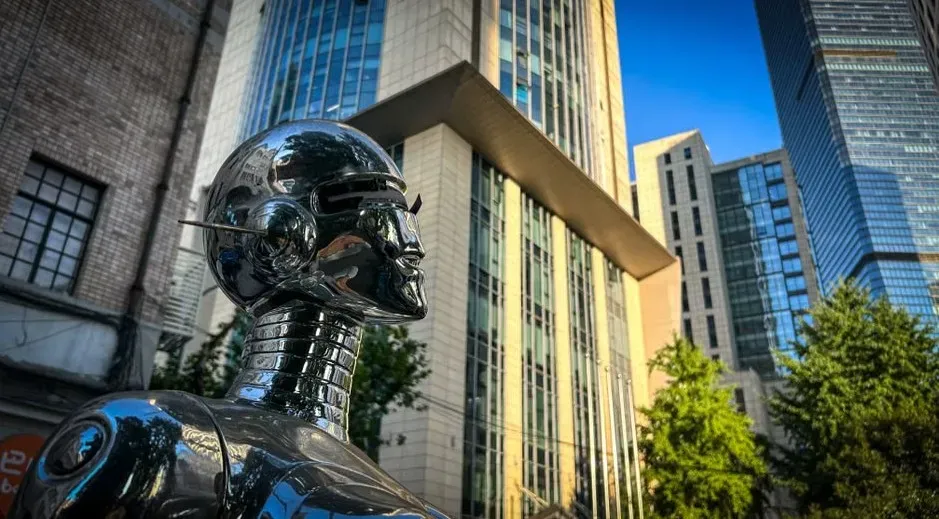
This still shows a gleaming humanoid figure with sharp, symmetrical features, seated in a laboratory full of strange machinery. The film is Metropolis, directed by Fritz Lang and released in Germany in 1927. The robot, often called Maschinenmensch, shaped how science fiction imagined artificial people for decades.
The film is set in a divided city of rich thinkers above and exhausted workers below. Its original cut was much longer than most audiences later saw. Restored versions have since brought back many lost scenes, which is why the film looks fuller today than it did for much of the twentieth century.
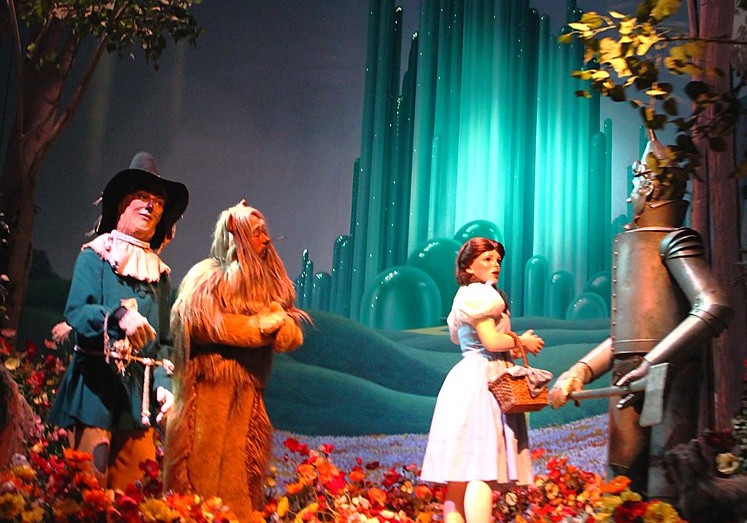
Still Three: A Girl in Gingham on a Yellow Road
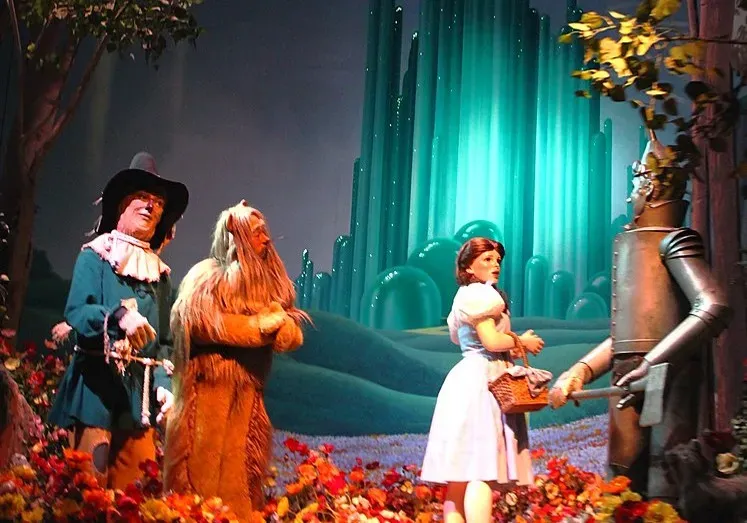
The color is the giveaway here. A girl in a blue gingham dress walks along a bright yellow brick road, flanked by a scarecrow and a tin man. This is The Wizard of Oz from 1939, directed credited to Victor Fleming.
The film moves from sepia tones to saturated Technicolor when Dorothy reaches Oz. That shift is still one of the best known uses of color as a storytelling tool. The movie was adapted from L. Frank Baum’s 1900 novel.
Still Four: A Piano and Two Faces in a Smoky Bar
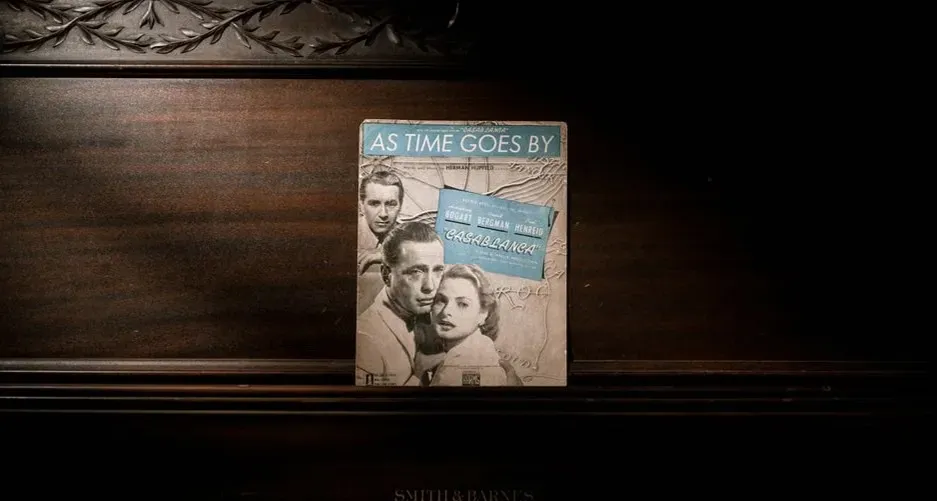
Imagine a dim cafe, a white dinner jacket, and a woman in a hat looking up with worry in her eyes. The film is Casablanca, released in 1942. Humphrey Bogart and Ingrid Bergman star, with Michael Curtiz directing.
The movie won the Academy Award for Best Picture at the ceremony held in 1944. It was set in Morocco during the Second World War, and much of its power comes from conversations in small rooms. Its still frames tend to rely on faces and shadows rather than spectacle.
Partner offer
Still Five: A Sled Burning in a Furnace
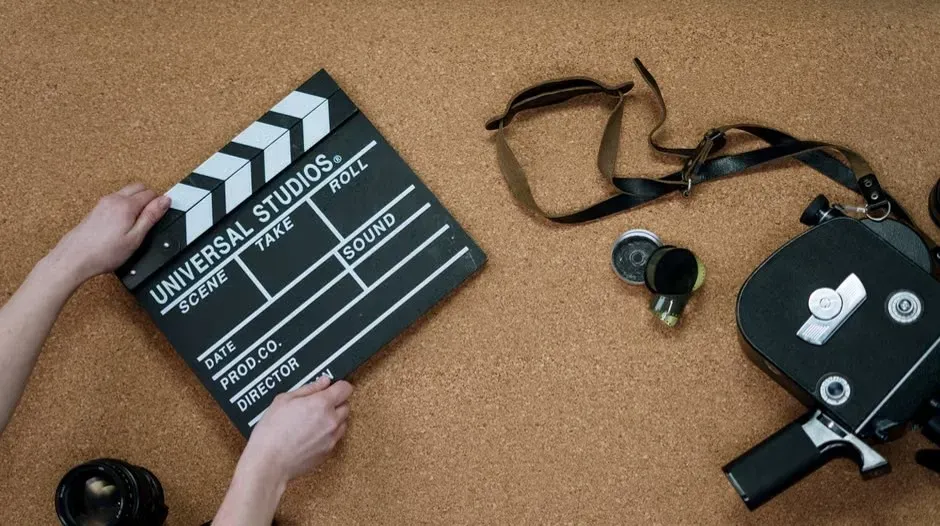
The image is small and sad, a child’s sled being fed into flames while a name painted on it slowly curls away. That’s Citizen Kane, directed by and starring Orson Welles, released in 1941. The final shot is among the best known endings in cinema.
The film is famous for deep focus photography, which keeps both foreground and background sharp in the same frame. Cinematographer Gregg Toland was a key part of that look. It has often ranked at or near the top of critics’ polls, including the Sight and Sound poll before 2012.
Still Six: A Woman in a Shower, Seen From Above
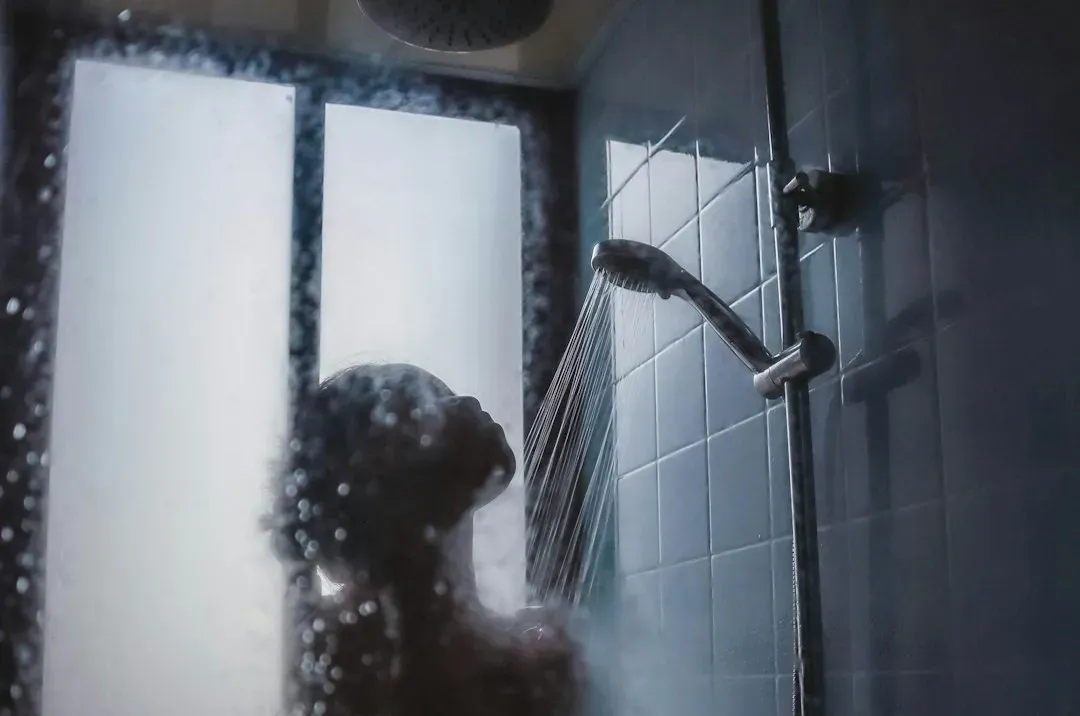
The setting is a plain motel bathroom, tiled and white. The frame suggests a moment of ordinary calm just before it’s broken. This is Psycho, directed by Alfred Hitchcock and released in 1960.
Hitchcock shot the film in black and white, partly to keep costs lower and partly to soften the violence. Janet Leigh and Anthony Perkins led the cast. The film changed how studios thought about horror and about audiences arriving late to a screening.
Still Seven: Two Figures Staring at a Black Monolith
This one is stark. Ape-like figures, or later astronauts, gather around a tall, smooth black slab standing in a barren landscape. It’s 2001: A Space Odyssey, directed by Stanley Kubrick and released in 1968.
Kubrick co wrote the screenplay with Arthur C. Clarke. The film is known for its minimal dialogue and its use of classical music. Its visual effects earned an Academy Award, which was given to Kubrick himself.
Still Eight: A Boy on a Bicycle Silhouetted Against the Moon
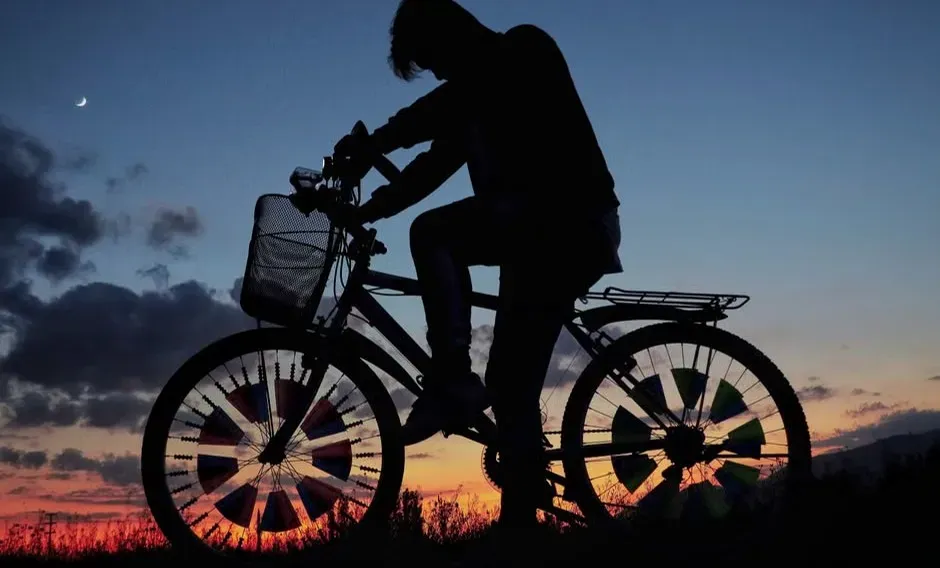
Here a child pedals across a huge glowing moon, with a small alien figure riding in the basket. This is E.T. the Extra-Terrestrial, directed by Steven Spielberg and released in 1982. It became a huge box office success in its first release.
The film was later re released with changes in 2002, though many fans prefer the original version. Its story follows a lonely boy who hides a stranded alien in his home. The moonlit bicycle shot also became the logo for Amblin Entertainment.
Still Nine: A Hotel Corridor and Two Little Girls
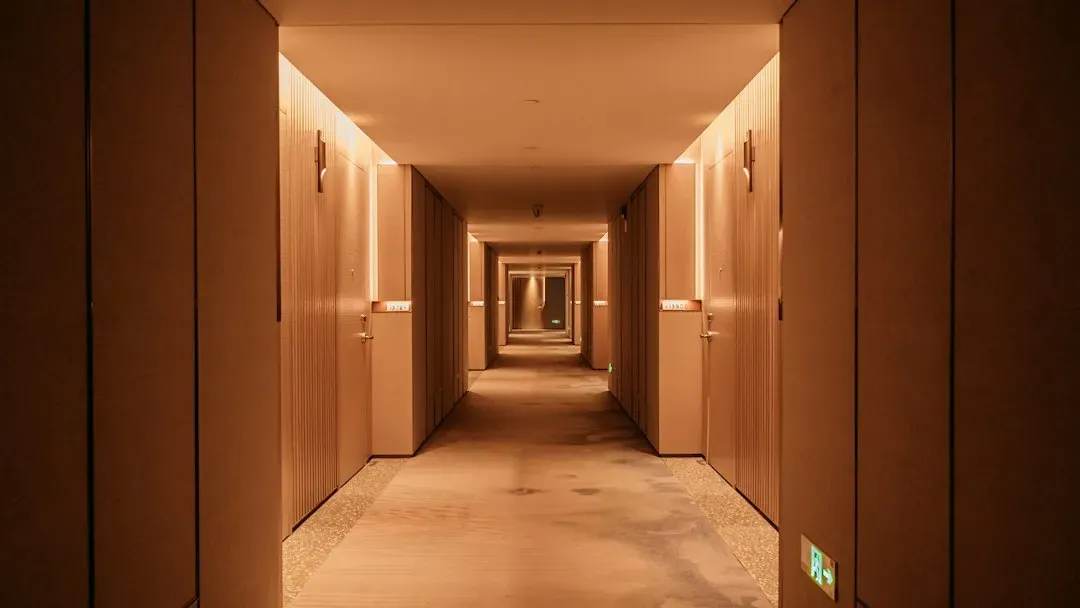
The still shows a long, symmetrical hallway with patterned carpet, and two young girls standing at the far end. The film is The Shining, directed by Stanley Kubrick and released in 1980. It is based on Stephen King’s 1977 novel, though King has been open about disliking the adaptation.
Kubrick used the Steadicam extensively, following a child on a tricycle through empty hotel halls. Jack Nicholson played the caretaker who slowly unravels. The film was not a critical favorite on release, yet it has since been widely reassessed as a major horror work.
Partner offer
Planning a trip to Vegas?
Compare hotel rates and show tickets on VEGAS.com.