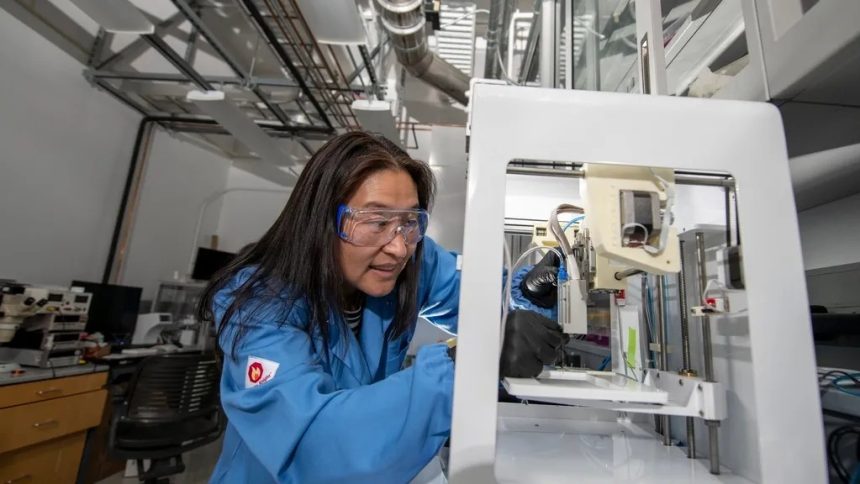
Most of the things we reach for without thinking, the adhesive note on the fridge, the nonstick pan on the stove, the antibiotic in the medicine cabinet, were never supposed to exist in their current form. They arrived sideways, through bungled experiments, frustrated chefs, and scientists who grabbed the wrong part off a shelf. The gap between failure and breakthrough turned out to be surprisingly thin.
What makes these stories compelling isn’t just the happy ending. It’s the moment someone paused, looked at the mess in front of them, and thought: wait. This might actually be useful. That instinct, more than any deliberate plan, gave us some of the most iconic objects on the planet.
Penicillin: A Messy Lab and a Life-Saving Mold
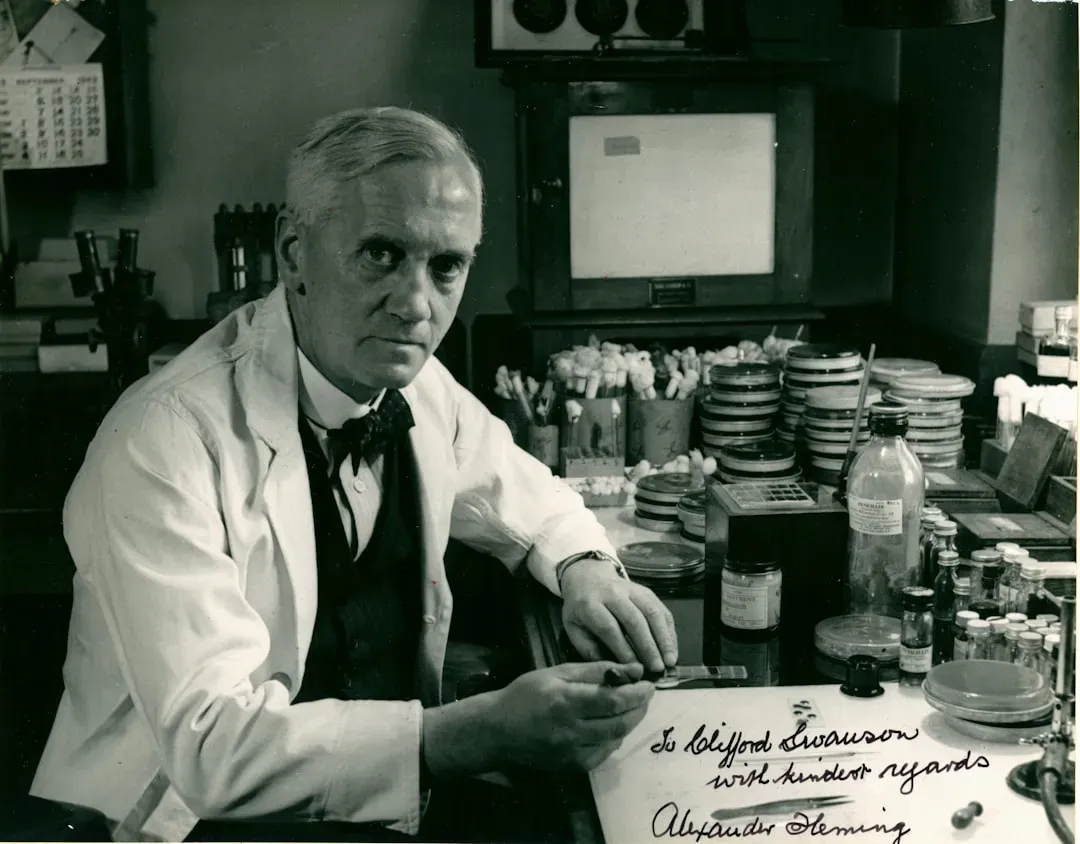
The world’s first antibiotic was the accidental byproduct of a messy workspace. Alexander Fleming, a bacteriologist in London, returned from a vacation in 1928 to discover that one of the petri dishes in his lab had mold growing on it, the result of unintended contamination. On closer inspection, he saw that the area around the mold was free of bacteria. Fleming named this bacteria-killing substance penicillin after the species of fungus, Penicillium notatum, and published a paper about his discovery in 1929.
He wasn’t sure if it had any practical use, as it was difficult to purify and stabilize. A decade later, chemists at Oxford University read Fleming’s paper and took up the project of turning penicillin into viable medicine. The World Health Organization credits penicillin with saving millions of lives since its introduction, reducing mortality rates caused by bacterial infections. The discovery not only revolutionized medicine but also opened the door to the development of other antibiotics, drastically changing modern healthcare.
Post-it Notes: The Adhesive That Was Too Weak to Work
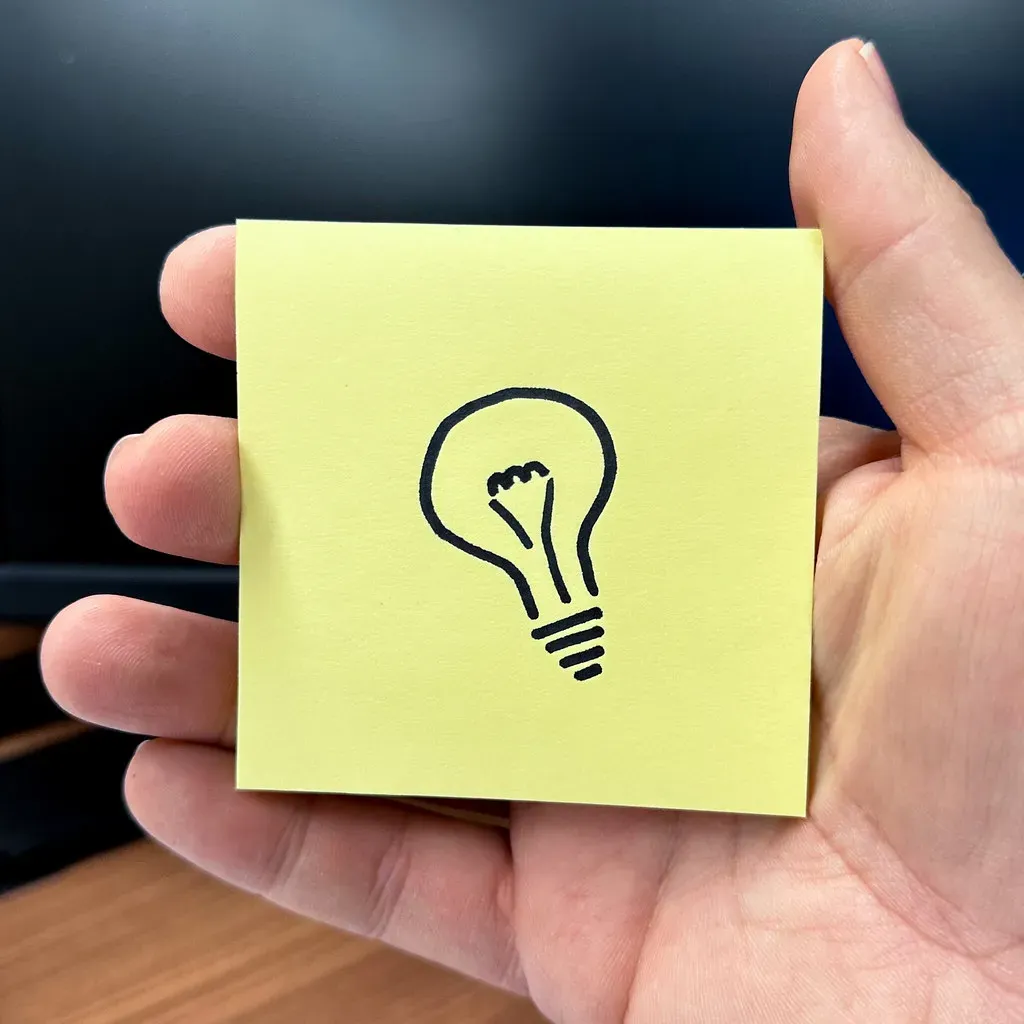
It all began when 3M scientist Spencer Silver was trying to create a super-strong adhesive. Instead, he accidentally invented a weak, pressure-sensitive adhesive that didn’t stick well except when applied lightly. Initially dismissed as a failed experiment, Silver’s “mistake” was later transformed into the iconic Post-it Note after his colleague Art Fry needed something to keep bookmarks in his hymn book from falling out.
Silver relentlessly shared his invention with colleagues, but he couldn’t get traction to make it into a product. One of his colleagues, Arthur Fry, came up with the idea of using the adhesive on bookmarks. Fed up with little papers falling out of his hymnal at church, he determined that Silver’s invention was the solution. After a successful market test in Idaho, 3M began selling the Post-it Note in 1979, and it rapidly grew in popularity.
The Microwave Oven: A Melted Candy Bar Changed Everything
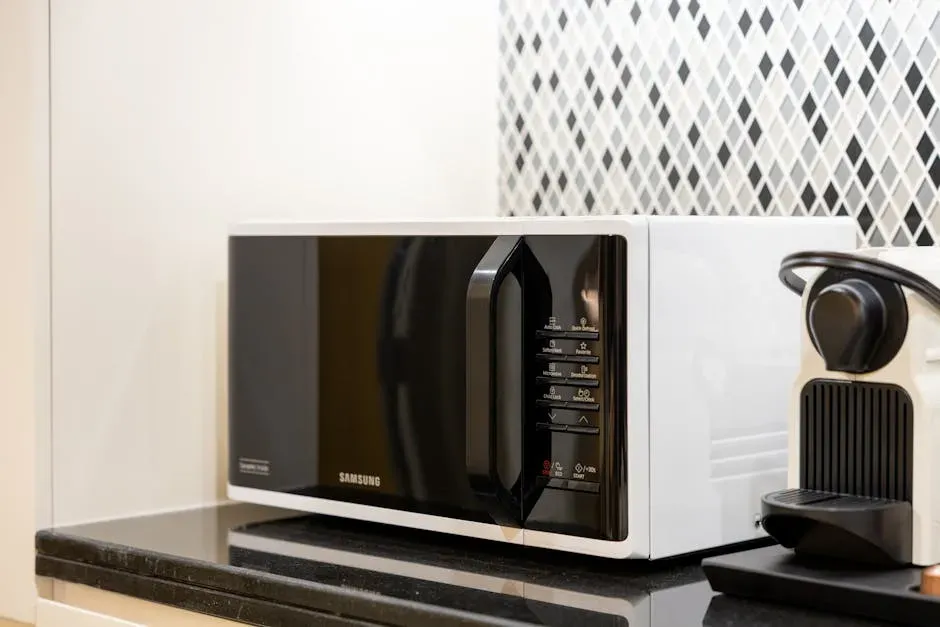
The technology behind the microwave oven was invented accidentally. Near the end of World War II in 1945, an engineer named Percy Spencer was attempting to create energy sources for radar equipment. Spencer was unable to do this. However, when he was using a cavity magnetron device, he noticed that a candy bar in his pocket had melted. Making the connection, he realized that the microwaves coming from the device had caused the molecules in the candy bar to create heat and melt.
This unexpected observation led him to experiment with popcorn, which promptly popped, revealing the potential of microwaves for cooking. While the first microwaves were bulky and expensive, the technology quickly evolved, making them a common appliance in kitchens around the world. Today, more than nine out of ten American households have a microwave, demonstrating the widespread impact of this serendipitous discovery.
Teflon: The Slippery Powder Nobody Was Looking For
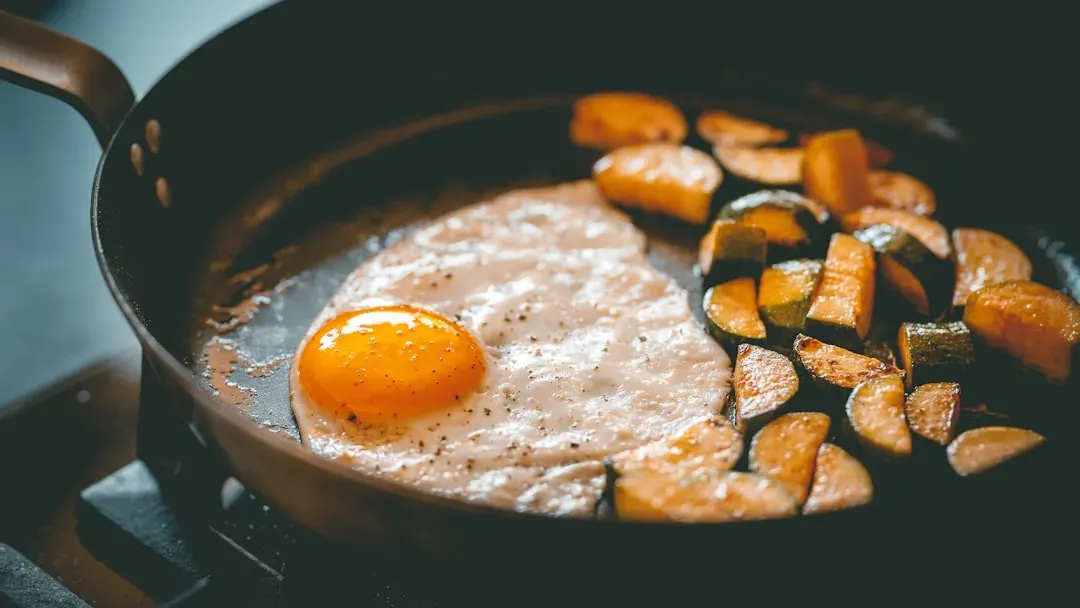
In 1938, while attempting to make a new chlorofluorocarbon refrigerant, Roy Plunkett’s laboratory team discovered polytetrafluoroethylene (PTFE), better known as Teflon. When they opened the valve, no gas came out. Something was wrong. For a while, they were stumped. The cylinder weighed more than it should if it were empty, but it really didn’t seem like anything was inside. Eventually, someone realized they needed to cut the cylinder open to see what was going on. They found the interior of the metal unexpectedly coated with a slippery white powder.
Plunkett found the substance to be heat resistant and chemically inert, and to have very low surface friction so that most other substances would not adhere to it. Remarkably, its first use was fulfilling the requirements of the Manhattan Project for materials that could resist corrosion by fluorine or its compounds. The material was brought to the attention of US Army General Leslie Groves, who commissioned DuPont to design a plant that used PTFE seals and gaskets. In the early 1960s, Teflon found its most famous use as a seemingly miraculous nonstick surface for cookware.
X-Rays: A Glow in the Dark That Nobody Could Explain
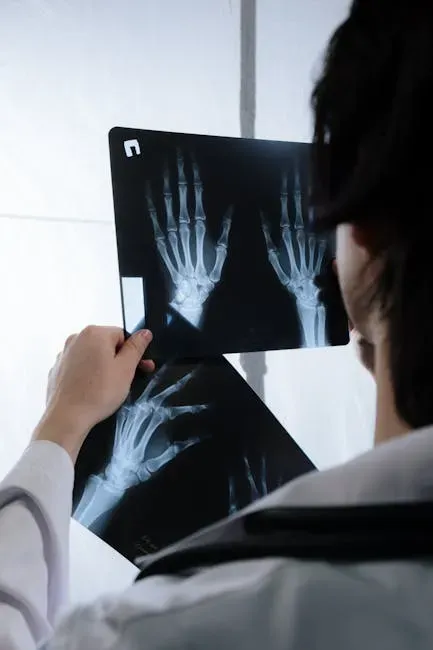
On November 8, 1895, as he conducted cathode ray experiments in his darkened laboratory, Wilhelm Conrad Röntgen caught a glimpse of a glow, not within the glass tube itself, but rather on a chemically coated screen he had placed nearby. German physicist Röntgen discovered a type of radiation he labeled X-rays that could penetrate flesh and capture images of bones and organs. An immediate sensation, X-rays revolutionized medicine and science as well as pop culture, while also presenting health risks to unsuspecting users.
When he placed his wife Anna Bertha’s hand in front of the rays, he produced an image showing her bones and wedding ring. It was the first medical X-ray image in history. Wilhelm Röntgen received numerous accolades for his work, including the first Nobel Prize in Physics in 1901, yet he remained modest and never tried to patent his discovery. Today, an estimated 3.6 billion medical X-ray examinations are performed worldwide each year.
Partner offer
The Chocolate Chip Cookie: A Pantry Shortage and a Kitchen Legend
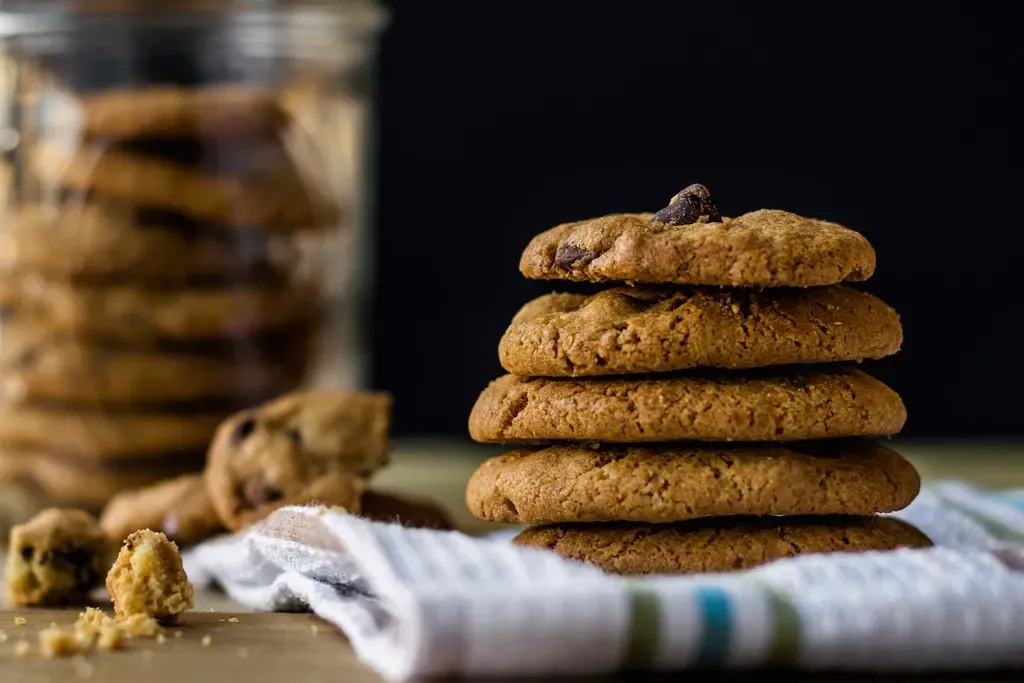
The invention of the chocolate chip cookie happened in 1930 when Ruth Graves Wakefield and her husband, Kenneth, were running the Toll House Inn on Route 18 near Whitman, Massachusetts. Mrs. Wakefield, a dietician and food lecturer, prepared all the food for the guests at the inn and had gained an enviable local reputation for her impressive range of desserts. Wakefield was making chocolate cookies when she ran out of baker’s chocolate. She decided to chop up a bar of semi-sweet chocolate and add it to her dough, expecting it to melt and blend into the batter. Instead, the pieces of chocolate remained intact, giving birth to the chocolate chip cookie.
Several accounts exist of how Wakefield created her recipe for chocolate chip cookies, with older versions describing an accidental invention and more modern versions arguing that Wakefield created it intentionally. Whatever the truth, the outcome was undeniable. Over the 20th century, chocolate chip cookies gained popularity through their association with the Swiss company Nestlé, their distribution to American troops in World War II, and the development of new versions in the 1970s and 1980s by manufacturers such as Famous Amos and Mrs. Fields.
Superglue: A Wartime Failure That Stuck Around
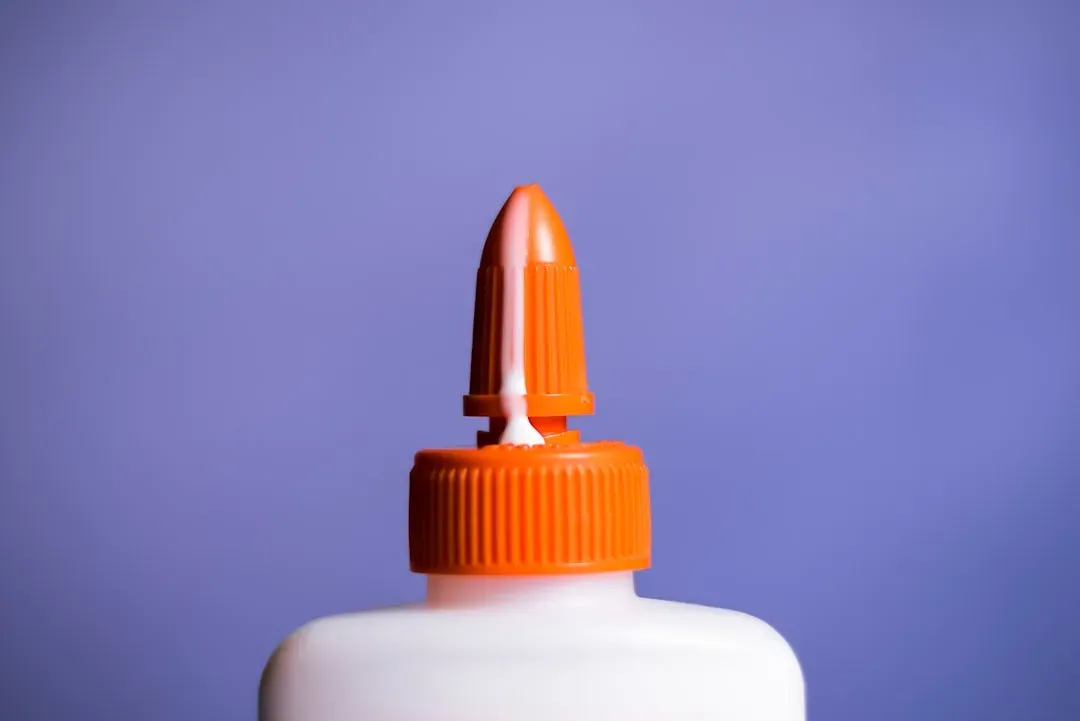
In 1942, chemist Harry Coover was working on creating clear plastic for gun sights during World War II. However, he accidentally created a sticky substance that bonded almost instantly and couldn’t be removed. Initially discarded as a failed product, it was later repurposed as Superglue, becoming an essential adhesive in countless industries and everyday life.
In 1951, Coover was leading a project for the same company. This time, he and his team were looking to develop a clear and heat-proof material for jet plane canopies. One of the research students, ironically named Fred “Joyner,” rediscovered the same formula Coover had found in 1942. After testing the product, it was deemed a successful solution. The compound, cyanoacrylate, went on to become one of the most recognizable adhesives in the world, sold in virtually every hardware and convenience store on the planet.
The Implantable Pacemaker: A Wrong Resistor, Millions of Lives Saved
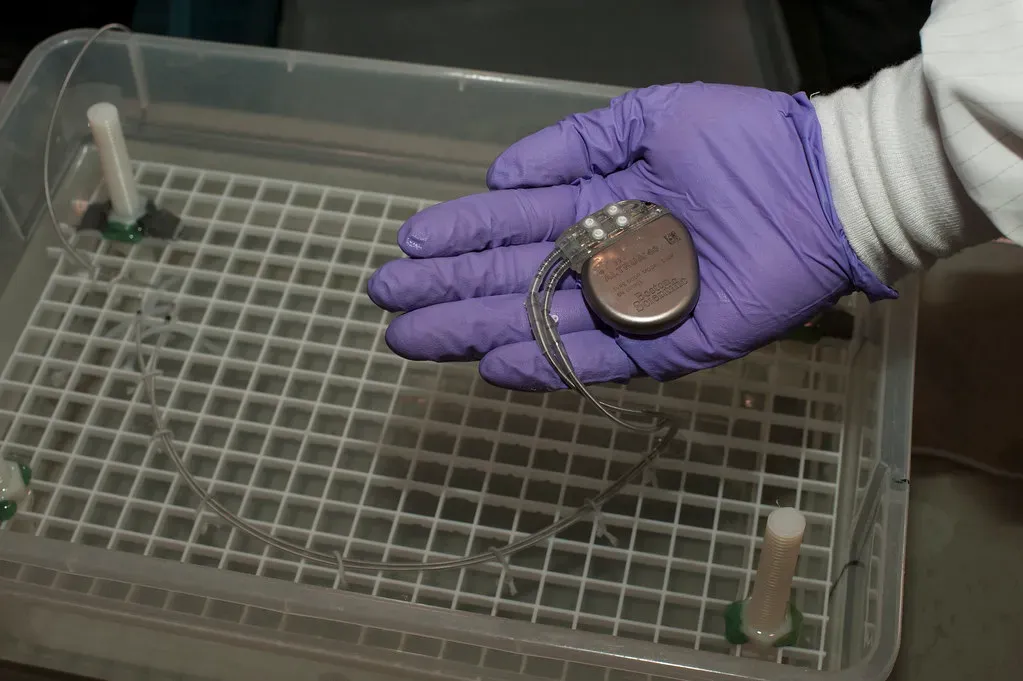
In 1956, engineer Wilson Greatbatch was attempting to build a heart rhythm recording device when he accidentally used the wrong resistor. This caused the circuit to emit electrical pulses, which mimicked the function of a heart’s natural rhythm. Greatbatch’s “mistake” led to the creation of the implantable pacemaker, a life-saving device that has kept millions of people’s hearts beating for decades.
While a kind of pacemaker existed at the time, it was large and caused dizziness, blackouts, and even death. Two years later, Greatbatch shared his invention with William Chardack, a surgeon at the Veterans Administration Hospital in Buffalo, New York. They began working together and first tested the new pacemaker on dogs. They made some changes and in 1957 began testing it on people. By 1961, about one hundred people were using the device.
Safety Glass: A Dropped Flask That Refused to Shatter
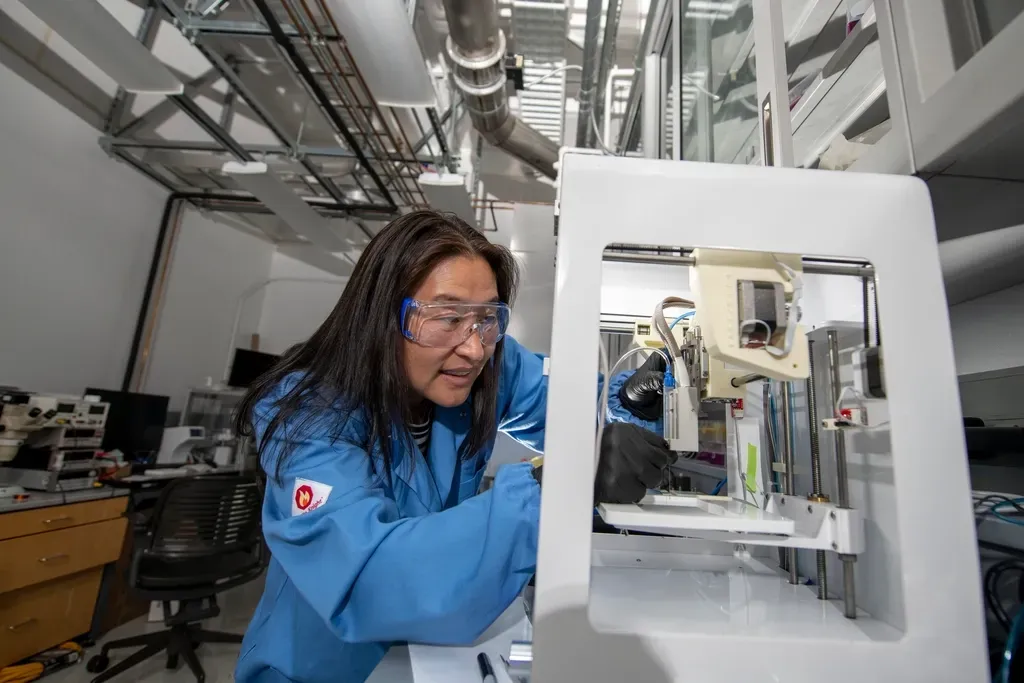
In 1903, French chemist Édouard Bénédictus accidentally dropped a glass flask that had been coated with a plastic film. Instead of shattering into pieces, the glass cracked but remained in one piece. This accident led to the invention of laminated safety glass, which is now used in car windshields, skylights, and more to prevent dangerous glass shattering.
Safety glass was accidentally discovered by Bénédictus when he knocked a glass beaker from a high shelf in his laboratory and found, to his surprise, that it shattered but did not break. His assistant informed him that the beaker had contained cellulose nitrate, a type of clear natural plastic, that had left a film on the inside of the glass. He filed a patent for his discovery in 1909, and it has been in production, albeit in various different forms, ever since.
Potato Chips: Born from Frustration in a Restaurant Kitchen
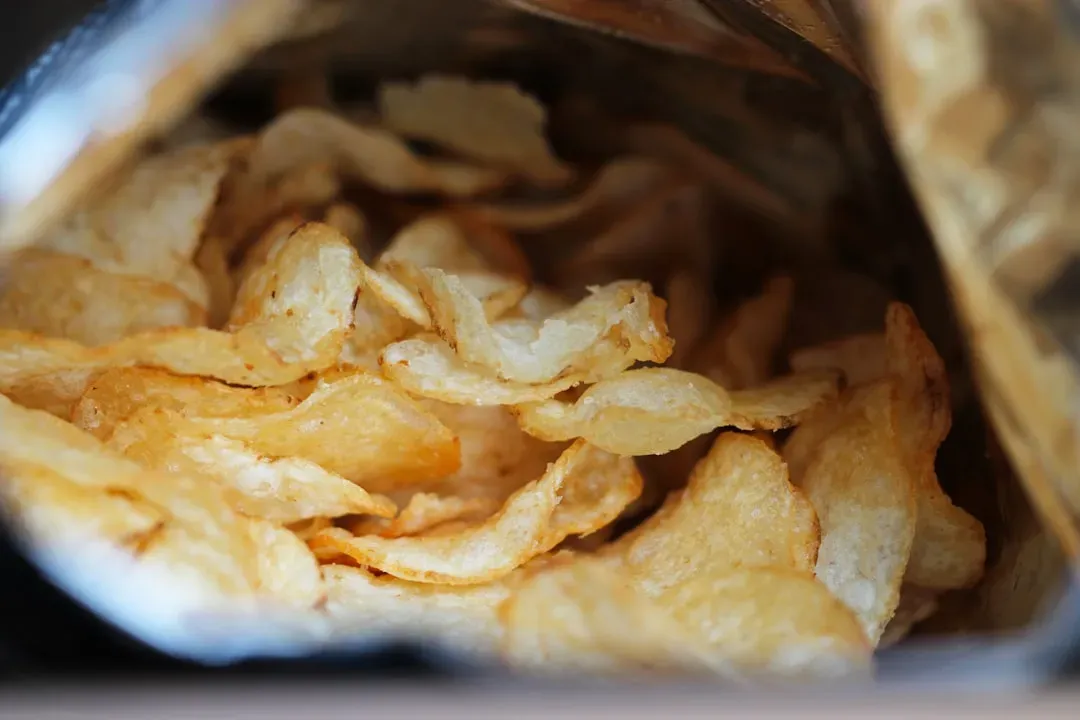
Potato chips, America’s beloved snack of choice, were originally developed to annoy a dissatisfied diner in 1853. George Crum, a chef at the Moon Lake Lodge in Saratoga Springs, New York, served French fries to a customer who initially complained they were too thick. Crum then made a second batch, which was thinner, but still did not appease him. So for the third batch, in an attempt to further irritate the diner, Crum made fries so thin they couldn’t be eaten with a fork, and oversalted them for good measure. Surprisingly, the customer loved them, and potato chips were invented.
What started as an act of culinary spite became one of the most consumed snack foods in history. Accidental discoveries shaped our world, from life-saving medicines like penicillin to everyday items like potato chips. The global potato chip market today is worth tens of billions of dollars, all traced back to one irritated cook and a demanding customer who didn’t know when to stop complaining.
The Slinky: A Spring That Walked Off a Shelf and Into History

The idea came to naval engineer Richard James while he was trying to develop a spring that would support and stabilize sensitive equipment on ships. While he was working on his project, one of the springs fell off a shelf and kept moving. As James watched the spring continue to move, a light bulb went off in his head. In 1943, James accidentally discovered the Slinky when he knocked a spring off a shelf and watched it “walk” down steps. This simple observation led to the creation of a toy that has entertained generations.
The Slinky became an instant cultural phenomenon, with over 300 million units sold. It never did stabilize sensitive naval equipment. Instead it became one of the most recognized children’s toys ever made, inducted into the National Toy Hall of Fame, and still manufactured in the same basic form James stumbled upon in that naval engineering workspace more than eighty years ago. Some of the best ideas really do just fall into place.
Partner offer
Planning a trip to Vegas?
Compare hotel rates and show tickets on VEGAS.com.