Marketing a movie is a strange balancing act. Studios want to hook an audience with a single striking image, but that same image can end up saying more than anyone intended. Over the decades, a handful of posters slipped past editors and landed in theater lobbies carrying the answer to the very question the film wanted you to spend two hours pondering. Some of these slips were subtle, buried in a prop or a facial expression. Others were so blatant that fans noticed before opening weekend even started. Here are seven posters that, in hindsight, gave away far more than they should have.
Terminator Genisys and the John Connor reveal
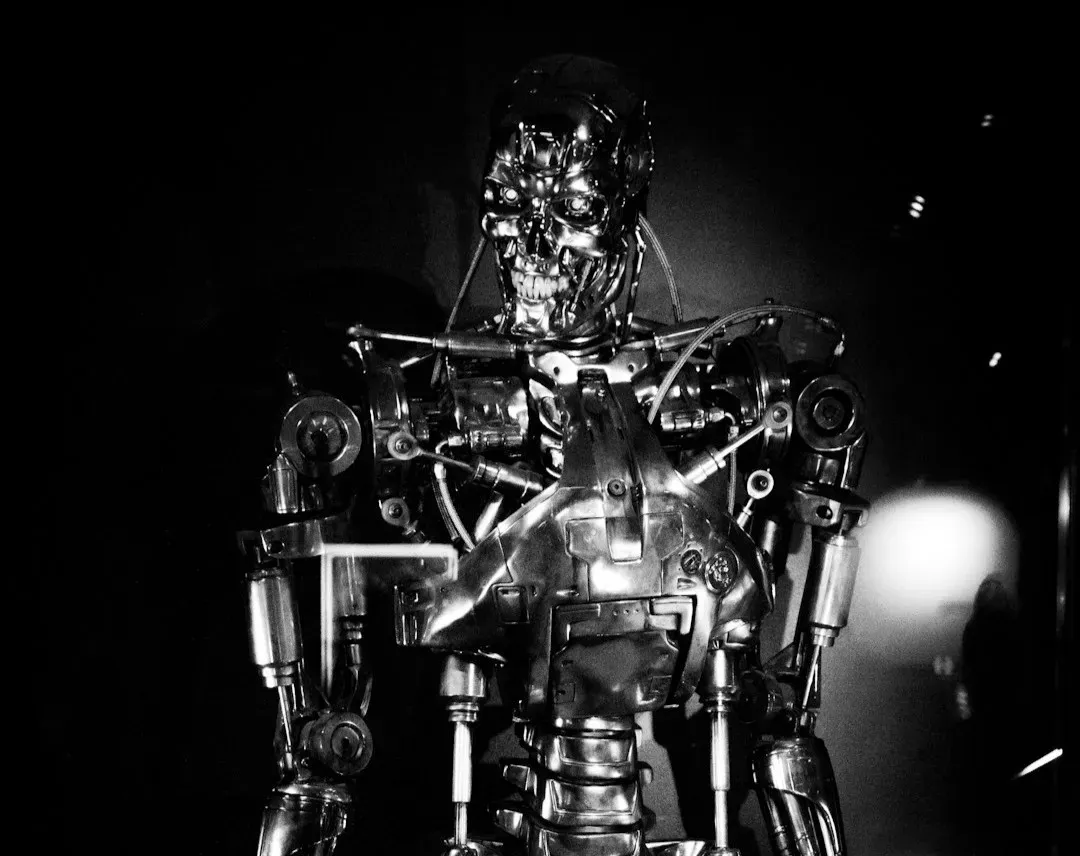
The Terminator Genisys poster chose to reveal that its “hero,” John Connor, is actually a Terminator and, by extension, the villain, a twist that doesn’t creep up until halfway through the movie. That is a rough way to treat a reveal that the script clearly wanted to land as a gut punch. Once viewers had seen the poster and its accompanying trailer, the mid movie shock arrived with none of its intended weight.
The reveal was described as the movie’s only real twist, its sole hook, which made the marketing choice even harder to defend. Posters are unavoidable in a way trailers are not, since a person walking past a bus stop cannot simply look away in time. Trailers are far easier to avoid than a poster, which reveals its contents the second you see it.
Thor: The Dark World and Loki’s hidden victory
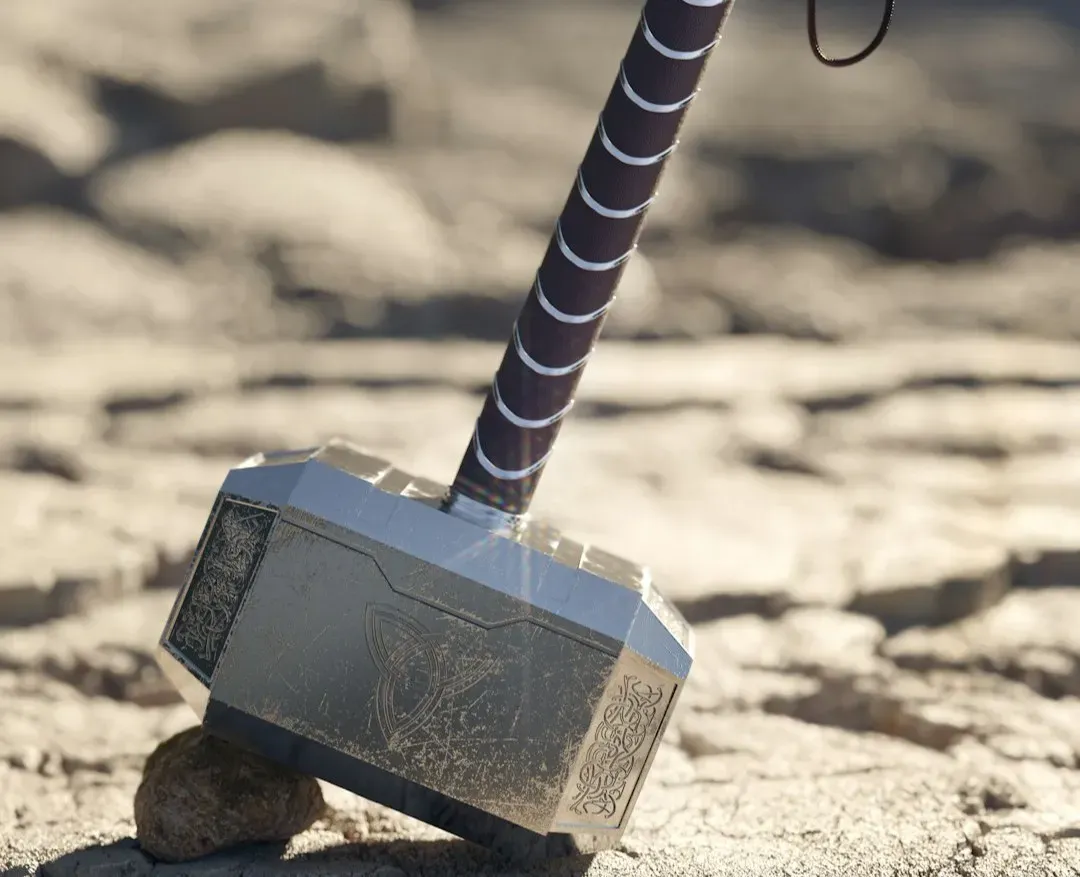
Marvel posters usually stick to safe hero shots, but the international artwork for Thor: The Dark World broke that pattern with small details that rewarded close readers. Thor’s hammer rests at Loki’s feet in the image, and Odin’s helmet sits nearby, a character who had comparatively little narrative importance up to that point. Fans who studied the composition started piecing together what those objects were doing there.
Combine all this information, and it becomes clear the poster was revealing that Loki survives the events of the movie and dupes both Thor and Odin in some capacity. Odin’s helmet placement subtly hinted the trickster would outlast both his brother and father to remain the only god in Asgard, though by Thor: Ragnarok fans learned he had done little with that throne besides eating grapes and having fun. It is a rare case of a poster rewarding obsessive fans while still flying under the radar of casual audiences.
The Shawshank Redemption and Andy’s freedom

Some poster spoilers come from a single emotional cue rather than a hidden object. The Shawshank Redemption poster shows Andy Dufresne happy and free, even though the film’s protagonist spends most of the story locked away, which hints strongly that Andy will eventually escape prison, exactly what happens by the film’s end. It is a quiet giveaway, easy to miss on a first glance but obvious once you know the story.
Anyone who had already read the Stephen King novella the film was based on, or anyone who simply thought about what the poster’s imagery represented, effectively knew the ending before pressing play. Given how beloved the eventual escape sequence became, it is a little remarkable the studio put that emotional payoff right on the cover. Most viewers never noticed at the time, which says something about how good the film turned out to be regardless.
Split and its secret link to Unbreakable
This one required patience, since the connection was not obvious until seventeen years had passed. In 2017, M. Night Shyamalan had his biggest hit in years with the psychological thriller Split, starring James McAvoy as a disturbed man with twenty four separate personalities who kidnaps a trio of teenagers. The film seemed to stand entirely on its own, right up until its closing minutes.
Split was set in the same universe as Unbreakable all along, and people who remembered the Unbreakable poster and took a good look at the one for Split noticed the connection. Both posters share a virtually identical breaking glass pattern evocative of Mr. Glass and a split. It turned out the marketing had been quietly winking at eagle eyed fans since before the film even premiered, years ahead of the reveal that closes the movie.
The Cabin in the Woods and its Japanese poster

Sometimes a spoiler poster only exists in one market, which makes it a strange kind of accidental secret. The original poster for The Cabin in the Woods is simply a picture of the cabin from the movie, but the Japanese poster is a lot different and completely spoils the film. Anyone who saw only the domestic version had no idea what was coming.
The film mixes well known horror tropes with dark humor and turns them upside down, and the Japanese poster reveals more than it should, showcasing what happens once the main characters discover the truth behind their situation, which is one of the film’s major plot twists. It is unclear why the Japanese distributor made such a different creative choice. Whatever the reasoning, audiences who encountered that version walked into the theater already knowing the third act rug pull.
Avengers: Infinity War and the Japanese title reveal
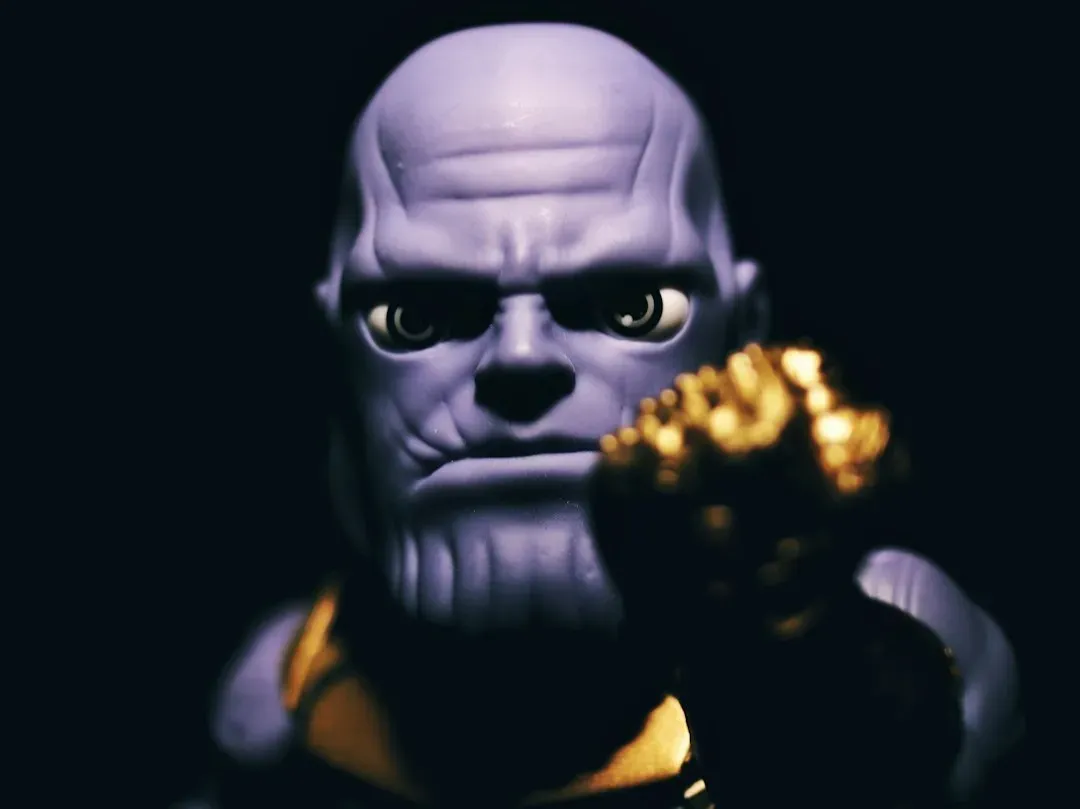
Language barriers can create spoilers that English speaking audiences never even see coming. The original poster for Avengers: Infinity War did not spoil anything, but the one released in Japanese did, since it translates to “Avengers annihilated” in English. That is not a subtle hint buried in a prop. It is close to a direct summary of the ending.
As all fans of the Marvel Cinematic Universe know, the Avengers were indeed annihilated by Thanos in the film’s finale after failing to stop him, resulting in half of all life in the universe perishing, and few posters manage to spoil an ending this cleanly while also setting up sequels. For a franchise built on secrecy and embargoes, it is a strange oversight that one regional poster undid so much careful plotting. Anyone fluent in Japanese effectively got the ending months before release.
Ender’s Game and the final battle

This poster did not hide its spoiler behind symbolism. It put the climax front and center. Viewers who had read the Orson Scott Card novel already knew that Ender would succeed in stopping the hostile aliens and destroying their ships, and the poster confirmed the same outcome for everyone else.
Ender successfully stops the aliens by destroying their ships, which is exactly what the poster depicts, and that victory turns out to be the biggest plot twist in the film, making it almost heartbreaking that the marketing gave it away so easily. The entire film builds toward that one scene through several hours of training and moral tension. Seeing it resolved on a poster months before release stripped away a good deal of the tension that the story worked hard to earn.
None of these posters were designed to ruin anything. In most cases, a marketing team was simply trying to sell a striking image and did not fully consider how much that image gave away once matched against the finished film. Looking back at them now, they serve as a reminder that a poster is rarely just decoration. It is often the first piece of storytelling an audience encounters, whether the filmmakers intended that or not.