There’s a quiet contract between a reader and a book’s opening pages. Before the first real chapter begins, before the protagonist has spoken a single line, the prologue decides whether you stay. Most readers have experienced it: that moment when you read the pre-chapter material intending to skim it and find yourself completely, helplessly absorbed.
A great prologue is all about setting the stage, baiting the tease, opening up the mystery, allowing the reader to come in slowly and, once they’re there, hooking them. The ten prologues below did exactly that. Each one earns its place not through spectacle, but through precision: a well-placed threat, a haunting voice, an unanswered question that refuses to let go.
1. A Game of Thrones by George R.R. Martin

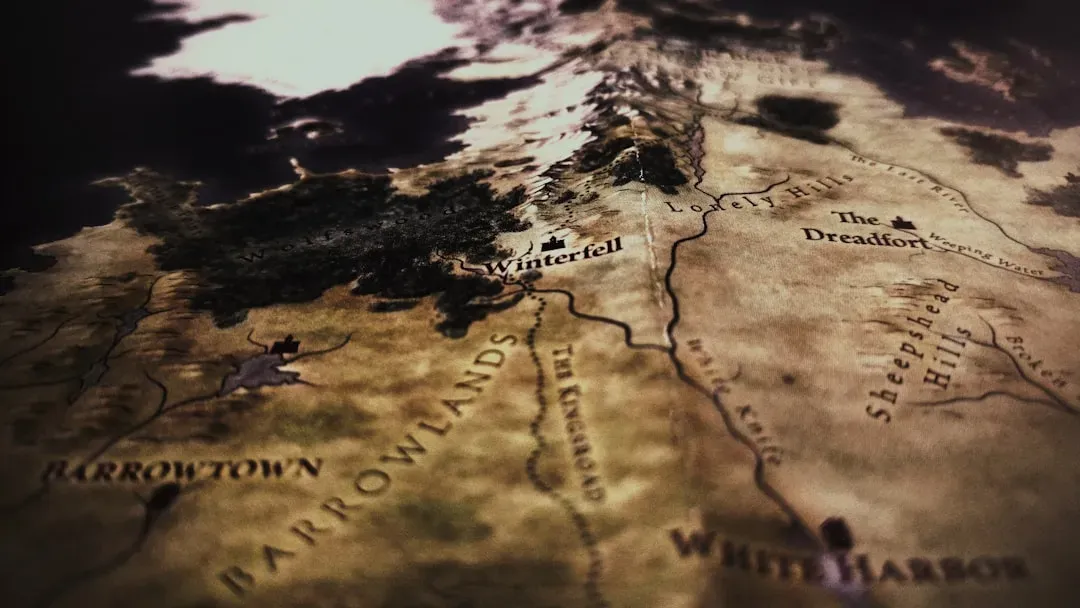
George R.R. Martin is best known for his surprises, and the prologue to his most famous book doesn’t disappoint on that front. There are ten whole pages dedicated to it, and in that time, Martin introduces a whole bunch of characters who are swiftly killed off. It’s a bold move, and it works precisely because it’s so ruthless.
In A Game of Thrones, the book opens with a small party of Night’s Watch ranging into the wild and wintry wastes beyond the Wall. Most are killed by the mysterious Others, which gives the reader knowledge of the overarching threat facing Westeros while its denizens squabble with each other for power. The severity of it sets up the ruthlessness of Martin’s writing for the audience and goes to show that no one is safe, while also successfully giving us a wide scope of the world of Westeros.
2. The Secret History by Donna Tartt

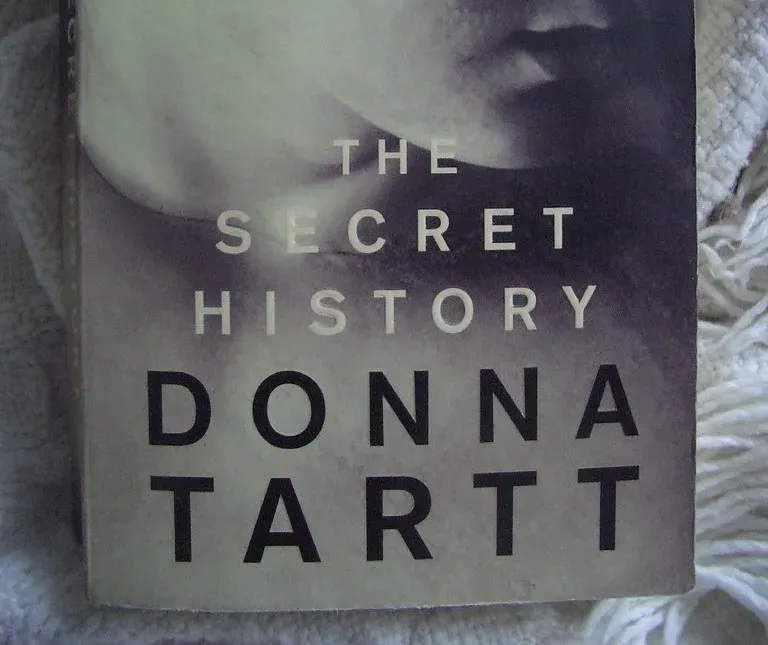
Donna Tartt has described The Secret History as a “whydunit.” It is a mystery story about why a crime was committed, rather than who committed it. Unlike normal murder mysteries, the killers are revealed almost immediately. The reader enters the story already knowing the outcome, and the tension that follows comes from understanding how it was possible.
Tartt’s perfectly suspenseful narrative is divided into three parts: a two-page prologue, Book I, and Book II. The reader starts out both knowing too much and not enough, the prologue revealing a major plot event that only fully culminates at the end of Book I into the first half of Book II. That strange imbalance of knowledge is what makes every subsequent page feel charged with dread.
3. The Fellowship of the Ring by J.R.R. Tolkien

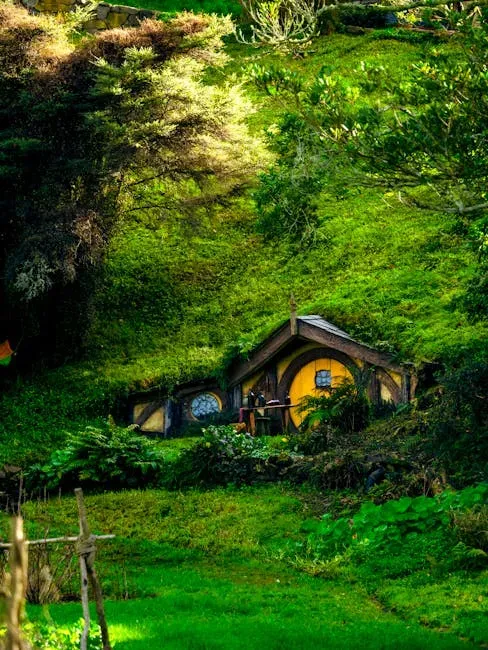
Tolkien’s first installment in the Lord of the Rings trilogy contains a great example of an exposition-style prologue. It is helpful for those who haven’t read the prequel because it goes into plenty of detail about what hobbits are, where they live, and how they behave. It also summarizes the plot of The Hobbit and introduces Bilbo Baggins and his nephew, Frodo Baggins, the novel’s protagonist.
One of the things that makes this prologue work so well is that, through the information provided about hobbits, we get glimpses at how the wider world of The Lord of the Rings works. We’re informed that it’s called Middle-earth, that there are many other races living in it, and that, most importantly, there is a certain magic ring that’s about to reveal its secrets. Tolkien makes world-building feel like discovery rather than homework.
4. The Book Thief by Markus Zusak

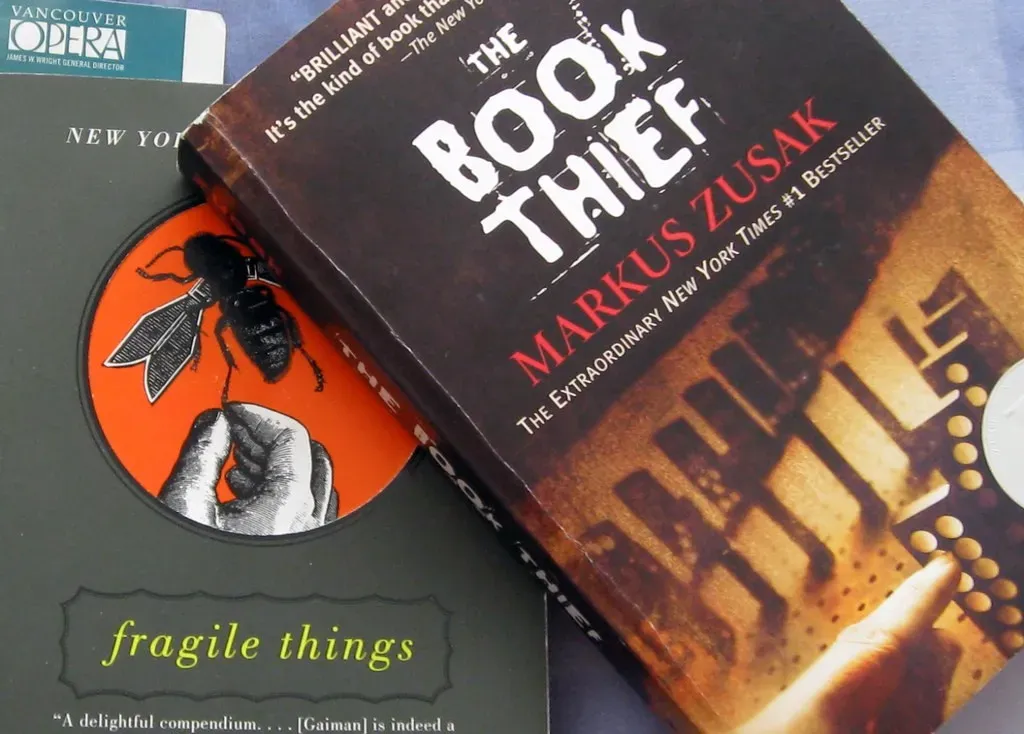
Markus Zusak’s novel The Book Thief is set in Germany during World War II and narrated by the personification of Death. In the prologue, titled “A Mountain Range of Rubble,” Death begins by talking about the three times he encounters the protagonist, a girl named Liesel. It’s a deeply unusual narrative frame, and it grips you from the first sentence.
The first encounter is a flashback, but the third and second refer to major events that happen later in the novel. No specific details are provided, so we’re left feeling curious about the circumstances under which Death meets Liesel, and why he has a connection to her. That withheld information is the engine of the whole book, and the prologue plants it perfectly.
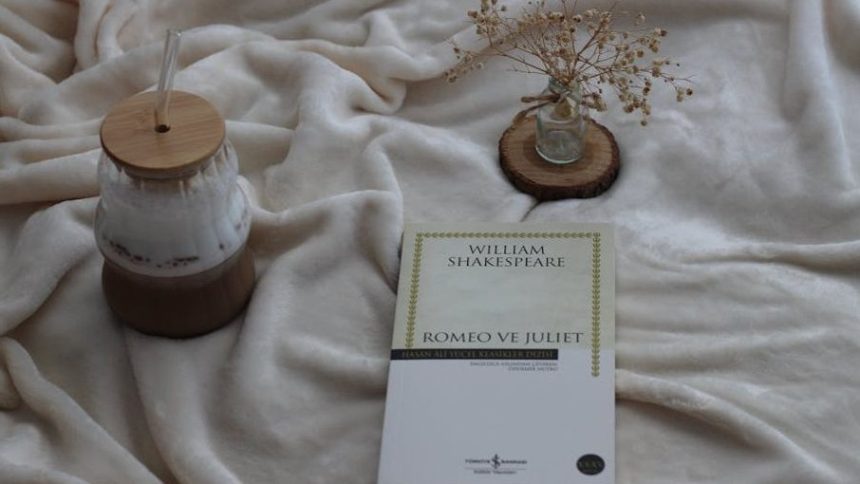
5. Romeo and Juliet by William Shakespeare

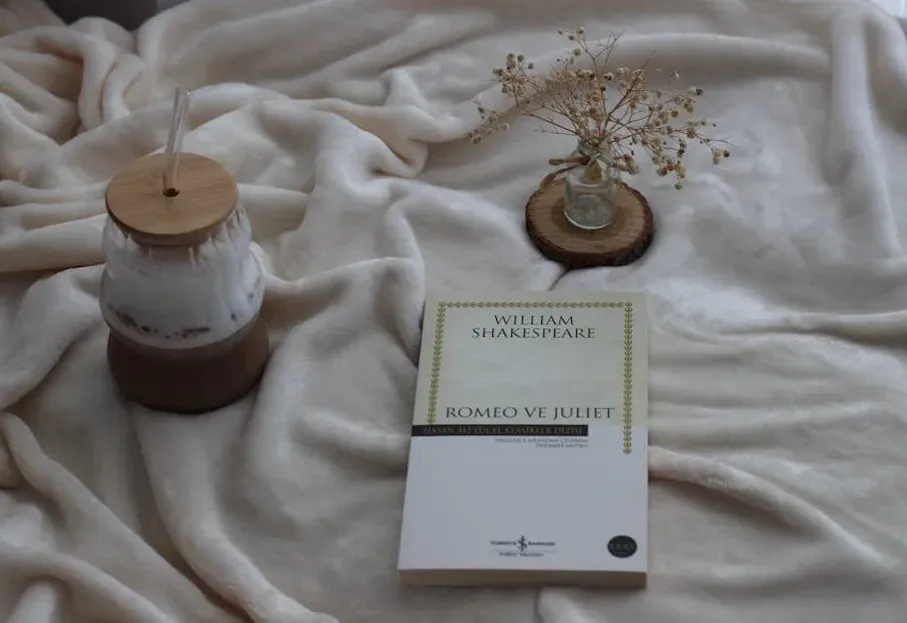
One of the most famous literary prologues of all time, the prologue to Romeo and Juliet takes the form of a sonnet that introduces readers to the setting and characters of the play, as well as the dire situation in which the two star-crossed lovers find themselves. Shakespeare commits an audacious act here: he tells you exactly how the story ends before it begins.
The genius of this approach is that it converts the question of “what happens” into “how does it happen.” Knowing the lovers are doomed from the opening couplet doesn’t deflate the drama. It sharpens it. Every scene between them carries the weight of that foreknowledge, and the audience watches helplessly, unable to stop what is already fated. The word prologue itself comes from the Greek prologos, meaning “before word,” and the Ancient Greeks frequently used it in dramatic works. The invention of the prologue is attributed to Euripides, an influential Greek playwright who predominantly produced tragedies about the darker side of human nature.
6. The Girl with the Dragon Tattoo by Stieg Larsson


Larsson opens the novel with an enigmatic prologue that sets a mysterious tone and structures “The Case of the Pressed Flowers” as a mystery that frames the central mystery: who killed Harriet Vanger? The novel does not reveal the identity of this unnamed man until Chapter 4 when Henrik Vanger reveals his explosive accusation that someone in his family has murdered Harriet. The layers of secrets within secrets heighten the crime thriller genre’s characteristic elements of anticipation and suspense.
The prologue shows how an elderly man gets a rare flower for a birthday present just as he’s gotten each year for decades, and he shares that information with a detective because it’s related to the mysterious and unsolved “Case of the Pressed Flowers.” As a bookend to the prologue, the significance of the flowers is not unveiled until the final chapters. That delayed payoff is immensely satisfying for anyone patient enough to wait for it.
7. Where the Crawdads Sing by Delia Owens


In the bestselling novel Where the Crawdads Sing, Delia Owens offers an entirely different type of prologue. Just one page long, it introduces the reader to the marsh, a setting so essential to the story it could be considered a main character, and to the lyrical narrative voice. The environment itself becomes a presence, and Owens makes you feel its humidity and danger from the very first lines.
The prologue opens the book with a vast description of the environment. It brings the novel to its starting point of October 30th, 1969, where the dead body of a man named Chase Andrews is found in the swamp. The body is spotted by two boys riding bikes from the village, because of the distinctive denim jacket on the body. Since its publication, Where the Crawdads Sing has become a number one New York Times bestseller, with sales of more than 18 million copies worldwide. The prologue is not a small part of that success.
8. Lolita by Vladimir Nabokov

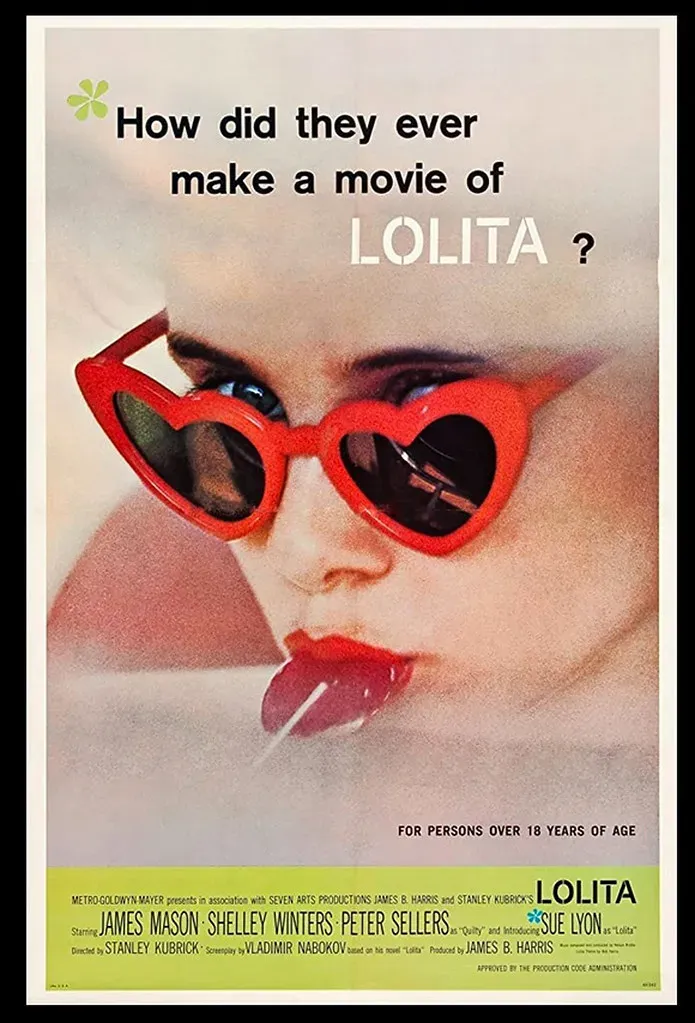
Nabokov’s prologue is designed to heighten the controversy of its subject matter. It takes the form of a fictional foreword by an academic who has supposedly discovered the book and is warning readers of its subject matter prior to chapter one. The device creates a layered fiction: a fake authority figure vouching for a deeply unreliable narrator within a story already wrapped in moral ambiguity.
The brilliance of it lies in how the supposed warning operates as an invitation. By framing the text as dangerous, scandalous, and important, Nabokov ensures that readers are primed for exactly the transgressive intensity they’re about to encounter. Some prologues cleverly foreshadow future events, offering tantalizing clues that reward attentive readers when they occur later in the plot. Nabokov’s prologue does something stranger and more subversive still: it foregrounds the reader’s own complicity before they’ve read a single sentence of the actual novel.
9. Jurassic Park by Michael Crichton

Crichton actually offers two prologues in Jurassic Park, each showcasing a different style. The first reads like a legal document, outlining the seriousness of an “incident” and the “remarkable events” that followed. This quasi-scientific, bureaucratic framing is deliberate: it signals that what you’re about to read is bigger than fiction, anchored in systems and consequences that extend beyond any single character.
Crichton employs two literary techniques, dramatic irony and foreshadowing, to establish the beginning of Jurassic Park as a quickly unfolding mystery. Almost immediately, a character is suspicious of the nature of an InGen construction worker’s injuries, which foreshadows InGen as a source of suspicious activity. The reader senses that something enormous is being concealed, and that unease carries through every page that follows.
10. The Marriage Portrait by Maggie O’Farrell

Perhaps the most common use of the prologue is to foreshadow events to come or to set up a mystery, thereby prodding readers to embark on a journey to solve it. Some of the best prologues tell or hint at the end of the story, leaving readers eager to see how the character gets from Point A to Point B. One striking example of this type of prologue is from Maggie O’Farrell’s The Marriage Portrait.
It’s a risky gambit O’Farrell is using here: revealing what appears to be the end of the story, this young woman’s murder. Yet it worked, and judging by the book’s popularity, for other readers as well. Many find themselves hoping at every turn that Lucrezia could somehow save herself from her husband’s diabolical plan. Prologues should serve a clear purpose: they should whet readers’ appetite for the story to come, set up questions in readers’ minds, and be brief and concise. O’Farrell’s prologue does all three in the space of a single, devastating page.