
Some TV characters simply refuse to stay put. A show wraps up, the credits roll for the last time, and you’d expect that to be the end. Yet certain characters carry such a strong pull, such a distinct voice or presence, that they find ways to keep going, whether through spinoffs, revivals, reboots, or entirely new chapters long after their home turf went dark.
What makes this phenomenon genuinely interesting is that it rarely happens by design. Most of these characters started as supporting players, comic relief, or even last-minute additions to a cast. The audience, not the writers, decided they deserved more time. Here are ten of the most compelling examples from television history.
1. Frasier Crane – From Cheers to His Own Empire


The character of Frasier Crane was created for the third season of Cheers and was intended to only appear in a handful of episodes, although Kelsey Grammer’s performance was so impactful that he’s still playing him to this day. That’s a remarkable trajectory for a character who started as little more than a recurring foil for Sam Malone.
This led to the creation of Frasier, which ran for an impressive 11 seasons, from 1993 to 2004, collecting a record 37 Primetime Emmy Awards. Frasier’s story didn’t stop there; in 2023, the character was revived in a brand new reboot, reintroducing him to both loyal fans and new viewers. Few sitcom characters have covered that kind of ground across so many decades while remaining recognizably themselves.
2. George Jefferson – Moving On Up Past All in the Family

While All in the Family had an impressive nine-season run, The Jeffersons outlived its original series by two more seasons, for a total of 253 episodes. Despite the disparity in lengths, both are considered legendary sitcoms that remain some of the most influential entries in the medium. George Jefferson, the sharp-tongued, ambitious dry cleaner from Queens, proved that a supporting character could carry an entire world of his own.
The Jeffersons could have lasted even longer if given a proper ending, but unfortunately, the sitcom was canceled without a proper send-off or even a heads-up to the cast starring in the show. The abrupt cancellation stung all the more because the show had built such a loyal following over more than a decade. George Jefferson remains one of television’s most enduring comic archetypes, a character whose energy never really needed the original show to justify his existence.
3. Saul Goodman – Comic Relief Who Became a Tragic Hero


Saul first appeared in “Better Call Saul” (2009), the eighth episode of Breaking Bad’s second season. He was created to provide Walt and Jesse with a guide for their criminal activities and to replace Hank Schrader as Breaking Bad’s comic relief. Nobody at the time expected much more than a recurring joke. Although Odenkirk was initially cast for only four episodes as a guest actor, he became integral to the Breaking Bad narrative after Gilligan and Gould were impressed by his performance; Odenkirk subsequently joined the main cast in the third season and remained through to the fifth and final season of the show.
Better Call Saul is primarily a prequel that focuses on Jimmy McGill, a former con artist aiming to gain respectability as a public defender, and chronicles his gradual transformation into his eventual Breaking Bad persona of Saul Goodman, the flamboyant criminal lawyer with ties to the drug cartel. By the end of Better Call Saul, Saul had evolved into every bit the complex, three-dimensional, near-Shakespearean tragic hero that Walt was in the original series. That evolution from throwaway comic character to the moral center of a six-season drama is genuinely rare in television history.
4. The Doctor – Television’s Most Indestructible Character


The Doctor, the enigmatic hero of Doctor Who, is one of television’s longest-surviving characters, first appearing in 1963. The genius of the character is regeneration, a built-in mechanism that allows The Doctor to change appearance and personality, played by different actors across decades. It’s a clever piece of storytelling engineering that solved every conceivable casting problem before they even arrived.
Despite periods of cancellation, notably between 1989 and the 2005 revival, The Doctor always returns, fresh and ready to save the universe again. As of the mid-2020s, Doctor Who continues to be a global phenomenon, with each new Doctor bringing a unique spin while respecting the character’s history. The show has outlived networks, broadcasting eras, and generations of its own audience, which is a feat almost no other character in television can claim.
5. Steve Urkel – The One-Time Guest Who Swallowed a Whole Show

Family Matters was a spinoff from the ABC sitcom Perfect Strangers. Midway through the first season, the show introduced the Winslows’ nerdy neighbor Steve Urkel, originally as a one-time appearance. However, he quickly became the show’s breakout character and eventually the main character, joining the main cast. The show was originally built entirely around a different family, which makes Urkel’s takeover one of the most dramatic character pivots in sitcom history.
Midway through Season 1, the annoying neighbor and Stereotypical Nerd Steve Urkel was introduced, intended as a one-shot character revolving around Carl finding a tame guy to take his daughter Laura to a dance. Running for 215 episodes over nine seasons, Family Matters became the third-longest-running live action American sitcom with a predominantly African-American cast. Urkel didn’t just outlive his original purpose. He outlived the entire premise the show was built around.
6. Gibbs and the NCIS Team – Born Inside a JAG Episode

More recent fans might not be aware, but NCIS was originally a spin-off of the CBS series JAG, where the concept and characters appeared in a two-part storyline in season 8. It’s the kind of origin story that sounds almost accidental, a backdoor pilot tucked inside a procedural that had nothing to do with naval criminal investigation.
Although JAG was a reliable ratings draw for CBS, NCIS became one of the most lucrative franchises in network television. Although it started in 2003, it’s still running strong, with spinoffs set in Los Angeles and New Orleans, to name a few. The characters introduced in those original JAG episodes didn’t just outlive their birth show – they gave rise to an entire franchise that dwarfs it several times over.
7. Angel – The Vampire Who Needed More Room

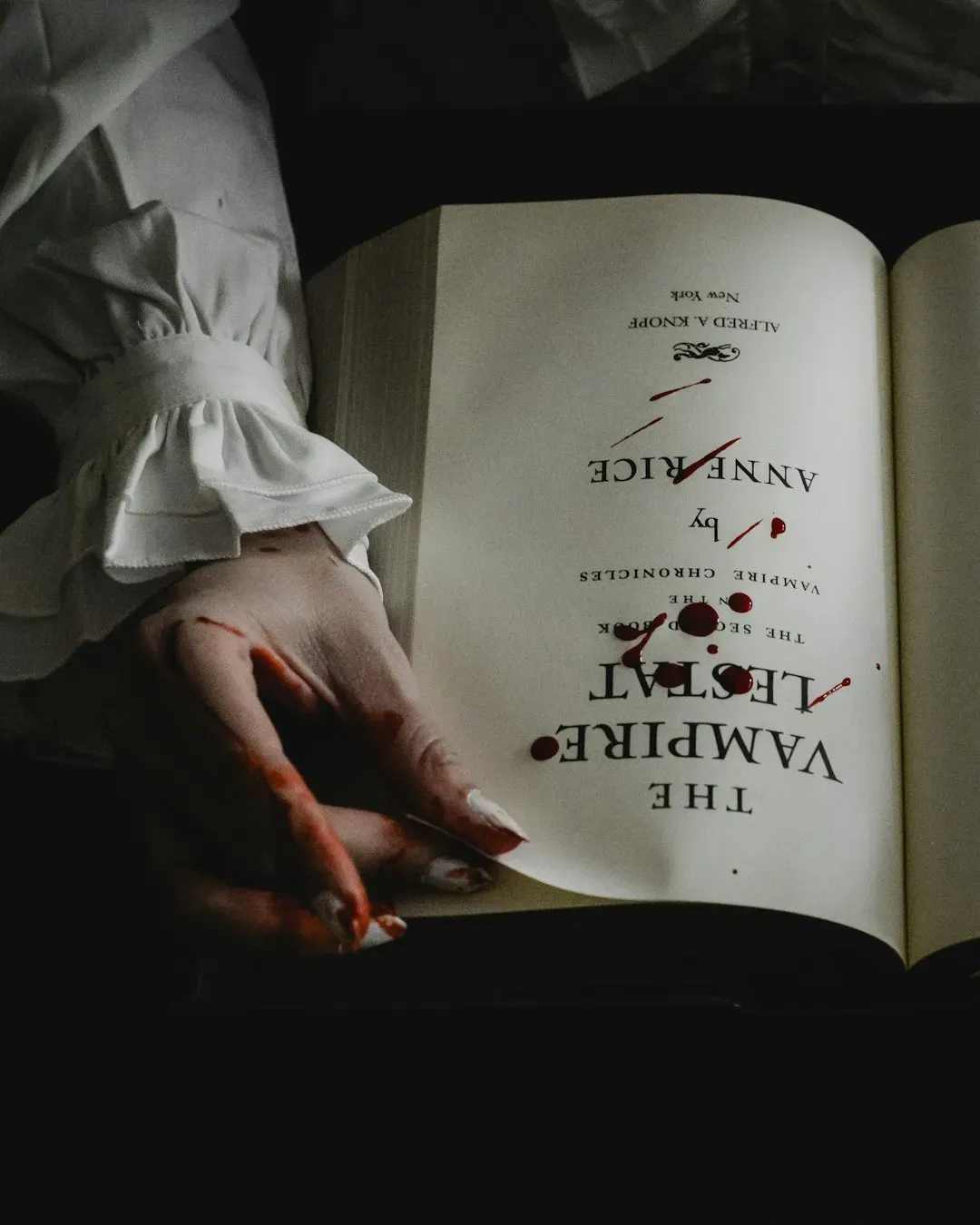
Buffy The Vampire Slayer was a phenomenon in the 1990s, so naturally The WB wanted to spin off one of its most popular characters: Angel, the vampire with a soul who seeks redemption for his past evil deeds in Los Angeles as a private investigator. The character had always carried more psychological weight than Buffy’s episodic format could fully explore.
While the stories in Buffy often acted as allegories for growing up and trials of adolescence, Angel had a grittier, noir tone and explored his attempts at redemption and making up for the evil deeds of his ruthless past. The show’s darker tone, witty sense of humor, more mature themes, and strong character development won audiences and critics over, with many considering it even better than Buffy. The show ran for five seasons on The WB before being cancelled. Angel stepped out of someone else’s story and into a completely different genre, which is no small trick.
8. Captain Jean-Luc Picard – The Next Generation of a Cancelled Franchise

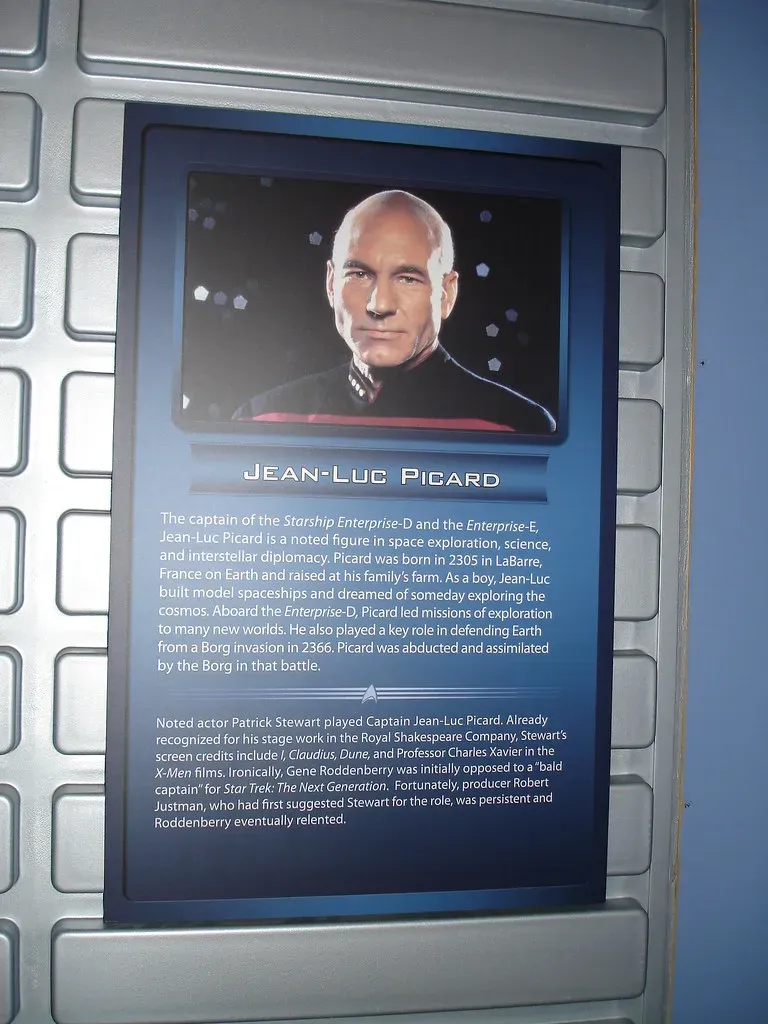
As the first live-action spinoff of Star Trek: The Original Series, Star Trek: The Next Generation benefitted from more advanced technology, better visual effects, improved storytelling, and a more complex, less campy narrative. Led by the indomitable Patrick Stewart as Captain Jean-Luc Picard, The Next Generation gifted its characters better opportunities for development in more complex stories, allowing a wider audience to fall in love with Star Trek during its impressive seven-season run.
After the original series aired from 1966 to 1969, Star Trek: The Next Generation, set a century after Captain James T. Kirk’s five-year mission, was the next series to make its way to small screens in 1987. The second show ran for seven seasons. Picard himself later received his own continuation in the form of Picard, a separate series that gave him yet another new chapter decades after The Next Generation ended. That’s a character whose lifespan now spans more than half of television history.
9. Stewie Griffin – Survived a Cancellation and Came Back Stranger

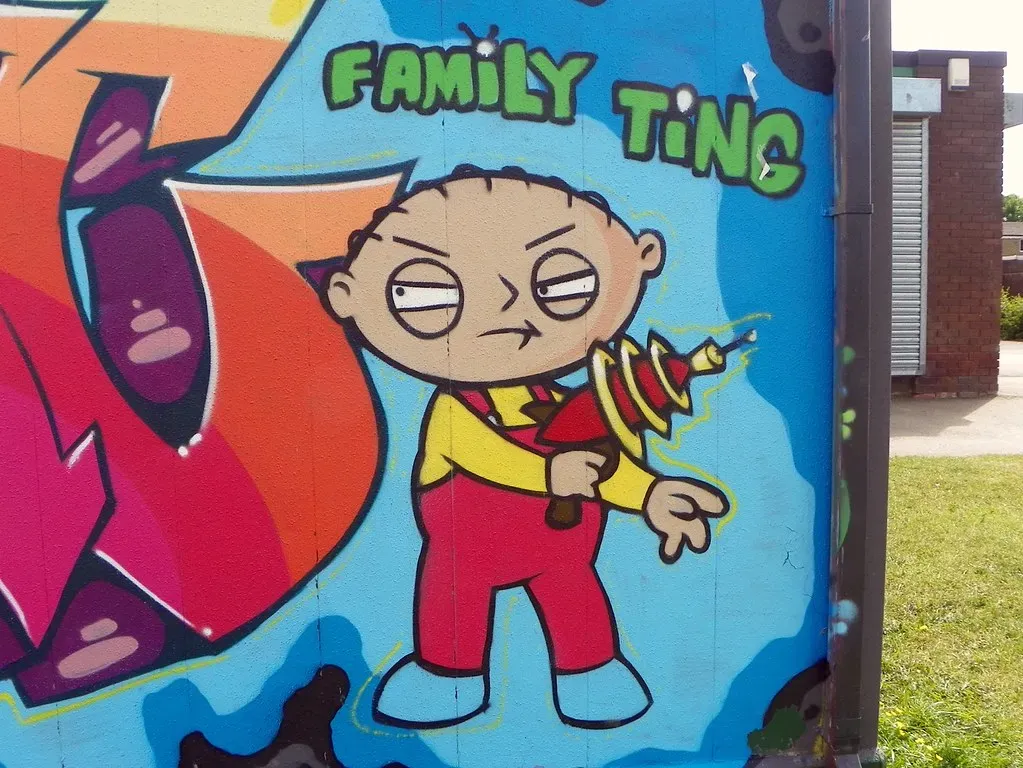
Stewie Griffin, the precocious and often villainous baby from Family Guy, has been a central figure since the show’s debut in 1999. What sets Stewie apart is that he survived not just the end of a show, but also its cancellation. Family Guy was canceled in 2002, but overwhelming fan demand and DVD sales brought it back in 2005, making Stewie one of the rare TV characters to return from the dead, literally and figuratively.
The revival of Family Guy based on DVD performance was a genuinely unusual event in television, a case where home video sales made a business case that network ratings couldn’t. Stewie, with his shifting motivations and increasingly absurdist storylines, became even more central to the show after its return than he had been before cancellation. His story is a reminder that audience loyalty, if strong enough, can override almost any industry decision.
10. Daria Morgendorffer – From Beavis and Butt-Head’s World to Her Own

Beavis and Butt-Head would also serve as the jumping-off point for the animated spinoff Daria, which followed Daria Morgendorffer as she left Highland, Texas, for the manicured suburbia of Lawndale. She had been a recurring straight-man presence in a show built around its two leads’ relentless stupidity, but her quiet intelligence and cutting observations clearly struck a nerve with viewers.
Daria was a celebration of misfits and those who stood against the status quo of modern life and was the perfect encapsulation of the low-energy, anti-corporate stance of Generation X teenagers. While Daria started life as a spin-off, it was not overseen by Beavis and Butt-Head creator Mike Judge and instead carved out its legacy and identity through Daria’s unapologetic intelligence and independence, making her a feminist icon. She didn’t just outlive the show she came from. She essentially repudiated it, building something tonal and thematically distinct from the world that first introduced her.
Looking across all ten of these characters, a pattern emerges. The ones who outlive tend to have something unresolved about them, a backstory that wasn’t fully explored, a voice that felt too specific to belong only to a supporting role, or an energy that kept pulling viewers back regardless of what the network decided. Television is full of shows that came and went, but the characters who refuse to disappear are usually the ones who felt real enough to exist somewhere beyond the story they were born into.