Most stories begin with a clear central spine. A hero has a goal, a villain stands in the way, a world hangs in the balance. Writers plan their main plot with care, and readers follow it dutifully. Then something strange happens: a smaller thread, introduced almost as decoration, quietly outgrows its container.
Some narrative threads become so monstrous on their own that there is little option but for them to infiltrate the main plot. The strength of the characters within them, or the way the protagonist simply cannot ignore them, means they become increasingly important – right up until they are indistinguishable from the main plot itself. The ten examples below are proof that a story’s real heart is sometimes hiding in plain sight.
Snape’s Love for Lily – Harry Potter
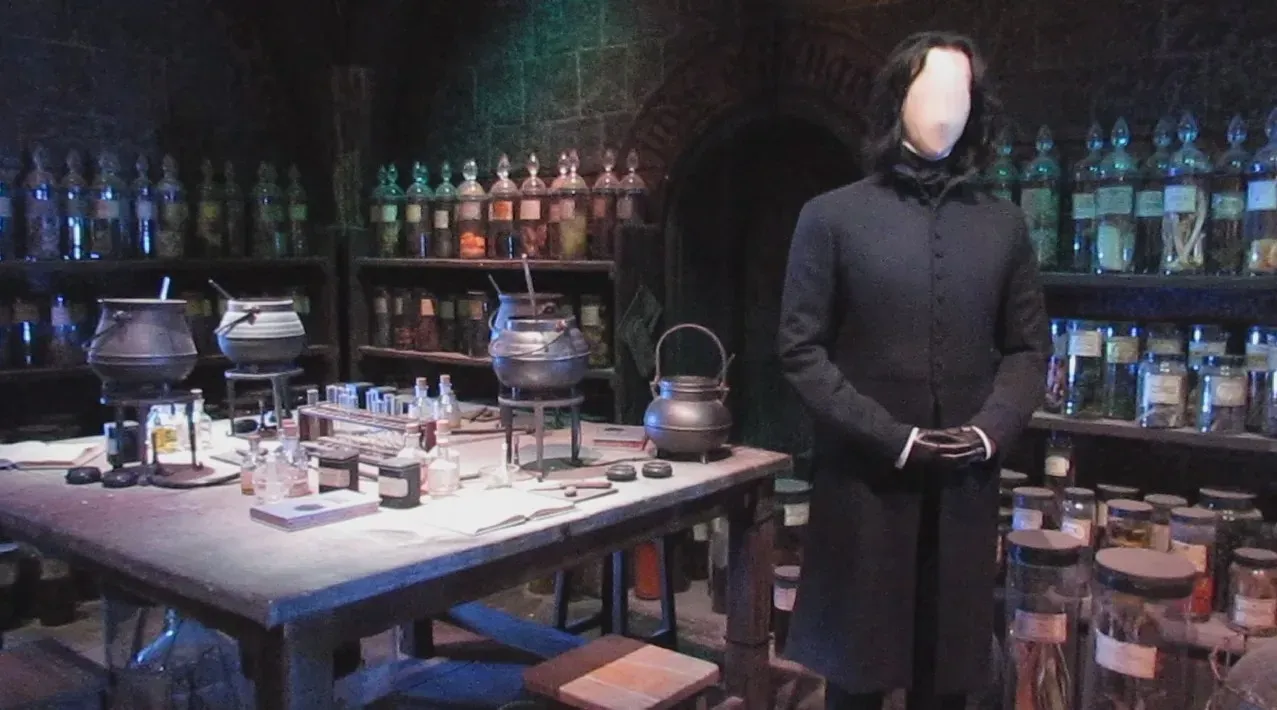
For six books, Severus Snape reads as a bitter antagonist with a petty grudge against the boy who lived. His hostility seems rooted in cruelty, and most readers are happy to accept that explanation. As the series unfolds, a secret is revealed that changes everything: Snape’s lifelong, heartbreaking love for Lily Potter, Harry’s mother. This hidden devotion drives so many of his choices, from protecting Harry behind the scenes to risking his own life.
Subplots play a critical role in character development within films and literature. They peel back the layers of a character, revealing vulnerabilities, strengths, and the intricacies of personalities that may not be immediately evident in the main plot. Snape is perhaps the purest example of this in modern fiction. Without his subplot, the entire moral architecture of the series collapses.
Gollum’s Obsession With the Ring – The Lord of the Rings

Gollum’s obsession with the One Ring starts as a side story but grows into the emotional core of “The Lord of the Rings.” His struggle mirrors real-life battles with addiction, making him both pitiful and dangerous. The duality in Gollum’s personality, torn between Smeagol and his darker self, keeps readers on edge.
In the end, it is Gollum’s addiction that seals the fate of Middle-earth, as he inadvertently destroys the Ring during his final, desperate act. According to the Tolkien Society, Gollum is named among the most compelling and tragic figures in fantasy literature. Tolkien could have made him a footnote. Instead, he became the story’s pivot point. No Gollum, no resolution.
Inigo Montoya’s Revenge – The Princess Bride

Everyone remembers Inigo Montoya’s quest for revenge in The Princess Bride, proving that some side stories can outshine their film’s main plots. Westley rescuing Buttercup is technically the central story, yet Inigo’s pursuit of the six-fingered man is what most audiences carry with them out of the theater. His journey is grief made kinetic.
Inigo’s subplot slowly but surely moves toward the main plot, finally intersecting when he needs to rescue Westley from death to exact his revenge. Those two stories feed one another, clearly weaving together by the end. They dovetail and become one. That’s the ideal shape of a subplot that defines a whole story: it doesn’t just support the main action, it completes it.
Jesse Pinkman’s Arc – Breaking Bad

Jesse Pinkman wasn’t supposed to survive the first season, but his character resonated so deeply with viewers that his role became central. What began as a convenient plot device, a former student who could connect Walter White to the drug trade, evolved into the show’s moral compass. Jesse’s suffering became the audience’s emotional anchor in a story that grew increasingly dark.
Writers and filmmakers can use subplots to expose formative backstories and internal conflicts. These elements provide context to a character’s decisions and behaviors, deepening the audience’s connection and empathy towards them. Jesse’s fractured relationships, guilt over Jane’s death, and eventual enslavement are not peripheral events. They are what Breaking Bad is actually about, underneath all the chemistry.
Lydia Bennet’s Elopement – Pride and Prejudice
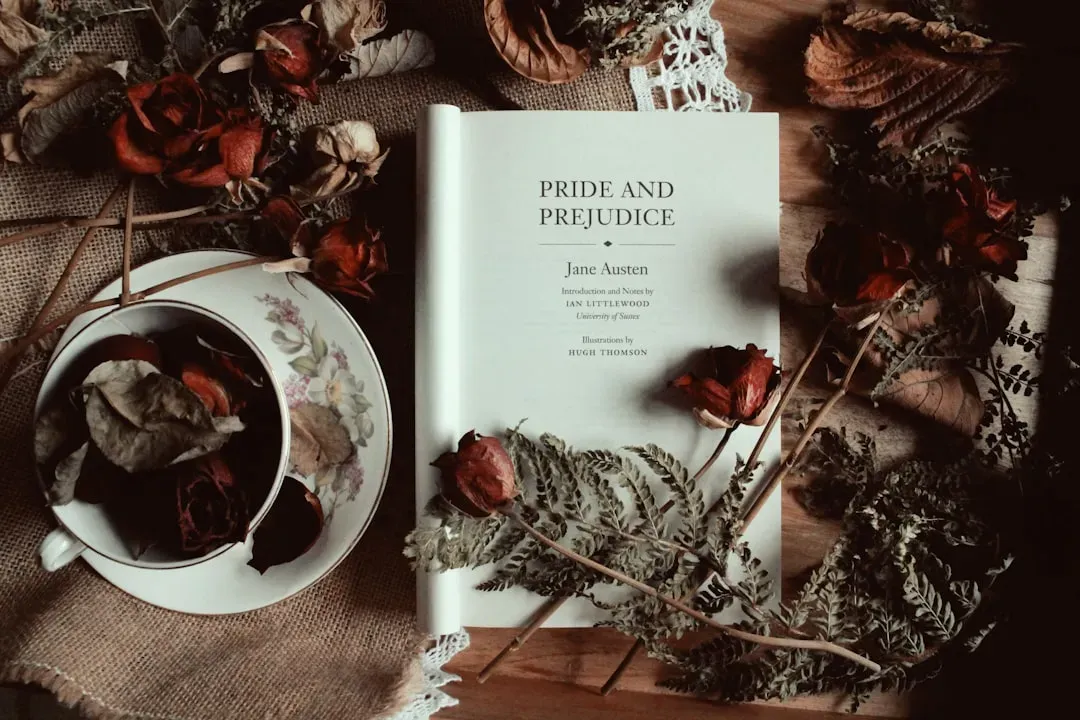
The subplot involving Lydia Bennet’s elopement with Wickham isn’t merely a side story. Lydia’s recklessness threatens the Bennet family’s reputation, which in turn pressures Elizabeth and her sisters to secure respectable matches. This subplot underscores the thematic importance of reputation and societal expectations.
Partner offer
Jane Austen plants Lydia’s wildness early, but it takes most of the novel to understand why. When the elopement finally happens, it doesn’t feel like a detour. It feels inevitable, and it reframes the entire romantic stakes of the central story. A subplot can delve into themes that the main plot only touches upon, adding layers of meaning. Austen used Lydia to say what Elizabeth’s more restrained arc could not.
Shosanna’s Vengeance – Inglourious Basterds

The main plot of Inglourious Basterds concerns itself with the title characters on a hunt for Nazis, but the driving force that anchors the movie is a subplot revolving around Shosanna. Years after narrowly escaping a Nazi attack that killed her family in the opening scene, Shosanna takes the steps to exact vengeance against Col. Hans Landa.
The plot revolving around the Basterds isn’t bad, but for most audiences, they are most invested in everything revolving around Shosanna. Her story is often the audience’s biggest takeaway and a big reason why Inglourious Basterds became so beloved. Tarantino gave her subplot the film’s most tense scene, its most elegant conclusion, and arguably its most meaningful emotional payoff.
Ophelia and Polonius – Hamlet

While Hamlet’s quest for revenge is the central focus, the subplot involving Ophelia and Polonius adds layers of tragedy and complexity. Ophelia’s descent into madness, fueled by Hamlet’s rejection and her father’s death, mirrors Hamlet’s own internal turmoil. She serves as a kind of dark reflection, showing what happens when grief is not contained by purpose or action.
The subplot explores themes of betrayal, loss, and the destructive power of grief. It isn’t just about Ophelia; it provides a poignant counterpoint to Hamlet’s actions and expands the play’s emotional depth. Shakespeare constructed Ophelia’s arc as a warning the audience sees clearly, even when Hamlet cannot. That dramatic irony is what makes the play so difficult to shake.
Lieutenant Dan’s Redemption – Forrest Gump
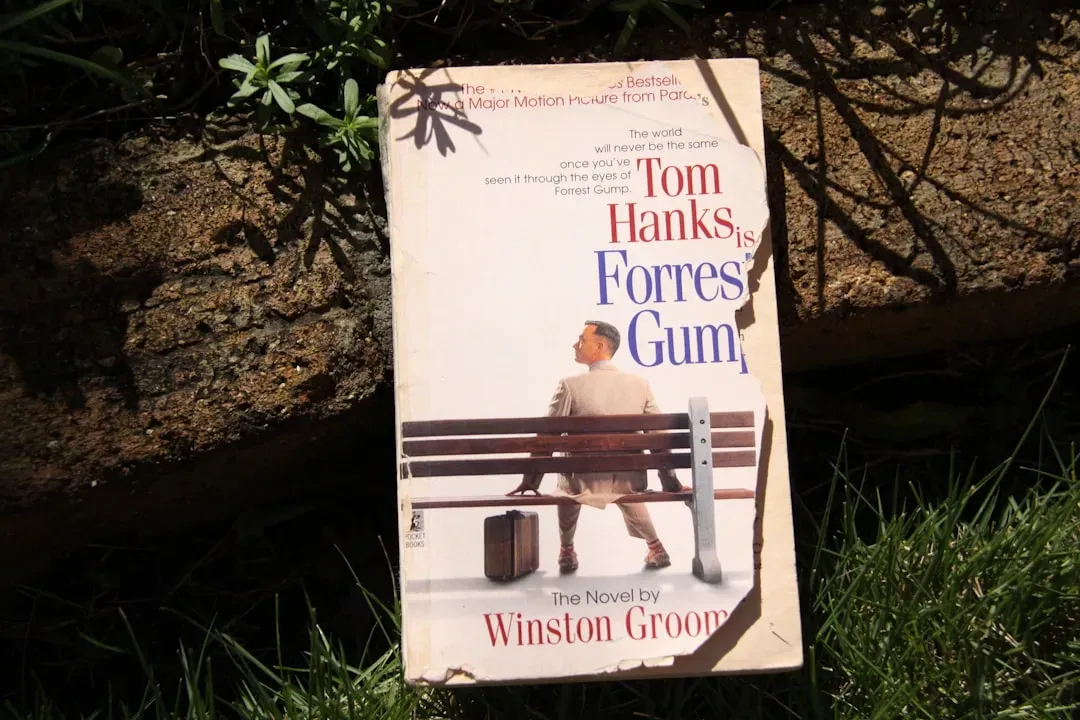
Lieutenant Dan Taylor, Forrest’s former commanding officer turned business partner, is one of the best supporting characters ever written. While Forrest ends up unwittingly making his way through the plot, Dan goes through physical and emotional turmoil and comes out on top. After losing his legs in Vietnam, Dan has a character journey of his own as he is shown to struggle with his recovery.
When he reunites with Forrest, Dan slowly begins to reevaluate his life and makes peace with himself and with his faith. Gary Sinise captures every side of Dan phenomenally, and in the end Lieutenant Dan’s journey is arguably even more impactful than Forrest’s. Forrest’s relationship with Jenny, who he has known since childhood, is fully developed in subplots that show more of who Jenny is outside of her relationship with Forrest, helping to create a full picture of how the two have come to know and understand each other. Yet it is Dan who carries the film’s spiritual weight.
Magwitch’s Secret – Great Expectations
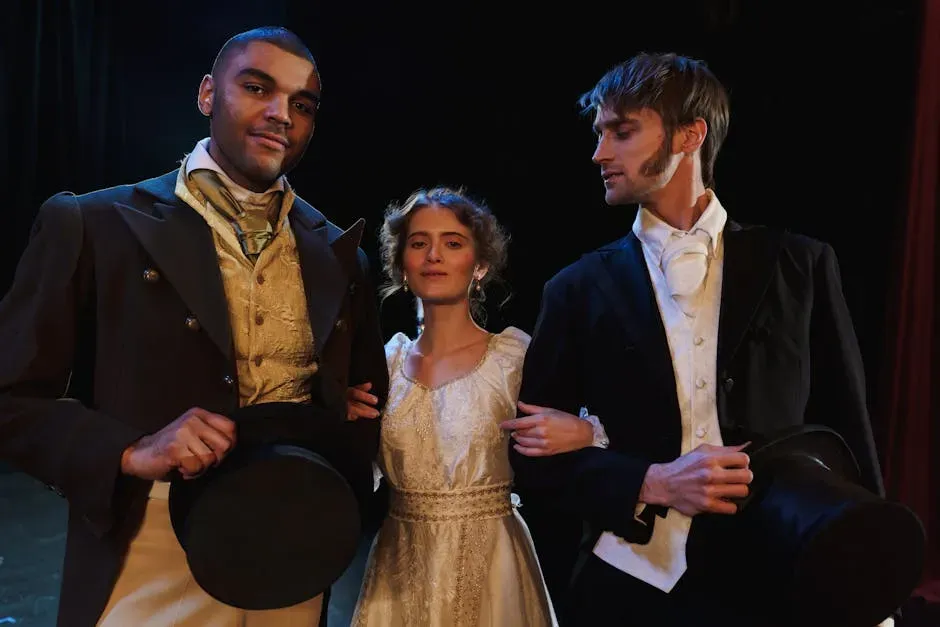
In Charles Dickens’s novel Great Expectations, the protagonist Pip has an unknown benefactor. Late in the book it’s revealed to be the criminal Magwitch. Magwitch’s storyline is a subplot which intersects with Pip’s only at the most important moments. For most of the novel, the mystery of who funds Pip’s rise sits quietly beneath the social comedy and romantic longing.
In Great Expectations, Pip’s interactions with Magwitch force him to reevaluate his values, leading to significant character growth and shifting his views on class and status. The revelation isn’t just a plot twist. It dismantles everything Pip thought he understood about respectability and worth. Dickens used Magwitch’s subplot to deliver the novel’s true argument about class, and it lands harder than anything in the main story.
Chiron’s Relationship With His Mother – Moonlight

As Chiron comes to terms with who he is, in different ways and within three different time periods, his mother’s presence consistently haunts him. Throughout Moonlight, Chiron’s relationship with his mother is a subplot that helps define his internal conflict. It’s represented both literally, when we see him interact with her, but also metaphorically, when he can’t shake her image from his mind. What starts out as part of setting up Chiron’s world becomes an important part of piecing together his personality.
Characters are often defined by their relationships, and subplots are an excellent medium through which these dynamics can be explored. Whether it’s a romance that challenges a protagonist’s ideals or a rivalry that tests their limits, subplots provide the space for these relationships to unfold. In Moonlight, the mother subplot does something even rarer: it shows love and damage as inseparable, and in doing so, it explains a man’s entire inner life without ever fully resolving itself. That unresolved quality is precisely what makes it defining.
Partner offer
Planning a trip to Vegas?
Compare hotel rates and show tickets on VEGAS.com.