


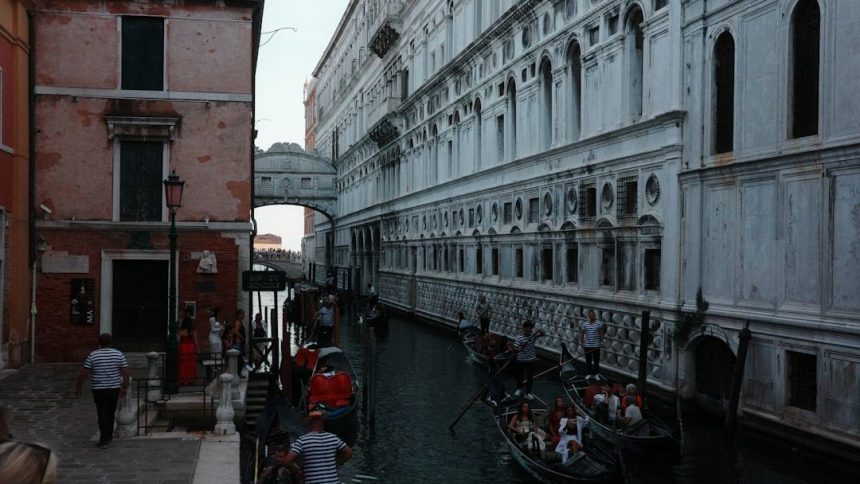
Something has quietly shifted in the world of travel. The cities you have dreamed about visiting, the ones plastered across Instagram and pinned on bucket lists, are now charging you just to show up. Not for a museum, not for a ride, not for a meal. Just to walk through their streets or stand in front of a famous fountain.
In 2026, tourists are encountering new “pay to visit” policies popping up from Japan to Europe, with popular destinations adding or increasing nightly hotel taxes, visitor levies, and even entry fees for day-trippers. The trend is largely driven by overtourism, with record visitor numbers straining local infrastructure and heritage sites. The question nobody is really asking out loud is this: is it working? Let’s find out.
Venice, Italy: The City That Started a Global Movement

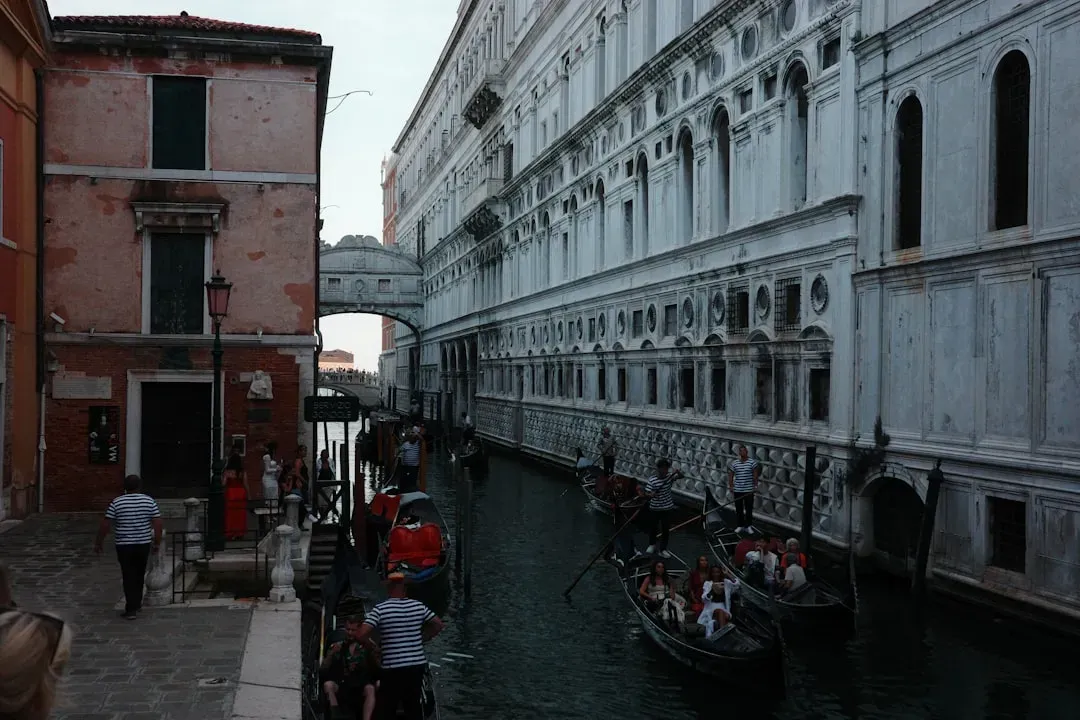
Let’s be real, Venice had no choice. Venice made global headlines in April 2024 as the first city to impose a €5 entry fee for day visitors. The mandatory ticket to access Venice is valid on 60 days in 2026, from April 3 to July 26, 2026, from 8:30 AM to 4:00 PM.
The amount of tax to enter Venice has been set at 5 euros for anyone over the age of 14, provided you pay before the fourth day of your arrival, after which the rate rises to 10 euros. The fee is not technically a “ticket” to enter Venice, but rather a contribution to maintaining the infrastructure and services needed to sustain millions of visitors each year.
In 2025, a total of 723,497 visitors paid Venice’s daytripper fee, resulting in revenue of €5,421,425, though the daily average number of visitors was only slightly less than the previous year. The fee hasn’t really stopped the crowds. It’s just generated revenue. Honestly, that tells you everything about the limits of small fees as crowd control tools.
If you’re caught without a valid QR code, you could be fined between 50 and 300 euros. Critics warn the fee risks turning Venice into a “theme park,” stripping away its authenticity and offering little benefit to locals, while others argue it fails to tackle deeper problems, including a shortage of long-term rentals as landlords prioritize more lucrative short stays.
Rome, Italy: Even the Trevi Fountain Isn’t Free Anymore

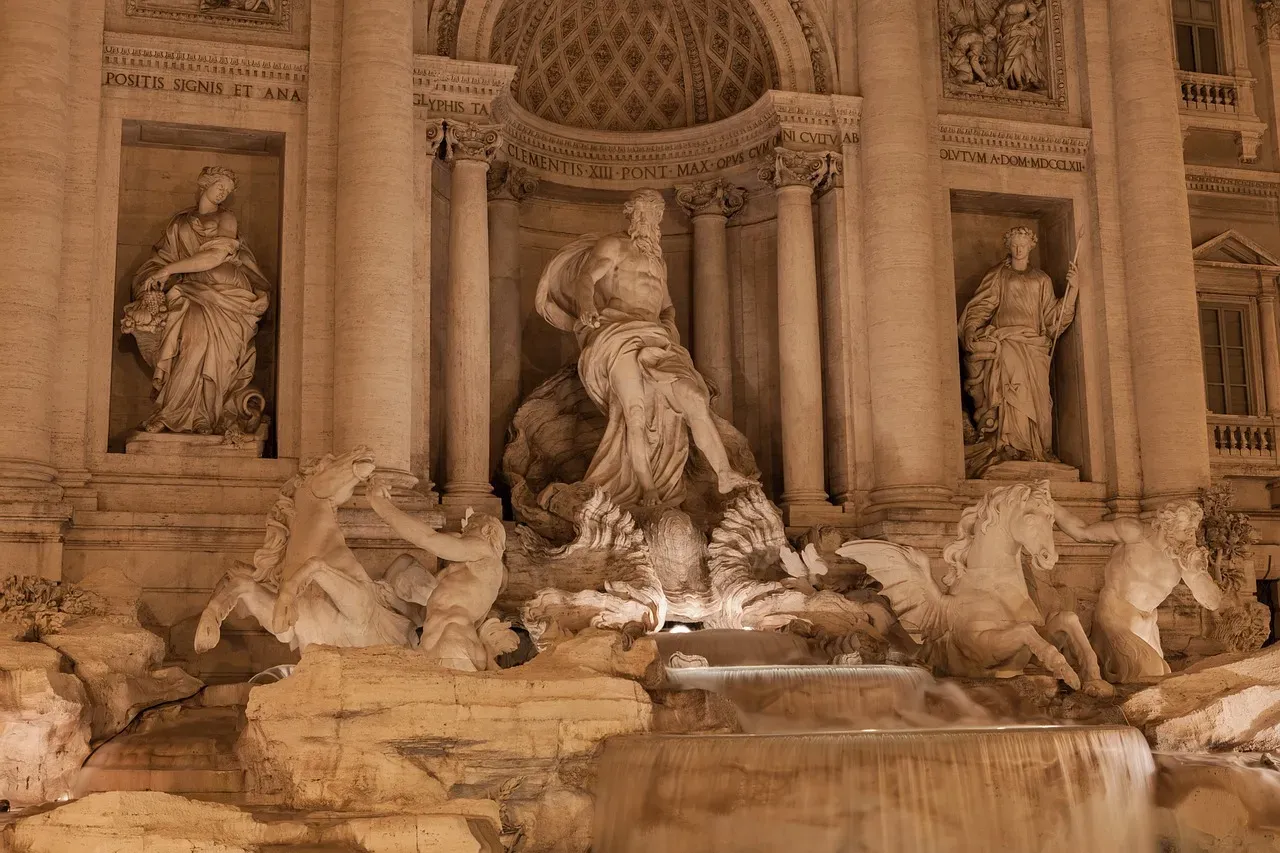
Tourists visiting the Trevi Fountain are now going to pay more than just the legendary coin toss. Starting February 1, 2026, the city of Rome imposed a 2-euro fee for tourists to get close to the fountain during prime-time daylight hours. The view for those admiring the late Baroque masterpiece from the piazza above remains free.
The fountain area welcomed approximately 9 million visitors in 2025 alone, with daily averages of 30,000 people and peak days reaching a staggering 70,000 tourists cramming into the historic piazza. That is not a tourist attraction anymore. That is a human traffic jam in front of a masterpiece.
The city expects to generate €6.5 million annually from the Trevi Fountain fee, with revenues dedicated to monument maintenance, crowd management systems, and providing free museum access for local residents. Rome’s mayor also announced the city is introducing entrance fees at five other sites, though none are as famous or as overwhelmed with visitors as the elaborate 18th-century fountain.
Barcelona, Spain: A City That’s Simply Had Enough

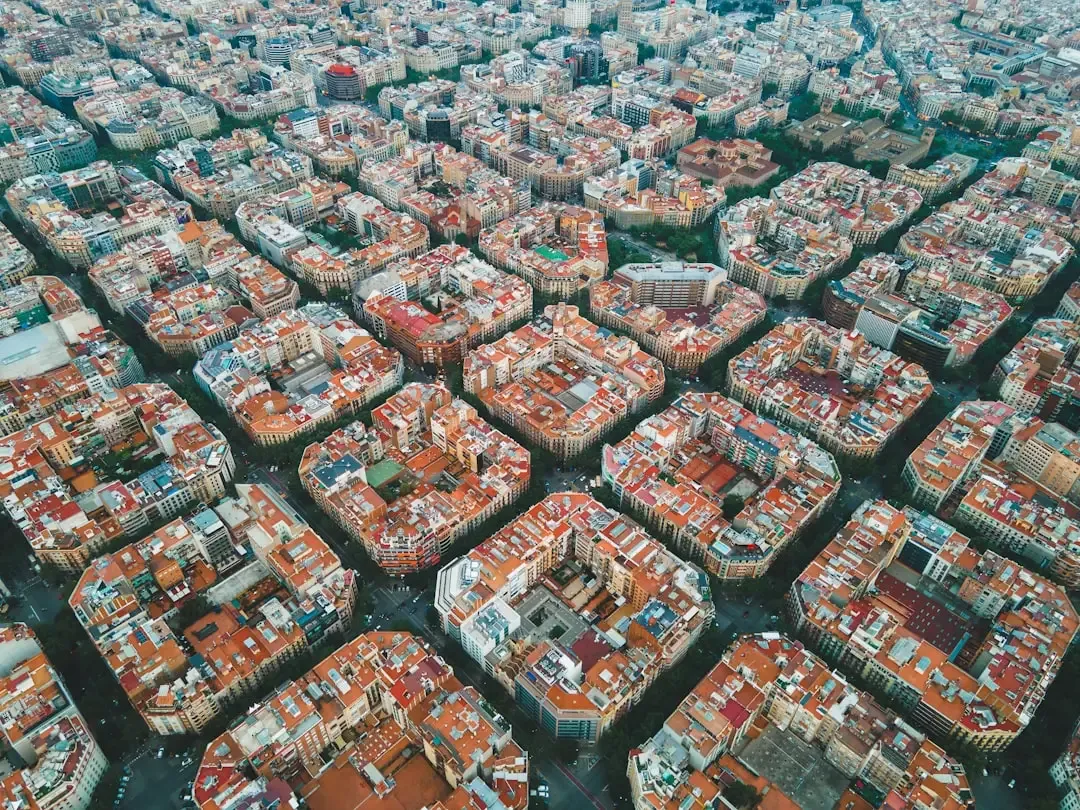
With a staggering 32 million annual visitors and a population of just 1.6 million, Barcelona has become a poster child for overtourism. That means roughly twenty tourists for every single resident annually. Think about that for a second. Imagine twenty strangers wandering through your neighborhood for every one person who actually lives there.
Catalonia will entail, in particular for Barcelona, a doubling of the tourist tax amount with a progressive system linked to territory and seasonality, taking effect on April 1, 2026. In the Spanish city, with 16 million tourists in 2025, the tax in hotels will rise from 3.5 to 7 euros per night, plus the municipal tax of 4 euros, for a total of up to 15 euros.
Housing has become unaffordable for locals, and entire neighborhoods now cater exclusively to visitors rather than the people who actually live there. Barcelona announced plans to eliminate all tourist rentals by 2028. In the rest of Catalonia, the increase will be 50% in 2026 and may double again in 2027. The trajectory here is unmistakable.
Amsterdam, Netherlands: The Most Expensive Hotel Tax in Europe
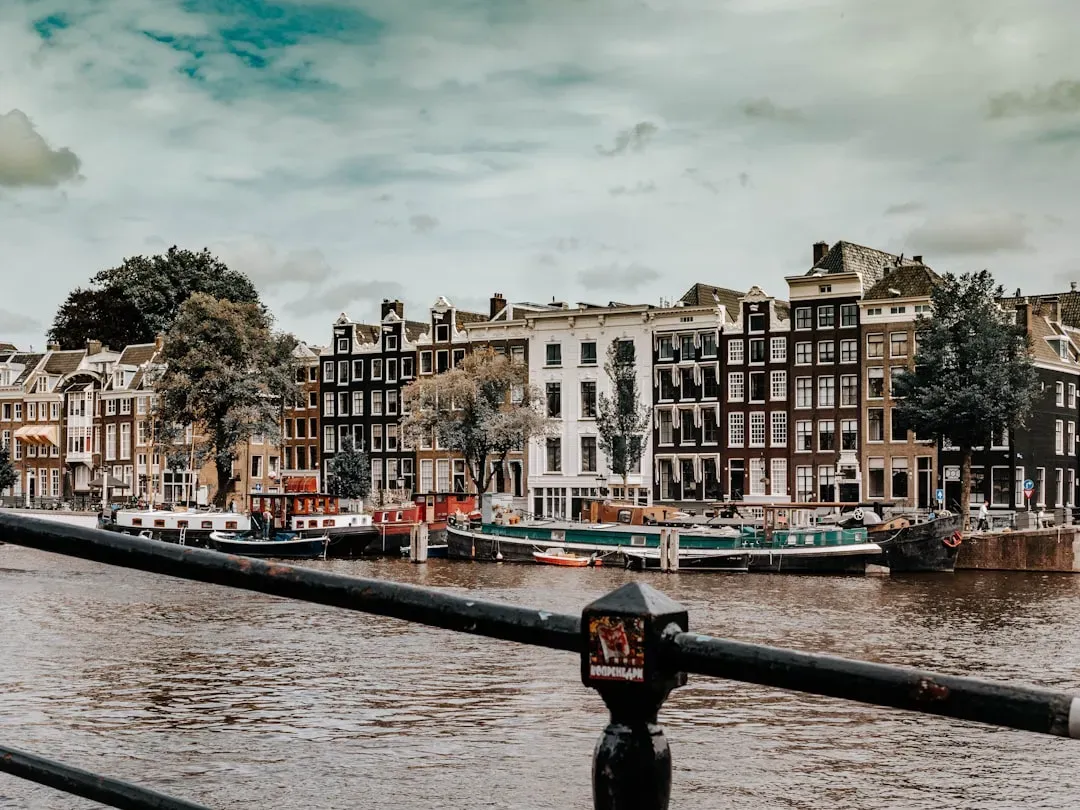
Amsterdam is the European city that charges the highest tax percentage on its tourists. Starting January 1, 2026, two significant changes affect accommodation pricing in the Netherlands: municipalities adjusted their tourist tax rates, and the VAT rate on lodging increased from 9% to 21%. Amsterdam uses a percentage-based tourist tax, and as of 2026, charges 12.5% of the overnight accommodation price.
The Dutch city also plans to limit cruise ships in its harbor to just 100 in 2026, down from 190 currently, before banning them outright by 2035. The city banned new hotel construction in 2024 unless another hotel closes, and it stopped issuing permits for souvenir shops in the city center.
The municipality of Amsterdam is the absolute top earner among Dutch municipalities when it comes to tourist tax. Based on budget figures for 2024, the municipality expected to collect €245 million in tourist tax revenue. That is a remarkable sum, though it hasn’t stopped the canals from being packed wall to wall with selfie sticks every summer.
Kyoto, Japan: The World’s Highest Lodging Tax Is Here


Kyoto, Japan, famed for its temples and traditional charm, introduced Japan’s highest-ever hotel tax for tourists in 2026, starting March 1, 2026, with accommodation tax jumping dramatically in a tiered manner. A night in a luxury hotel in Kyoto costing around ¥100,000 (about $660) will now incur a ¥10,000 tax per person per night, roughly $65 each.
Japan saw a record 40 million visitors in 2025, primarily to Tokyo, Osaka, and Kyoto. While Tokyo and Osaka are huge cities capable of handling millions of tourists, Kyoto is a different prospect, with a more fragile environment requiring more protection and preservation.
Partner offer

Roughly 90% of Kyoto residents surveyed complained about overtourism, with one of the biggest grievances being rude or disrespectful behavior by foreign tourists who treat Kyoto like a theme park rather than a venerable, spiritual city. Geishas in the Gion district are being harassed for photos, buses are bursting with tourists, and sacred spaces feel more like selfie stations. City officials estimate the new tax changes will generate 12.6 billion yen annually, much of it earmarked for preserving historic neighborhoods and improving public services strained by record tourism levels.
Edinburgh, Scotland: A Historic First for the UK

Edinburgh will be the first city in Scotland to officially introduce a tourist tax, with travelers paying 5% of the cost of hotel accommodation for the first five nights of their stay, starting July 24, 2026. Edinburgh is set to become the first city in the UK to introduce a permanent tax on overnight stays, and the money raised will go towards funding cultural events and local infrastructure.
The decision was made against the backdrop of rising living costs and anti-mass tourism sentiments, which intensified in the summer of 2024 to 2025. The castle-esque city is expected to bring in a cool £50 million for the city from the new tax. That is a lot of money for a city that most people visit in the rain, and I say that as someone who finds Edinburgh genuinely magical.
Scotland plans to add a 5% cost to accommodation in 2026, which is capped after five consecutive nights of stay. The cap is a thoughtful touch. It essentially says: we want longer stays, not flash-and-dash visitors who generate cost without meaningful contribution.
Zaanse Schans, Netherlands: A Tiny Village Fighting for Its Life
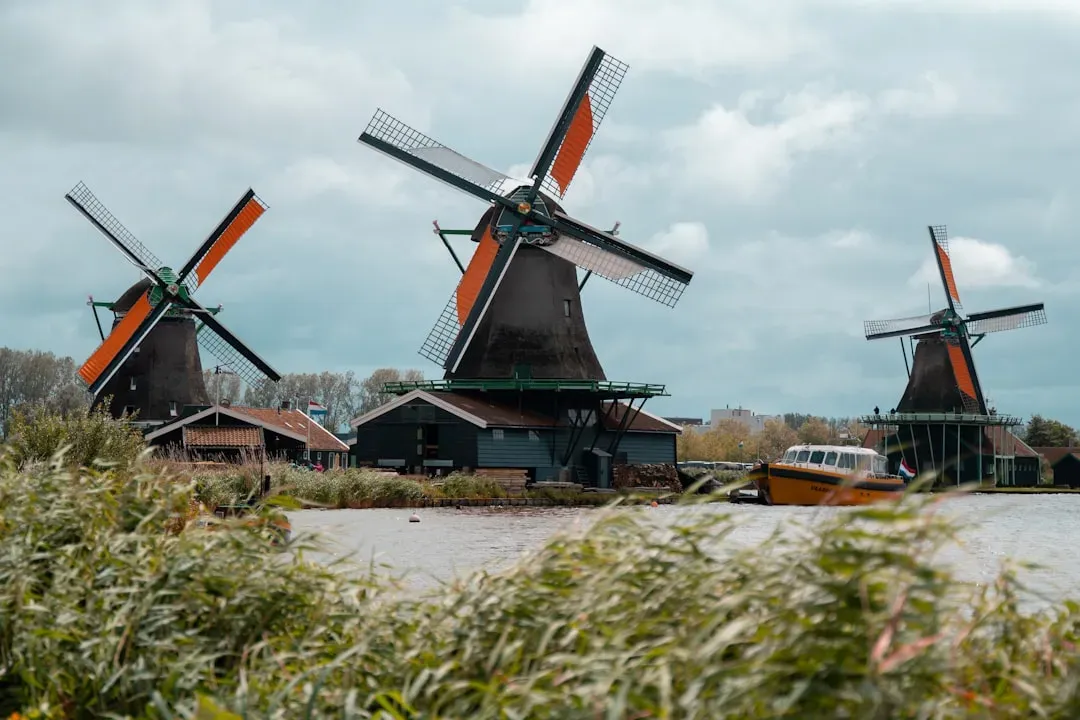
Here is one that genuinely surprised me. About half an hour from Amsterdam, the historic village of Zaanse Schans offers its charming windmills and vibrant wooden houses. More than 2.6 million people visit the open-air museum every year, and starting in 2026, it will ask visitors to pay €17.50 to enter. That is a steep price for a village with only 100 residents.
The tourist charge will also grant visitors access to the museum and the windmills, which currently require separate entry fees, and the council plans to use the funds to maintain the windmills and develop new infrastructure. It’s hard to say the village had many other options. Nearly half the global population apparently wants to photograph the same four windmills.
Only 100 people live in the hamlet, which is home to several picturesque windmills, but more than 2.4 million people visited last year. That is roughly 24,000 tourists for every single resident. It’s a metaphor for overtourism so perfect it almost feels invented.
The Big Picture: Why Are So Many Cities Doing This Now?
In many cases, tourist taxes are introduced as a response to overtourism, when high visitor numbers put pressure on a destination’s environment, resources, or community. This can lead to overcrowding, damage to natural or historic sites, and a lower quality of life for local residents. The timing in 2025 and 2026 is no coincidence. Tourism rebounded sharply after the pandemic years, and cities that had briefly exhaled are now under more pressure than ever before.
More than 100 major European cities now charge a tourist levy, which mostly applies to overnight stays. Across Europe, Asia, and the Americas, governments are expanding tourist taxes, levies once considered marginal but now increasingly central to how destinations finance tourism and control overcrowding. The shift is structural, not temporary.
Tourism taxes aim to fight overtourism, but experts question whether low fees actually stop visitors. High charges clearly reduce numbers in places like Bhutan. Moderate fees might just shift tourists to nearby areas. It’s the core paradox of the whole system.
Do These Taxes Actually Work?

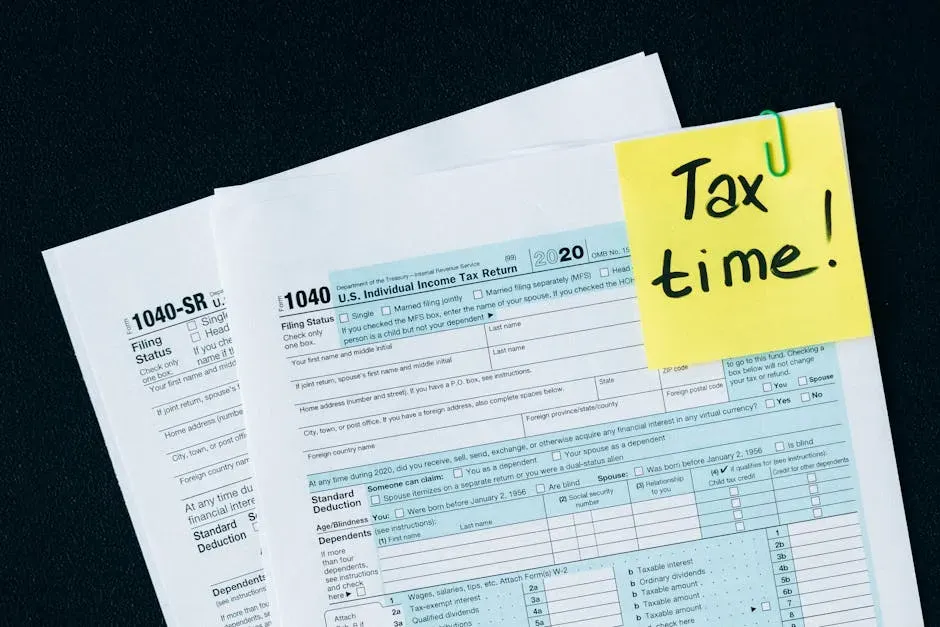
Honestly, the evidence is mixed. Preliminary 2024 to 2025 data suggests modest day-tripper reduction of 10 to 15% on some peak days in Venice, but not a revolutionary transformation. The system is incremental improvement, not a comprehensive solution. A few euros is not going to stop someone who spent a thousand dollars on flights and hotels to see the Grand Canal.
The stated goals of Venice’s entry fee include discouraging day-tripping in favor of overnight stays, creating booking data revealing actual visitor numbers versus estimates, raising modest revenue supporting tourism management costs, and acting as a psychological deterrent making day-trippers consider whether the visit justifies the fee plus travel costs. These are reasonable goals. Whether a €5 charge achieves them is another question entirely.
Such levies are rarely meant to stop people from coming entirely. They’re designed to reinvest in what makes cities attractive: culture, infrastructure, and better visitor management. Tourist taxes are becoming more common because they address real problems caused by overtourism, and destinations see them as a practical, fair solution. That framing is important to keep in mind.
What This Means for Every Traveler Planning a Trip in 2026
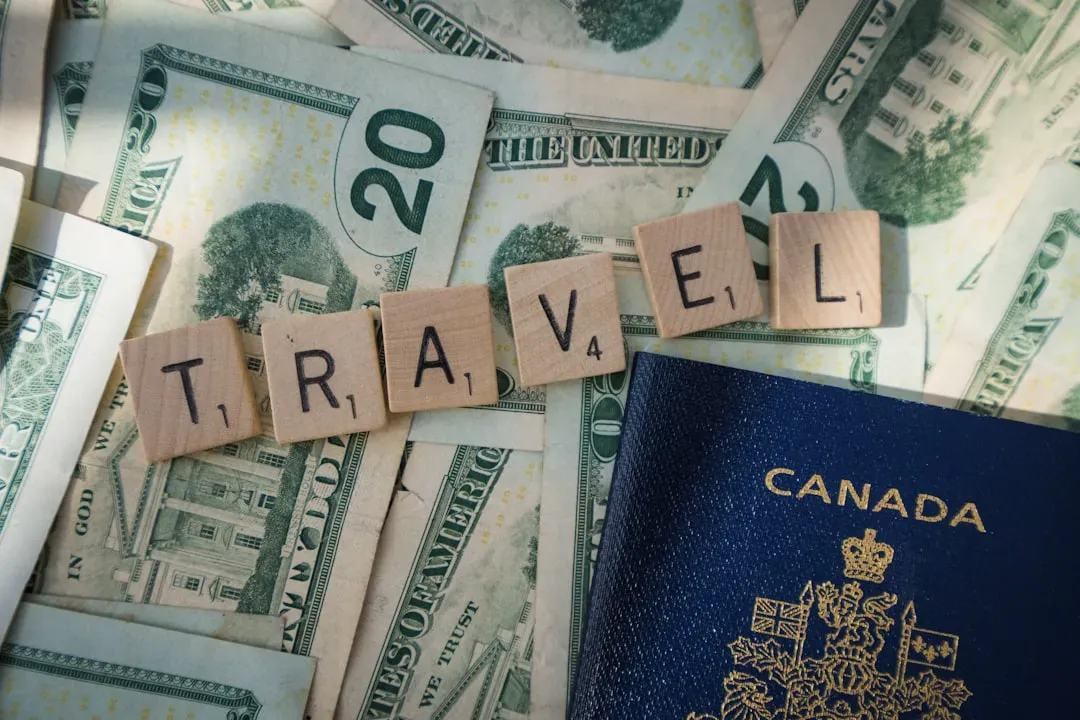
From Edinburgh to Kyoto and Barcelona to Bangkok, governments are quietly adding new fees to manage crowds, fund infrastructure, and respond to resident backlash. By 2026, travelers planning international vacations may discover that the true cost of travel no longer ends with airfare and hotel rates. Budget carefully. These costs add up faster than you’d expect, especially for families.
Taxes can be levied in various formats, as an entry fee or as a surcharge on the cost of accommodation, but for travelers this means one thing: travel budgets for 2026 should be planned more carefully. Tourist tax costs can vary significantly depending on where you travel. Some destinations charge a flat rate per person, others add a percentage to your hotel bill, and many apply seasonal or star-based pricing structures.
There is a strange irony in all of this. The very places being loved too much, crowded into near irrelevance, are now charging for the privilege of that love. It raises a question worth sitting with: if a city has to tax you just to manage the damage of your visit, have we, as travelers, already taken too much? What do you think about it? Let us know in the comments.
Partner offer
Planning a trip to Vegas?
Compare hotel rates and show tickets on VEGAS.com.


