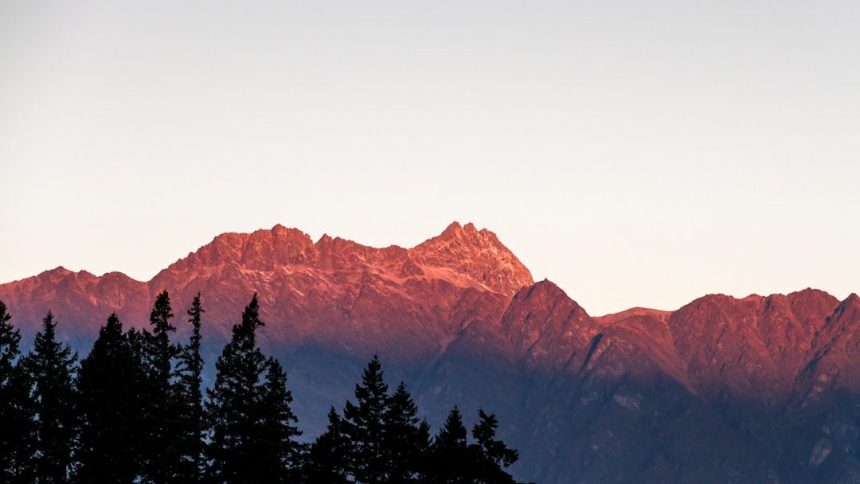
There’s something almost unfair about an Arizona sunset. You’re standing there, minding your own business, and then suddenly the whole sky ignites like a slow-motion fire. Gold bleeds into deep tangerine. Purple creeps in from the east. The saguaros go completely black against it all, like ink stamps on a glowing canvas.
Honestly, I’ve never seen anything quite like it anywhere else. The Valley of the Sun earns that name every single evening, and yet most people only ever catch these moments from a parking lot or a gas station window. The real show, the kind that genuinely stops your breath and makes you forget what you were even talking about, happens from a very specific set of vantage points. Let’s dive in.
First, Why Does the Desert Sky Explode With Color Like That?

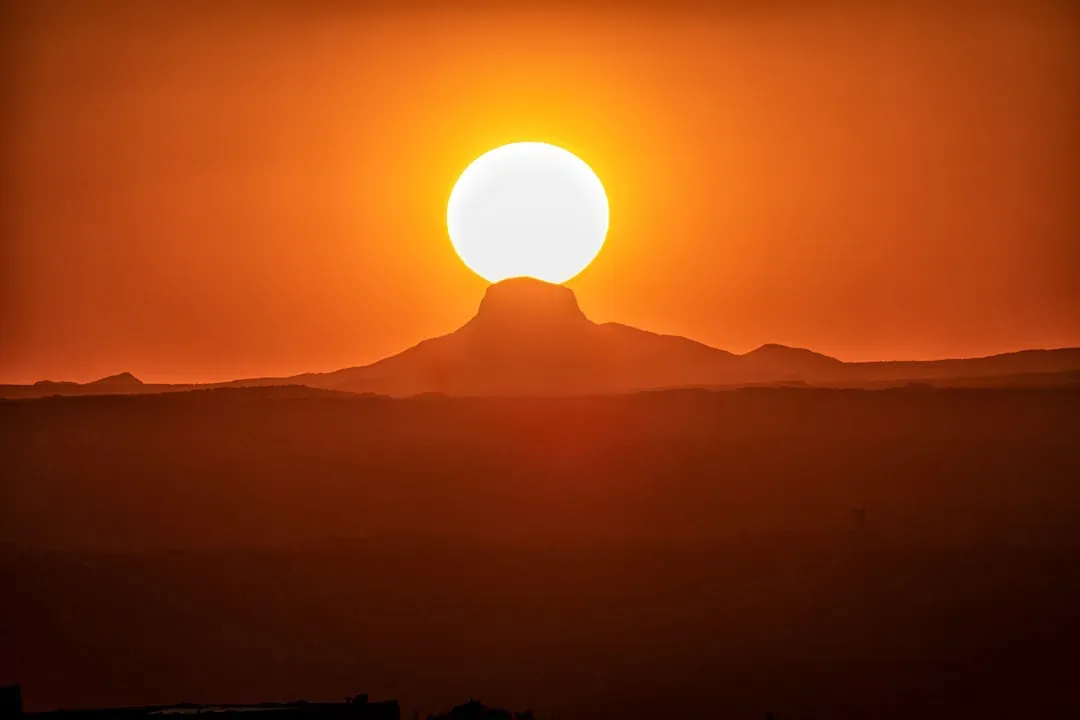
Before we get to the spots, let’s talk about why this even happens, because the science is genuinely wild. According to Stephen F. Corfidi, a research associate at the NOAA/NWS Storm Prediction Center, the atmosphere acts as a filter for incoming sunlight, much like a camera filter, and the longer the pathway through the atmosphere, the more that filtering effect becomes noticeable to humans.
In the desert, drier air means more vivid color wavelengths are able to shine through. Particles in desert air stay smaller and therefore do not mute the filtering effect that results in a beautiful sunset. Think of it like looking at a stained glass window through clean water versus murky water. The desert version is always crystal clear.
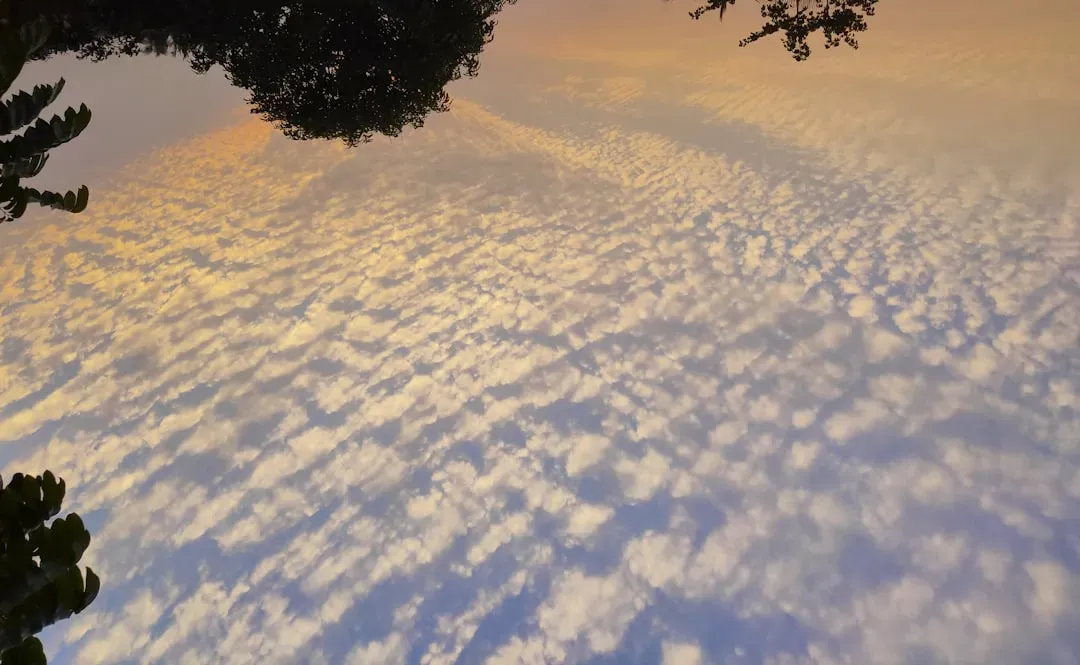
Arizona’s “feather” clouds can catch light as it filters through and reflect it back against a darker sky, creating a much more dramatic effect than in other places. Additional particles in the air, like dust, make sunsets take on a redder tinge rather than yellow, so the colors tend to be more brilliant than ones showcased in other areas of the country.
An additional benefit in the Scottsdale and Paradise Valley areas is that the colors of the sky are reflected off the mountain ranges that run through the area, causing them to glow a range of colors including purple, pink and gold. Not only is the sky beautiful to look at, but so is the Aspenglow of the mountains. That glow on the mountains after the sun dips? Roughly ten to fifteen minutes after sunset, the mountain ranges take on a vibrant glow. Don’t leave early.
Spot 1: Dobbins Lookout at South Mountain Park
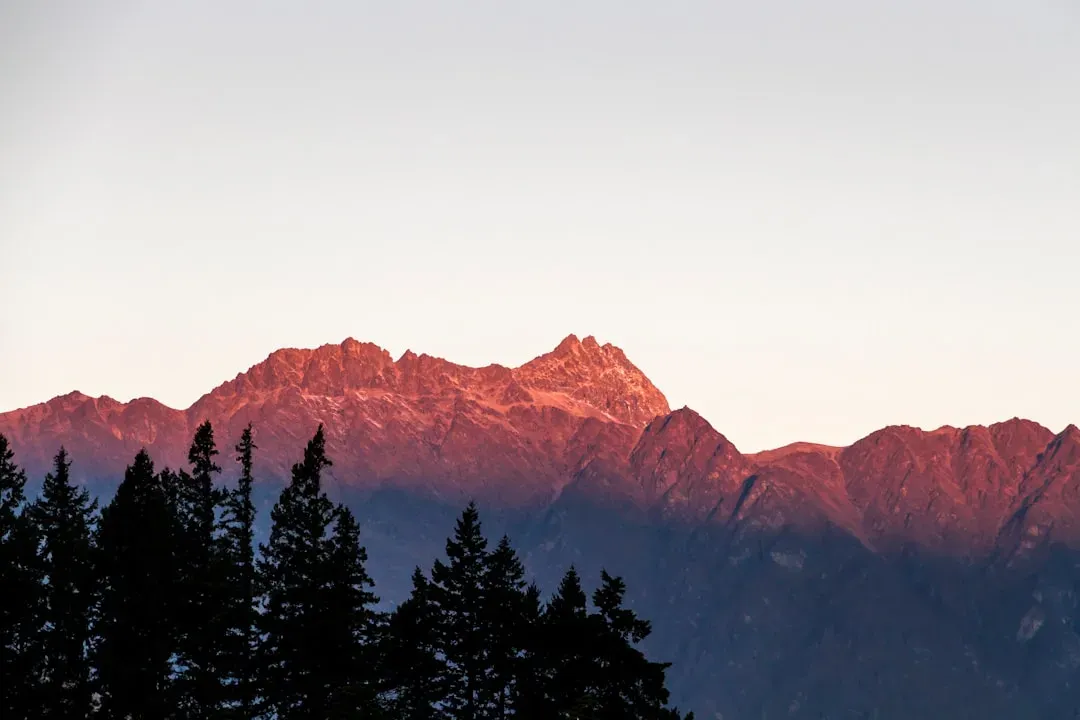
If someone asked me to pick just one spot in the entire Valley, this would be it. No hesitation. Dobbins Lookout sits at 2,330 feet above sea level, making it the ideal place to view any part of the greater Phoenix area, with views stretching from Buckeye in the west to the Superstition Mountains to the east. That is roughly eighty miles of visual real estate, all at once.
South Mountain Park and Preserve turned 100 years old in 2024. In 1924, the City of Phoenix purchased 13,000 acres of land for $17,000. Today, at more than 16,000 acres, South Mountain Park and Preserve is one of the largest municipally managed parks in the nation. A century of sunsets, and it still doesn’t get old.
Navigate the twists and turns of a twenty-minute drive to the summit and take in a sweeping panorama of the entire Valley as the sun melts into the horizon, painting the sky in hues of pink, orange, and violet. You can also hike up via the Holbert Trail if you want to earn the view. Limited parking means arriving an hour before sunset is key, and weekdays are noticeably less crowded.
Spot 2: Papago Park and the Hole-in-the-Rock Formation
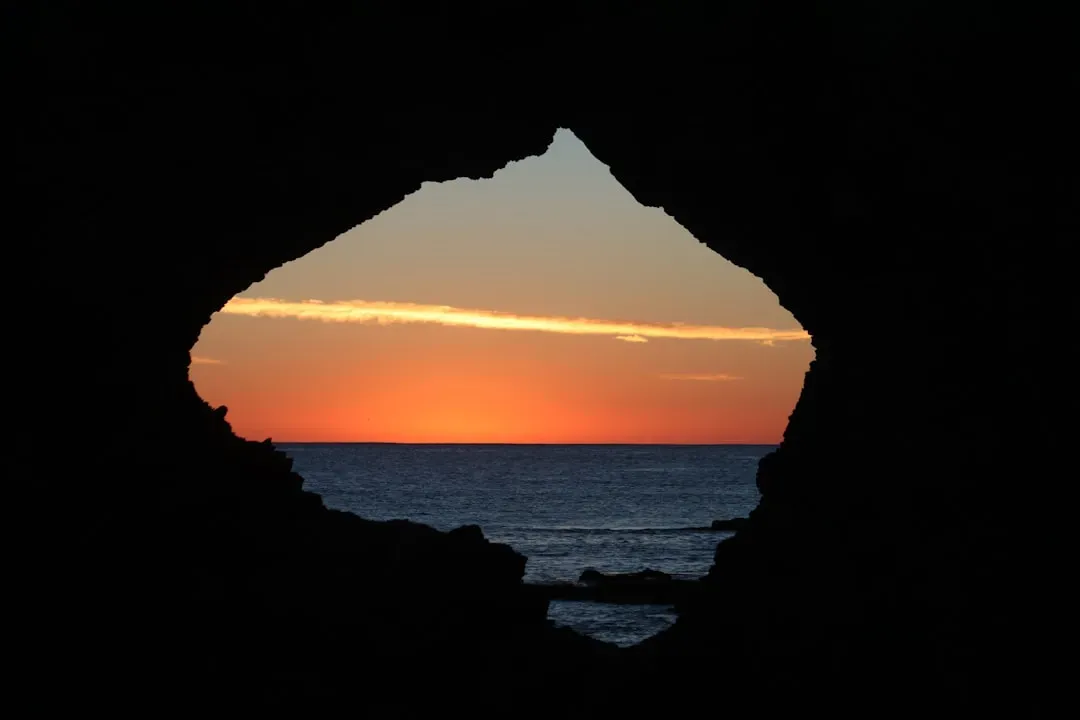
Let’s be real: not every great sunset spot requires a serious hike or a drive into the mountains. Papago Park is proof of that. A short hike up inside the Hole-in-the-Rock formation gives way to the perfect perch for watching the sun set over downtown Phoenix and the desert oasis below. The trail to this unique red rock formation consists of steps that rise 200 feet in just a short one-tenth of a mile.
Papago Park is a favorite for locals and tourists alike, offering a mix of natural beauty and cultural landmarks. The park’s striking red sandstone formations, especially the famous Hole-in-the-Rock, make it an iconic location for sunset viewing. As the sun sets, the warm desert hues come alive, painting the rock formations in shades of gold and red, creating an unforgettable experience.
Papago Park is one of those spots where you barely break a sweat but end up with photos that look like you climbed a mountain. The trails are short and super manageable, and the views from Hole-in-the-Rock are awesome, especially around sunset when the whole place lights up red and gold. It’s perfect for families, first-timers, or anyone who just wants that iconic Arizona scenery without committing to a full-day trek.
Spot 3: Piestewa Peak in the Phoenix Mountains Preserve

If you want a sunset that feels earned, Piestewa Peak is the answer. Piestewa Peak, part of the Phoenix Mountains Preserve, is a popular spot for those seeking an active way to enjoy Arizona’s breathtaking sunsets. Standing at 2,608 feet, it offers hikers a moderately challenging ascent with rewarding views from the summit.
At sunset, the surrounding landscape comes alive at Piestewa Peak, with the golden light of the setting sun casting shadows across the city and mountains, creating a dramatic visual contrast between the rugged terrain and the vibrant sky. That interplay of light and shadow is genuinely something you can’t replicate in a photograph. You have to be there.
One of the popular spots to watch both a sunrise and sunset in Phoenix is Piestewa Peak, one of the most prominent mountains in the Phoenix Valley located in the Phoenix Mountains Preserve. It sits close enough to the city center that you won’t blow half your evening just getting there, which makes it a surprisingly easy win for a weeknight escape.
Spot 4: McDowell Sonoran Preserve, Scottsdale
Here’s the thing about the McDowell Sonoran Preserve: it is enormous in ways that genuinely surprise people. At 30,500 acres and growing, it’s the largest urban preserve in the nation. Wrap your head around that for a second. You are standing inside the biggest city-linked wild desert preserve in all of America.
With eleven trailheads and more than 230 miles of shared-use trails, Scottsdale’s McDowell Sonoran Preserve has an option for you no matter what your level of fitness or hiking experience. The Gateway Trailhead area, in particular, offers some of the most dramatic open-sky views against the McDowell Mountain backdrop at golden hour. Wide open skies, rocky trails, and amazing views of the McDowell Mountains make Gateway Trailhead a beautiful spot to explore the desert landscape.
Nicknamed the “People’s Preserve,” the McDowell Sonoran Preserve is the direct result of citizen-driven and funded efforts to protect Scottsdale’s signature McDowell Mountains and the surrounding desert landscape. The trailhead gates are open from sunrise to sunset and there is no charge for access or parking. Free entry, world-class views, and a sky that turns into a full oil painting every evening. That’s a deal you can’t argue with.
Spot 5: Lost Dutchman State Park and the Superstition Mountains
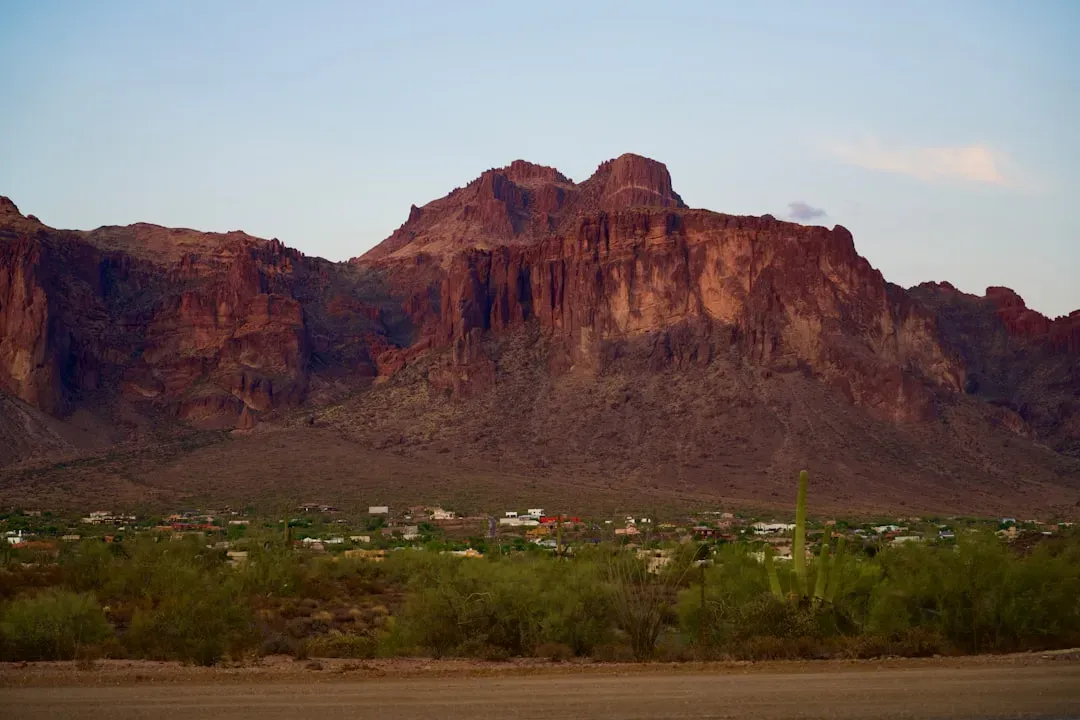
Saving the most dramatic for last. Lost Dutchman State Park, sitting at the base of the legendary Superstition Mountains east of Phoenix, offers a sunset experience that genuinely feels mythological. Banked to the west by a variety of mountain ranges, one of the more popular places to watch the sun descend is located near the Superstition Mountains, via Lost Dutchman State Park.
An hour’s drive from Phoenix will take you to Lost Dutchman State Park in the Sonoran Desert, which got its name after the fabled lost gold mine. Whether the tales of the treasure are true or not, the real gem at Lost Dutchman Park is the magnificent sunsets over the Superstition Mountain ranges. An icon of the East Valley in the Phoenix area, it is a paradise for outdoor lovers.
Goldfield Ghost Town, just nearby, is the site of an old mining town that is now a perfect location to watch the sunset in Phoenix. You can visit this tourist attraction to ride some rides and do some shopping, then stay to watch the sunset over the Superstition Mountains. The jagged, prehistoric silhouette of the Superstitions against a copper sky is the kind of image people move to Arizona for, and this is where you see it at its absolute best.
The Science of Timing: When to Show Up

Timing is everything. Show up too early and the sky is flat. Show up too late and you’ve missed the whole performance. Geography and time of year both play a role in creating brilliant sunsets, and in general the best locations to view them are in the tropics and in the deserts where the air is typically cleaner.
Summer is usually not an ideal time for sunsets because the air is so stagnant, the main exception being Arizona’s summer monsoons. Because of this, the best time of year to observe awe-inspiring sunsets is in late fall and winter when the air circulation is better. That said, monsoon season sunsets from late July through September are genuinely spectacular, almost explosive with color thanks to the cloud cover and moisture in the air.
Resident photographers note that the most camera-worthy sunsets occur when there’s a cloud cover of between thirty to seventy percent at sunset. A completely clear sky, while beautiful, actually produces a less dramatic show than one with high-altitude clouds catching and scattering light. Remember that next time you see some afternoon clouds rolling in.
What Makes the Desert Different From Everywhere Else

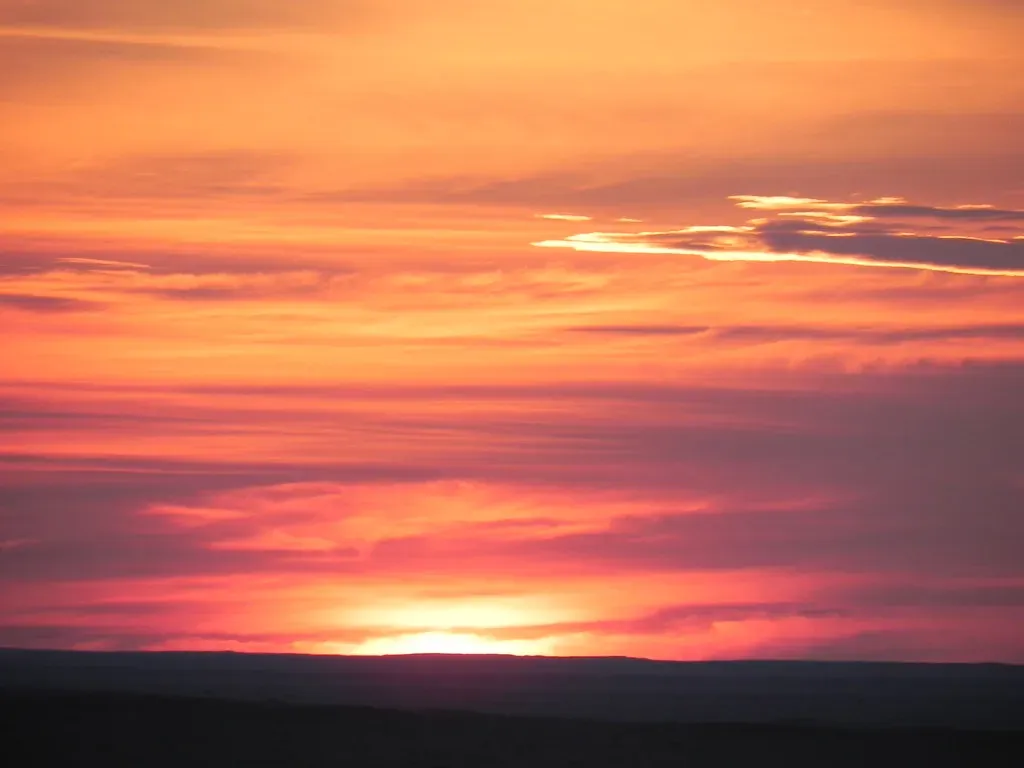
I’ve watched sunsets on coastlines and from mountain summits, and honestly, nothing matches the desert for sheer color intensity. Dry, clean air is the secret to a vivid landscape. Part of the reason desert air can be cleaner is simply because fewer people live there, and thanks to wind coming off the Pacific Ocean being relatively uncompromised by particles, the air that sweeps up dust in the deserts of the Southwestern U.S. in particular tends to make for better sunsets.
At the end of the day, sunlight travels a much longer path through the atmosphere to reach us than it does at noon. Along the way so much violet, blue, and even green light is scattered out that mostly red, orange, and yellow light gets through. In other words, the reddish light visible at that moment is merely the sunlight that’s left over after helping to create blue skies for travelers farther west.
It’s because of tiny particles in the air that desert sunsets are usually more colorful than sunrises. Breezes and dust devils increase the dustiness of air by the end of the day, but some of the dust settles out during the calm of the night. So the very act of a windy desert afternoon is setting up the brushstrokes for that evening’s masterpiece. Nature is doing the work all day long.
Practical Tips for Getting the Best Shot or Experience
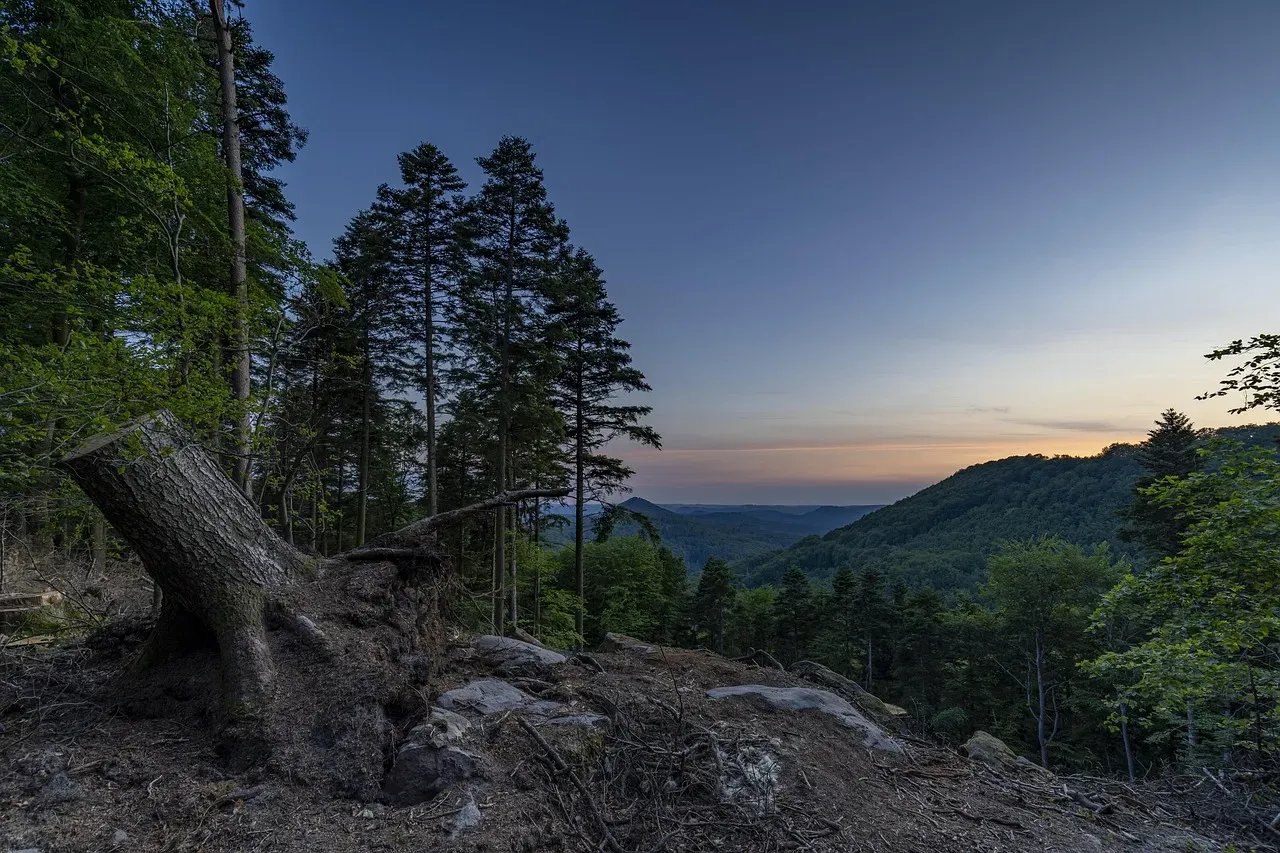
Whether you’re coming for the photo or just the feeling, a little preparation goes a long way. Know what time the sun sets, and get there early. It goes by faster than you think and you don’t want to miss a thing. Allow time for a hike to get a better view. That 10-minute hike you skipped might have been the angle that changed everything.
For the spots that require a drive, remember that popular lookouts fill up fast. Limited parking means arriving an hour before sunset is key. For hikers heading to any of these preserves, bring a headlamp without exception. The sky fades faster than your eyes adjust, and starting early, wearing proper footwear, and bringing a headlamp for the darkness are all strongly recommended.
If you happen to see feather-like, high altitude clouds to the west late in the afternoon, then you’ll likely enjoy a colorful and brilliant sunset. That’s your signal. When you see those thin, wispy cirrus clouds turning pink over the McDowell Mountains around 4 p.m., cancel your plans. You know exactly where you need to be.
The Gallery Experience: Reading the Sky Like a Painting

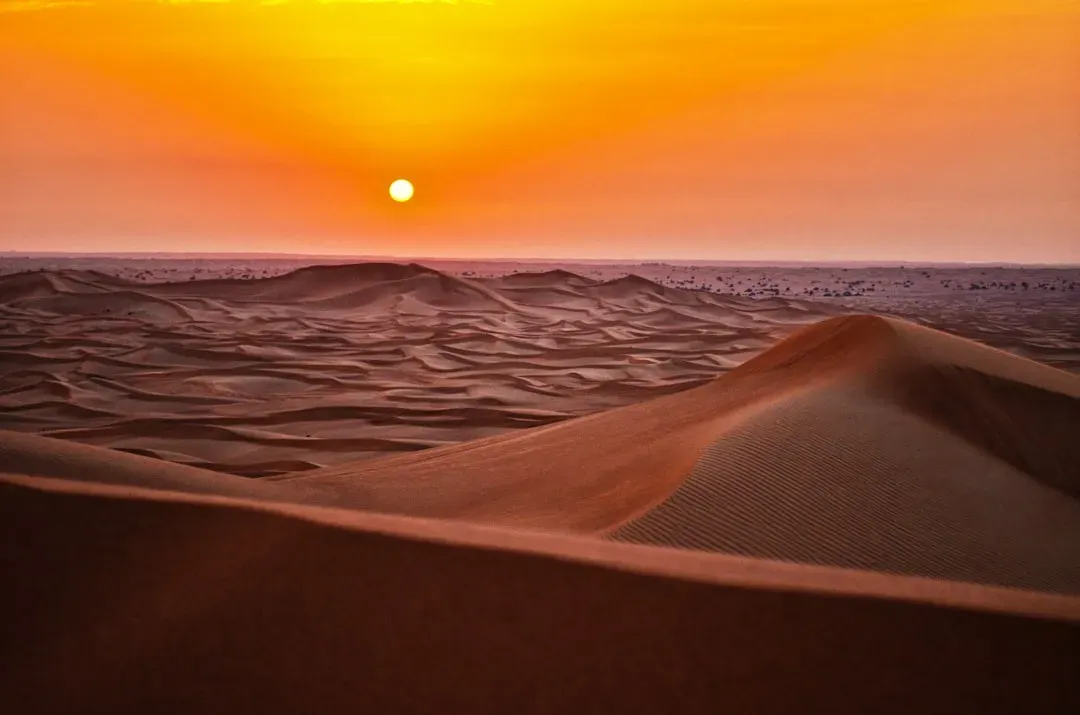
Think about these five spots not as hiking destinations or tourist stops but as galleries. Each one frames the same sunset in a completely different way. Dobbins Lookout gives you the wide panorama, the full-canvas view. Hole-in-the-Rock frames it through ancient red stone. Piestewa Peak gives you height and drama. The McDowell Preserve offers scale and wildness. Lost Dutchman delivers mythology and silhouette.
Surrounded by hundreds of thousands of acres of desert wilderness dotting the rugged mountains on the horizon, the sunset in Phoenix is a dreamy spectacle. Nature showcases its magnificence as the setting sun transforms the landscapes, making it magical as the skies get painted with brilliant oranges, gold, yellow and red. Every single evening. For free.
It’s hard to say for sure which of these five is the most extraordinary. I think that honestly depends on the day, the season, and where you’re standing when the light finally breaks open. But what I can say with complete confidence is that each of these spots transforms the end of an ordinary day into something you’ll describe to people for years. Go see for yourself, and then tell someone where to find it.