Ask ten fantasy readers to name the best book in the genre and you’ll probably get ten different answers. Taste matters, and so does the age you were when a story first got hold of you. Still, a handful of novels keep turning up in these conversations, and they turn up for good reasons.
This list leans on influence, lasting readership, and the way each book shaped the fantasy shelf in bookshops. Some are decades old, and some are younger but already feel permanent. Count how many you’ve read as you go.
The Lord of the Rings by J.R.R. Tolkien

Tolkien’s epic first appeared in three volumes between 1954 and 1955. It grew out of The Hobbit, but it became something far larger, with its own languages, histories, and maps. Many later authors borrowed its basic toolkit of quests, fellowships, and ancient evil.
Its sales are usually estimated in the well over one hundred million range, though publishers count the volumes together or apart, so exact totals vary. The story also found a huge new audience through Peter Jackson’s film trilogy in the early 2000s. It remains the reference point that other fantasy gets measured against.
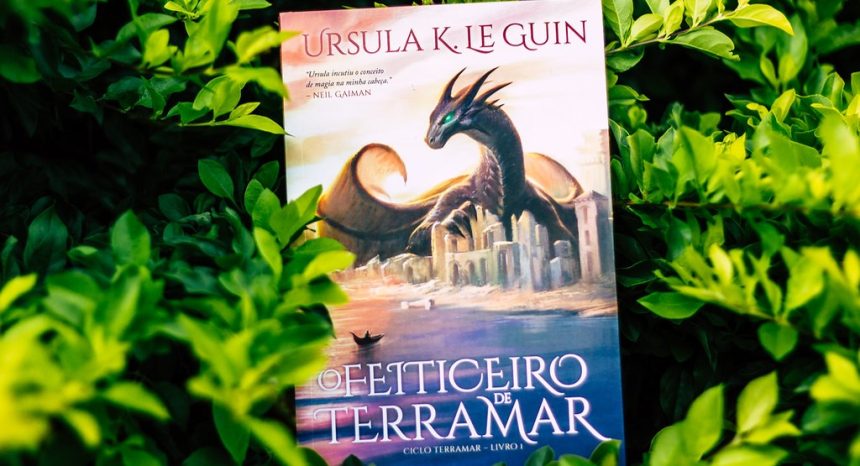
A Wizard of Earthsea by Ursula K. Le Guin
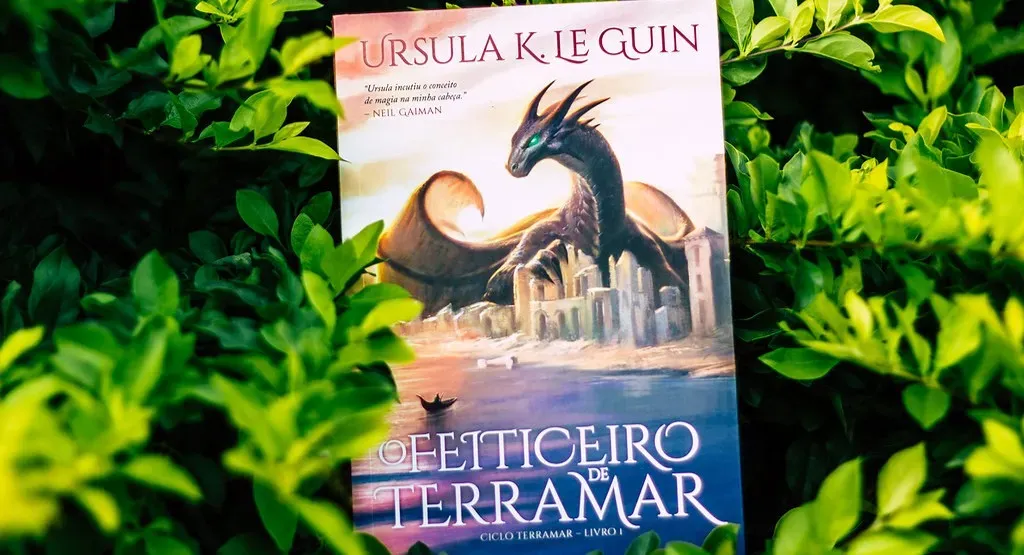
Published in 1968, this short novel follows Ged, a gifted and proud young man who studies magic on the island of Roke. Its wizard school appeared decades before Hogwarts. The book is quieter than most epics, and it’s more interested in consequence than in conquest.
Le Guin built a world where magic depends on knowing the true names of things, and where balance matters more than power. Critics often single out her spare, careful prose. Readers who find big battles tiring tend to love it.
Harry Potter and the Philosopher’s Stone by J.K. Rowling

Bloomsbury released the first Harry Potter book in Britain in 1997. It introduced an orphan, a hidden magical society, and a boarding school that millions of readers wished they could attend. The series has been widely reported to have sold more than five hundred million copies worldwide.
Partner offer
Its real achievement was getting a generation of children reading long novels. The books also drew in adults, which helped fantasy reach a much wider public. Few genre books have had that kind of cultural reach.
A Game of Thrones by George R.R. Martin
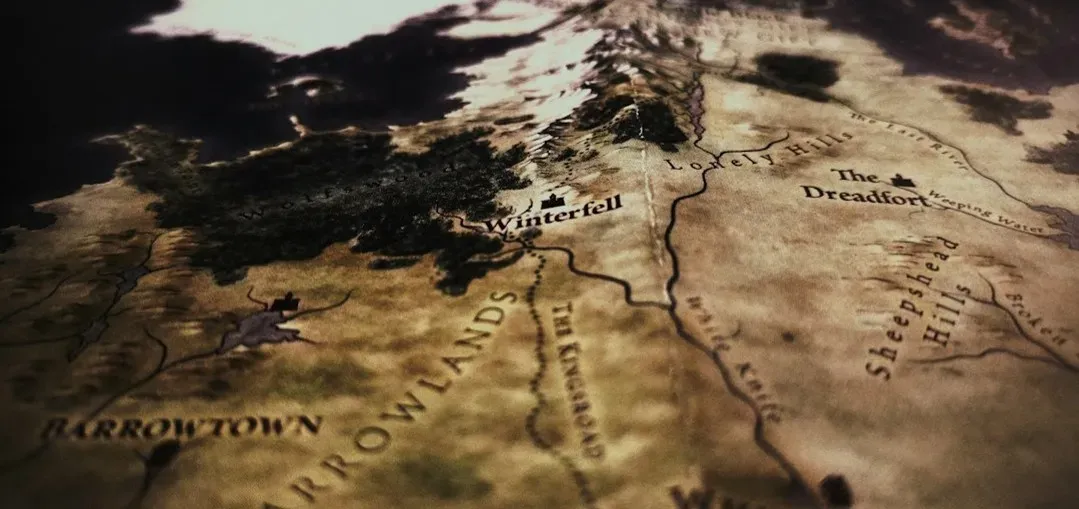
Martin’s novel arrived in 1996 and opened A Song of Ice and Fire. It swapped clear heroes and villains for political scheming, moral gray areas, and characters who could die without warning. That approach changed what many readers expected from epic fantasy.
HBO’s television adaptation, which began in 2011, pushed the books to a global audience. The series has also become known for its long waits between volumes, which fans still discuss. The first book stands well enough on its own as a tense, sprawling opener.
The Lion, the Witch and the Wardrobe by C.S. Lewis
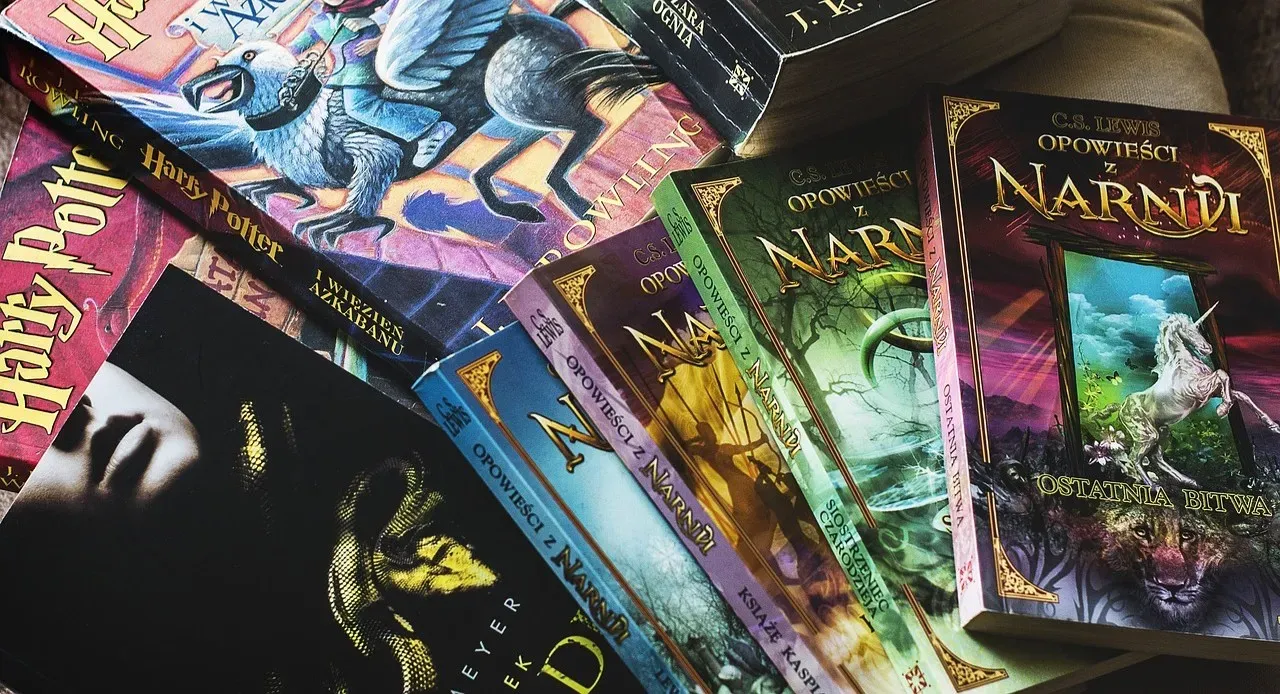
Lewis published this first Narnia story in 1950, and it introduced four siblings who step through a wardrobe into a snowbound land. He was a friend and fellow member of the Inklings literary circle with Tolkien. The book is short, direct, and often the first fantasy novel a child ever reads.
Readers have long noticed its Christian themes, though many enjoy it purely as an adventure. It became the opening entry in a series of seven books. Its influence shows up in countless stories about ordinary children who find secret worlds.
Final Thoughts
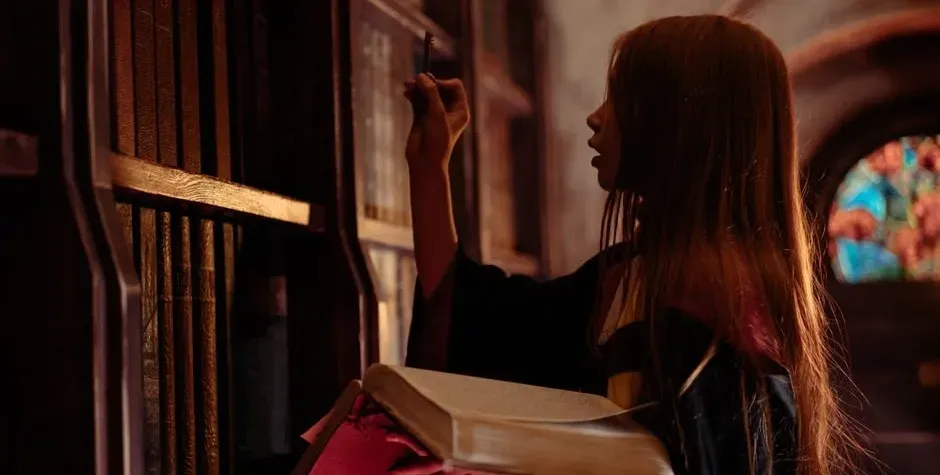
These five books span more than seventy years, and each one changed what fantasy could be. Tolkien built the map, Le Guin deepened it, Lewis and Rowling opened it to younger readers, and Martin made it darker. Whichever ones you haven’t read yet, any of them is a solid place to start.
Partner offer
Planning a trip to Vegas?
Compare hotel rates and show tickets on VEGAS.com.