Most readers assume a book is a fixed object. You pick it up, you start at page one, you finish at the last page, and that’s that. The author decided the order, so the order is the order. Simple. Except it isn’t, and anyone who has stumbled into a series mid-way through, read a prequel after its sequel, or tackled a massive interconnected universe in the “wrong” sequence knows this instinctively.
The sequence in which you read a story, whether it’s a single novel with a deliberately fractured timeline or an entire franchise spanning dozens of volumes, can reshape your emotional experience in ways that are genuinely surprising. It can shift a villain into a figure of tragedy, turn a mystery into a meditation on consequence, or completely reverse the weight of a reveal. These five reading orders show just how radical that shift can be.
The Inverted Mystery: Reading the Ending First
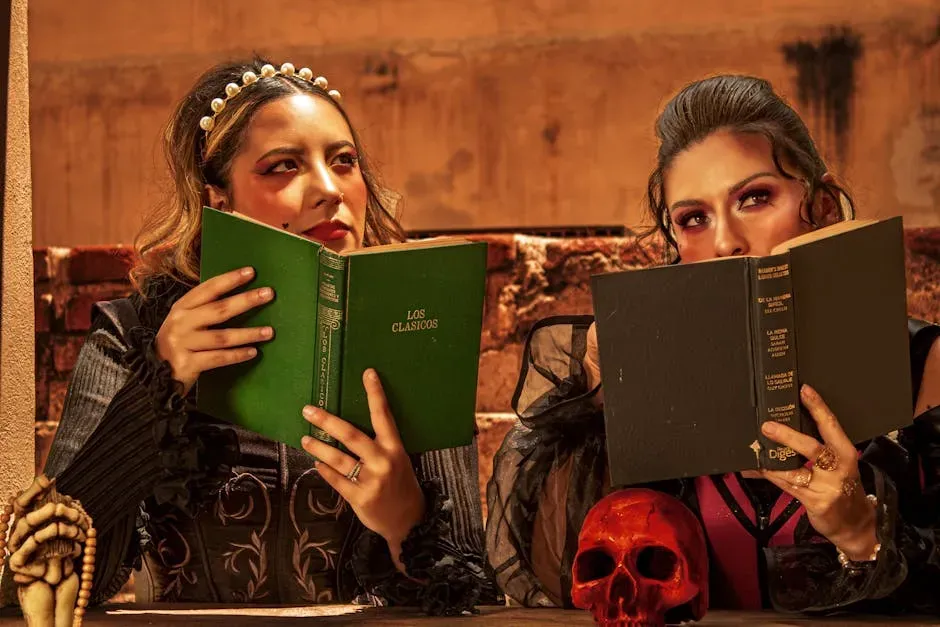
The Secret History by Donna Tartt is an inverted detective story narrated by one of six students, Richard Papen, who reflects years later upon the situation that led to the murder of their friend Edmund “Bunny” Corcoran. The novel opens with the murder already disclosed. You know who did it before you know why. That’s the entire engine of the book.
Because the author introduces the murder and those responsible at the outset, critic A. O. Scott labeled it “a murder mystery in reverse.” Read in this intended order, every interaction between the students carries a suffocating dramatic irony. You watch Bunny laugh and argue and sponge off his friends while knowing exactly what awaits him. Reading it the other way around, if you could, would strip out that tension entirely and turn the book into a conventional thriller. The inverted structure is the story.
Chronological vs. Publication Order in the Star Wars Universe
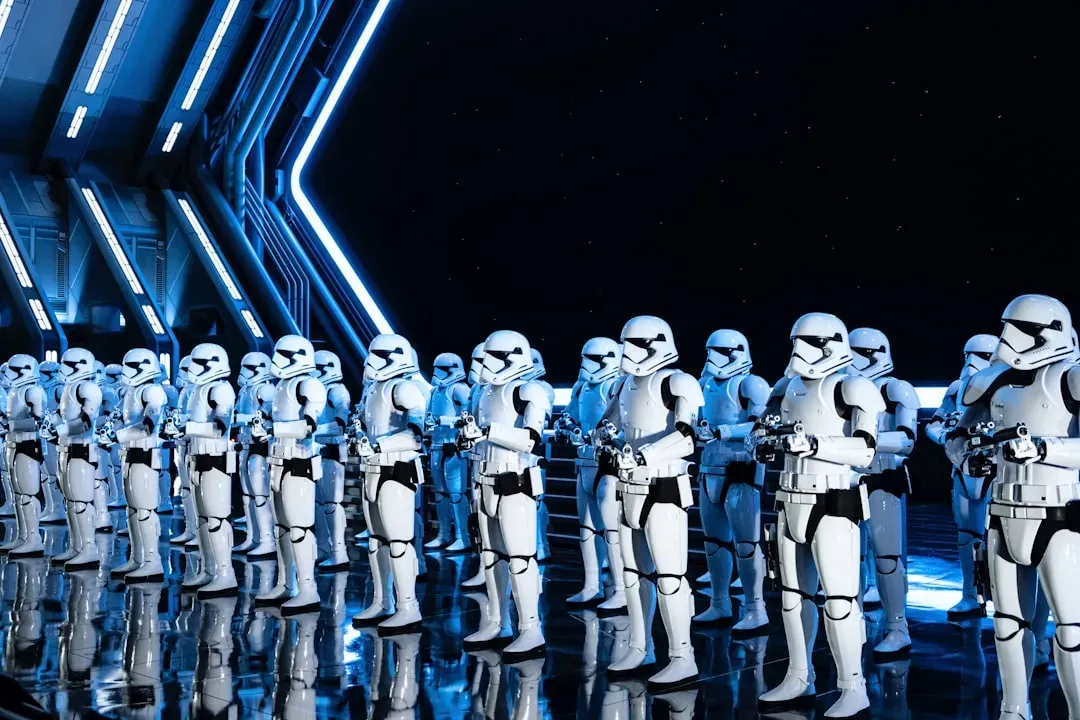
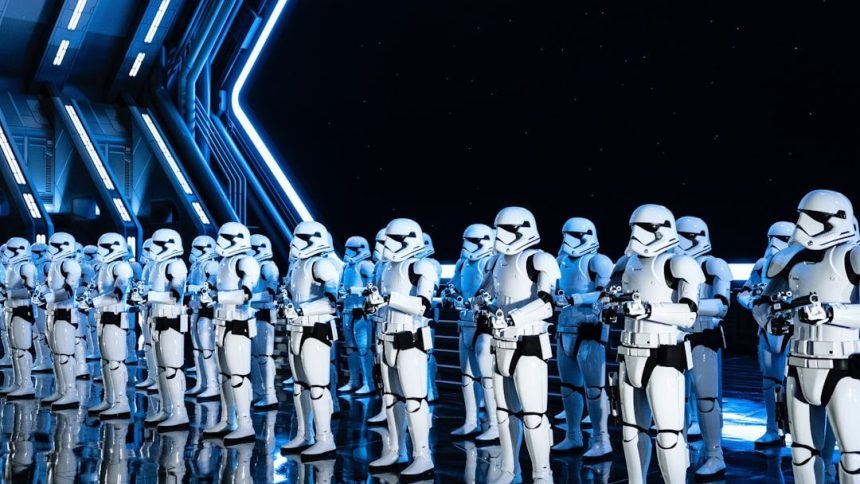
If you’re trying to read Star Wars books in order, the first decision isn’t “chronological vs. publication.” It’s where you want to enter the galaxy, because Star Wars stories span tens of thousands of years and several very different eras. The gap between these two approaches produces two genuinely different experiences of the same mythology. Publication order drops you into the chaos of expansion, gaps, and retcons. Chronological order promises coherence but delivers something unexpected.
The first book in the chronological timeline takes place literally 25,000 years before the films. That’s an incomprehensible amount of time and has nothing to do with the stories that fans looking to explore the larger galaxy for the first time are familiar with. In short, chronological order can cause burnout and confusion when you actually dive into the stories, and it will not ultimately offer the most rewarding Star Wars reading experience. The order you choose doesn’t just organize the books. It determines what kind of reader you’ll be by the time you reach the stories that matter most to you.
Trauma Out of Sequence: Slaughterhouse-Five Read Linearly vs. Scattered

Slaughterhouse-Five by Kurt Vonnegut follows the experiences of Billy Pilgrim, a World War II soldier who becomes “unstuck in time,” meaning he experiences events from his life in a non-linear fashion, jumping between different moments in time without control. Vonnegut makes the non-linear structure integral to meaning itself, not just form.
By presenting Billy’s experiences in a non-linear fashion, Vonnegut highlights the sense of disorientation and dissociation that often accompanies trauma, and forces his readers to experience the same thing by rearranging the sequence of events. If you were to reconstruct the events into simple chronology, you’d have a war story. Intact in Vonnegut’s scattered order, it becomes something closer to a portrait of a broken mind. The fragmentation is the argument. Reading it “straight” would remove the very mechanism that makes the novel function.
The Prequel Problem: When Earlier Means Less, Not More

A nonlinear narrative is a narrative technique where events are portrayed out of chronological order or in other ways where the narrative does not follow the direct causality pattern of the events featured, such as parallel distinctive plot lines, dream immersions, or narrating another story inside the main plotline. This principle becomes especially thorny when franchises release prequels. Read a prequel before its source material, and it functions as an origin story. Read it after, and it transforms into a tragedy.
When a novel opens with a murder, the series of events that follow carry greater weight and add to the anticipation of the final known outcome. When the reader knows more about a character’s fate than they do, opportunities also arise for moments of irony, be they tragic or comic. This is precisely what happens when someone reads a prequel knowing how the protagonist’s story ends. Events that read as hopeful in isolation become unbearable when viewed through the lens of what comes later. The reading order doesn’t add information. It adds grief.
Partner offer
The Nest-Within-a-Nest: Multi-Layered Stories and Where to Enter Them

The Blind Assassin by Margaret Atwood tells the dark story of two sisters, Iris and Laura, and their relationship to Richard; it contains within it another novel written by Laura, and within that is a third story, about a Blind Assassin. The novel is a structure of embedded narratives, each framing the others. Where a reader chooses to anchor their attention at any given point in the book changes what they believe to be true.
Jennifer Egan’s A Visit from the Goon Squad pieces together a story using different characters, different narrative points of view such as first-person, third-person, and even second-person, and presents non-consecutive events from different time periods and locations, each of which circles around the same core characters. In both these cases, the sequence of reading within the book shifts the meaning of every other layer. Miss one strand, or rush it, and the architecture collapses into something that simply feels incomplete rather than deliberately designed.
Cloud Atlas and the Nest Structure: Forward-Backward or All the Way Through?

Mitchell’s ambitious novel comprises six interconnected narratives spanning centuries, from the 19th century to a distant post-apocalyptic future. Through its kaleidoscopic structure, Cloud Atlas intricately weaves themes of reincarnation, interconnectedness, and the cyclical nature of history into connected stories that span time and space. Mitchell structures the book like a set of Russian dolls, with each narrative interrupted at its midpoint, nested inside the next, and only resolved in reverse order in the book’s second half.
Some readers have read the six narratives in isolation, completing each one in full before moving to the next, rather than following Mitchell’s interrupted, nested structure. The effect is dramatic. Read in six clean sequences, the stories feel like linked short fiction. Read in Mitchell’s intended structure, the interruptions become the point. Each cut demands that the reader hold one story in suspension while inhabiting another, which is what ultimately makes the theme of connection visceral rather than merely stated.
How the In Medias Res Tradition Changes Reader Sympathy

Beginning a non-linear narrative in medias res, Latin for “into the middle of things,” began in ancient times and was used as a convention of epic poetry, including Homer’s Iliad in the 8th century BC. The technique has survived for nearly three thousand years for a clear reason: placing readers inside a crisis before they understand its origins forces them to develop sympathy through action rather than backstory. You root for characters before you know whether they deserve it.
By disorienting the reader, a nonlinear structure creates a puzzle that requires more engagement with the individual pieces of the story. Cause and effect cease to be predictable or immediately visible, allowing the reader to curate their own logic. When a reader eventually reaches the backstory after caring about the character, the context lands harder. Starting at the beginning of a character’s life, by contrast, means a reader must wait a long time before the stakes feel personal. The order of information is the order of investment.
DC and Marvel: Publication Eras vs. Event Order in Comic Reading
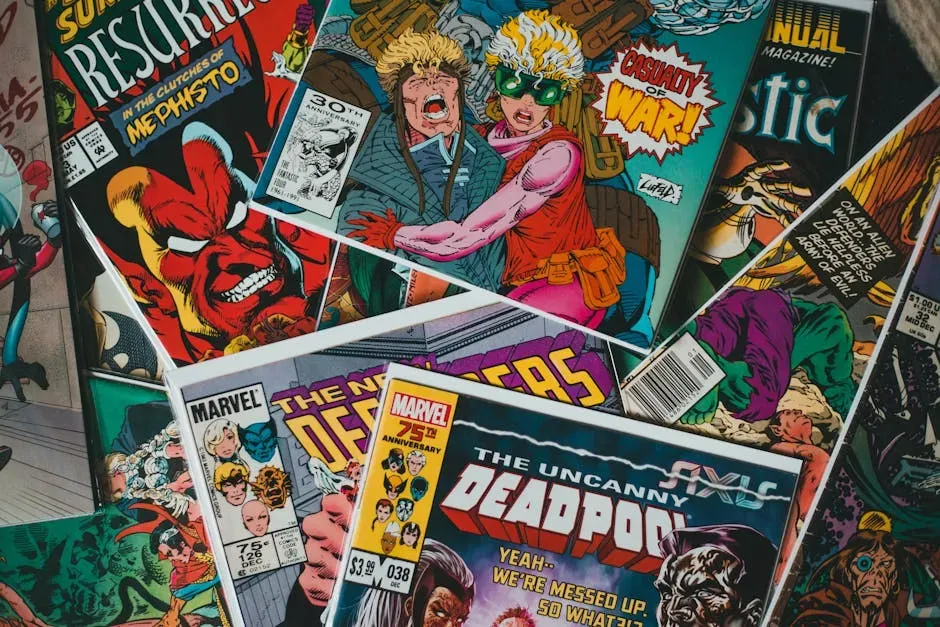
DC All-In is a new jumping-on point following Absolute Power, establishing a fresh status quo for the DC Universe while launching the parallel Absolute Universe, all tied together by an overarching Darkseid narrative. With so many series involved, this reading order groups story arcs together so you can follow them without juggling dozens of plotlines at once. In the comic universe, the stakes of reading order are almost architectural. Miss a key event series and a character’s motivation in another title simply evaporates.
For nearly as long as they’ve been around, comic books have existed in shared universes, with characters repeatedly crossing over with each other and referencing these past adventures in future ones. By the 1980s, this expansive continuity became very tangled, with a multitude of series all sharing the same past events. However, this does not mean that every single published issue needs to be read in order to understand the story. A reader who follows only the character-driven reading order of an X-Men run, for instance, encounters a completely different emotional version of those events than a reader who follows the full event-driven timeline. Same panels, genuinely different story.
The Power of Non-Chronology: What Sequence Actually Does to a Reader

Non-chronological storytelling has the power to both challenge and engage readers. By defying linear time, authors can create narratives that are rich in suspense, character development, and thematic depth. This is the principle underlying all of the reading orders above. Sequence isn’t neutral. It carries meaning the same way word choice or point of view does.
Non-linearity as a narrative structure might be a challenge to pull off, but when done well, it allows a more nuanced, masterful story to emerge. The most important takeaway for any serious reader is that picking up a book is only the first decision. The second, often overlooked decision is the order in which you enter its world. That choice shapes everything that follows, including what you feel, what you understand, and what you remember long after the last page.
Partner offer
Planning a trip to Vegas?
Compare hotel rates and show tickets on VEGAS.com.