Rock music has given us countless legends, but some voices stand so far above the rest that they become the very heartbeat of the genre. These aren’t just singers with good range or technique. They’re artists who shaped entire eras, defined movements, and created sounds so unique that even the best cover bands fall short. When you hear them, you know instantly who it is.
What makes a voice truly irreplaceable? It’s that rare combination of raw power, emotional depth, and something ineffable that connects directly to your soul. These vocalists didn’t just perform songs. They lived them, breathed them, and left marks so deep on rock history that no amount of time will ever erase them. Let’s dive into the five voices that changed everything.
Freddie Mercury: The Theatrical Powerhouse Who Redefined Vocal Possibilities

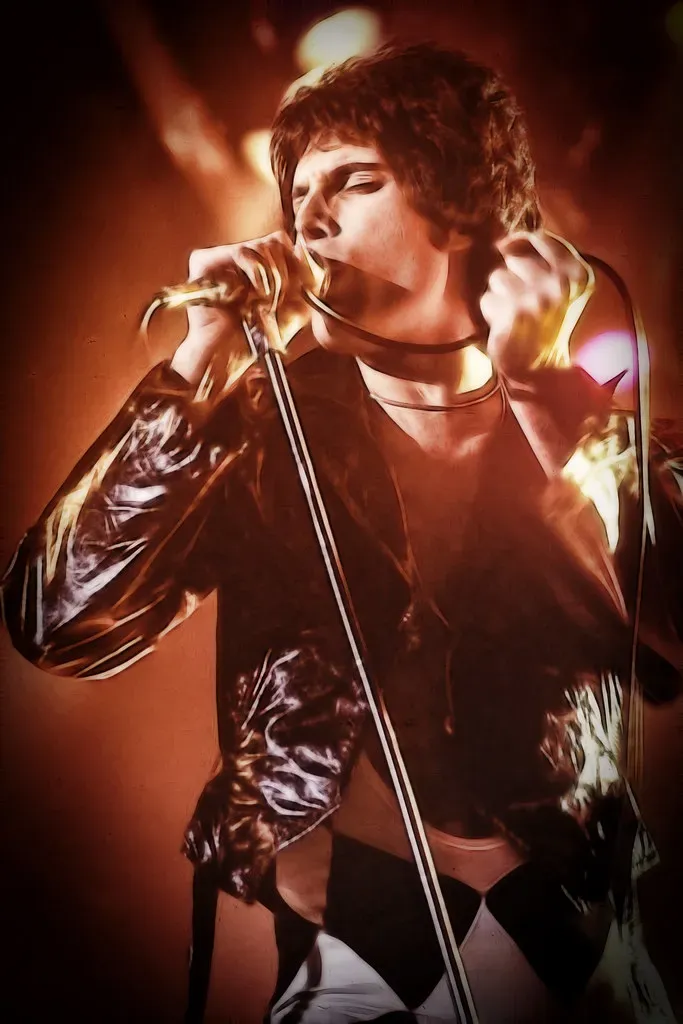
Freddie Mercury possessed a four-octave vocal range that could shift from operatic highs to gritty rock lows in seconds. His voice wasn’t just technically brilliant. It was theatrical, camp, vulnerable, and utterly commanding all at once. When he sang “Bohemian Rhapsody” or “Somebody to Love,” he didn’t just hit notes. He created entire emotional landscapes.
What made Freddie irreplaceable was his fearlessness. He could turn a stadium anthem into an intimate confession or transform a simple love song into a dramatic opera. His vocal runs felt improvised yet precise, like he was inventing new rules for rock singing in real time.
Even today, decades after his death, no one comes close to capturing that unique blend of power and theatricality. Queen tribute bands try desperately, but there’s always something missing. That indefinable magic that made Freddie not just a singer, but a force of nature who commanded stages like he owned them.
Robert Plant: The Golden God Whose Wail Defined Hard Rock

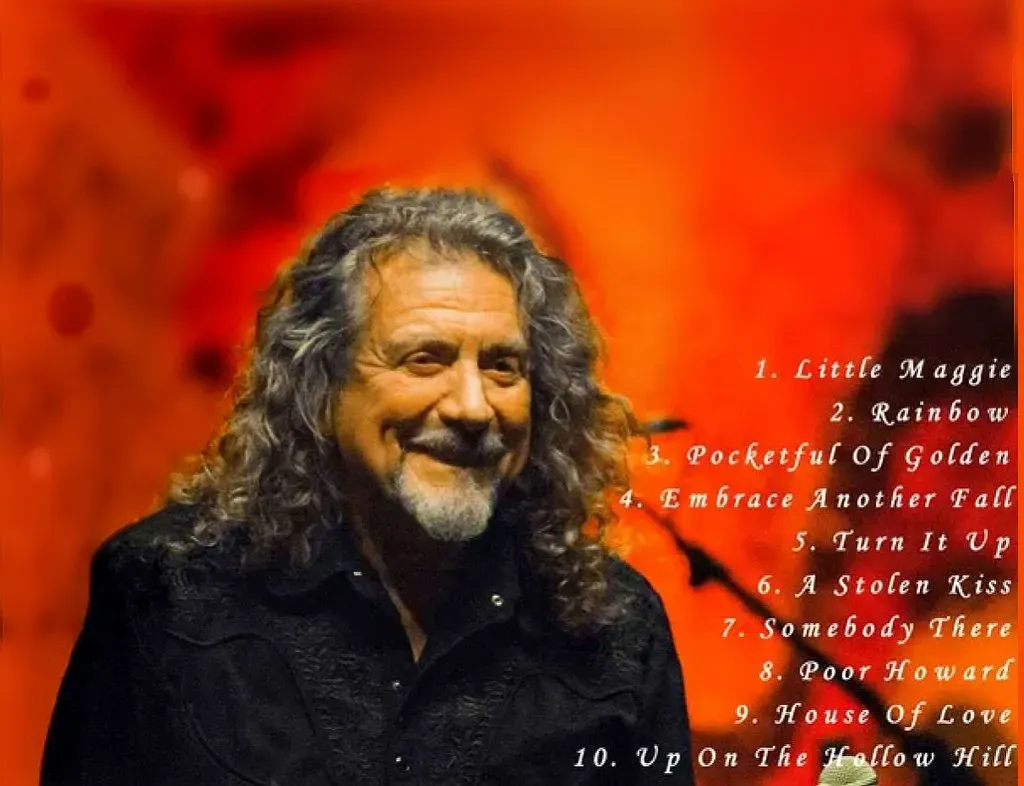
Robert Plant’s voice in the early Led Zeppelin years was pure electricity. That high-pitched wail, that bluesy growl, that ability to scream without ever sounding strained. He created the blueprint for every hard rock vocalist who came after him. Listen to “Immigrant Song” or “Rock and Roll” and you hear the birth of something primal.
Plant drew from blues legends like Howlin’ Wolf and Muddy Waters, but he pushed their influence through a lens of British mysticism and raw sexuality. His vocal improvisations during live performances were legendary. He’d stretch syllables, add unexpected screams, and turn simple lyrics into epic journeys.
The funny thing about Plant? He made it sound effortless. Those soaring high notes, those guttural lows, the way he could sustain a note until it felt like the whole world was vibrating. It looked easy on stage, but try to replicate it and you realize the sheer vocal control required. Countless singers have damaged their voices trying to channel Plant’s style.
What’s remarkable is how his voice evolved over decades while remaining distinctly his. From the raw power of the seventies to the more nuanced, world-music-influenced work in his solo career, Plant proved that great voices don’t just repeat themselves. They grow.
Janis Joplin: The Raw Soul Who Turned Pain Into Power

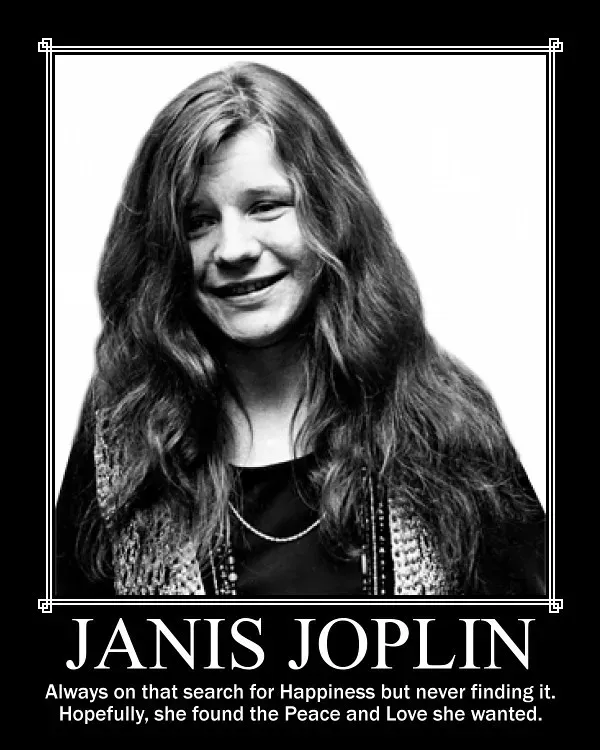
Janis Joplin didn’t have the technical training of opera singers or the polished delivery of pop stars. What she had was something far more valuable: absolute authenticity. When she sang, you felt every heartbreak, every moment of defiance, every drop of whiskey-soaked rebellion. Her voice was rough, raspy, and completely unapologetic.
She took the blues tradition and added a white-hot intensity that shocked audiences in the late sixties. Songs like “Piece of My Heart” and “Cry Baby” weren’t just performances. They were exorcisms. Janis sang like she was purging demons, and audiences couldn’t look away.
Her vocal style drew heavily from African American blues singers, particularly Bessie Smith, but Janis brought her own vulnerability to the table. She didn’t hide her pain or her insecurity. She weaponized it, turning every crack in her voice into a statement of survival.
Partner offer

The tragedy is we only got a few years of Janis at her peak before her death in 1970. Yet those few years produced a body of work that still sounds revolutionary. No female rock vocalist since has matched that combination of raw emotion and fearless delivery. They can mimic her rasp, but they can’t fake her soul.
Chris Cornell: The Grunge Prophet With Operatic Range


Chris Cornell had a voice that seemed physically impossible. A four-octave range, the ability to belt powerful high notes without falsetto, and a timbre that could shift from tender vulnerability to earth-shaking power in a heartbeat. He was the most technically gifted vocalist of the grunge era, and honestly, one of the best rock singers period.
What separated Cornell from other great vocalists was his versatility. He could scream over heavy Soundgarden riffs on songs like “Outshined,” then turn around and deliver hauntingly beautiful acoustic performances like “Black Hole Sun.” His voice had this aching quality, this sense of searching for something just beyond reach.
Cornell also had incredible control over dynamics. He understood that sometimes the quietest moments in a song carry the most weight. Listen to “Say Hello 2 Heaven” or his cover of “Nothing Compares 2 U” and you hear a master at work, someone who knew exactly when to push and when to pull back.
His death in 2017 left a hole in rock music that simply can’t be filled. Cornell represented the last of a certain breed of vocalist, someone who combined classical technique with raw rock energy. Modern rock singers often favor one or the other, but Cornell proved you could have both without compromise.
Axl Rose: The Controversial Maestro With Unprecedented Range

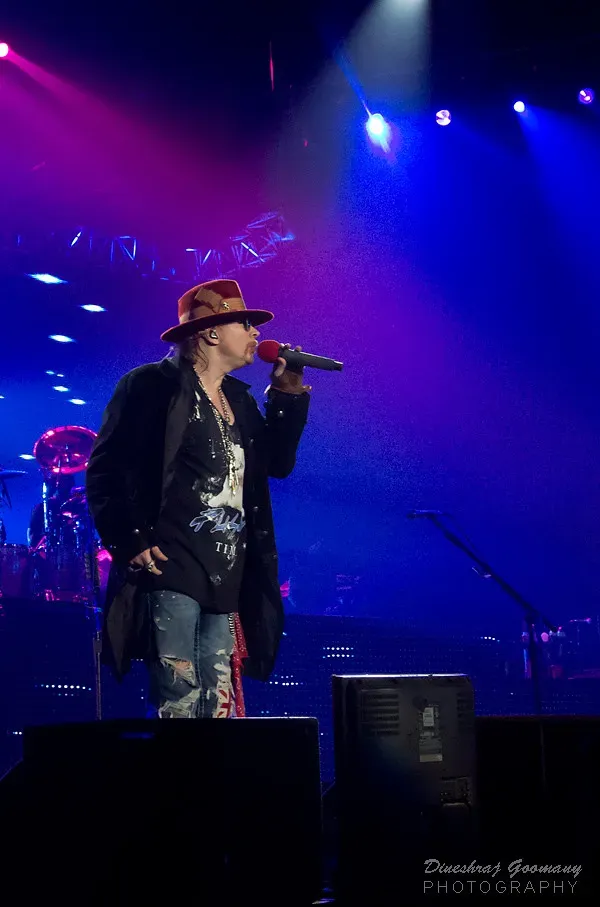
Let’s be real, Axl Rose is a polarizing figure. His behavior, his tantrums, his notorious unpredictability have overshadowed his vocal abilities for many people. But strip away the drama and focus purely on the voice, and you’re looking at one of the most extraordinary instruments in rock history. His range spans roughly five octaves, allowing him to hit notes most singers can’t even dream of.
What made Axl special wasn’t just the range though. It was the variety of tones he could produce. He could deliver raspy street-tough vocals on songs like “Welcome to the Jungle,” shift to a piercing high register on “Sweet Child O’ Mine,” then drop into a deep, almost baritone growl. This versatility gave Guns N’ Roses a sonic palette that set them apart from every other hair metal band of the eighties.
Axl also had this unique ability to layer his voice, creating harmonies with himself that sounded like multiple distinct singers. The vocal arrangements on songs like “November Rain” showcase this talent brilliantly. He wasn’t just singing lead and backup. He was constructing vocal architecture.
Critics love to point out his inconsistency, the way his voice has changed over the years, the canceled shows and late starts. Fair enough. But at his peak, roughly between 1987 and 1993, Axl Rose was untouchable. That combination of range, power, and attitude created something that modern rock desperately misses.
Final Thoughts

These five voices didn’t just define rock music. They expanded what we thought was possible with the human voice. They took risks, broke rules, and created sounds that continue to influence musicians decades later. You can learn their techniques, study their phrasing, and practice their songs until your throat gives out. But you’ll never truly replicate what made them special, that intangible quality that separates great singers from irreplaceable legends.
Rock music keeps evolving, and new talented vocalists emerge constantly. Yet something feels different now, perhaps smaller in scope or ambition. These five singers operated on a scale that feels almost mythological today. They were larger than life, and their voices matched that magnitude perfectly. What’s your take? Did we miss anyone who deserves a spot on this list? Let us know in the comments.
Partner offer
Planning a trip to Vegas?
Compare hotel rates and show tickets on VEGAS.com.