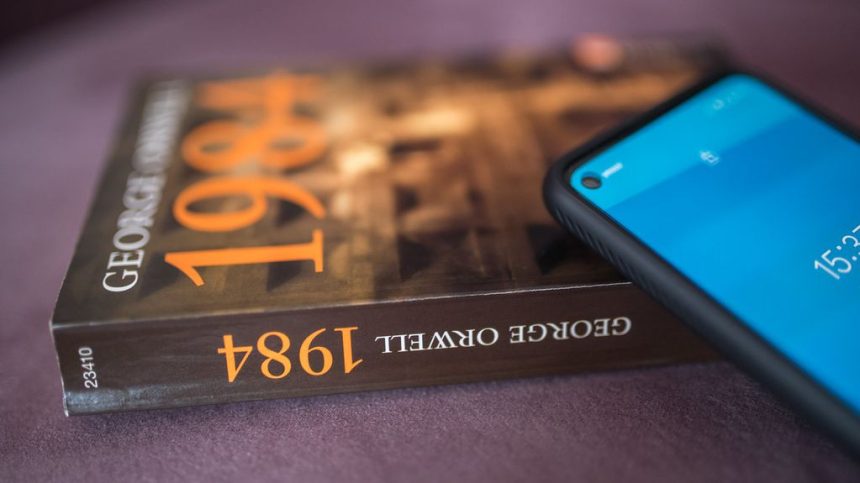
Some books you read and forget within weeks. Others stick with you, maybe for a few months. Then there are those rare novels that completely rewire your brain. They shift how you understand people, society, even yourself. These aren’t just entertaining stories. They’re catalysts that sparked movements, challenged entire systems of thought, and forced millions to reconsider what they believed was true.
What makes a book powerful enough to change the world? It’s not always about perfect prose or intricate plots. Sometimes it’s about timing. A novel that captures the precise anxieties or hopes of a moment in history. Other times it’s about exposing truths people desperately needed to hear but were afraid to speak. Let’s explore the novels that didn’t just top bestseller lists but fundamentally altered human consciousness.
Uncle Tom’s Cabin by Harriet Beecher Stowe

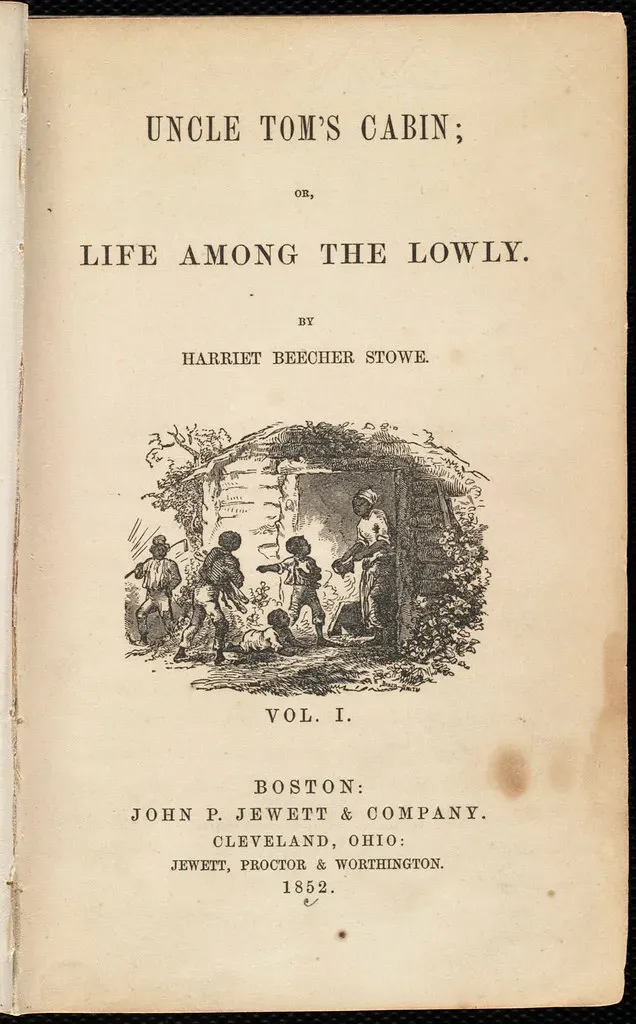
Published in 1852, this novel became the anti-slavery manifesto that ignited a nation. Stowe’s depiction of enslaved people as fully human, with families, dreams, and suffering, was revolutionary for white American readers who had comfortably distanced themselves from the brutality of slavery. Within a year, it sold 300,000 copies in the United States alone.
When President Lincoln met Stowe during the Civil War, he reportedly said, “So you’re the little woman who wrote the book that started this great war.” Whether or not he actually said it, the sentiment captures the novel’s massive impact. It gave the abolitionist movement an emotional weapon that political arguments alone couldn’t provide.
The book wasn’t perfect. Modern readers rightly criticize its racial stereotypes and religious sentimentality. Still, its influence on American history remains undeniable. It made slavery personal and unbearable for readers who had never witnessed its horrors firsthand.
1984 by George Orwell

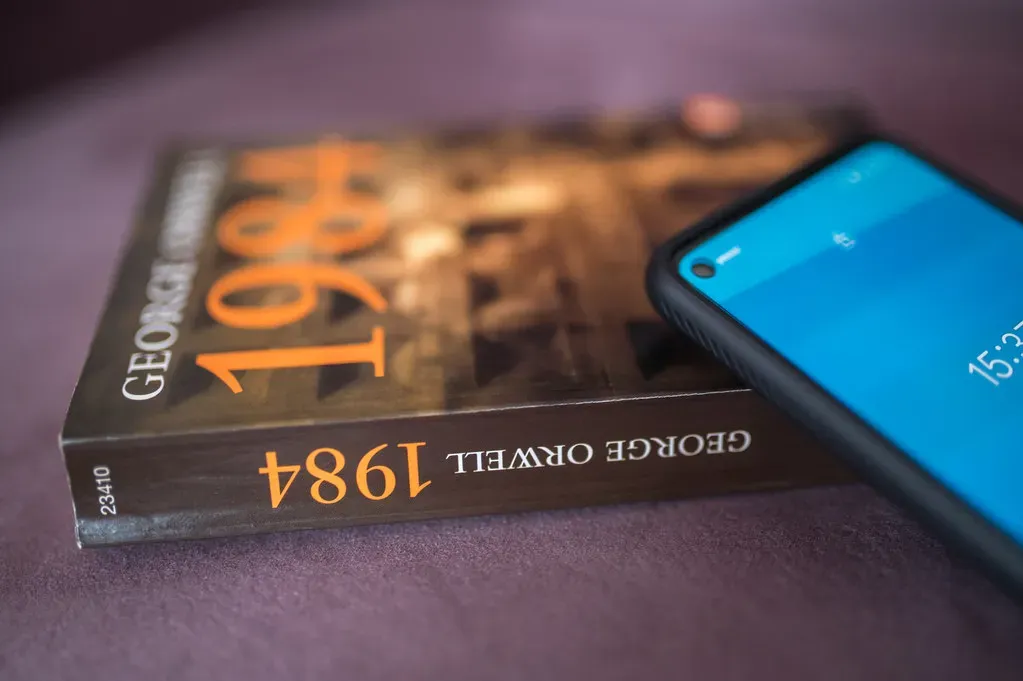
Orwell’s dystopian masterpiece gave us a vocabulary for authoritarianism that we still use today. Big Brother. Doublethink. Thoughtcrime. Published in 1949, it warned about totalitarian regimes that control not just behavior but thought itself.
What’s unsettling is how relevant it remains. Every few years, sales of 1984 spike when people feel their freedoms threatened. After Trump’s election in 2017, it shot to the top of bestseller lists again. The novel’s vision of surveillance, propaganda, and reality manipulation feels less like fiction and more like a cautionary playbook.
Orwell understood something crucial. The most dangerous tyrannies don’t just silence dissent. They make people doubt their own perceptions of truth. That insight has shaped how we analyze power structures ever since.
To Kill a Mockingbird by Harper Lee

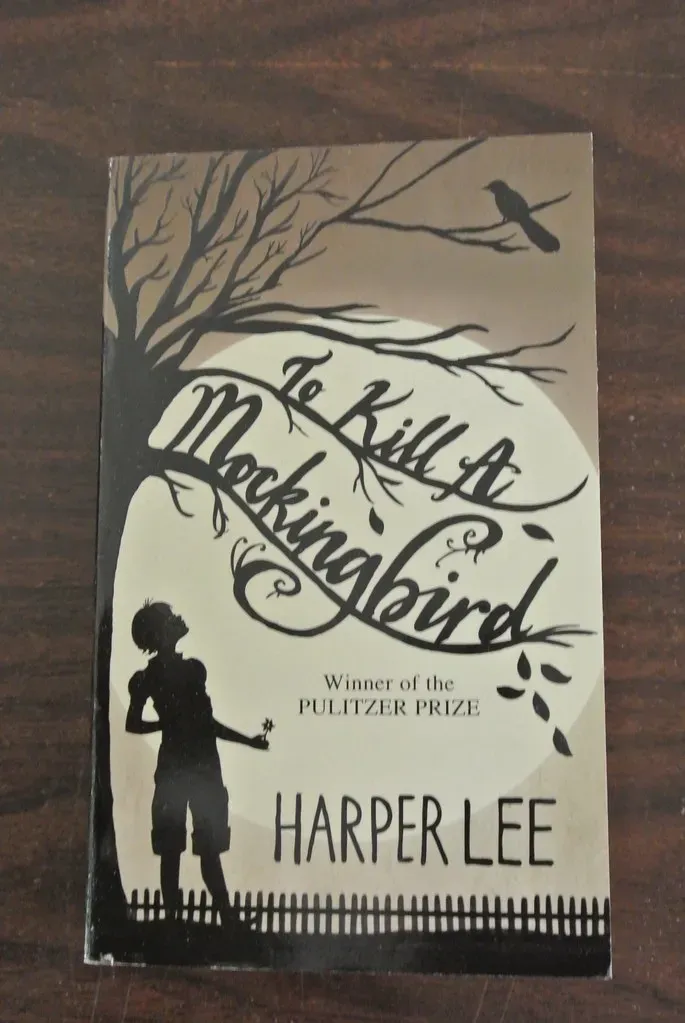
Harper Lee’s 1960 novel became America’s moral conscience on race. Through the eyes of young Scout Finch, readers witnessed the injustice of a Black man falsely accused of rape in the Jim Crow South. Her father, Atticus Finch, defending Tom Robinson despite knowing he’d lose, became the literary symbol of moral courage.
The book appeared at exactly the right moment, just as the Civil Rights Movement was gaining momentum. It helped white readers, particularly in the South, confront uncomfortable truths about their own communities. Schools across America adopted it, making it required reading for generations.
Partner offer

Critics have pointed out that centering white characters in a story about racial injustice has its problems. The white savior narrative can be troubling. Yet the novel’s impact on American attitudes toward justice and empathy can’t be dismissed. It opened conversations that desperately needed to happen.
The Feminine Mystique by Betty Friedan


Technically more journalism than fiction, but Friedan’s 1963 work reads like a novel about the hidden lives of American housewives. She exposed “the problem that has no name,” the profound dissatisfaction of educated women trapped in domestic roles they found suffocating.
Middle-class white women across America suddenly realized they weren’t alone in feeling incomplete despite having everything society told them they should want. The book sparked the second wave of feminism, leading directly to the National Organization for Women and massive cultural shifts in how women viewed their potential.
Friedan had blind spots, particularly regarding race and class. Her vision of liberation focused primarily on white, educated women. But she cracked open a door that couldn’t be closed again. Women began demanding more than just the right to vote. They wanted equal opportunities, equal pay, and freedom to define their own lives.
One Hundred Years of Solitude by Gabriel García Márquez

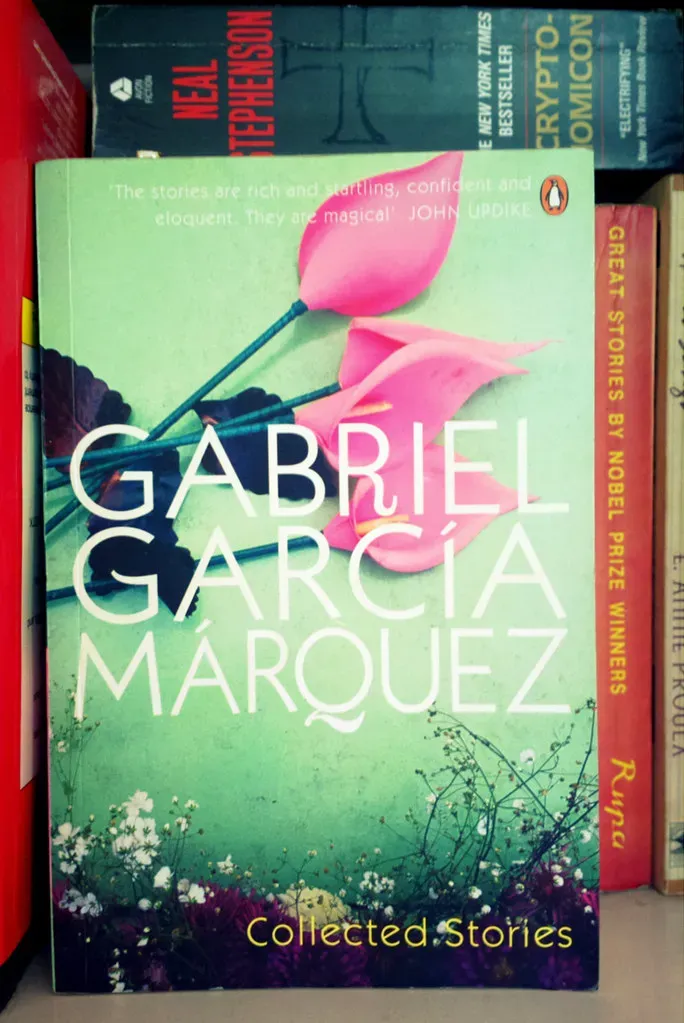
When this novel appeared in 1967, it introduced the world to magical realism on an epic scale. García Márquez wove the fantastic and the mundane together so seamlessly that flying carpets and prophecies felt as real as poverty and war. The Buendía family’s multigenerational saga became a metaphor for Latin American history itself.
The book revolutionized how we tell stories. It showed that the Western realistic tradition wasn’t the only valid way to capture truth. Sometimes myth, magic, and exaggeration reveal deeper realities than strict realism ever could. Writers from Toni Morrison to Salman Rushdie built on what García Márquez achieved.
Beyond literature, the novel helped the world see Latin America as more than a collection of banana republics. It presented a rich, complex cultural landscape with its own narrative traditions and profound insights into the human condition.
The Diary of a Young Girl by Anne Frank

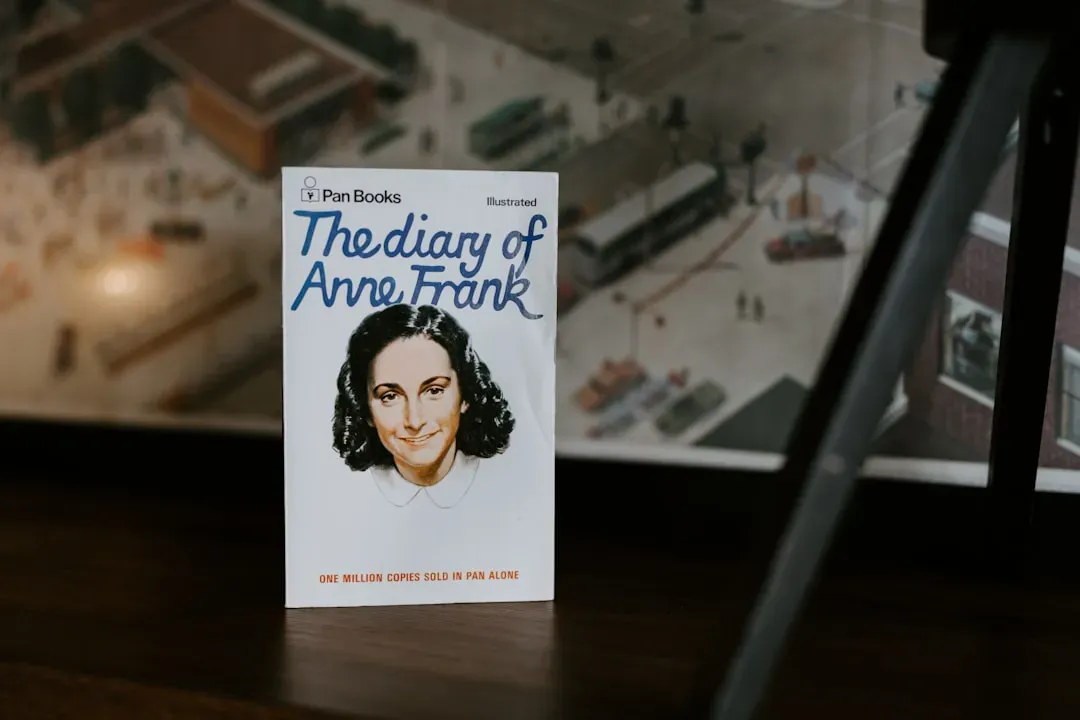
Anne Frank’s diary wasn’t meant to be a novel. It was the private thoughts of a Jewish teenager hiding from the Nazis in Amsterdam. But when her father published it in 1947, it became one of the most powerful testimonies about the Holocaust.
What makes it devastating is Anne’s voice. She’s not writing as a victim or a symbol. She’s a real teenager worrying about her body, her crushes, her fights with her mother. That ordinariness makes the horror more comprehensible. Readers connect with her humanity, making the tragedy personal rather than abstract.
The diary has been translated into over 70 languages and required reading in schools worldwide. It puts a face on genocide, making denial and indifference much harder. Anne’s hope and humor despite everything make her story both heartbreaking and inspiring.
Partner offer
Planning a trip to Vegas?
Compare hotel rates and show tickets on VEGAS.com.