Ask ten film fans to name the best science fiction movie ever made and you’ll probably get ten different answers. The genre stretches from silent era spectacles to modern blockbusters, so any shortlist involves some tough choices. This one leans on lasting influence, critical standing, and awards history.
Some of these films are household names, while others are more likely to turn up on film school syllabi. Count how many you’ve watched as you go.
Metropolis (1927)
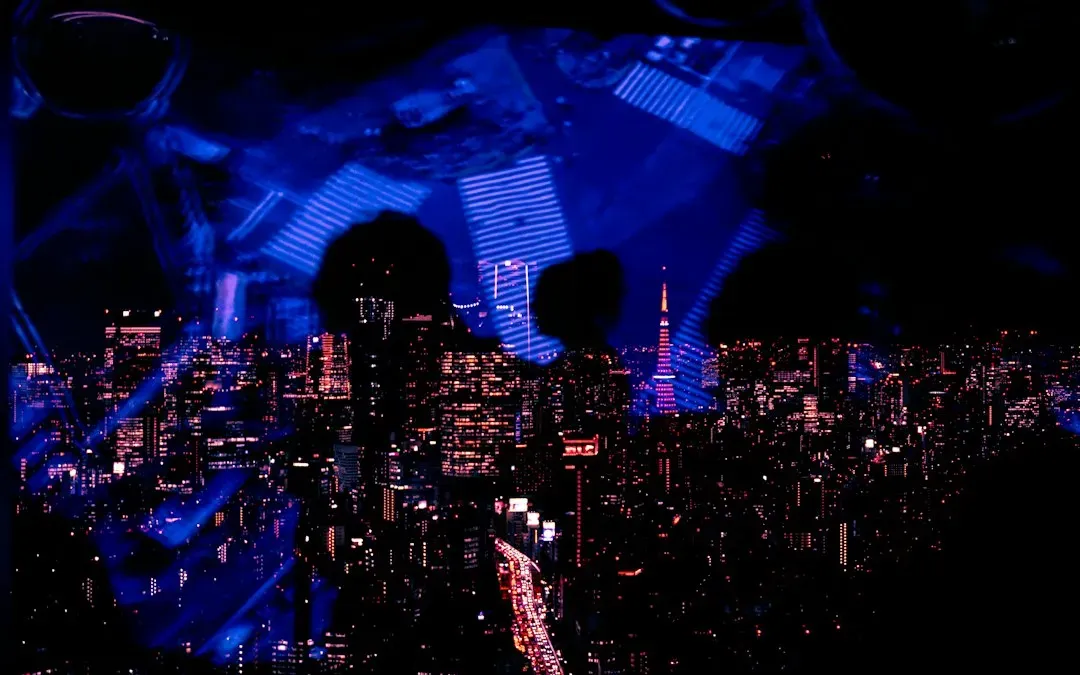
Fritz Lang’s silent epic imagined a city split between wealthy planners above ground and exhausted workers below. It also gave cinema one of its most recognizable robots. Many later films borrowed its towering skylines and its machine vision of the future.
The film’s survival story is nearly as remarkable as the movie. Footage long thought lost was found in an archive in Buenos Aires in 2008, which allowed a far more complete restoration to premiere in 2010. UNESCO also added the film to its Memory of the World Register in 2001.
2001: A Space Odyssey (1968)
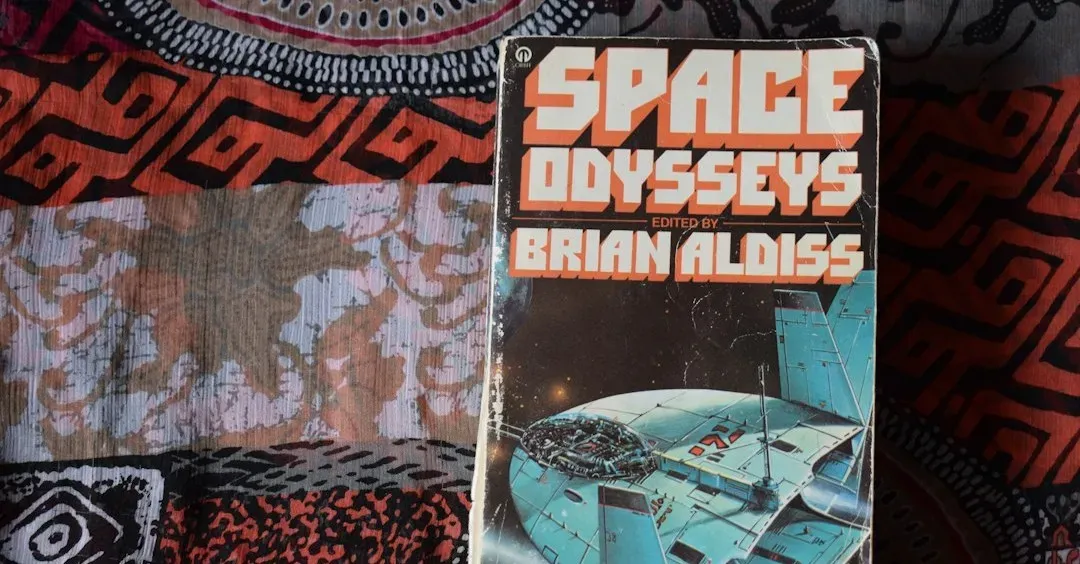
Stanley Kubrick made this film with writer Arthur C. Clarke, and it treats space travel with patience rather than rush. Dialogue is sparse, and the visuals do much of the storytelling. Its calm, cold artificial intelligence, HAL 9000, remains a reference point for every film about machines that think.
Kubrick received the Academy Award for visual effects for his work on it. That’s notable because the film was made before modern digital tools existed. Its practical effects still hold up remarkably well today.
Star Wars (1977)
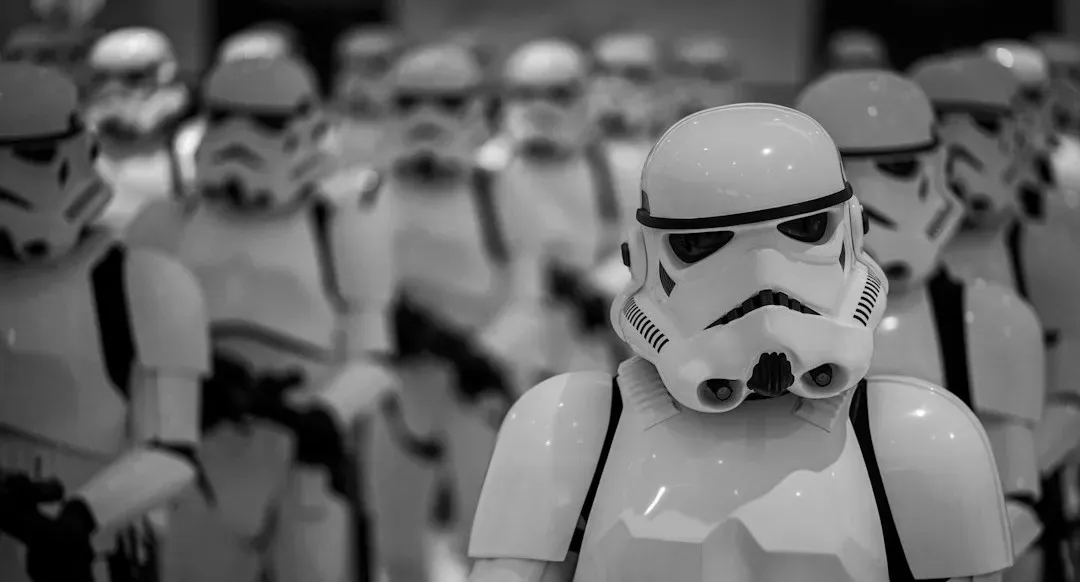
George Lucas blended space adventure, myth, and old serial thrills into something audiences had never quite seen. The film was nominated for Best Picture and won several Academy Awards, including honors for its visual effects and John Williams’s score. Its success helped reshape how Hollywood thought about big budget spectacle.
Its influence went well beyond the box office. Lucasfilm’s effects company, Industrial Light and Magic, was founded to make the movie and became a major force in the industry. Many effects techniques used across cinema trace back to that workshop.
Partner offer
Alien (1979)

Ridley Scott turned a cramped cargo ship into a nightmare. The story is simple: a crew, a hostile creature, and nowhere to run. Sigourney Weaver’s Ripley became one of the genre’s defining heroes.
The creature design came from Swiss artist H.R. Giger, and it won the film an Academy Award for visual effects. Alien proved that science fiction could work as pure horror without losing its intelligence. The franchise it launched is still producing new stories decades later.
Blade Runner (1982)
Also directed by Ridley Scott, this rain soaked vision of Los Angeles was loosely based on a Philip K. Dick novel from 1968. It follows a detective hunting artificial humans called replicants. The story keeps circling one question: what makes someone human?
The film performed modestly on release, then grew into a cornerstone of the genre through home video and repeated reappraisal. Its look shaped countless cyberpunk stories that followed. A sequel, Blade Runner 2049, arrived in 2017 and earned praise for its cinematography.
The Matrix (1999)
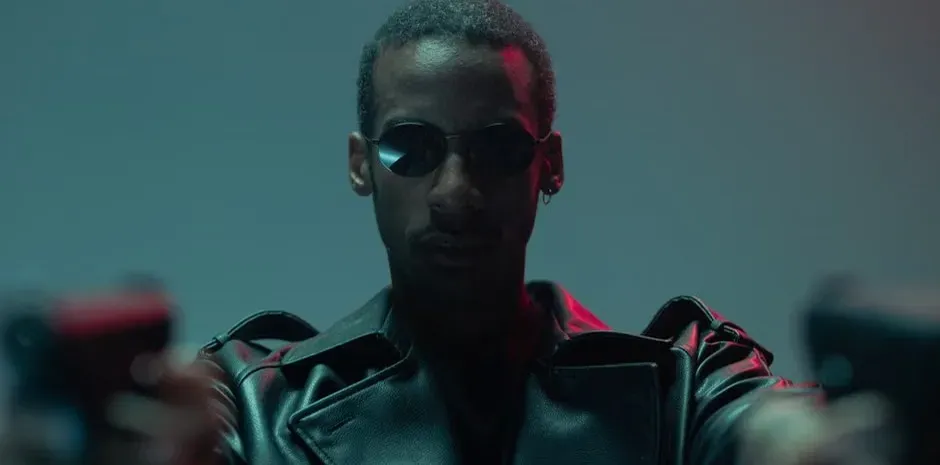
The Wachowskis mixed cyberpunk ideas, philosophy, and martial arts choreography into a single, sleek action film. Its story of a hacker who discovers his world is a simulation struck a chord with audiences at the turn of the millennium. The slow motion camera effect known as bullet time became one of the most copied visuals of its era.
The Matrix won four Academy Awards, covering visual effects, film editing, sound, and sound effects editing. Its influence is easy to spot in the action films that followed. The franchise returned to theaters in 2021 with The Matrix Resurrections.
Where to Start
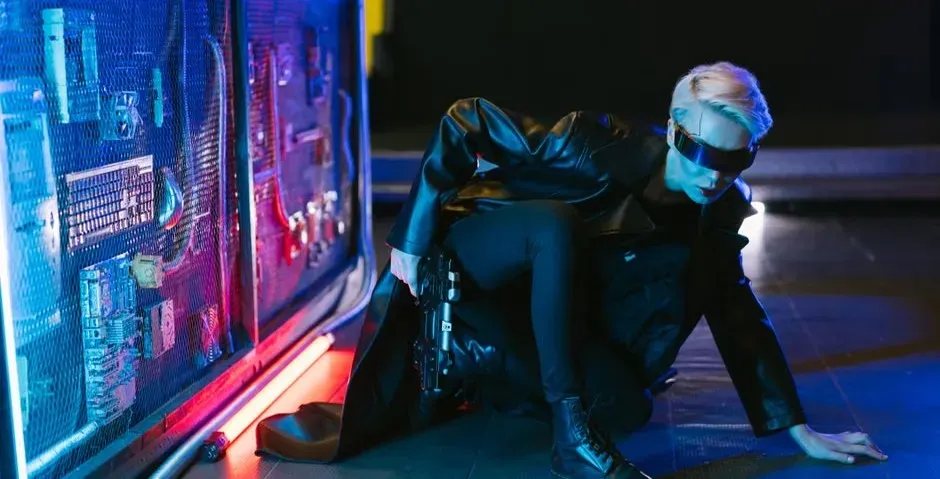
If you’ve seen none of these, Star Wars and Alien make an easy entry point because both are direct and gripping. Viewers who like slower, more thoughtful films may prefer 2001 or Blade Runner. Metropolis rewards anyone curious about where the genre began.
The Matrix sits comfortably between those extremes, with big action and big ideas in the same package. Together, these six films cover nearly a century of the genre’s history, from 1927 to 1999.
Partner offer
Planning a trip to Vegas?
Compare hotel rates and show tickets on VEGAS.com.