Some artists inspire passionate fanbases. Others inspire something closer to collective frustration. The peculiar thing about the music industry is that controversy, backlash, and even widespread public contempt rarely translate into reduced label support. If anything, notoriety seems to function as its own promotional engine. The artists below haven’t simply had a bad year or a poorly received album. Each of them has faced sustained, documented public hostility, whether over behavior, creative output, or sheer cultural exhaustion. Yet major labels, streaming giants, and mainstream media keep their names in circulation. The machine does not easily reverse course.
Ye (Kanye West): The Industry’s Most Uncomfortable Act
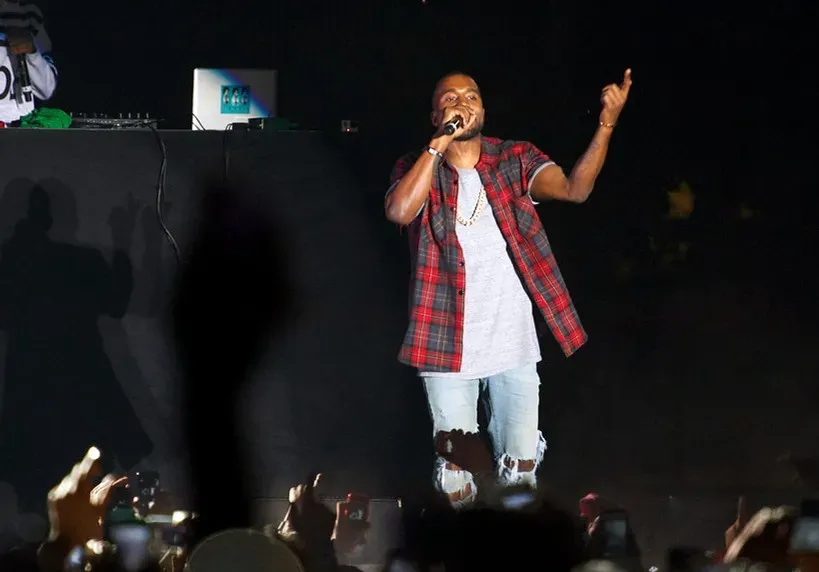
Ye has won 24 Grammy Awards and topped Billboard’s Hot 100 chart across three separate decades. That commercial history is precisely why the music industry has found it so difficult to let him go, even as his public behavior has become increasingly difficult to defend. His career has been frequently marked by high-profile controversies, and in the last few years, antisemitic and racist comments have further escalated the public backlash against him.
In February 2025, Ye posted “I AM A NAZI” and “I LOVE HITLER NOW WHAT” on X, and his Super Bowl weekend ads directed viewers to Yeezy.com, which was selling shirts bearing a Hakenkreuz. Ye was subsequently denied entry into the U.K. following a public controversy stemming from past antisemitic comments, with the Wireless festival eventually canceled as a result. Yet in recent months, the musician has been attempting to rehabilitate his reputation, performing multiple sold-out stadium concerts in Mexico City and Los Angeles. The industry’s tolerance for his behavior remains a deeply unresolved question.
Morgan Wallen: Country’s Most Bankable Problem
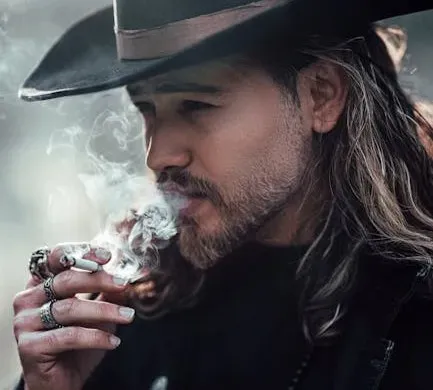
In 2021, Wallen was caught on video uttering a racial slur. Since then, he has become the most commercially successful musician in country and popular music. That sentence alone says more about the state of the industry than most reports could. That Wallen rebounded seemingly unscathed is, to some, a repudiation of cancel culture, and to others just one more exhausting example of ingrained racism. Using his album consumption and hot ticket sales as a metric, it is not a stretch to say the controversy actually helped his career.
Wallen’s fourth album, “I’m the Problem,” arrived ready to indefinitely dominate the pop charts. Its reception is one of the most puzzling stories in recent music. Hayley Williams confirmed Wallen was the inspiration behind the “racist country singer” lyric in her new solo album, released in 2025. To Wallen’s detractors, the message was clear: a white artist would be forgiven for bad-boy behavior as long as he continued to achieve commercial success.
Nicki Minaj: Loyalty Stretched to Its Limits
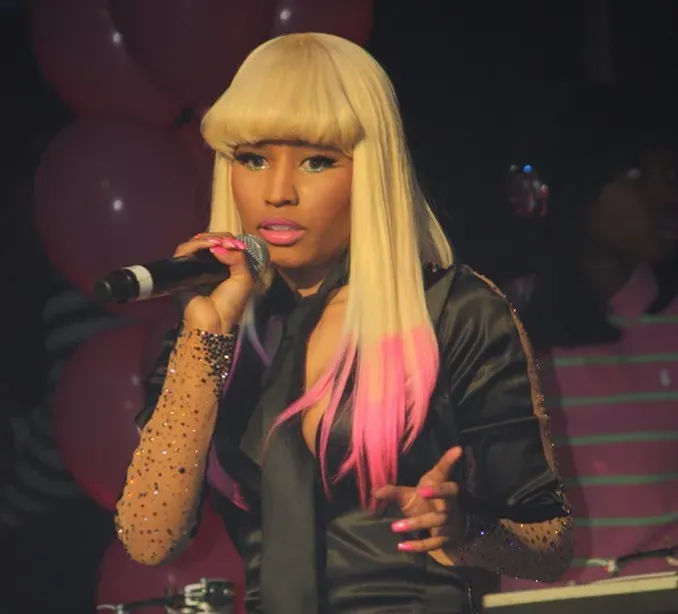
Nicki Minaj’s diss track “Big Foot” has been described as the worst song of 2024, possibly the worst of the entire decade. Based on the ratio of likes to dislikes online, it ranked among the most negatively received tracks in recent years, alongside Katy Perry’s “Woman’s World” and KSI’s “Thick of It.” The song mocked Megan Thee Stallion for being shot by Tory Lanez in 2020, and also mocked Megan’s spouse despite the fact that Minaj’s own husband has a more serious criminal record.
Minaj was described as “embarrassingly outlandish” in her deliveries during the public beef with Megan Thee Stallion, and critics noted she appeared far from a seasoned pro. In “Big Foot,” she attempted to show that Megan’s flow was boring, but delivered the track in what reviewers called a “cartoonish” manner, ending in a bizarre whispered monologue that sounded more like an ASMR podcast than a diss track. Even Minaj’s own dedicated fanbase declined to defend it. Still, her label and streaming platforms have continued to promote her profile without hesitation.
Partner offer
Katy Perry: A Comeback That Nobody Asked For
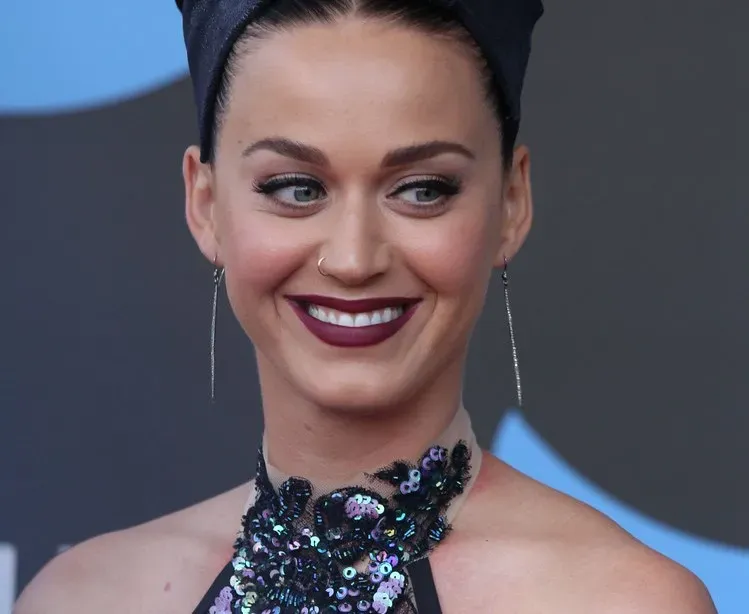
Katy Perry found herself in the crosshairs for her bubblegum pop track “Woman’s World,” the debut single from her post-American Idol album 143. Critics labeled the tune a “faux-feminist anthem” and called it “woefully out of step with the time.” The song also received significant backlash for its collaboration with producer Dr. Luke, who Kesha has publicly accused of sexual assault, and the accompanying music video did Perry no favors either.
The song was not exciting in any way, not especially empowering, and represented an underwhelming performance from an artist who was supposed to make a big comeback after years without releases. The music video further undermined her stated pro-feminist message. Critics noted she had largely fallen off after “Roar” and “Dark Horse,” observing that her years of genuine cultural relevance appeared to be behind her. The label machinery around her, however, showed no signs of powering down.
JoJo Siwa: Rebranding Gone Sideways
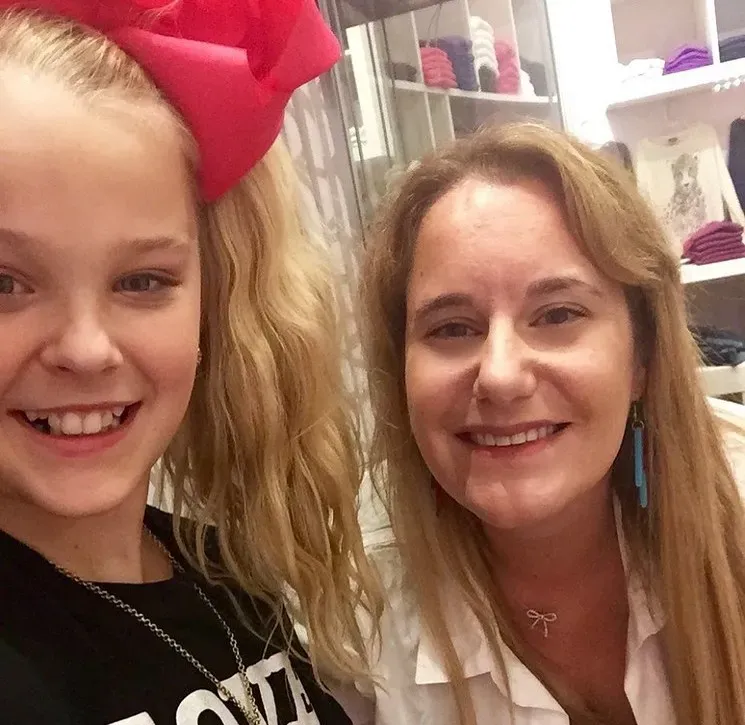
JoJo Siwa has gone from child star to one of the most polarizing figures in entertainment. In 2025, her drastic image overhaul continues to leave long-time fans confused. While she has defended her transformation as artistic expression, critics argue she is trying too hard to be edgy and that her new persona comes across as laughable. Siwa decided to shed her child-star skin and rebrand as an edgy pop star with her debut single “Karma,” establishing upfront that she was a “bad girl” and “wild child,” but that was only in theory.
Also sparking a mixed reaction from the public is Siwa’s “Dream Guest VIP” concert package, priced at over $900, which includes fans helping her crew set up and assemble her concert. Critics observed that she lacks musical talent and suggested she consider stepping away from music altogether. That has not stopped entertainment media or streaming platforms from keeping her visible and her projects in the conversation well into 2025 and 2026.
Pitbull: The Eternal Presence Nobody Voted For
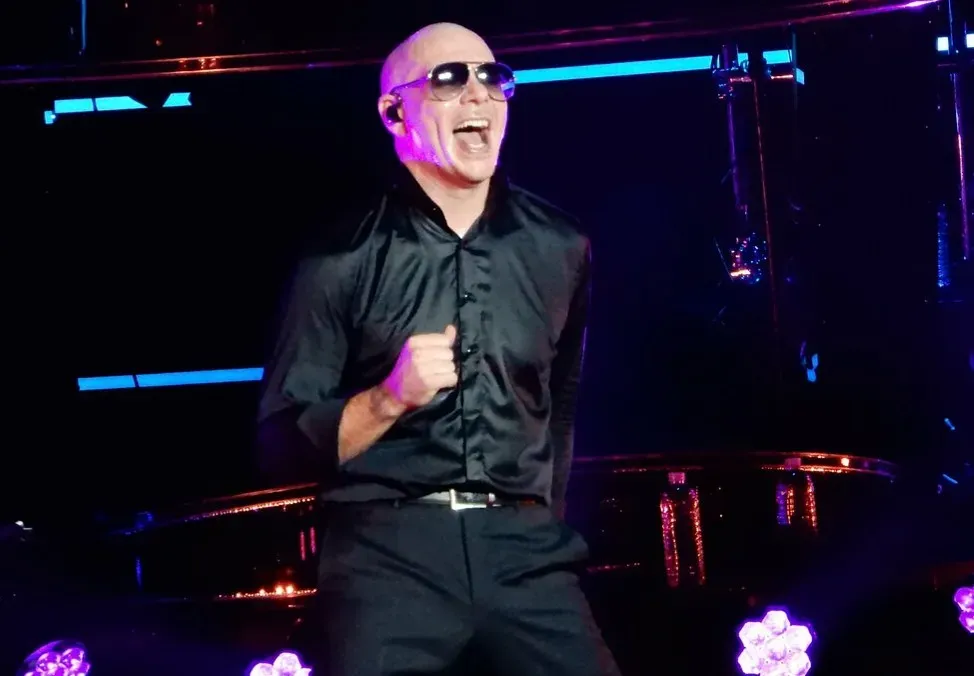
Few artists in modern pop history have generated the particular kind of baffled resignation that Pitbull inspires. Pitbull’s name appeared on Variety’s “Worst Songs of 2024” list alongside Kanye West, Katy Perry, and Nicki Minaj. His formula has barely changed in fifteen years, cycling through the same formula of club-ready beats, hollow hooks, and globetrotting brand partnerships that somehow keep him afloat in major label rosters and mainstream playlists. He is not hated with the fury directed at some others on this list. He is disliked with something quieter and perhaps more damning: indifference that has curdled into mild contempt.
His presence in commercial music, on movie soundtracks, sports events, and sponsored tours, defies most conventional metrics of public appetite. Streaming numbers rarely lie, but promotional budgets can produce artificial staying power for an artist who has essentially been on a permanent loop since the early 2010s. The industry has found in him a reliable, uncontroversial revenue vehicle, which may be all that ever mattered. Audiences, meanwhile, keep scrolling past.
The thread connecting all six of these artists is not pure talent deficiency or even straightforward unpopularity. It is the gap between what the public signals and what the industry actually responds to. Commerce, catalog value, and the sunk-cost logic of promotional campaigns keep the machine running long after public goodwill has quietly walked out the door.Partner offer
Planning a trip to Vegas?
Compare hotel rates and show tickets on VEGAS.com.