Music has always carried the fingerprints of the generation that loved it most. For Baby Boomers, born roughly between 1946 and 1964, the artists they grew up with didn’t just provide a soundtrack – they defined whole decades of American life. Singers who filled stadiums, dominated radio, and sold millions of records are still deeply beloved by that generation today.
For Boomers, music engagement tends to focus on nostalgia and long-standing favorite artists rather than seeking out fresh sounds. Meanwhile, Generation Z’s musical interest is all about the fusion of nostalgia and innovation, supporting artists who embrace authenticity over perfection and genre-bending creativity. The gap between those two worlds is wide, and these eight singers sit right at the center of it.
Neil Diamond
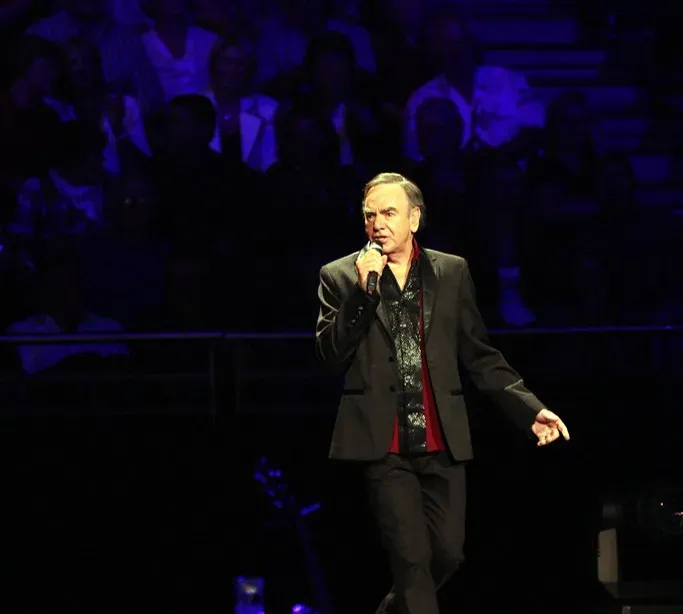
Few voices are more instantly recognizable to a Boomer than Neil Diamond’s. His catalog, stretching from the late 1960s through the 1980s, produced sing-along classics that became part of American cultural fabric. Neil Diamond ranks among the all-time top artists on the Billboard Hot 100, a reflection of just how consistently he connected with mass audiences over multiple decades. His anthems played at ballparks, weddings, and living rooms across the country for generations.
For Gen Z, though, Diamond’s theatrical baritone and sequined showmanship feel distant from the raw, introspective sounds they gravitate toward. Generation Z, having gone through financial instability, political division, and the challenges of a global pandemic, finds it easier to relate to artists that are more sensitive with their lyrics and instrumental delivery – a contrast to the polished, celebratory pop that defined earlier eras. Diamond’s music simply lives in a register that most younger listeners never explored in the first place.
Barbra Streisand
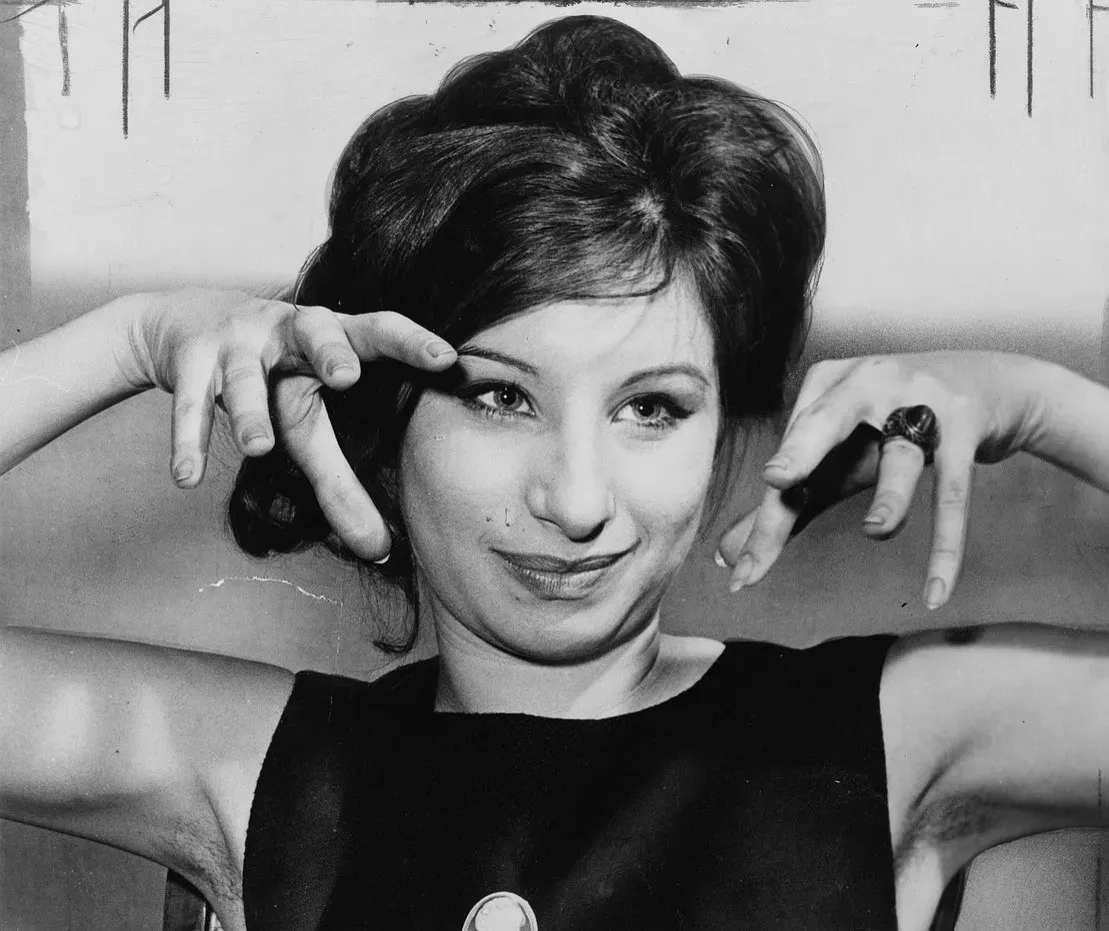
Barbra Streisand is, by any objective measure, one of the most decorated performers in music history. She has logged more weeks atop Billboard’s Adult Contemporary chart than almost any other artist, and through 2022, Celine Dion led the AC chart with 87 weeks at number one, but Streisand remains among the format’s greatest all-time performers alongside Elton John. Her powerful belt, her dramatic phrasing, and her ability to turn a ballad into an event made her a genuine icon for Boomers who came of age in the 1960s and 70s.
Among Gen Z, Streisand’s name registers mostly as a cultural reference rather than an active listening choice. A Spotify study shows rap and R&B are the biggest genres for Gen Z, which puts orchestral pop and Broadway-adjacent material well outside their regular rotation. Her artistry is undeniable, but the format it lives in – lush arrangements, grand emotion, prestige performance – doesn’t map easily onto the stripped-back, bedroom-recorded aesthetic that younger audiences tend to seek.
Barry Manilow
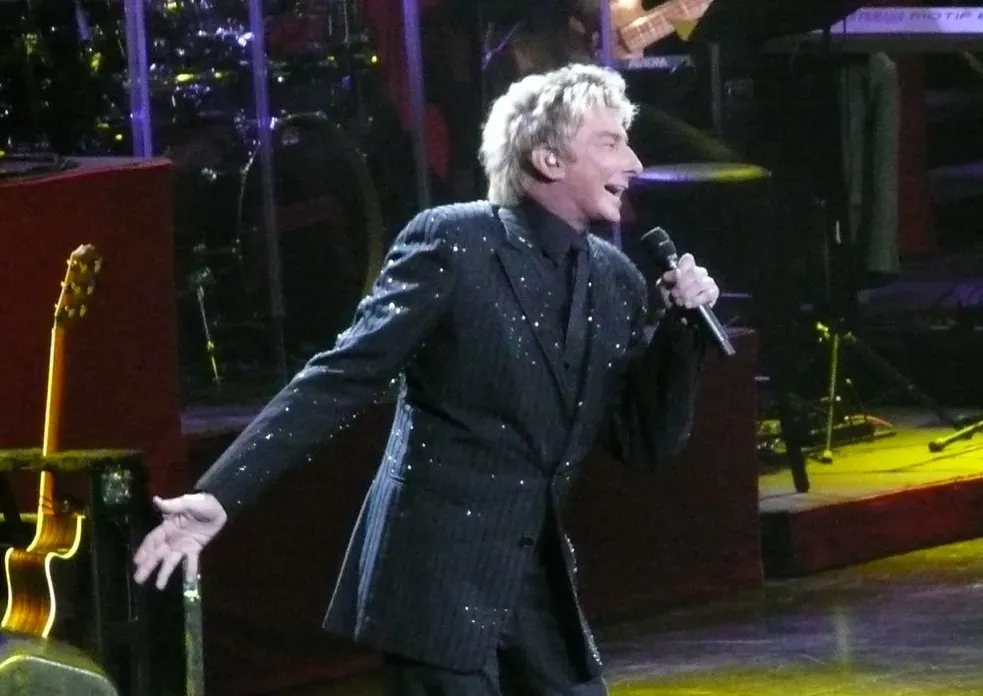
Barry Manilow spent the better part of the 1970s and 80s as one of the biggest-selling artists in the world. He ranks among the very top Adult Contemporary acts of all time, consistently producing radio-friendly soft pop that resonated deeply with adult listeners. Songs built around sweeping melody and emotional sincerity were his signature, and Boomers who came of age during that era still light up when his name comes up.
Gen Z’s relationship with Manilow is essentially nonexistent. His music never made the TikTok revival circuit the way Kate Bush or Fleetwood Mac did, and it lacks the nostalgic novelty factor that occasionally pulls older songs into younger playlists. While U.S. teenagers and young adults rely on music streaming services, four in five Americans within Gen Z discovered new music on social media – and Manilow’s catalog simply hasn’t broken through on those platforms in any meaningful way.
Kenny Rogers
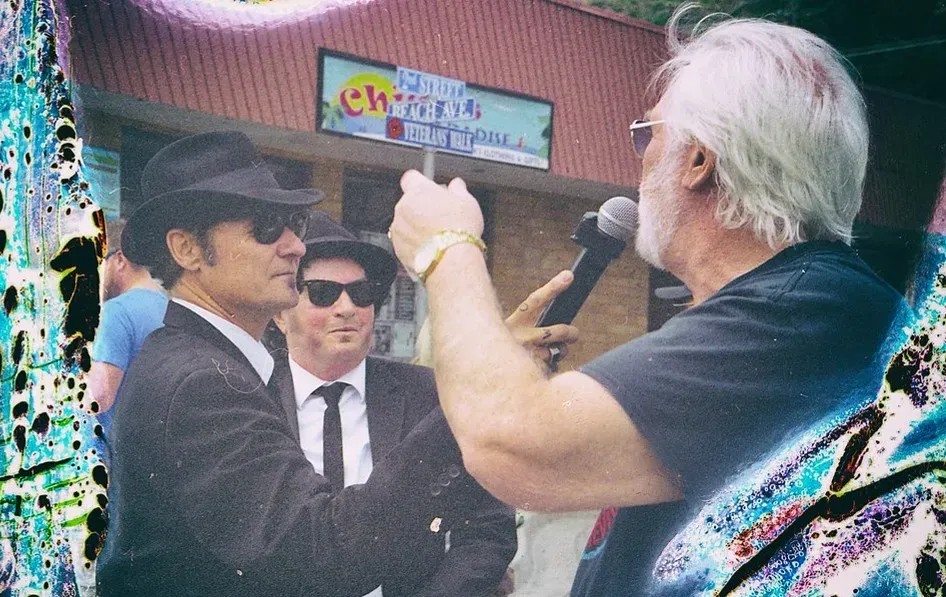
Kenny Rogers had a career that blended country, soft rock, and pop into something uniquely his own. His voice carried warmth and a lived-in quality that felt trustworthy, and Boomers responded to it for decades. Among the country stars who had singles cross over to the Adult Contemporary chart, Kenny Rogers was a consistent presence from the 1960s through the 1980s. Songs like “The Gambler” became cultural touchstones that transcended radio formats entirely.
For younger listeners, Rogers falls into a category that Gen Z rarely explores on its own terms. His storytelling style – narrative-driven, emotionally restrained, country-inflected – doesn’t align with the genre preferences that dominate younger playlists. SiriusXM, dominated by Boomers and Gen X, shows a stronger preference for classic-rock and country eras, with roughly four in five listeners enjoying music from the 1970s and 1980s – which tells you exactly who is still streaming Kenny Rogers in 2026.
Partner offer
James Taylor
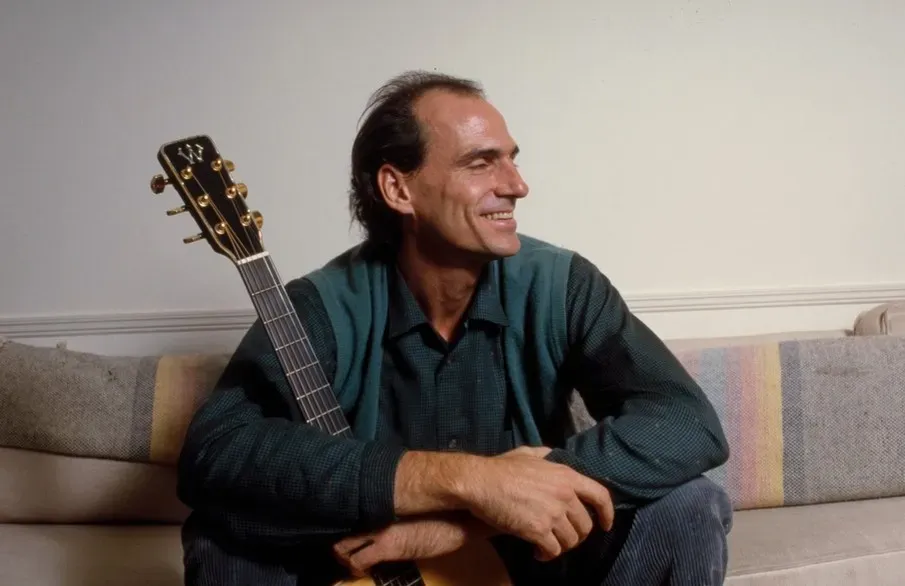
James Taylor represents something specific to the Boomer experience: the singer-songwriter as confessional poet. His gentle acoustic style and introspective lyrics connected with a generation that came through the tumult of the late 1960s looking for something quieter and more personal. Much of the music recorded by singer-songwriters such as James Taylor and Carole King got as much, if not more, airplay on Adult Contemporary stations than on Top 40 stations. That consistent radio presence built a loyal audience that has never really left him.
Taylor’s warm folk-pop, though undeniably crafted, doesn’t generate much excitement among Gen Z. His introspection is genuine, but it’s framed in acoustic guitar and gentle harmony – a world away from the bass-heavy, production-forward sounds younger listeners tend to prefer. Gen Z loves to listen to bass-heavy beats with innovative production techniques that blend nostalgic elements and futuristic sounds, and Taylor’s catalog sits on the opposite end of that spectrum.
Celine Dion
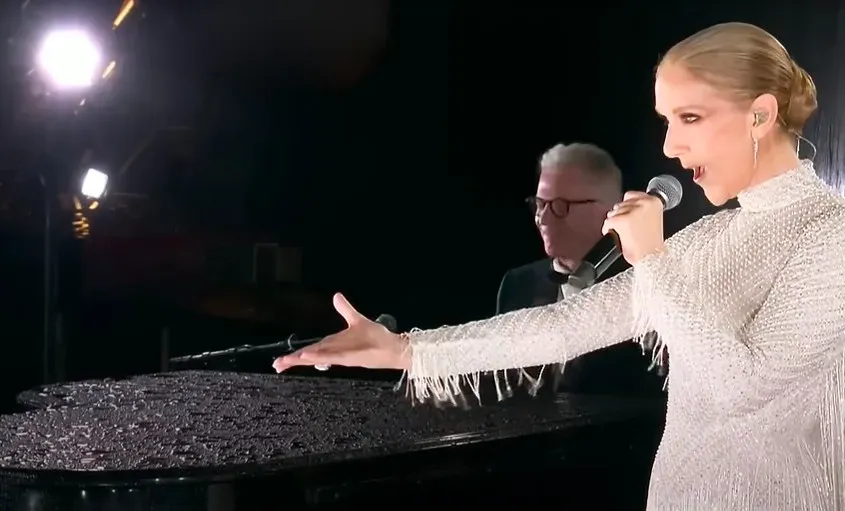
Celine Dion is one of the most commercially successful vocalists in the history of recorded music. Through 2022, Celine Dion has logged 87 weeks atop the Adult Contemporary chart, which is the most for any artist in the chart’s history. Her voice, capable of extraordinary power and tenderness, made her a consistent radio force through the 1990s and into the 2000s. For Boomers, she represents the gold standard of a certain kind of big-voice pop that felt like an event every time it played.
Gen Z is broadly aware of Dion as a cultural figure, particularly given the attention her health struggles have drawn in recent years. Actual streaming engagement, though, is another matter. Her music belongs to a tradition of grand adult contemporary pop that from Michael Jackson and Madonna in the 1980s to Mariah Carey and Celine Dion in the 1990s, AC radio chiefly played the top adult-friendly pop hits – a format that younger listeners have largely moved away from entirely. The emotional scale of her songs doesn’t match Gen Z’s preference for vulnerability delivered quietly.
Billy Joel
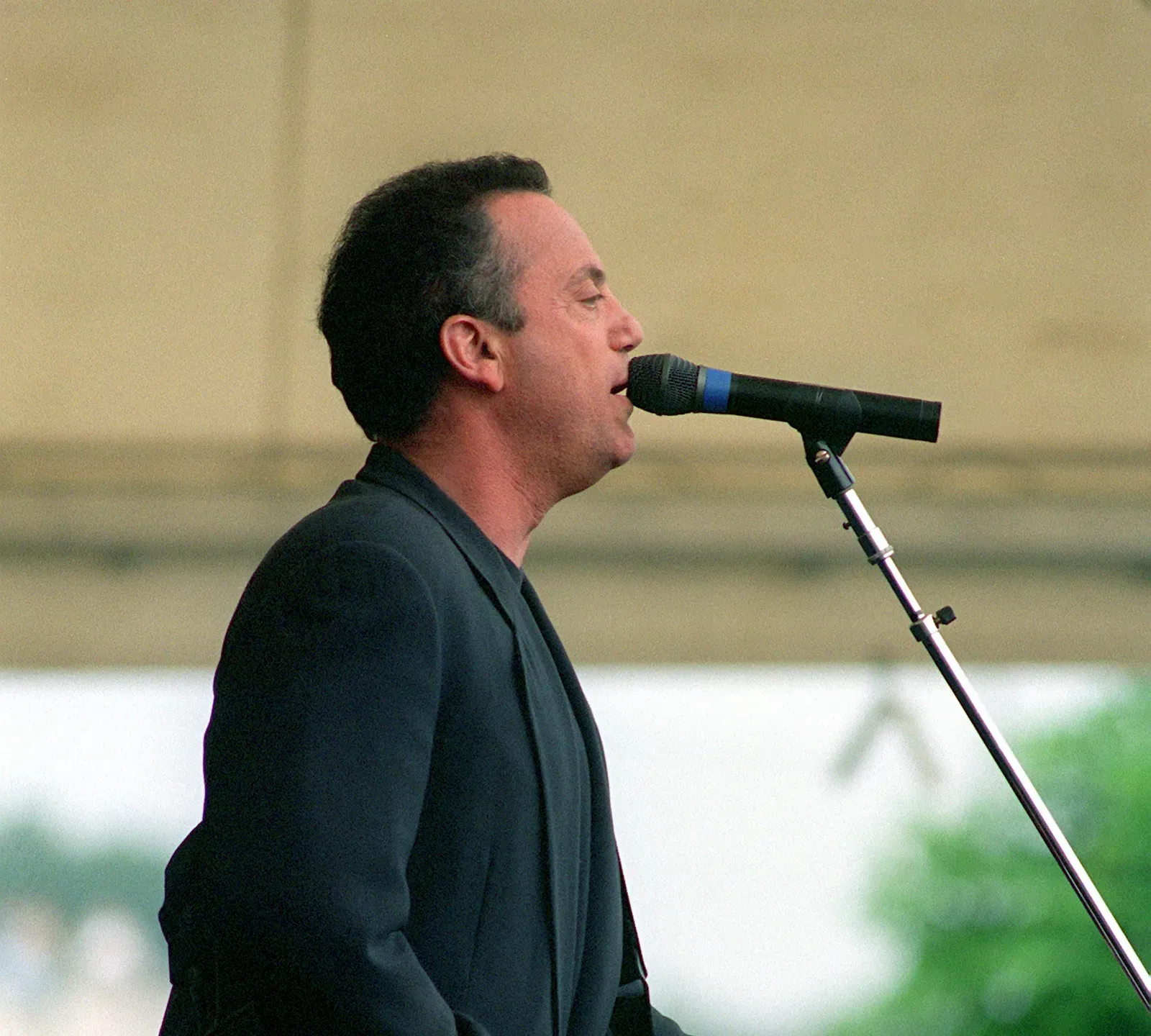
Billy Joel is perhaps the most interesting case on this list, because he sits somewhere between full Boomer ownership and a partial Gen Z awareness. His catalog is undeniably beloved by older listeners, and his 1994 Central Park concert drew one million fans, a scale that puts him in the company of the very biggest live performers of any generation. Boomers connect with his sharp, story-driven songwriting and his no-nonsense New York personality.
There are flickers of younger interest – his name occasionally appears in nostalgic social media conversations – but consistent Gen Z engagement with his catalog remains limited. Boomers are more likely to use SiriusXM than any other generation, and roughly one in four Boomers report not using any music streaming service at all, a stark contrast to Millennials and Gen Z where only about three percent abstain. Joel’s core audience simply lives on different platforms than where Gen Z spends its listening time.
John Denver
John Denver occupies a uniquely warm place in the Boomer memory. His hymn-like celebration of nature, simplicity, and American landscape gave a generation of listeners something genuinely comforting. Contemporary artists who recorded adult-appeal music, including John Denver, began to dominate Top 40 radio in the early 1970s, and his songs carried an earnestness that felt sincere rather than calculated. For Boomers, songs about Rocky Mountain highs and country roads are essentially emotional shorthand for an entire era.
Gen Z’s music discovery habits work against rediscovering someone like Denver. Social media reigns supreme as a discovery channel for Gen Z, while radio, which remains a key player for Boomers, has far less influence on younger listeners. Denver’s music never went viral, never appeared in a hit television series the way Kate Bush did, and never got recontextualized by a meme or trend. Without that kind of digital gateway, his catalog stays firmly within the generation that built it.
The divide here isn’t really about quality. These are all artists with genuine craft, real audiences, and lasting influence on American popular music. What separates them from the artists Gen Z gravitates toward is mostly a matter of emotional texture, delivery format, and the discovery channels that each generation uses. Generations have always had obvious differences, but as the pace of technological and cultural change accelerates, these differences are becoming more pronounced and scattered. The Boomers who love these singers aren’t wrong – they’re just listening from a completely different place than the generation scrolling TikTok three rooms away.
Partner offer
Planning a trip to Vegas?
Compare hotel rates and show tickets on VEGAS.com.