Monday, 27 Apr 2026
Las Vegas News
  • About Us
  • Our Authors
  • Cookies Policy
  • Disclaimer
  • Contact Us
  • Privacy Policy
  • News
  • Politics
  • Education
  • Crime
  • Entertainment
  • Las Vegas
  • Las
  • Vegas
  • news
  • Trump
  • crime
  • entertainment
  • politics
  • Nevada
  • man
Las Vegas NewsLas Vegas News
Font ResizerAa
  • About Us
  • Our Authors
  • Cookies Policy
  • Disclaimer
  • Contact Us
  • Privacy Policy
Search
Have an existing account? Sign In
Follow US
© 2022 Foxiz News Network. Ruby Design Company. All Rights Reserved.
Entertainment

The 6 Most Powerful Speeches in Pop Culture

By Matthias Binder April 27, 2026
The 6 Most Powerful Speeches in Pop Culture
SHARE

Some scenes in film and television linger long after the credits roll. Not because of special effects or dramatic twists, but because someone said the right thing, in the right way, at exactly the right moment. A great speech can stop a scene cold and hold an audience completely still.

Contents
Charlie Chaplin’s Final Speech in “The Great Dictator” (1940)Howard Beale’s “I’m as Mad as Hell” Rant in “Network” (1976)Mr. Keating’s “Carpe Diem” Address in “Dead Poets Society” (1989)Gordon Gekko’s “Greed Is Good” Speech in “Wall Street” (1987)President Whitmore’s Independence Day Speech (1996)William Wallace’s Freedom Speech in “Braveheart” (1995)Aragorn’s “A Day May Come” Speech in “The Lord of the Rings: The Return of the King” (2003)Al Pacino’s “Inches” Locker Room Speech in “Any Given Sunday” (1999)Colonel Jessup’s Courtroom Explosion in “A Few Good Men” (1992)What Makes a Pop Culture Speech Last

Pop culture has given us more than entertainment. It has given us a language for courage, grief, injustice, and hope. The speeches below aren’t just memorable lines. They’re moments that changed how millions of people thought about themselves and the world around them.

Charlie Chaplin’s Final Speech in “The Great Dictator” (1940)
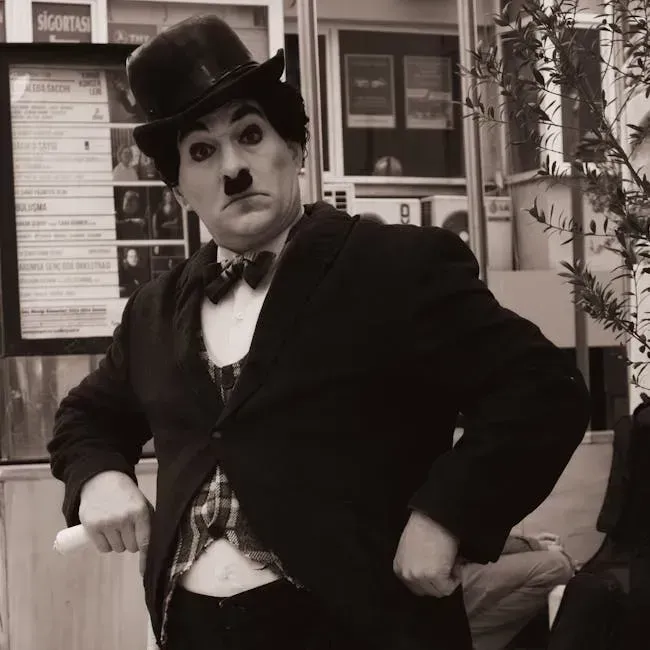
Charlie Chaplin's Final Speech in "The Great Dictator" (1940) (Image Credits: Pexels)
Charlie Chaplin’s Final Speech in “The Great Dictator” (1940) (Image Credits: Pexels)

The Great Dictator was Chaplin’s first film with dialogue. He plays both a little Jewish barber living in the ghetto and Hynkel, the dictator ruler of Tomainia. Chaplin spent many months drafting and re-writing the speech for the end of the film, framed as a call for peace from the barber who has been mistaken for Hynkel. The result is arguably the most genuinely moving piece of oratory ever filmed.

At the film’s climax, Chaplin delivers what many consider the greatest movie speech ever written. The impassioned address calls on a people entrenched in fascism to rise up and fight for democracy. Released in the midst of World War II, the film serves as a scathing critique of Adolf Hitler and the Axis powers. Chaplin’s speech tears apart the Nazi agenda, calling for people to use advancements of knowledge and science for the betterment of all people, regardless of race. In 1997, The Great Dictator was selected by the Library of Congress for preservation in the United States National Film Registry as being “culturally, historically or aesthetically significant.”

- Advertisement -

Howard Beale’s “I’m as Mad as Hell” Rant in “Network” (1976)
Howard Beale's "I'm as Mad as Hell" Rant in "Network" (1976) (Image Credits: Unsplash)
Howard Beale’s “I’m as Mad as Hell” Rant in “Network” (1976) (Image Credits: Unsplash)

This 1970s black comedy basically predicted the cable news outrage machine. News anchor Howard Beale is in the middle of a breakdown, but instead of pulling him off the air, his savvy boss makes sure the camera stays on him. At the time, American society was dealing with problems that would feel pretty familiar today: crime, inflation, and increasing isolation. The speech, delivered by the late Peter Finch, turned an ordinary broadcast scene into a cultural flashpoint.

Howard Beale, described as the “mad prophet of the airwaves,” delivers an impassioned speech to TV viewers, excerpts of which have become a catchphrase in the pop culture landscape. Sadly, Peter Finch passed away shortly after this iconic performance, but the Academy still recognized him with a posthumous Oscar. Decades on, the speech’s core argument about collective rage and political helplessness has only grown more resonant.

Mr. Keating’s “Carpe Diem” Address in “Dead Poets Society” (1989)
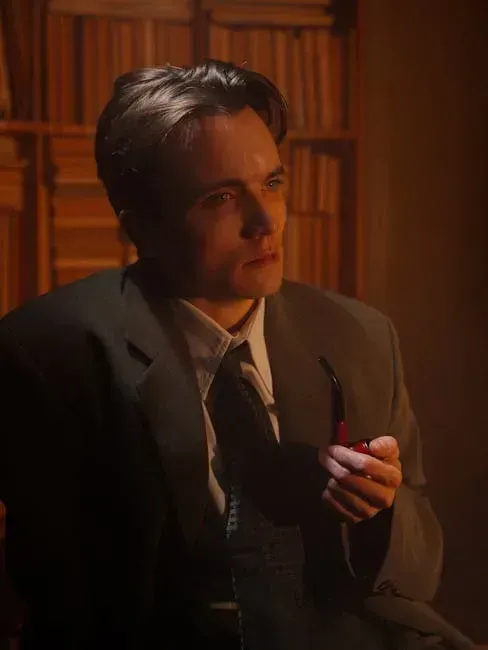
Mr. Keating's "Carpe Diem" Address in "Dead Poets Society" (1989) (Image Credits: Pexels)
Mr. Keating’s “Carpe Diem” Address in “Dead Poets Society” (1989) (Image Credits: Pexels)

Universities the world over should just screen the speech from Peter Weir’s Dead Poets Society for their graduating classes. Robin Williams plays an unorthodox English professor who inspires his students through poetry, encouraging them to “seize the day.” As Keating continues his shocking speech, his class becomes entranced by the spell of a life well lived that he casts through poetry and imagination. Carpe diem is now a popular phrase embraced by Western culture, and the words of Mr. Keating continue to echo through the generations.

The film was voted number 52 on the AFI’s 100 Years…100 Cheers list, a list of the top 100 most inspiring films of all time. The film’s line “Carpe diem. Seize the day, boys. Make your lives extraordinary.” was voted as the 95th greatest movie quote by the American Film Institute. The worldwide box office was reported at over $235 million, and the film’s global receipts were the fifth-highest for 1989, and the highest for dramas.

Gordon Gekko’s “Greed Is Good” Speech in “Wall Street” (1987)
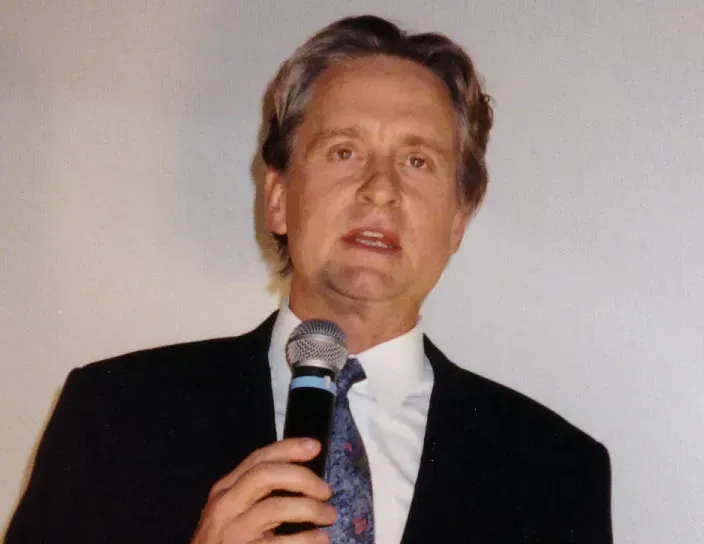
Gordon Gekko's "Greed Is Good" Speech in "Wall Street" (1987) (Image Credits: Pexels)
Gordon Gekko’s “Greed Is Good” Speech in “Wall Street” (1987) (Image Credits: Pexels)

Oliver Stone’s Wall Street inspired an entire generation to pursue a career as Wall Street moneymakers, with Michael Douglas’s Gordon Gekko becoming an archetype of ambition and power. The speech reinforces that the film is a portrait of 1980s excess and a morally corrupt capitalist system, on and off the trading floor. The speech functions almost like a sermon, delivered before a packed shareholders’ meeting with the practiced ease of a true believer.

- Advertisement -

When delivered with precision, these moments morph into cultural milestones, turning an ordinary film into something you’ll want to revisit time and again. It’s that scene where a character effortlessly unloads wisdom, emotion, or humor in a way that leaves you awe-struck, pondering life’s big questions. Gekko’s speech is unusual in that it makes you genuinely understand a corrupt worldview, which is precisely what makes it so uncomfortable and so effective.

President Whitmore’s Independence Day Speech (1996)
President Whitmore's Independence Day Speech (1996) (Image Credits: Unsplash)
President Whitmore’s Independence Day Speech (1996) (Image Credits: Unsplash)

President Thomas J. Whitmore’s speech in Independence Day has become one of the most iconic film moments of the last 50 years. While the movie can be polarizing, some people can’t get enough of it, others hope to never see it again. Still, it’s hard to find anyone who truly hates the speech and that moment in the film. Bill Pullman delivers it with something close to raw physical urgency, which is partly why it never stops working.

In the film, the president talks about the significance of humankind and friendship among all nations. The speech is inspiring because it centers on unification, which is presented as beneficial in terms of struggling against enemies and saving people. It reflects the need to look past nationality, race, and gender, because without that focus, humans can cooperate and protect one another more effectively. That the speech was delivered by a fictional president made it no less quotable than many real ones.

- Advertisement -

William Wallace’s Freedom Speech in “Braveheart” (1995)
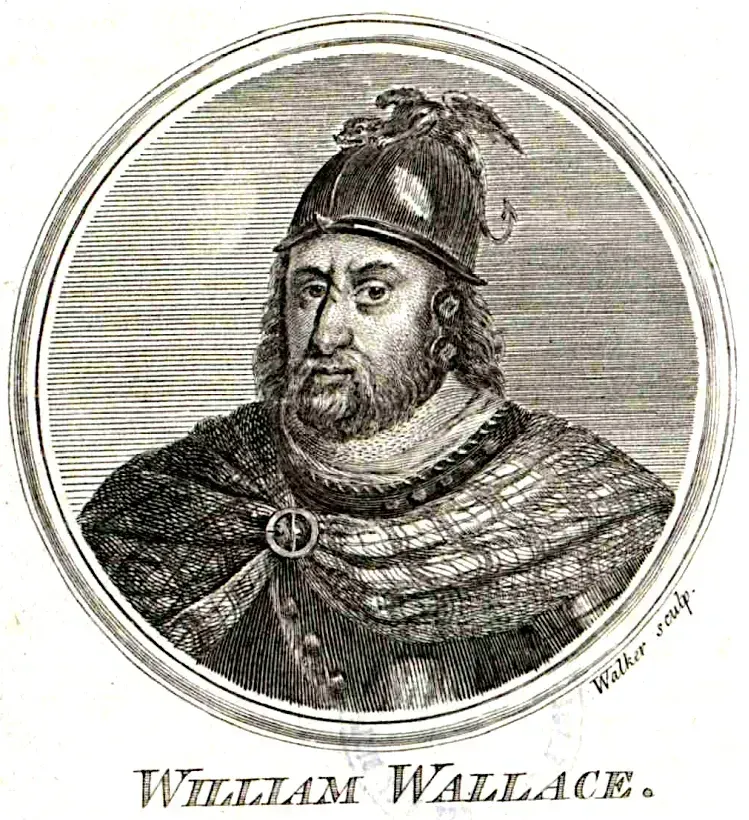
William Wallace's Freedom Speech in "Braveheart" (1995) (Image Credits: Unsplash)
William Wallace’s Freedom Speech in “Braveheart” (1995) (Image Credits: Unsplash)

The scene contains the speech of William Wallace, played by Mel Gibson, about freedom as an essential part of being human. From his point of view, freedom is more significant than mere life and its routine. It arrives just as his ragged army is on the verge of turning back, and Gibson plays it as equal parts desperation and conviction. The result is a pre-battle address that has been parodied, referenced, and imitated more times than almost any speech in cinema history.

There’s nothing better to fire you up than an inspiring speech. From sports to war, love to education, and beyond, a great speech raises goosebumps like nothing else in film can. It is expected that brave people like William Wallace make brave speeches to inspire those they lead. It is not expected that someone of relative insignificance, who is no great leader nor brave warrior, could make a speech so powerful it brings you to tears and raises goosebumps. That unexpected quality is exactly what gives the scene its weight, even decades after its release.

Aragorn’s “A Day May Come” Speech in “The Lord of the Rings: The Return of the King” (2003)

Aragorn's "A Day May Come" Speech in "The Lord of the Rings: The Return of the King" (2003) (Image Credits: Pexels)
Aragorn’s “A Day May Come” Speech in “The Lord of the Rings: The Return of the King” (2003) (Image Credits: Pexels)

The speech is given by Aragorn, the king, at the black gates of Mordor. He was willing to give his life so that Frodo could have precious time to destroy the ring. Viggo Mortensen delivers it with a controlled intensity that never tips into melodrama. He surveys a few hundred exhausted soldiers, vastly outnumbered, and somehow convinces both them and the audience that what they are about to do is worth doing.

If ever you seek a model for friendship, look no further than Samwise Gamgee. In the Lord of the Rings finale, Sam delivers an epic movie speech to rule them all. The film’s closing act actually contains two consecutive speeches of deep emotional power, Aragorn’s battle cry and Sam’s quiet resolve, each working on a completely different register. A masterfully crafted movie monologue can catapult a film into the stratosphere of cinematic legends. When delivered with precision, these moments morph into cultural milestones, turning an ordinary film into something you’ll want to revisit time and again.

Al Pacino’s “Inches” Locker Room Speech in “Any Given Sunday” (1999)

Al Pacino's "Inches" Locker Room Speech in "Any Given Sunday" (1999) (Image Credits: Rawpixel)
Al Pacino’s “Inches” Locker Room Speech in “Any Given Sunday” (1999) (Image Credits: Rawpixel)

Al Pacino uses a personal touch to leaven his high-flown rhetoric. His troubled Tony D’Amato unveils his own problems with brutal honesty before using his own failures as a spur to rev on his team to greatness, speaking of team spirit and commitment as someone who has been known to fail at both. It’s a speech that works precisely because it doesn’t pretend to come from a place of strength. D’Amato is broken, and he says so plainly.

Al Pacino as Tony D’Amato in Any Given Sunday delivers his speech in a traditional setting, a locker room, but Coach D’Amato’s words are unconventional. He gets real about his life and all the mistakes he’s made along the way, and the little things that could have made a difference. His brutal honesty is enough to get his players on their feet and cheering. The speech has been played at real sports events and used in motivational presentations for years, which says something meaningful about where the line between fiction and genuine inspiration sits.

Colonel Jessup’s Courtroom Explosion in “A Few Good Men” (1992)

Colonel Jessup's Courtroom Explosion in "A Few Good Men" (1992) (Image Credits: Unsplash)
Colonel Jessup’s Courtroom Explosion in “A Few Good Men” (1992) (Image Credits: Unsplash)

When a speech gets quoted as often as this one does, you know it’s got to be good. Colonel Jessep is testifying at the trial of two Marines who beat another to death. Jack Nicholson plays the role with total commitment, making Jessup not simply a villain but a man who has genuinely convinced himself that his cruelty is righteousness. It’s one of the more unsettling performances in mainstream American cinema.

Nicholson’s character tells Tom Cruise’s inexperienced lawyer: “I eat breakfast 300 yards from 4,000 Cubans who are trained to kill me, so don’t think for one second that you can come down here, flash a badge, and make me nervous.” He’s a formidable, menacing military figure that isn’t about to let an inexperienced lawyer break him, until the men enter the courtroom and the truth is revealed. It’s impossible to tear your eyes away from Nicholson during his famous speech, and his twisted sense of duty is chillingly convincing.

What Makes a Pop Culture Speech Last

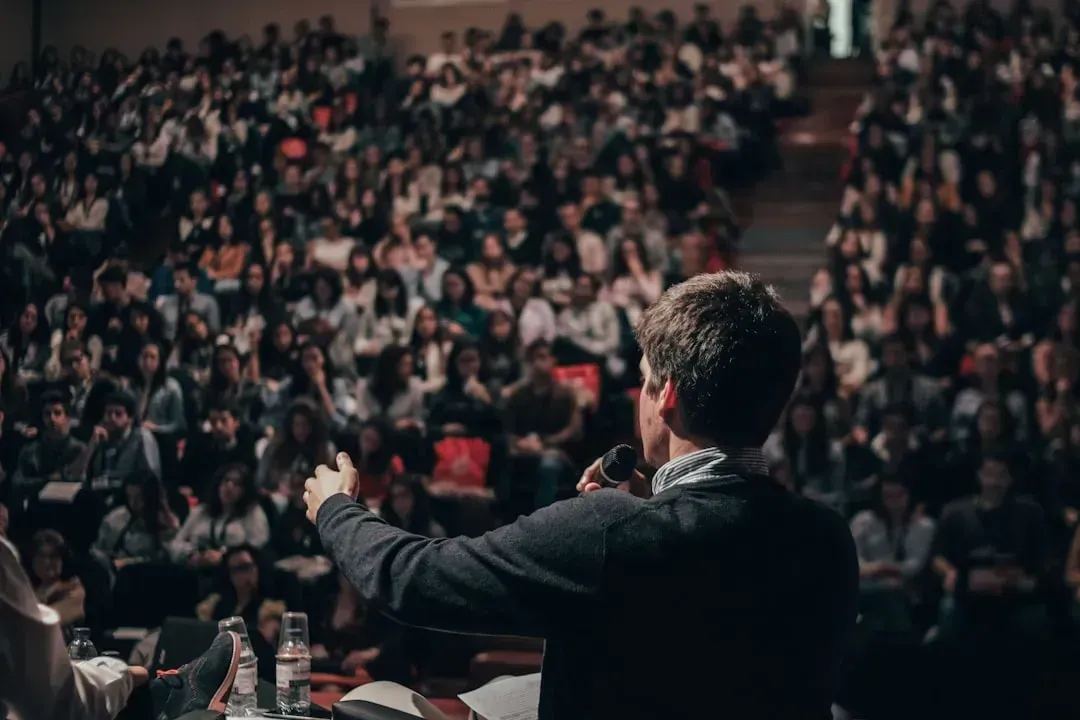
What Makes a Pop Culture Speech Last (Image Credits: Pexels)

Movies are often celebrated for their lasting images, but with the dawn of the Sound Era, the form became an opportunity for great speeches. There have been many great monologues delivered over the course of film history, but some have left a lasting mark on our culture that will never fade. The speeches listed here span more than eighty years of filmmaking, yet each one still circulates freely online, gets referenced in classrooms, and turns up in conversations during times of political or personal crisis.

Over the years, words have played not only the role of a communication tool, but have served as a force of change, bringers of culture, and a source of identity. In one speech, a revolution can be triggered, a poem can console generations, and in a story, traditions throughout the centuries can be preserved. The best pop culture speeches share that same quality with the greatest real-world addresses: they say something that people already felt but hadn’t yet found the words for.

Previous Article Why Nostalgia Hits Harder Through Headphones Why Nostalgia Hits Harder Through Headphones
Next Article 10 Opening Lines That Were the Author's Second Choice 10 Opening Lines That Were the Author’s Second Choice
Advertisement
6 Events That Changed the World - But Only Took 10 Minutes
6 Events That Changed the World – But Only Took 10 Minutes
Education
5 Historical Myths That Turned Out to Be False
Education
The 5 Reading Orders That Completely Change the Story
Education
Top 8 Movie Soundtracks of All Time
Entertainment
4 Banned Songs That Became National Anthems
Entertainment
Categories
Archives
April 2026
M T W T F S S
 12345
6789101112
13141516171819
20212223242526
27282930  
« Mar    
- Advertisement -

You Might Also Like

Forgotten Classics: 10 Brilliant American Novels That Deserve a Comeback
Entertainment

Forgotten Classics: 10 Brilliant American Novels That Deserve a Comeback

January 21, 2026
Bad Bunny, Amy Poehler and Sabrina Carpenter will host ‘Saturday Night Live’
Entertainment

Bad Bunny, Amy Poehler, and Sabrina Carpenter to Light Up the ‘Saturday Night Live’ Stage as Hosts

September 20, 2025
10 Movie Adaptations of Classic Novels Coming in 2025
Entertainment

10 Movie Adaptations of Classic Novels Coming in 2025

January 20, 2026
The 10 Most Creative Ways to Organize Your Workspace
Entertainment

The 10 Most Creative Ways to Organize Your Workspace

January 2, 2026

© Las Vegas News. All Rights Reserved – Some articles are generated by AI.

A WD Strategies Brand.

Go to mobile version
Welcome to Foxiz
Username or Email Address
Password

Lost your password?