There’s a long-running tension in cinema between the people who review films for a living and the people who simply buy tickets and sit down in the dark. Critics bring context, craft, and a framework built on decades of film history. Audiences bring something else entirely: the willingness to have fun, the pull of nostalgia, and a perfectly reasonable desire to watch robots punch each other for two and a half hours.
One of the most fascinating aspects of modern film discourse is the chasm between critical and audience taste, where the opinions of professional critics are so often at odds with those of paying moviegoers, who sometimes gleefully embrace a film that critics have openly mocked. The seven films below represent the most dramatic examples of that divide, cases where the critical consensus and the box office receipts told completely opposite stories.
Venom (2018): The Symbiote That Critics Couldn’t Stand
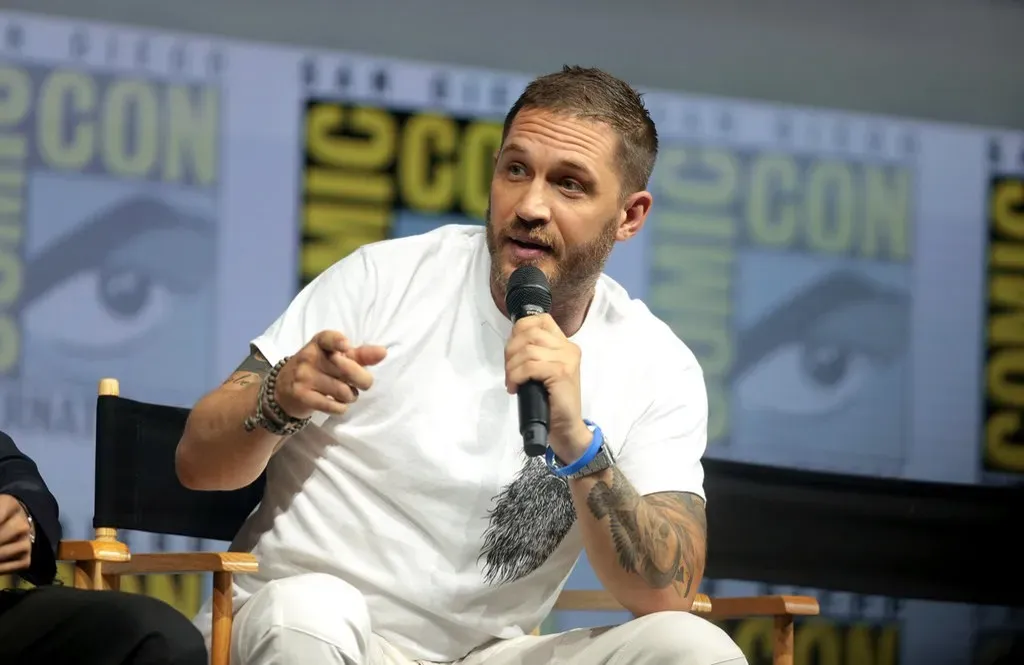
Several years after Venom’s 2018 release, the film still carries some very divided review scores, with the Rotten Tomatoes Tomatometer and Popcornmeter coming in at 30% from critics and 80% from audiences, marking a full 50% difference between the two. That kind of gap is rare. It speaks to something specific about what audiences were looking for and what critics felt was missing.
Venom was one of those cases when critics obliterated the movie when Sony lifted the embargo, with many calling it chaotic, noisy, and disconnected from Spider-Man, and others calling it unexciting and incompetent. Yet that bloodbath didn’t make a dent in the movie’s ability to hit it big with fans, who rewarded the film with a box office gross of $856.1 million against a budget of $100 million. Venom became something fans of Marvel and comic books discuss positively, in large part due to Tom Hardy’s performance as Eddie Brock, which audiences enjoyed alongside the film’s blend of humor and action.
Transformers: Revenge of the Fallen (2009): Critics’ Nightmare, Box Office Legend
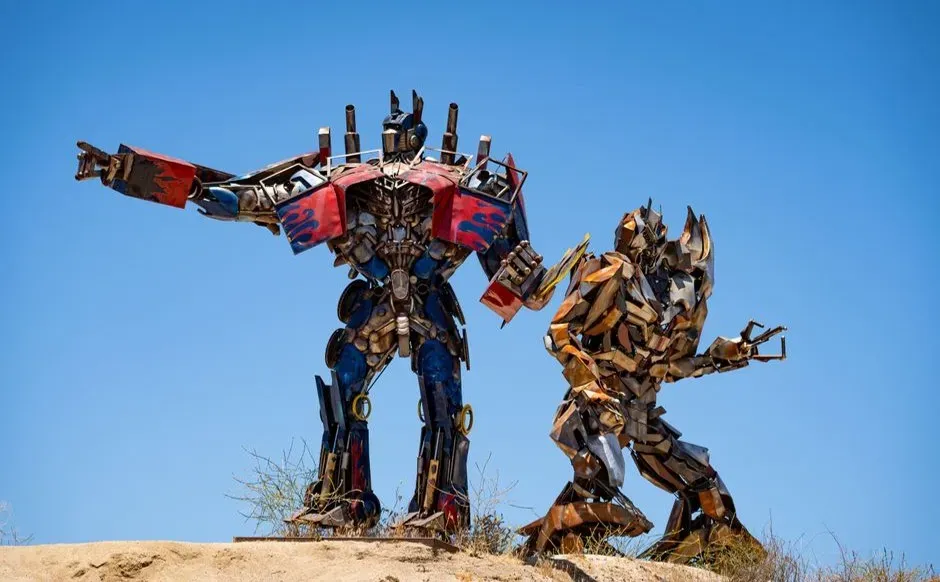
On Rotten Tomatoes, Transformers: Revenge of the Fallen has an approval rating of just 19% based on 248 reviews, with the critical consensus calling it “a noisy, underplotted, and overlong special effects extravaganza that lacks a human touch,” while Metacritic placed it at 35 out of 100, indicating generally unfavorable reviews. That’s a near-total critical rejection. The film also won three Golden Raspberry Awards and became the highest-grossing film to win the Worst Picture Razzie at the time.
Despite the brutal critical reception, Revenge of the Fallen was released on June 24, 2009, and became a huge box office success, setting records upon release and grossing a total of $402 million in North America and $836 million worldwide. Exit polling revealed that more than 90% of surveyed audience members stated the film was as good as or better than the first Transformers movie, and about two thirds said the film was “excellent.” The disconnect was almost surreal.
The Super Mario Bros. Movie (2023): Gaming’s Biggest Cinematic Comeback
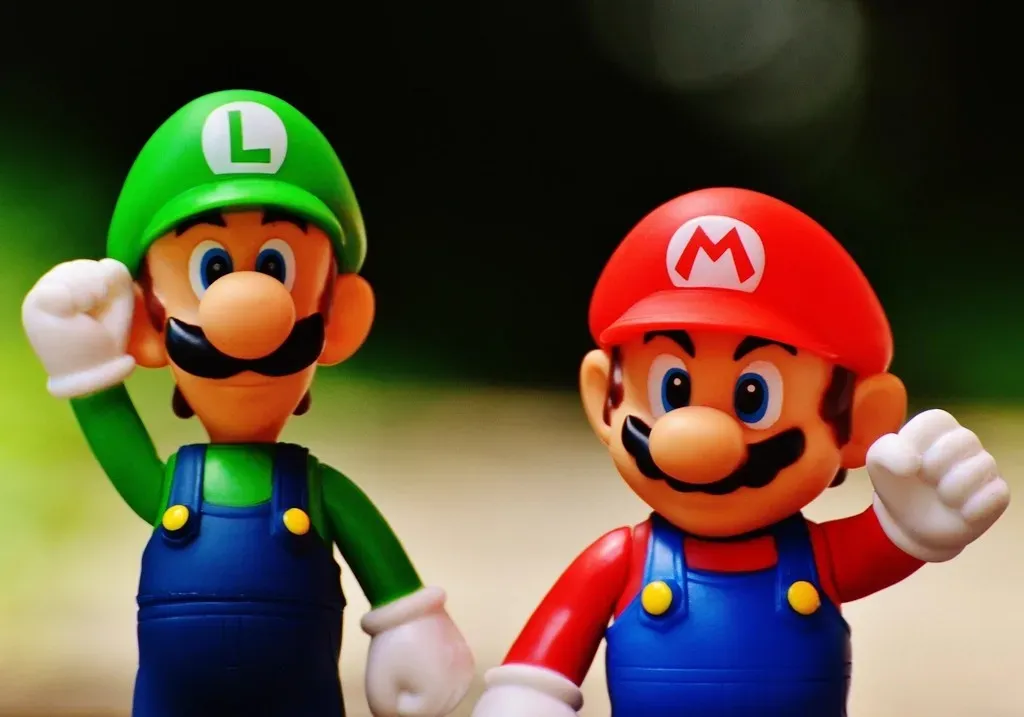
The Super Mario Bros. Movie was completely immune to the indifferent response from critics, scoring a not-bad, not-great 59% on the Tomatometer but landing a stonking 95% from audiences, in addition to a box office haul of $1.36 billion. For a film critics largely viewed as a passable franchise product, that audience score is extraordinary.
Easily standing as one of the most recognizable divides between critics and audiences in recent memory, A Minecraft Movie showed exactly how much success a film can have by appealing to its dedicated audience above all else, with audiences’ overwhelming love for the game making it a hit for those who grew up with it, while critics had a far more jaded opinion, not connecting with the Jack Black style of comedy or the game’s world. The Mario film faced a similar pattern. The film features plenty of Easter eggs and tropes from the franchise and is the kind of film fans love, except for critics who didn’t like its plot, giving it just 59% on Rotten Tomatoes.
Partner offer
A Minecraft Movie (2025): Memes, Mayhem, and Massive Returns
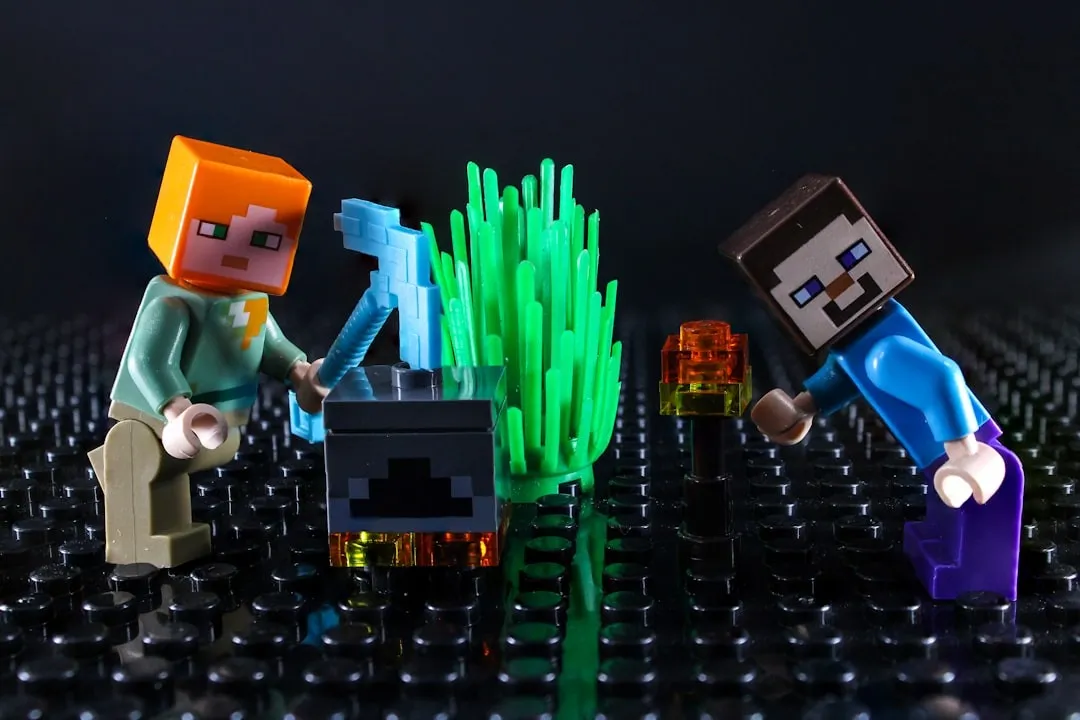
The divide between critics and audiences was at an all-time high in 2025, with A Minecraft Movie standing as one of the most recognizable examples of how much success a film can achieve by appealing to its dedicated audience above all else. The film was polarizing almost by design, targeting a generation of players with a deeply personal connection to the source material.
A Minecraft Movie’s overwhelming love for the game of Minecraft made it a hit for audiences who grew up with it, but critics had a much more jaded opinion, not connecting with the reheated Jack Black style of comedy and not having an emotional connection to Minecraft as a video game. Without that preexisting bond, the film’s reliance on memes and goofy humor left it a sour experience for many critics. For millions of viewers, though, it was exactly what they wanted.
Captain America: Brave New World (2025): The MCU’s Familiar Friction
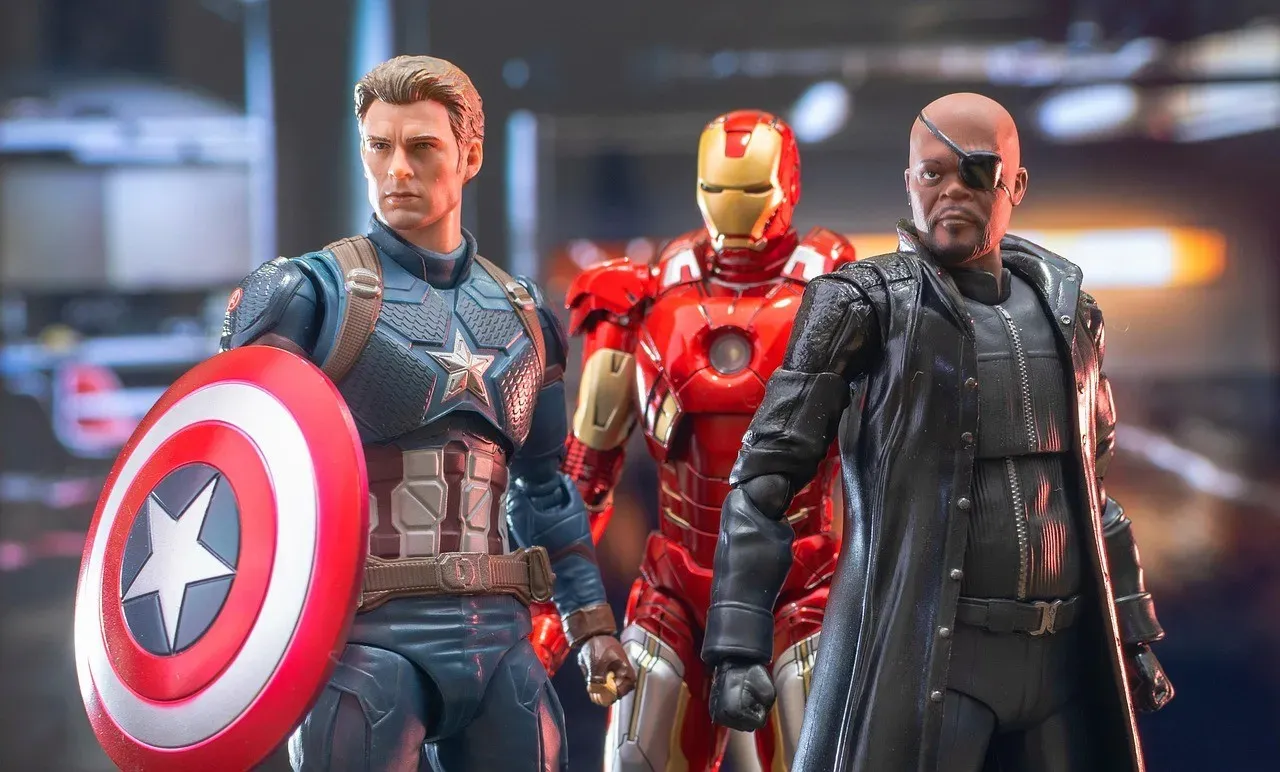
In the era of IP-driven blockbusters, films that critics abhor can top the box office for weeks. A recent example is 2025’s Captain America: Brave New World, which earned $413.6 million globally as of October 2025 while amassing a plethora of negative reviews from critics, leading to a mere 46% on Rotten Tomatoes. That’s a significant haul for a film the critical community largely dismissed.
This has not only called into question the necessity of professional film critics but also revealed the increasingly apparent divide between critics’ and audiences’ opinions. The MCU has long been ground zero for this tension. Fans show up for these films with context and investment that most critics simply don’t share, and the numbers make that abundantly clear.
Where the Crawdads Sing (2022): A Literary Adaptation That Split the Room
Where the Crawdads Sing earned a near-perfect rating from audiences while critics gave it a surprisingly low score, a rating more befitting a low-budget slasher than a mystery drama. Critics were particularly harsh on the film for what they deemed to be “tonally incoherent,” arguing the story was too shallow and clichéd, not leaving much mystery to be solved. It’s a familiar complaint leveled at literary adaptations that prioritize emotional accessibility over structural ambition.
Audiences disagreed loudly. The film connected because it leaned into the emotional weight of its source material, a story about isolation, survival, and grief that readers had already spent years with. Since the earliest days of the film industry, Hollywood has released films that have left critics and audiences firmly at odds, from MCU superhero movies to slow-burn dramas, and it can happen for a variety of reasons, from split fandoms and poor adaptations of source material to valuing fan service over a good story.
Grown Ups (2010): Adam Sandler’s Critics’ Punching Bag Turned Crowd Pleaser
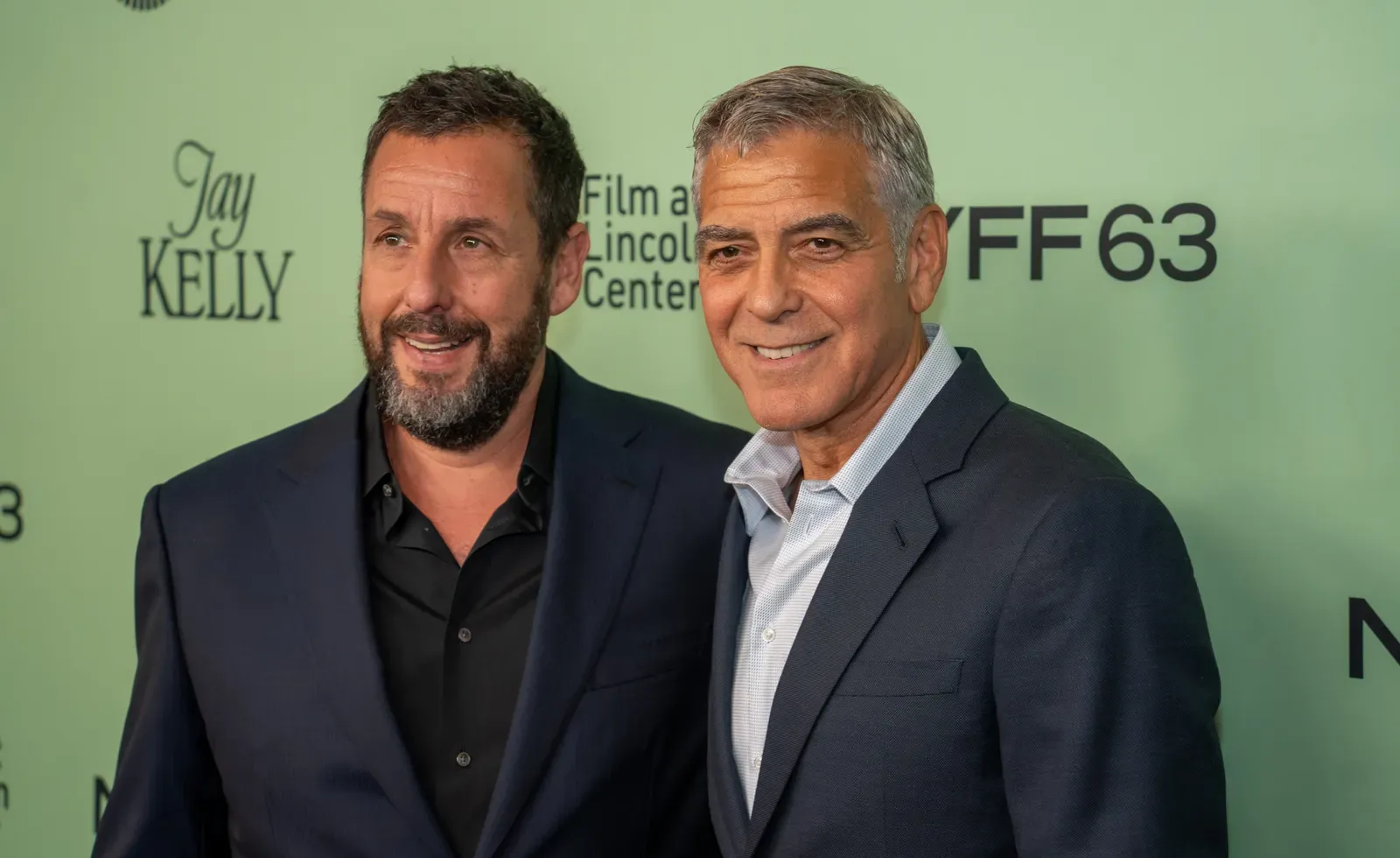
Adam Sandler is no stranger to being panned by critics, but Grown Ups stands out as a special case, where many viewers gave it decent reviews while it received one of his worst critical receptions of all time, scoring a meager 10% with critics criticizing it as humorless, dull, and predictable. A ten percent score is genuinely brutal. That number represents something close to unanimous professional rejection.
The audience reaction was far more forgiving. Grown Ups follows Lenny Feder, a wealthy Hollywood agent who reconnects with childhood friends after their beloved basketball coach passes away, and while renting a cabin on the lake, he and the other dads try to give their kids a wholesome, nature-filled vacation, learning along the way to set aside their problems and enjoy themselves. It’s a simple premise, and for a lot of viewers, that simplicity was exactly the point. Comedies built around genuine warmth and recognizable friendships don’t always need a sharp script to land.
Partner offer
Planning a trip to Vegas?
Compare hotel rates and show tickets on VEGAS.com.