There’s something strange about standing in a record store in 2026 and realizing that the shelf in front of you represents the survivors of a much longer list. For every vinyl LP still turning on a turntable and every CD still selling at a merch table, there are a dozen formats that promised the future of music and then vanished without a proper farewell. Some were engineering marvels. Others were commercial disasters. All of them shaped, in their own way, how we came to understand what a “music release” even means.
The most consequential shift in how we consume music came in the early 2000s with the launch of iTunes, which unbundled the album and reframed music consumption around individual tracks. Consumers embraced this flexibility, and song-level spending started dominating industry revenues. Nearly nine-tenths of music spending is now concentrated at the song level, yet albums of ten or more tracks remain the default release format. That tension, between the album as art and the single as commerce, runs through the entire graveyard of forgotten formats below.
The Shellac 78 RPM Record: Music’s First Disposable Object
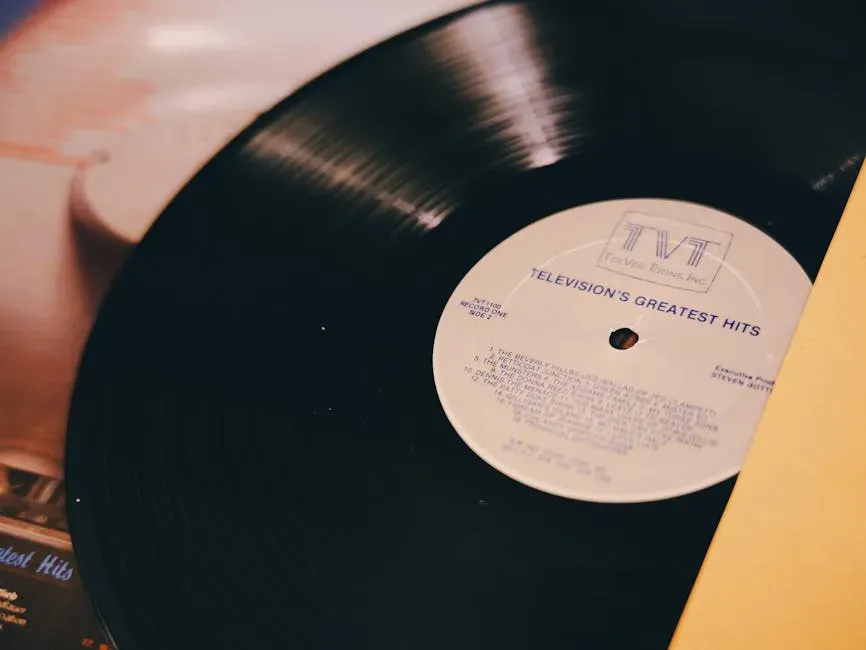
Any flat disc record made between about 1898 and the late 1950s that played at a speed around 78 revolutions per minute is called a “78” by collectors. The materials of which discs were made were various, but shellac eventually became the commonest material. Generally, 78s are made of a brittle material which uses a shellac resin. With only a few minutes of music per side, most 78 records were limited to singles, and the records were brittle, shattering if dropped.
Many performances from the first half of the 20th century exist solely on 78s, making them invaluable historical documents. The arrival of vinyl in 1948 made 78s obsolete. Microgroove LPs held more than 20 minutes per side on unbreakable material with lower surface noise, and by 1955 the industry had fully shifted to vinyl, leaving 78s as treasured antiques. Archivists today study stylus sizes, playback speeds, and groove geometries to digitize these recordings with scientific precision, preserving sonic history with remarkable accuracy.
Reel-to-Reel Tape: The Purist’s Format That Never Made It Home
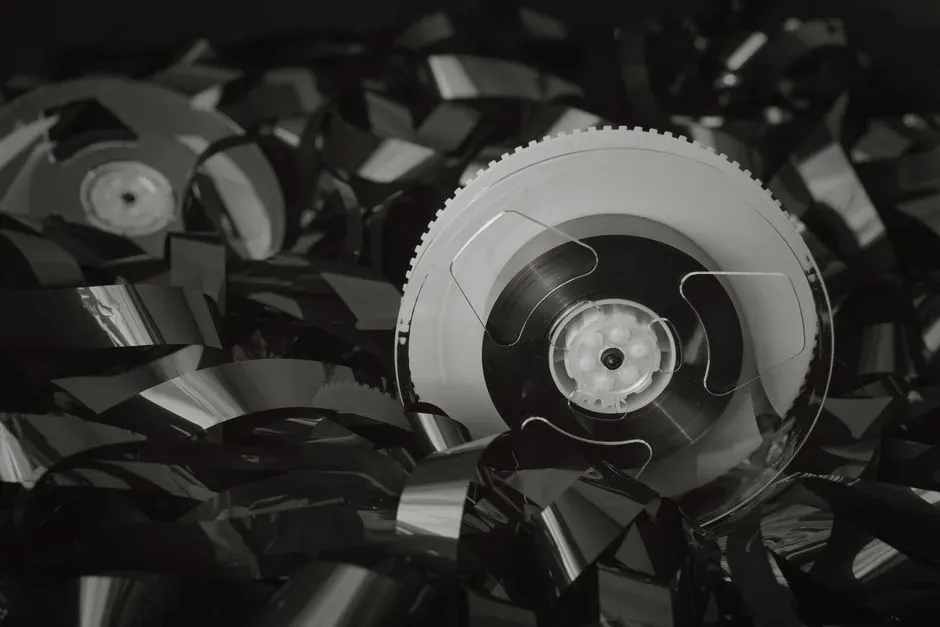
Dating back to the 1940s, open-reel tape used exposed spools of quarter-inch magnetic tape running at various speeds. Professional studios relied on reel-to-reel as their primary recording medium through the 1980s, while audiophile home decks brought that studio-quality sound into dedicated listening rooms. Running wider tape at faster speeds delivers the highest-fidelity analog format available, and at 15 inches per second, reel-to-reel achieves frequency response beyond 20 kHz with a signal-to-noise ratio outperforming most vinyl setups.
Reel-to-reel tape offered high-quality analog sound and was a favorite among audiophiles and recording studios. However, it required large machines and manual threading, making it impractical for everyday listeners. Cassette tapes eventually made tape-based music more accessible. The format’s failure to migrate into living rooms had nothing to do with sound quality. It had everything to do with inconvenience. Deck prices also stayed sky-high, and CD-R soon offered a simpler, cheaper alternative.
The 8-Track Cartridge: A Car Format That Couldn’t Survive the Road
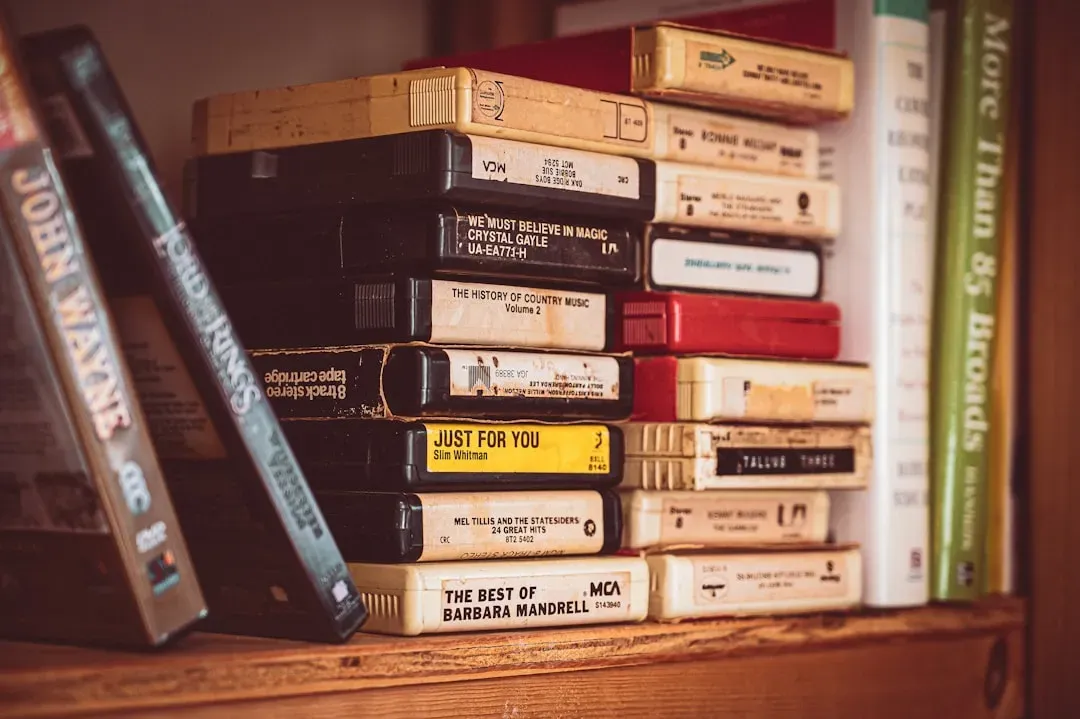
The Stereo 8 cartridge dominated car audio from the mid-1960s through the late 1970s. Each chunky plastic cartridge held an endless loop of quarter-inch tape divided into eight tracks that played continuously without flipping. The 8-track tape was a collaborative invention between RCA Records, Lear Jet Company, and Ampex Magnetic Tape Company, with Bill Lear of Lear Jet Corporation, along with his employee Richard Kraus, responsible for designing the cartridge.
Mechanical flaws proved fatal. Foam pressure pads disintegrated, metal splice sensors failed, and jams were common. By 1978, improved cassettes offered better sound in a smaller package, plus the ability to record. The bulky design, tape jamming issues, and inability to rewind all contributed to the 8-track’s downfall. That distinctive clunk between program changes, charming in hindsight, was actually a symptom of a format that was always fighting its own limitations.
Sony’s MiniDisc: The Format That Was Almost Perfect
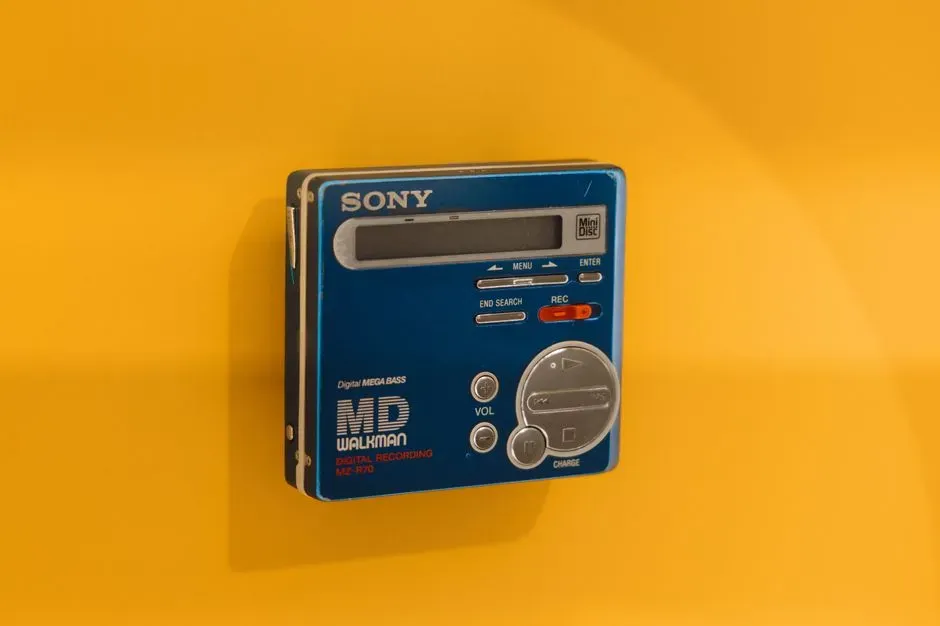
Sony’s MiniDisc debuted in 1992 as a digital-optical disc that fit 60 to 80 minutes of music inside a protective cartridge. Using ATRAC compression, it packed near-CD-quality audio onto a disc smaller than a floppy. It also blended the best of CDs and cassettes, combining random track access and digital clarity with recordability and portability. MiniDisc offered features no other format could match, including editable track orders and titles, plus extremely high rewrite endurance documented at roughly one million cycles.
Sony didn’t really push the format in the United States, so the format fell when MP3 players took over, especially after the iPod’s 2001 debut made real-time transfers feel archaic. Sony held on for decades, manufacturing MiniDisc hardware into 2013, but with just 22 million units sold worldwide as of March 2011, it remained a small figure for a theoretical mass-market product. It was, in many ways, the format that got the future right but arrived in the wrong era.
Partner offer
Digital Audio Tape (DAT): Professional Gold, Consumer Ghost
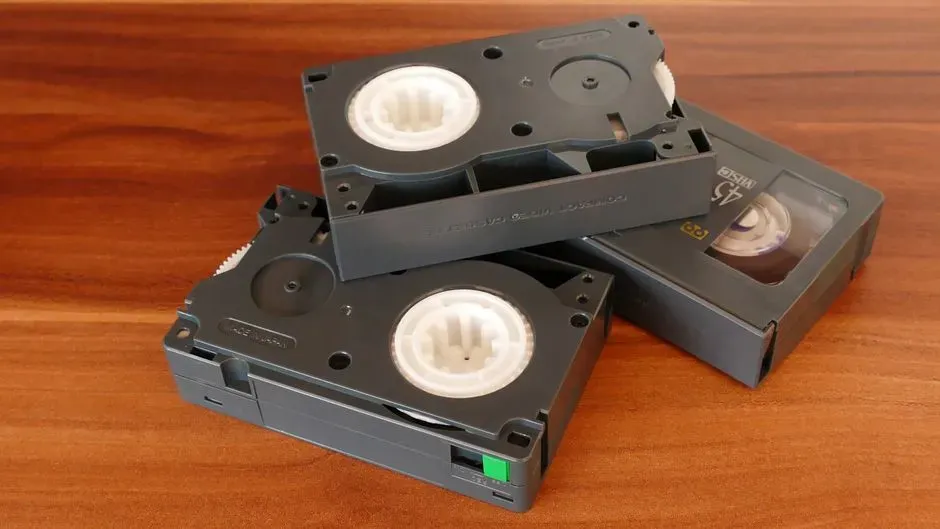
DAT recorded uncompressed 16-bit digital audio with up to 48 kHz sample rate on most hardware. For professionals, DAT was a better option than MiniDisc given its lack of compression. For consumers, MiniDisc was the better option since, unlike DAT, it wasn’t linear, making it easier and faster to access different tracks. DAT offered CD-quality recordings in a compact tape format, making it genuinely popular in professional studios.
DAT also allowed the ability to make exact digital copies, which upset the music industry, so copy protection was implemented to limit copying. For the general public, DAT never really clicked. CDs were already dominating pre-recorded music sales, and analog cassettes were, for portable use, good enough quality for consumers not to be asking for a replacement. Sony discontinued the format in 2005. It found its true home in archive storage and broadcast studios, which was never quite the destiny it was designed for.
Digital Compact Cassette (DCC): Too Little, Too Late
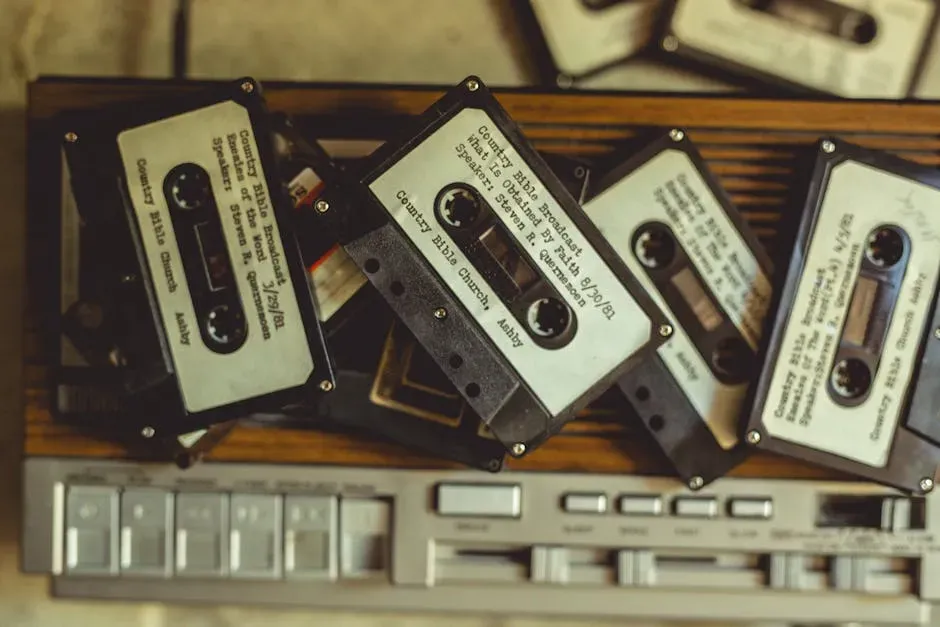
Even less common than DAT was DCC, though both came from a similar development place and could be considered two related answers to the same problem. While DAT was CD-quality audio in a recordable tape format, the player and recorders were complex and expensive. Digital Compact Cassettes were meant to replace analog tapes by offering CD-quality sound in a cassette shell. The key selling point was backward compatibility: DCC players could also play regular analog cassettes.
Even though DCC hardware could play analog cassettes, the format wasn’t successful. Regular cassette was “good enough” for people looking for something portable, but anyone interested in high fidelity was already switching to CD. By the time DCC hit the market, you could get a portable CD player with anti-skip buffering for a reasonable price. Panasonic and Philips discontinued their DCC recorders in 1996, only four years after their launch. Its entire commercial lifespan barely outlasted a standard album contract.
Super Audio CD (SACD): When Better Sound Wasn’t Enough
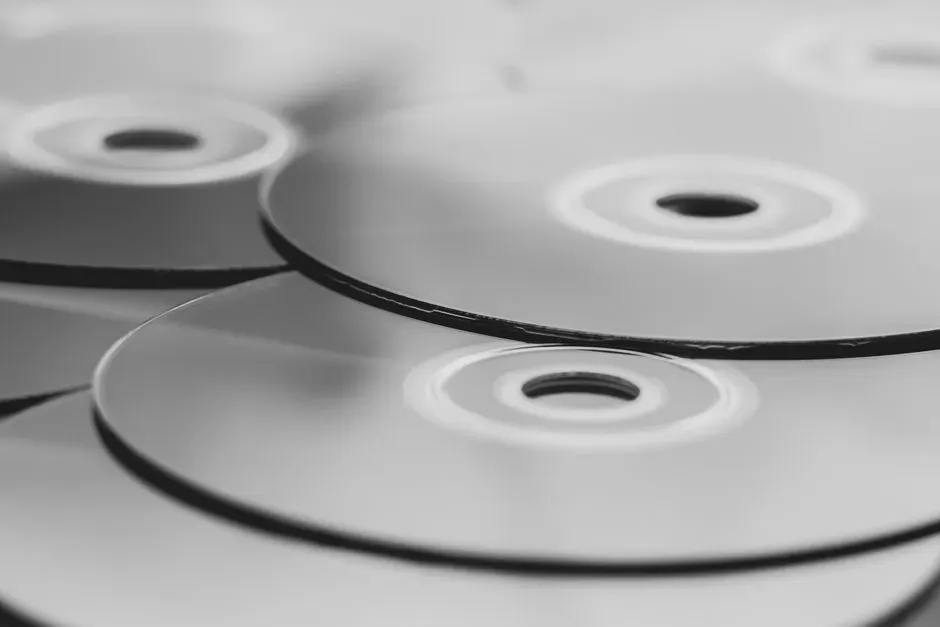
Super Audio CD was introduced in 1999 by Philips and Sony as the next generation of consumer audio, featuring six channels of Direct Stream Digital audio, the highest resolution then available to home listeners, and backward compatibility to existing CD players through its hybrid CD layer. The Warner group went with DVD-Audio while Universal and Sony chose SACD. Consumers were understandably reluctant to choose one new format over another and remembered the Beta versus VHS format war, so neither SACD nor DVD-Audio gained significant traction.
While SACD was trying to offer more, most people were already moving away from physical formats altogether. The format came out right as the way people listened to music was starting to change, and file-sharing sites like Napster were taking off, so instead of focusing on better sound, people were focused on getting music fast and free. The catalog was primarily focused on classical music and jazz, leaving many potential customers uninterested. Compatibility issues further hindered adoption, as SACD featured strict copy protection and wasn’t compatible with the rising popularity of digital music players.
The MP3 Download Store: Digital Ownership’s Brief Window
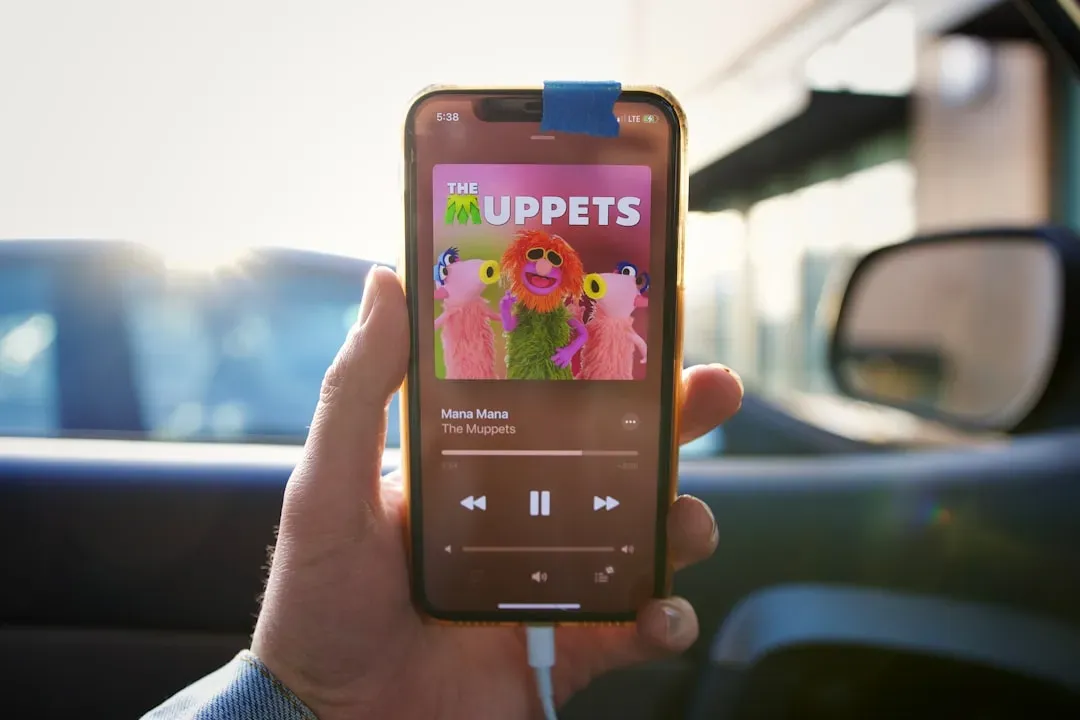
The MP3 was originally developed in the early 1980s by researcher Karlheinz Brandenburg. His post-doctoral work at AT&T Bell Labs expanded on pre-existing codecs for compressing audio. In a strange twist, Brandenburg chose Suzanne Vega’s 1987 hit “Tom’s Diner” as a test song to perfect the format. It wasn’t until 1992 that the MP3 went mainstream, and not until 1999, with the creation of Napster, that the format really caught fire.
The turn of the millennium marked a significant downturn in physical album sales. In 1999, the U.S. music industry peaked at $14.6 billion in revenue, but by 2009, this figure had plummeted to $6.3 billion. This decline can be attributed to the rise of digital downloads and the proliferation of peer-to-peer file-sharing networks. The legal MP3 download store, best represented by iTunes, gave listeners actual ownership of individual files. That model, too, quietly collapsed. By 2022, streaming accounted for roughly the vast majority of the U.S. music industry’s revenue, while physical formats made up only about a tenth. Ownership had become something nobody was willing to pay a premium for.
The Cohesive Studio Album: A Format in Its Own Right
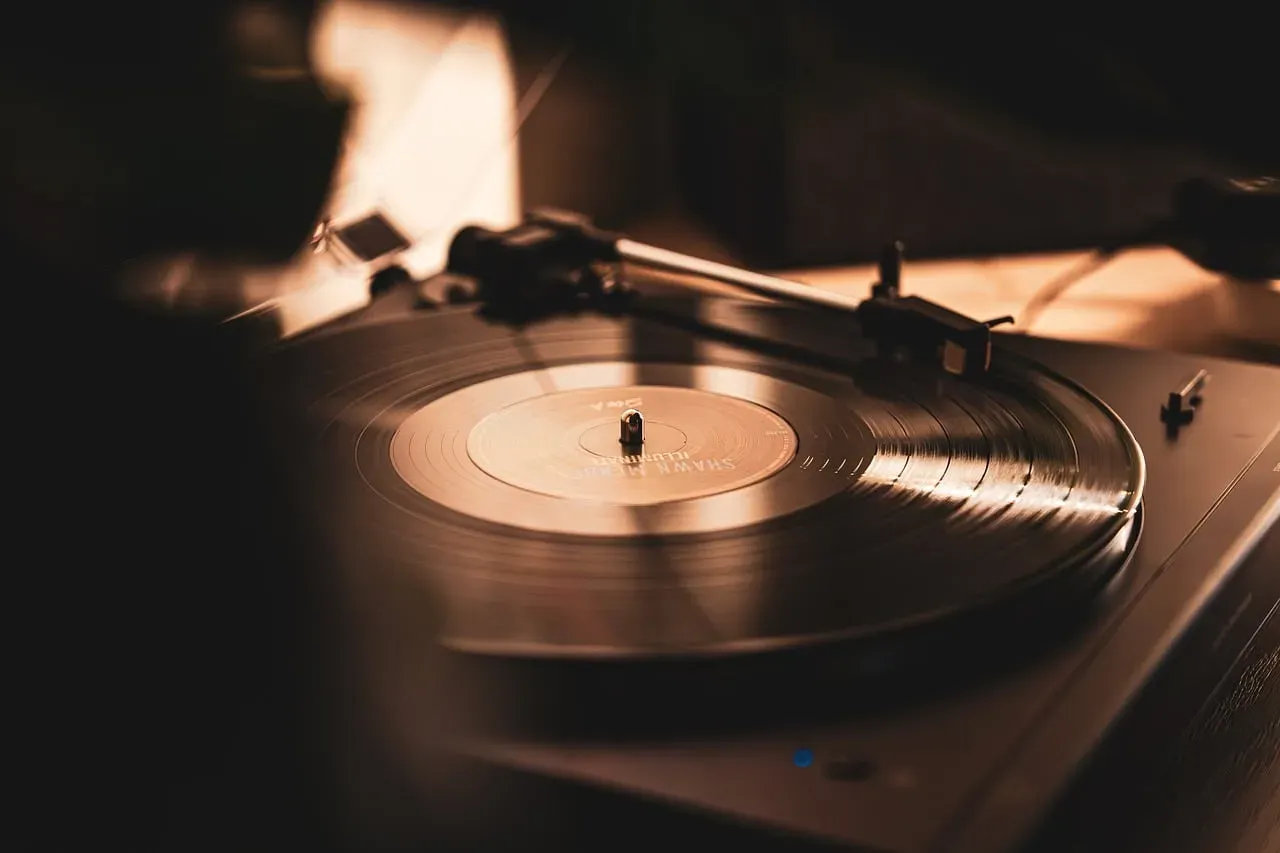
Before streaming became the norm, artists generally favored releasing big, cohesive albums. Today, music is available instantly at our fingertips. This increased accessibility comes with the option to skip any song on demand, which takes away from the original purpose of an album as a unified piece of work designed to be listened to together, sometimes in a specific order. The sequencing of songs in an album is sometimes strategic and can often help to tell a story, convey a certain emotion, and take the listener on a journey.
Historically, artists released albums that defined specific periods in their careers, known as “album eras.” These eras were characterized by cohesive themes, aesthetics, and promotional strategies centered around a singular body of work. In the current landscape, however, listeners are more inclined to explore music across different periods and styles, guided by playlists that blend tracks from various artists and genres. After 19 years of decline, album sales across all physical formats grew for a second consecutive year in 2025, maintaining the previous year’s modest growth to come in at 17.6 million units, though CD sales were still down by nearly eight percent year-on-year. Physical resilience is real but modest. The studio album as a format built around intent, sequencing, and sustained attention remains the most endangered thing on this list, not because the technology failed, but because the habit did.
Partner offer
Planning a trip to Vegas?
Compare hotel rates and show tickets on VEGAS.com.