Film sets are strange investments. Crews spend months building something enormous, the camera spends a short while on it, and then it’s demolished or recycled. One entertainment outlet describes how such sets often sit on screen for a few scant minutes before they’re torn down and largely forgotten.
A caveat first. No reliable source tracks the exact seconds a set stays on screen, so I can’t verify a literal thirty second figure for any of these. What the record does support is the gap between enormous construction effort and a few brief, memorable moments. The seven sets below show that gap clearly, and each claim is tied to a published source.
The Matrix Reloaded Freeway
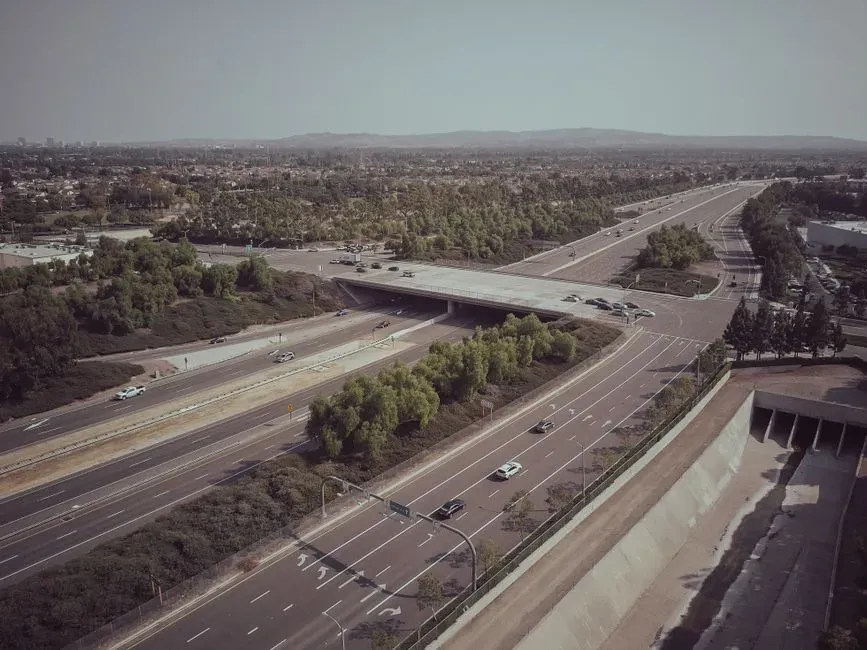
For the highway chase in The Matrix Reloaded, the filmmakers didn’t borrow a stretch of road and hope traffic would behave. They built a 1.5 mile freeway set at the former Alameda Naval Air Station in California, with lanes, walls and ramps. That gave them room to wreck cars without endangering real commuters.
The set was made for one sequence, not for a film’s worth of scenes. A full racing environment like this makes sense only when a chase is the centerpiece. Viewers see it flash by in fast cuts, which is the exact trade this list is about.
The Chariot Arena in Ben Hur
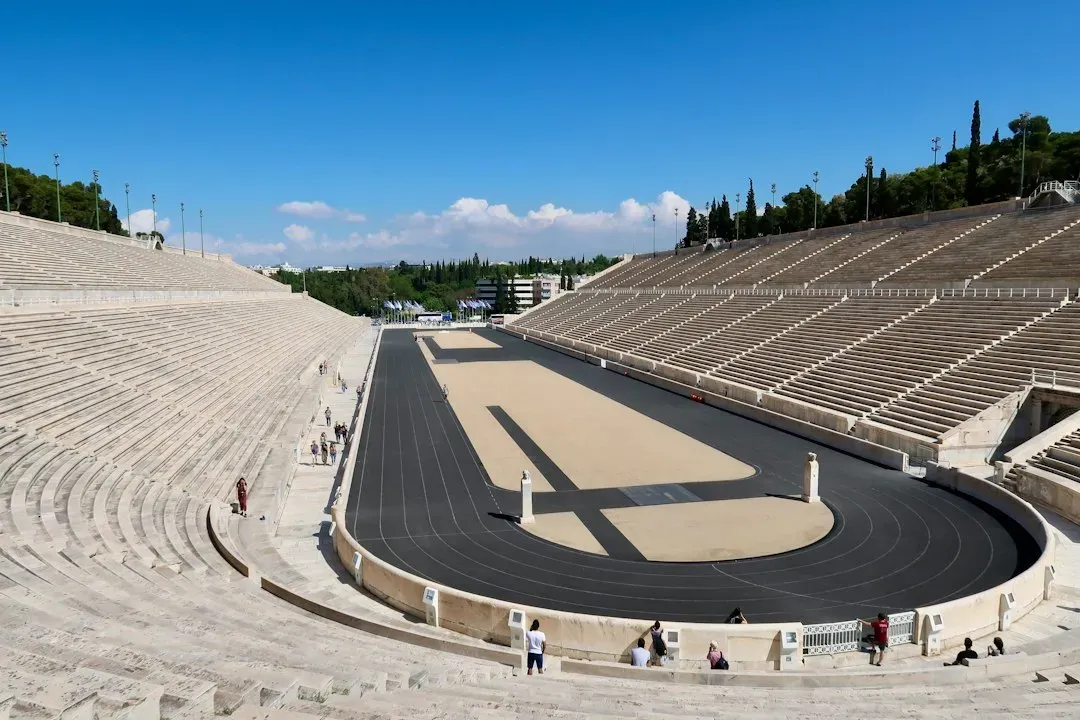
When Ben Hur arrived, its chariot arena was the biggest movie set ever built at the time of release. It covered 18 acres, with a 450 meter straightaway and 9 meter statues, and took a year and 1,000 men to build. One report adds that sand for the track was reportedly imported from Mexico, though that detail rests on a single list article.
The cost was large too. One source says the production eventually cost about $44 million, with $12 million spent before the original sets were dismantled and rebuilt at Rome’s Cinecittà Studios. All of that effort served a single race.
Alexandria in Cleopatra

Cleopatra’s Alexandria is one of the most famous cases of a set swallowing a budget. The replica spread across 20 acres in rural England and cost $600,000 just to make. Bad weather kept forcing touch-ups, and fresh palm trees had to be flown in because they couldn’t survive the damp climate.
By the end, the Alexandria set had cost $7 million. The whole film is another story. Its budget swelled to $31 million, which is over $300 million adjusted for inflation.
The Hello Dolly Main Street Facade
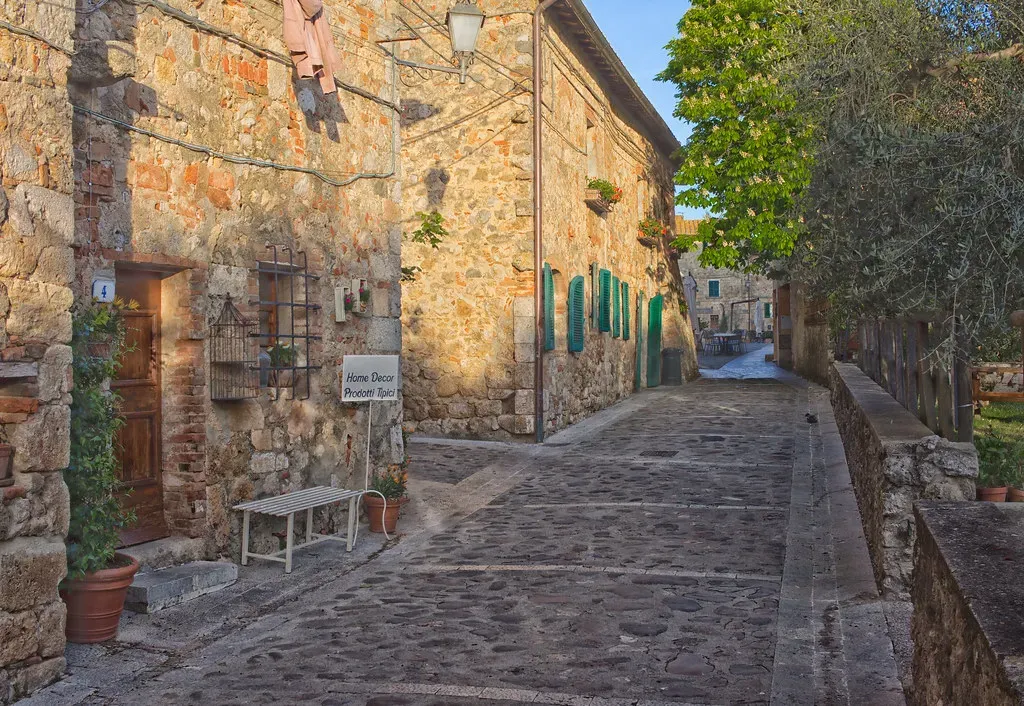
Hello Dolly’s big finale looks like pure studio fantasy, yet much of it was real streets with a new face. The production built a full facade over the homes and storefronts on the main street of Garrison, New York. The work included gingerbread style architecture and custom signage.
The price tag was $500,000, equal to more than $3.5 million in today’s money, according to Looper’s figures. That’s modest next to epics like Cleopatra. Still, it was a big outlay for a musical number built around one town.
The Big Ship in Titanic
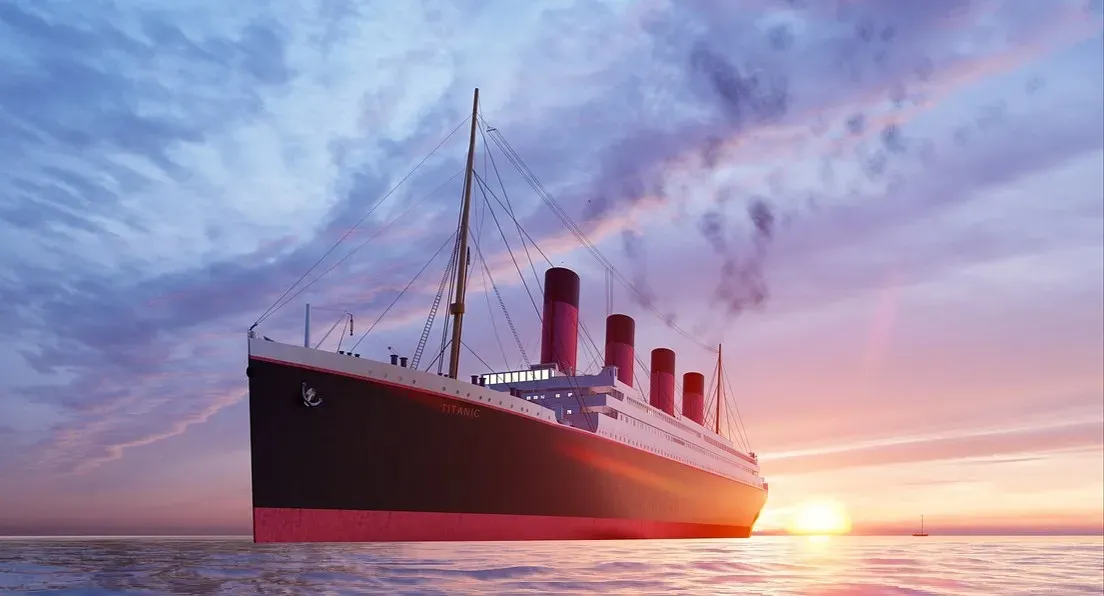
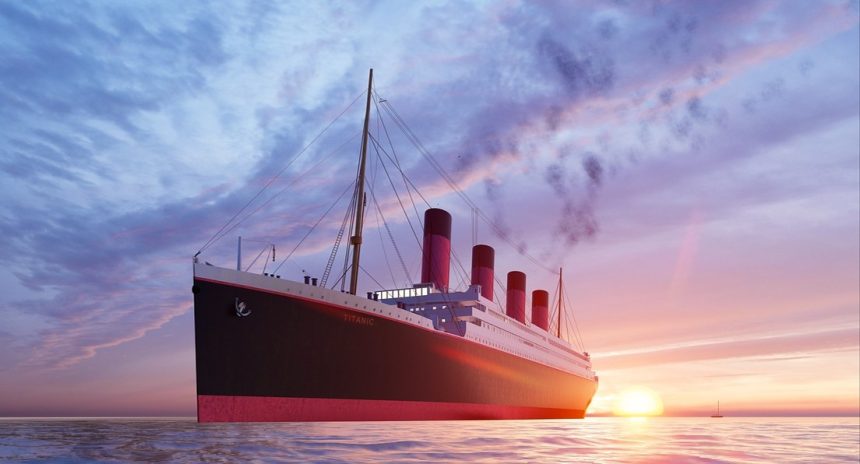
Titanic’s best known set was built for exterior shots and the sinking. The $40 million Big Ship was a version of the vessel at roughly nine tenths scale, built to be manipulated for Cameron’s exterior shots. It could also appear to sink while still carrying cast and extras.
The set needed its own home. About $20 million went toward building a studio in Mexico from scratch, since no existing sound stage could hold the replica. Individual shots of the ship are brief, even though the sinking runs far longer overall.
The Atoll in Waterworld
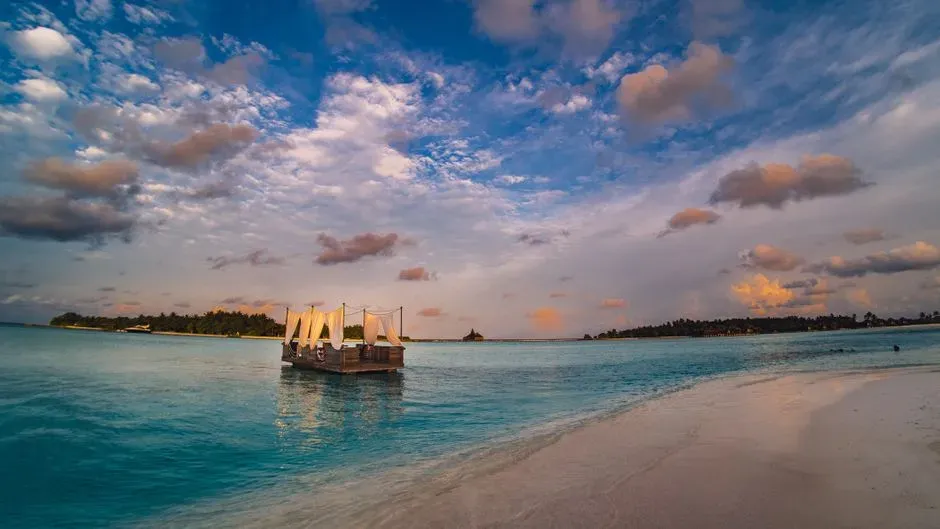
Waterworld’s atoll was a floating city built off the coast of Hawaii. The artificial atoll cost over $20 million and weighed over 1,000 tons. It took more than a year of pre-production to build.
Production was rough. The giant floating sets had a tendency to sink. Den of Geek notes that the film did more than make its money back, and the money spent on those sets is visible on screen.
The Art Deco City in Just Imagine
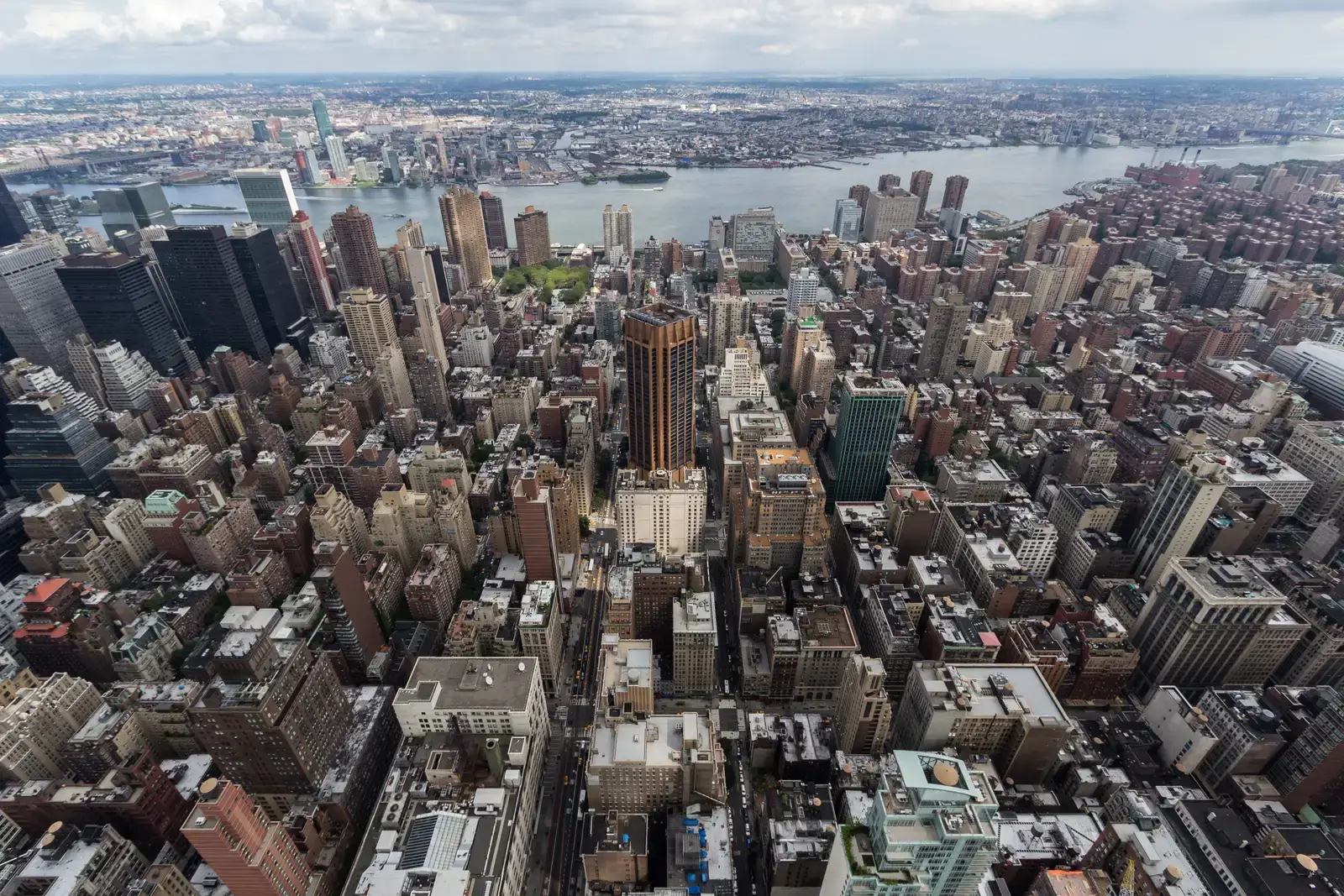
This 1930 musical comedy is a lesser known entry. Its futuristic Art Deco cityscape was built in a former Army balloon hangar by a team of 205 technicians over five months. The city is what the film has come to be best remembered for.
The film itself fared poorly. A reference source calls it an expensive one time novelty stunt, and its musical genre was already fading. Some spaceship props from it later turned up in the Flash Gordon serials, a small example of studios reusing costly work.
Final Thoughts
Across these sets, construction effort and screen exposure rarely match. Some, like the freeway and the arena, were made for single sequences, while others, like the Big Ship and the atoll, appear in many shots. None has a documented thirty second runtime, so the number works best as a rough measure of how brief the payoff can feel.