Hollywood loves a big swing. Sometimes that means a billion-dollar payday, and sometimes it means a studio quietly writing off a couple hundred million dollars and hoping nobody notices. The films below all had massive budgets, big stars, and plenty of confidence behind them, yet they still ended up on the wrong side of the ledger. Here’s a closer look at seven of the priciest box office misfires in recent memory, and a couple of older ones that still get mentioned whenever this topic comes up.
The Marvels (2023)
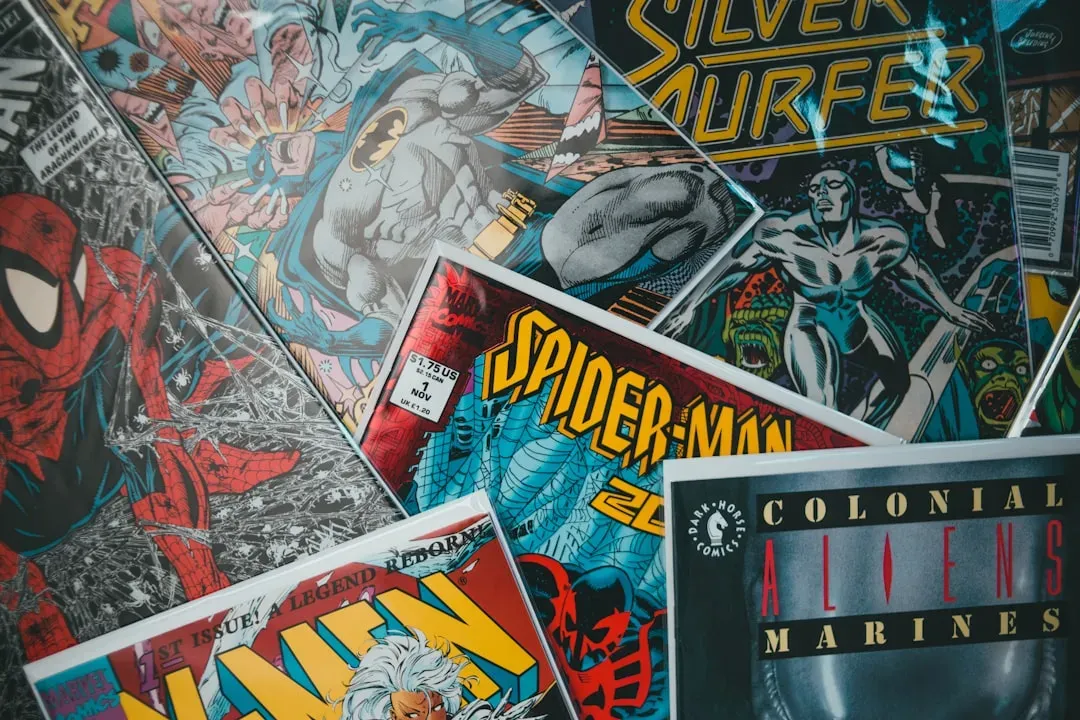
Disney and Marvel Studios spent an enormous amount trying to expand the MCU into cosmic team-up territory, and it did not pay off. “The Marvels” was the biggest box office flop of 2023, with a net loss of 237 million U.S. dollars, and the MCU movie could not make its total budget of 455 million U.S. dollars back. That budget figure includes marketing, but even accounting for that, the shortfall was staggering for a franchise that once seemed bulletproof.
What makes the loss sting even more is the context. Four out of the five biggest box office bombs of the year were Disney productions. It was a rough stretch for the studio’s live-action and superhero output, and The Marvels became the headline example of a franchise losing steam with audiences who had once shown up in droves for anything with a Marvel logo attached.
Joker: Folie à Deux (2024)

Few sequels arrived with as much built-in advantage as this one. Before Deadpool & Wolverine, Warner Bros/DC’s Joker was the highest-grossing R-rated movie ever at $1.1 billion with two Oscar wins, including Best Actor for Joaquin Phoenix’s portrayal. Given that pedigree, Warner Bros felt comfortable investing heavily in a follow-up.
Director Todd Phillips found a way for a sequel, and Warners committed to the craziness of it at an opulent spend of $200M. The gamble did not pay off. With a D CinemaScore, nobody wanted to see a Joker sequel that had the sensibility of a Stephen Sondheim musical. The film ultimately became, according to industry estimates, 2024’s biggest box office bomb, with a net loss reported around 144 million dollars.
Snow White (2025)

Disney’s live-action remake machine has produced plenty of hits over the years, but this one struggled from the moment its marketing rollout began. From divisive and controversial stars leading the film to the lackluster nature of the film itself, Snow White became the easy target to pick in the first half of 2025, as it completely failed to appeal to an audience that normally loves these live-action remakes.
The numbers tell the story plainly. The film’s $205 million gross doesn’t even seem that bad until one sees the gargantuan budget that made its goal of profitability nearly impossible. Adding insult to injury, not even a few months later would the live-action Lilo & Stitch not only outgross this film, but become one of the highest grossing films of the year. The contrast between the two Disney remakes released within months of each other made Snow White’s underperformance even more noticeable.
Tron: Ares (2025)

Reviving a dormant franchise after more than a decade always carries risk, and Disney found that out the hard way with this one. “Tron: Ares” sputtered out domestically with a lifetime total of $73.2 million and just $69 million overseas, meaning it grossed just $142.2 million worldwide, or only 35% of the global haul of “Tron: Legacy,” before taking inflation into account.
Multiple factors contributed to the collapse. The reasons why “Tron: Ares” bombed at the box office are many, with Jared Leto’s terrible box office track record, especially in blockbuster films, being one factor, along with simply the long wait time. Financial breakdowns put the reported loss at roughly 132.7 million dollars, and its haul was only about 65% of its pre-marketing price tag, if you’re looking at the upper end of its potential budget, which is $220 million.
Furiosa: A Mad Max Saga (2024)
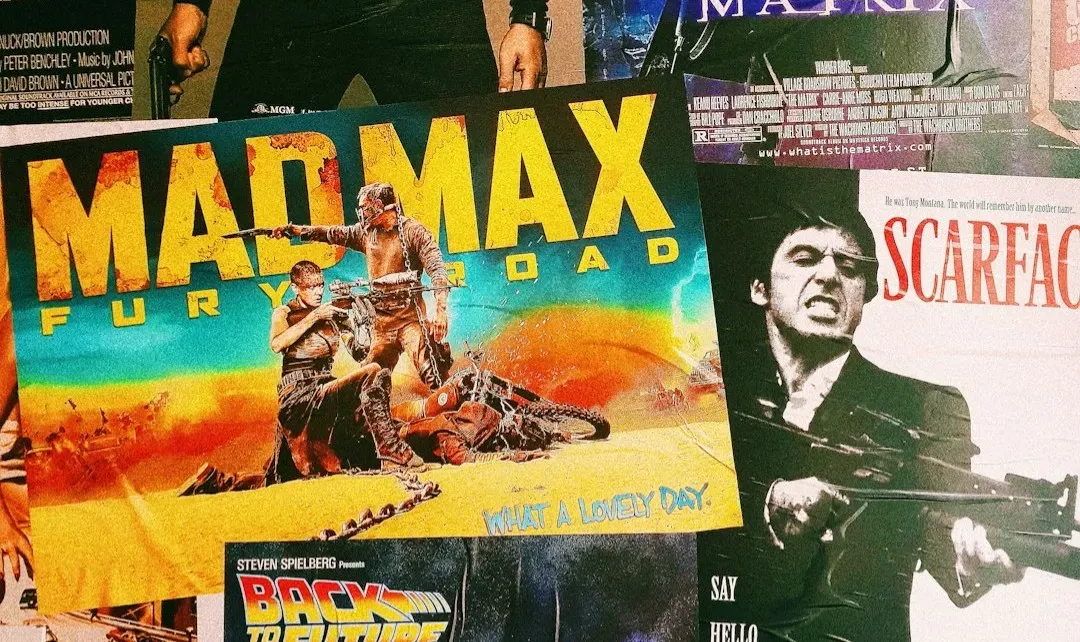
George Miller’s prequel to the acclaimed Mad Max: Fury Road arrived with strong reviews but couldn’t translate that critical goodwill into ticket sales. Despite the pedigree of its director and the built-in fanbase from the earlier film, audiences simply did not turn out in the numbers the studio needed.
Partner offer
The financial damage was substantial for a film with this level of production value. Furiosa lost a reported $119.6 million, placing it among the costliest disappointments of the year alongside other high-profile misses. It stands as a reminder that critical acclaim and box office performance don’t always move in the same direction, even for a franchise with genuine prestige behind it.
The Flash (2023)
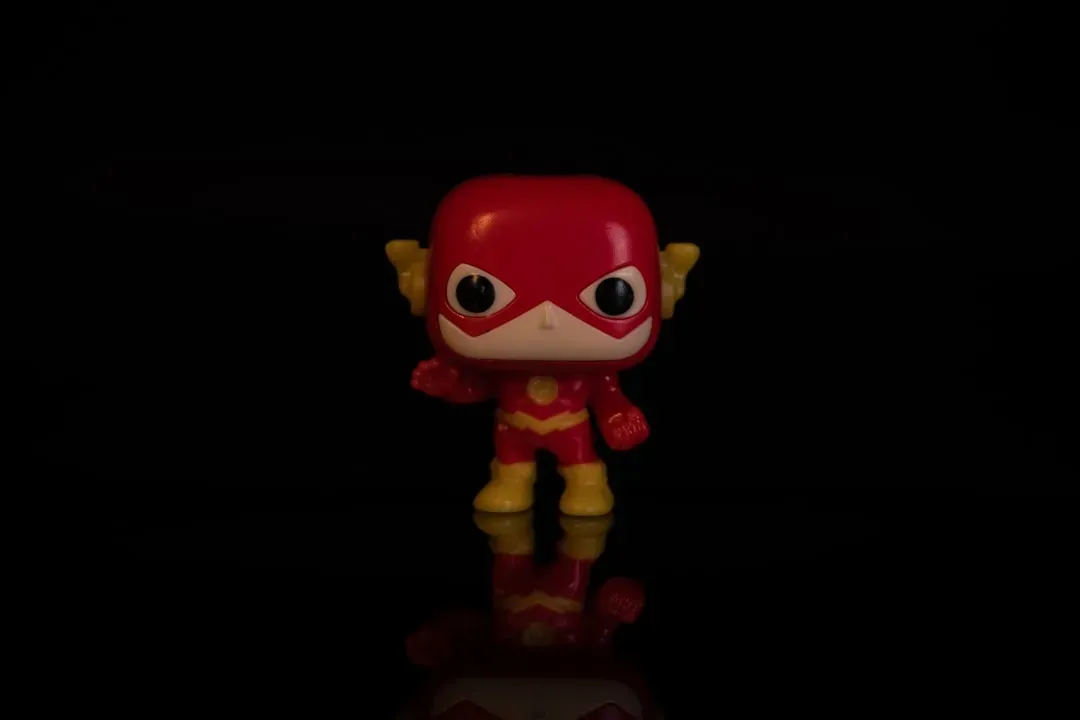
Warner Bros. had high hopes for this DC multiverse story, but production troubles, controversy surrounding its star, and shifting studio leadership all worked against it before it even reached theaters. The planned budget was between $200-$220m not including marketing costs.
Ticket sales fell well short of what was needed to justify that spend. The film earned $102 million at home and another $248 million abroad. Industry estimates placed the resulting loss at around 200 million dollars once marketing and distribution costs were factored in, making it one of the more painful outcomes in DC’s recent history.
Mars Needs Moms (2011)

Long before recent superhero misfires dominated the flop conversation, this motion-capture animated film from Robert Zemeckis became a cautionary tale in its own right. It combined an expensive production process with a concept that simply didn’t connect with family audiences.
The film’s failure became a well-known example among industry watchers because of how disproportionate the loss was relative to typical animated fare of that era. It effectively marked the end of Zemeckis’s run of big-budget motion-capture projects, as studios grew wary of pouring similar sums into the technique after seeing how poorly this one performed at the box office.
John Carter (2012)
Disney’s adaptation of Edgar Rice Burroughs’s science fiction novels remains one of the most frequently cited examples of a massive budget meeting audience indifference. The film cost well over 250 million dollars once marketing was included, an eye-watering figure for a movie based on source material most casual moviegoers had never heard of.
Despite ambitious visual effects and a sprawling Martian setting, John Carter never found its audience domestically or internationally. The resulting write-down was one of the largest in Disney’s history at the time, and it contributed to a leadership shake-up within the studio’s live-action division shortly after release.
Final Thoughts
What ties these seven films together isn’t bad luck so much as a mismatch between ambition and audience appetite. Huge budgets can buy spectacle, but they can’t guarantee that people actually want to watch what you’ve built. Each of these movies had real talent behind the camera and in front of it, yet none of that was enough to overcome shaky marketing, franchise fatigue, or simply a story that didn’t land the way the studio hoped. As budgets continue climbing into 2026, these examples remain useful reminders that bigger doesn’t always mean safer.
Partner offer
Planning a trip to Vegas?
Compare hotel rates and show tickets on VEGAS.com.