There’s a particular kind of fascination that comes from looking at old Hollywood – the way those faces seemed sculpted for cameras that didn’t even exist yet, the way a single still photograph could do more work than an entire press tour. Something about that era feels almost mythological now. The stars were bigger, stranger, and more controlled than most people realize. That control, it turns out, is a big part of the story. The golden age of Hollywood, roughly spanning the late 1920s through the early 1960s, operated under a system so comprehensive and so deeply strange that it’s hard to compare to anything in the modern industry. What those stars did – and what was done to them – shaped the very idea of movie stardom in ways that still echo today, even if modern Hollywood has quietly moved on from almost all of it.
Signed Away Their Entire Professional Lives to a Single Studio
From the 1910s to the early 1960s, the Hollywood movie industry was dominated by the studio system. Major studios like MGM, Paramount, Warner Brothers, and 20th Century Fox didn’t just make movies – they essentially owned the stars themselves. Actors signed long-term contracts with these studios, almost like signing their lives away. The arrangement was deceptively simple: in exchange for a steady salary and the machinery of stardom, an actor surrendered nearly every professional decision they might otherwise make.
As full-time studio employees, actors in old Hollywood didn’t usually have much say in which roles they’d wind up playing. It was common practice in the industry to contractually force actors to work on numerous movies per year, regardless of how interested they were in each project; once they were done with one, they were expected to move right on to the next. The glitz and glamour that popular magazines depicted didn’t reflect the reality behind the scenes. Warner Bros. suspended “Gone With the Wind” star Olivia de Havilland several times and added an additional six months to her seven-year contract as a penalty for turning down roles she said were “unsuited to her ability.”
Accepted a Completely Fabricated Public Identity
The star system was the method of creating, promoting, and exploiting stars in Hollywood films from the 1920s until the 1960s. Movie studios selected promising young actors and glamorized and created personas for them, often inventing new names and even new backgrounds. Examples of stars who went through the star system include Cary Grant (born Archibald Leach), Joan Crawford (born Lucille Fay LeSueur), and Rock Hudson (born Roy Harold Scherer, Jr.). These weren’t just stage names – they were complete reinventions.
One of the most enduring aspects of the studio system was its creation of the “movie star.” Studios didn’t just cast actors – they built personas. A young contract player might be given a new name, a new hairstyle, voice lessons, etiquette training, and even a fabricated backstory. The goal was to turn them into a marketable figure that audiences could recognize, adore, and follow from one film to the next. Stage names were an integral part of the process of shaping ordinary citizens into movie stars. In many instances, they reflected the biases, prejudices, and exclusions baked into the Hollywood system. Americanizations of foreign-sounding names were commonplace.
Maintained a Flawless Public Appearance at All Times
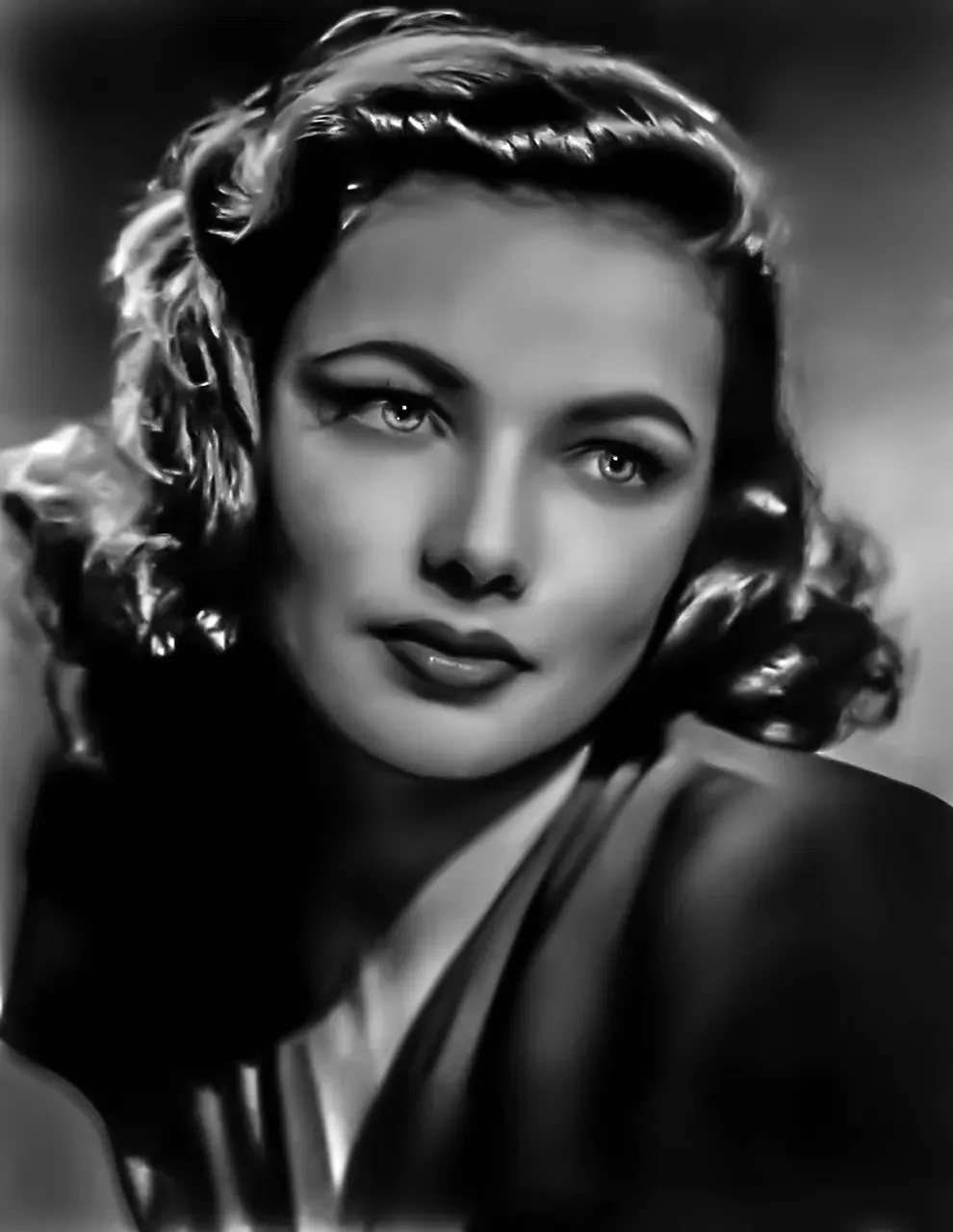
The star system put an emphasis on the image rather than the acting, although discreet acting, voice, and dancing lessons were a common part of the regimen. Women were expected to behave like ladies and were never to leave the house without makeup and stylish clothes. Men were expected to be seen in public as gentlemen. This wasn’t a suggestion – it was a professional obligation, written into the structure of stardom itself.
Today, the biggest stars in Hollywood can go to the grocery store in sweatpants and baseball caps. In old Hollywood, that sort of casual attire would not have been tolerated. In fact, when a leading lady stepped out, even if it were to run errands, she needed to be fashionably dressed with full makeup. Professional photographers created iconic images that defined how the public saw their favorite actors. These carefully lit, retouched portraits became the only images distributed to newspapers and magazines. Candid photos were discouraged or outright forbidden. Studios wanted to maintain mystique and perfection, ensuring every public image reinforced the carefully crafted persona they’d built around each performer.
Lived Under Iron-Clad Morality Clauses
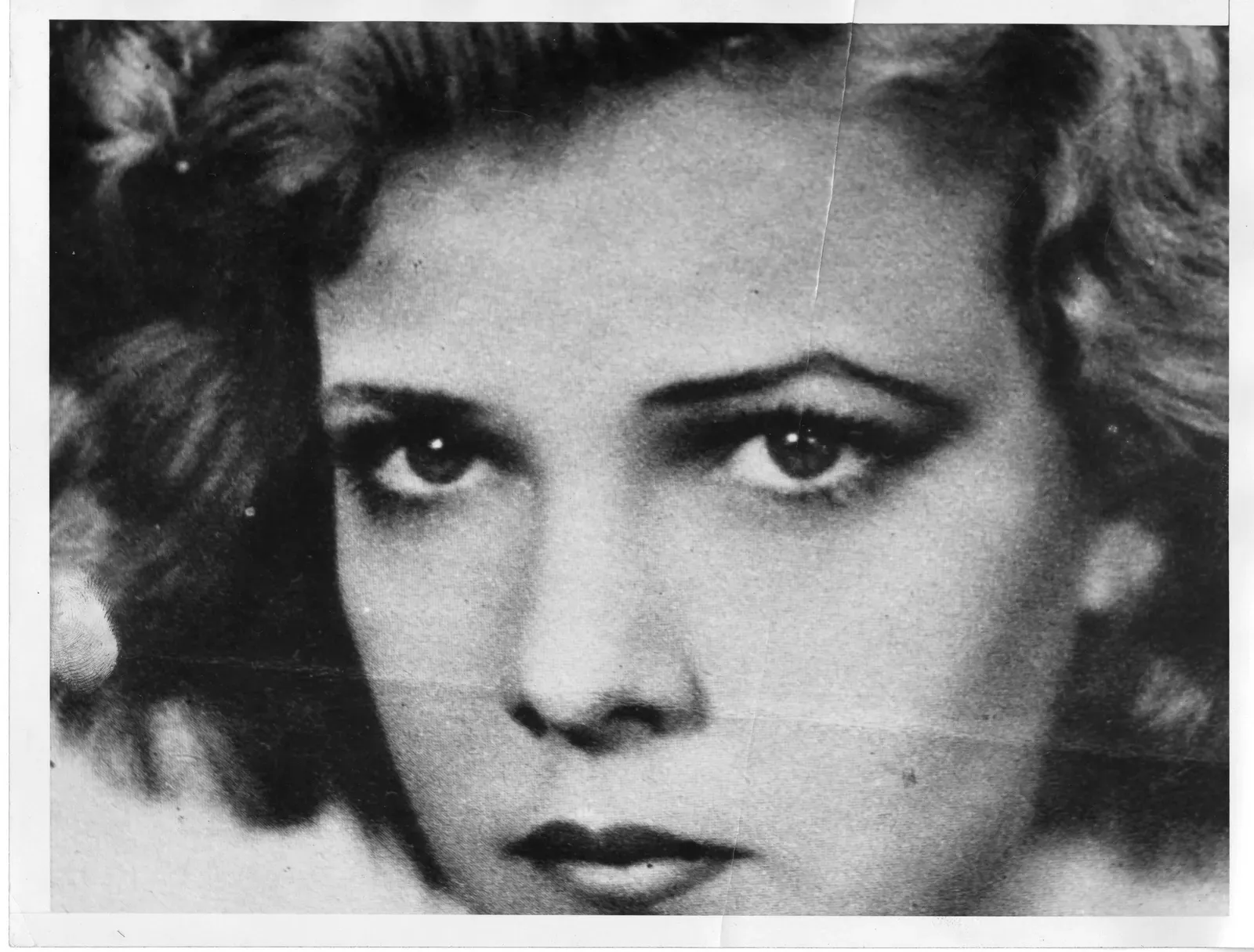
From the early 1920s, it was common practice for studio contracts in Hollywood to include “morality clauses” whereby actors were obligated to observe certain mores of so-called decency and propriety in their personal lives and were prohibited from engaging in any sort of behavior that might bring infamy to themselves or to the studio. The reach of these clauses was sweeping and, by modern standards, breathtakingly intrusive.
Contracts included strict morality clauses that allowed studios to terminate actors for behavior deemed inappropriate or damaging to the studio’s reputation. Public scandals, arrests, or conduct viewed as damaging to a studio’s image could trigger discipline or termination. Studios prioritized marketable reputations above personal freedom. These clauses dictated acceptable behavior both on and off screen, ensuring that actors’ actions aligned with the studio’s image. If a star’s behavior was deemed inappropriate, they could face suspension or even termination. This control extended to personal choices, with studios eager to preserve a wholesome image that would appeal to the movie-going public.
Had Their Romantic Lives Staged and Managed by the Studio
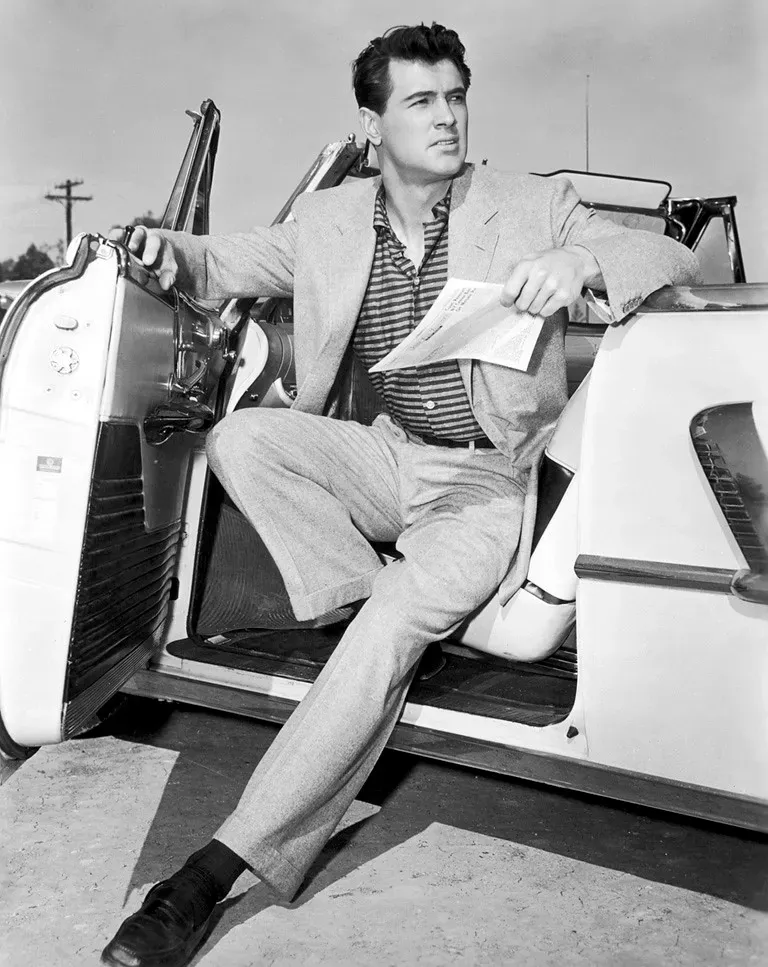
Studios went as far as fabricating false backstories and romances between celebrities to cause public frenzy. Using the paparazzi to their advantage, the gossip became an instant source of free advertising for certain films, and fans fell for the facade every time. The line between genuine private life and studio-arranged performance was, for many stars, essentially nonexistent.
In order to hide the fact that someone was attracted to another actor of the same sex, many movie studios arranged “lavender marriages,” the pairing of two individuals into what was deemed a more “traditional” relationship. As can be expected, these often didn’t last, and the majority of couples divorced just a few years after their nuptials. In 1955, Rock Hudson’s career was soaring, but he was struggling to keep his private life private. His agent had negotiated Hudson’s movie contracts with Universal Studios and knew the importance of not violating the morality clause. The agent paid off a blackmailer who claimed to have incriminating photos, but soon learned that a gossip magazine was working on an exposé of Hudson’s homosexuality.
Were Expected to Sing, Dance, and Perform as All-Around Entertainers
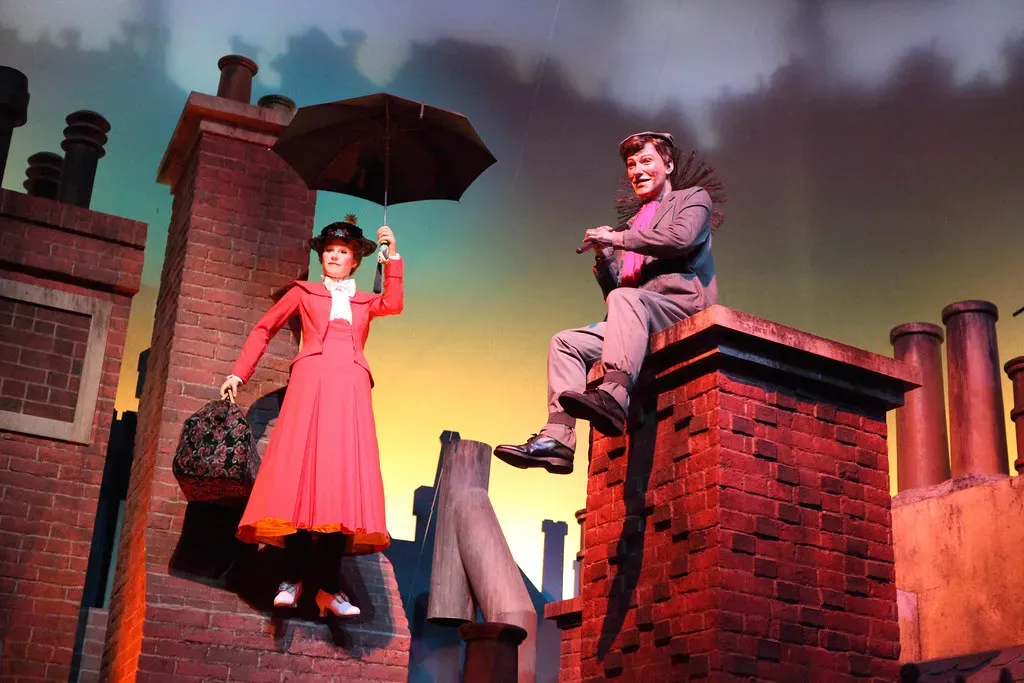
In the old days, actors were expected to be all-around performers. Singing and dancing were requirements that even those we think of as heavy dramatic actors were forced to learn. Katharine Hepburn may not have been the greatest singer ever, but sing she did, and dance. Gene Kelly and Fred Astaire may not have been the best actors, but dancing and singing they excelled at. The studio system produced performers who were genuinely versatile – not because they chose to be, but because the industry demanded it.
The lines were blurred, no one was pigeonholed, and in some cases this combination of talent stands out to this day: Dorothy Dandridge, Harry Belafonte, and Lena Horne were all incredible performers who excelled at both crafts. In the 1960s, being able to sing and act was still an important combination, especially for musicals like Funny Girl, which turned Barbra Streisand into a world-famous star. Today, a purely dramatic actor rarely faces expectations of musical performance, and the crossover, when it happens, is treated as a novelty rather than a standard.
Performed Physical Feats Directly on Camera Without the Safety Net of Modern Technology

Douglas Fairbanks made a name for himself by starring in countless swashbuckling films, performing many of his own stunts in an era that lacked modern safety technology. His good looks and athletic build made him the ideal leading man for Hollywood’s silent era. In films such as The Mark of Zorro, Robin Hood, and The Thief of Bagdad, Fairbanks dazzled audiences with his acrobatic action sequences. Typical Fairbanks action scenes found him vaulting over objects, jumping across rooftops, and ascending impossible heights.
Barbara Stanwyck was a versatile talent who excelled in a wide variety of genres including film noir, screwball comedy, and romantic drama. It was her work in the Western genre that turned her into a legendary stunt performer. Throughout her career, the strong-willed Stanwyck vehemently insisted on performing her own stunts, no matter how dangerous they were to execute. Stanwyck was 50 years old at the time of one particularly demanding stunt performance. Later in her career, now in her 60s, she starred in the Western television show The Big Valley, which again featured her performing many of her own stunts.
Allowed Studios to Fully Control What the Press Published About Them

Throughout much of the silent period and the classical era, roughly 1930 to 1955, studios managed to control their stars’ images through a variety of means including morality clauses in contracts and careful publicity. Fan magazines like Photoplay were only able to play their role with the complete cooperation of the studios. In exchange for publicizing stars in a very precise way, almost wholly dictated by the studio’s publicity department, the studios agreed to massive ad buys. It was a closed loop – the press, the studio, and the star all moved in lockstep.
During classic Hollywood, the studios succeeded in nearly silencing all publications – all “voices” – that spoke contrary to what they wanted the public to believe. This changed in the 1950s with the advent of television, the collapse of the studio system, and the court decision that the standard seven-year star contract was unconstitutional. The weakened film industry then faced attacks from independent scandal magazines that used tabloid techniques to pierce carefully constructed images. That unraveling took decades, and the world of constant, unfiltered celebrity coverage we live in now would have been completely unthinkable to the moguls who once ran the show.
What the golden age produced was a kind of stardom that had no real precedent and has never quite been replicated – manufactured, polished, sometimes cruel, and genuinely dazzling all at once. Modern Hollywood offers its stars far more personal freedom, and that’s largely a good thing. But it also produced something harder to manufacture: the sensation that these people belonged to a world slightly beyond reach. The mystery was partly a lie, but it was a lie that made the movies feel like something more than just entertainment.