There’s something about a truly great comedy that feels almost impossible to engineer. Dramas can be scaffolded with formula, thrillers with tension and plot mechanics. Comedy, though, is chaos with timing. Either it lands or it doesn’t, and the gap between the two can be thinner than a single edit.
As a general rule, comedy doesn’t age well. It’s a medium highly dependent upon context, and what’s considered funny now might be met with blank stares a hundred years from now. So when a movie can still crack audiences up decades down the line, that’s the sign of a genuine classic, and really one of the most impressive accomplishments in cinema. The eight films below have all cleared that bar, some with room to spare.
Airplane! (1980): The Joke Machine That Never Runs Out of Gas

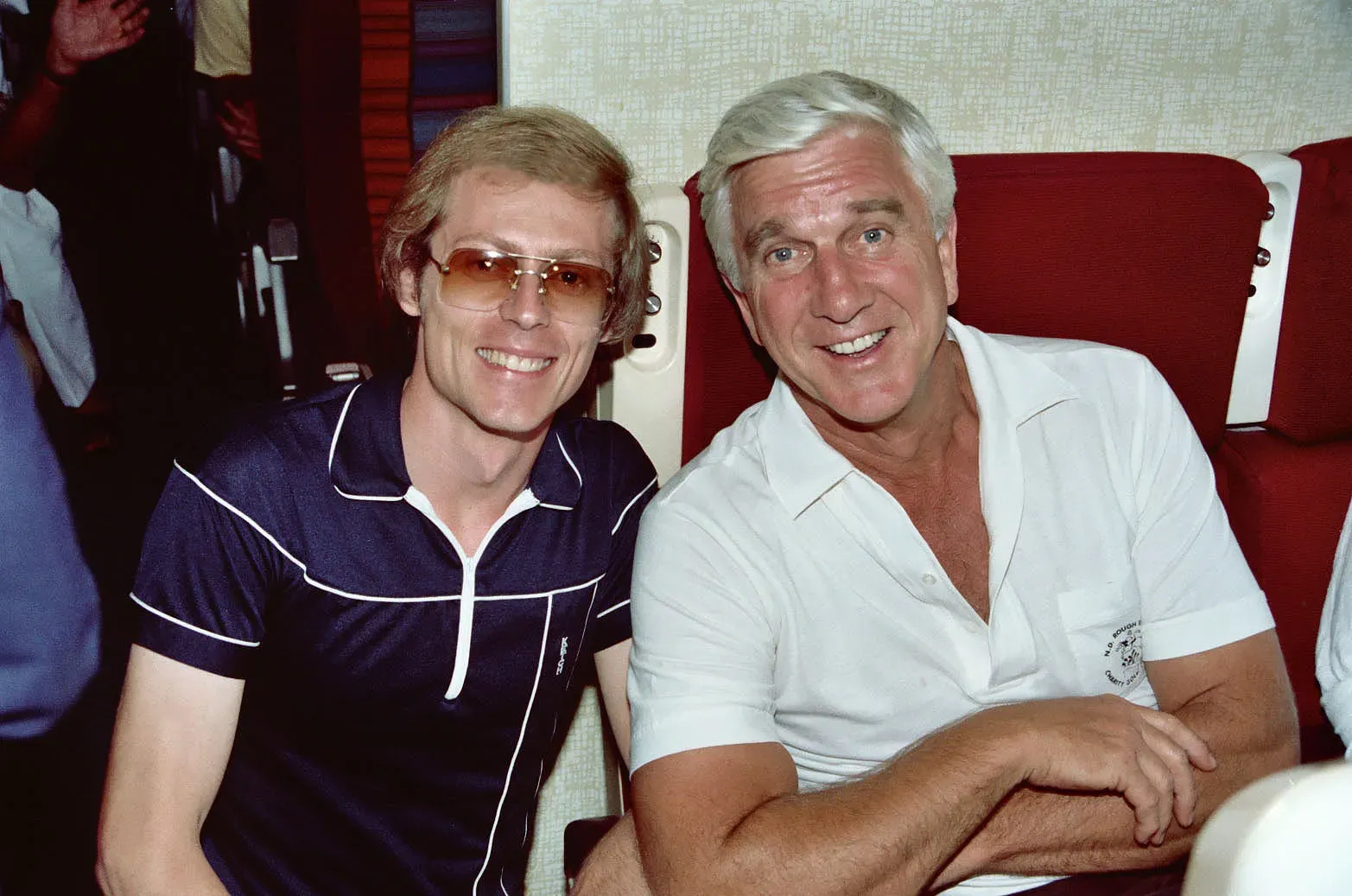
Airplane! is a parody of the disaster film genre, particularly the 1957 Paramount film Zero Hour!, from which it borrows the plot, central characters, and some dialogue. It draws many elements from Airport 1975 and the Airport series, and is known for its surreal humor and fast-paced slapstick comedy, including visual and verbal puns, gags, running jokes, and satirical sharp overtones. The genius of the film is that it never pauses long enough to let a joke go stale.
Released by Paramount Pictures, it was a critical and commercial success, grossing $171 million worldwide against a budget of just $3.5 million. Paramount cast serious, dramatic actors for the film rather than comedy performers, and Universal Pictures actually filed a complaint claiming the parody of the Airport film series and the similarity of titles constituted plagiarism. Leslie Nielsen’s role in Airplane! marked a turning point in his career. He had previously been known for serious roles, but his portrayal of Dr. Rumack showcased a talent for comedy that he’d spend the rest of his career perfecting.
Monty Python and the Holy Grail (1975): Absurdity as High Art

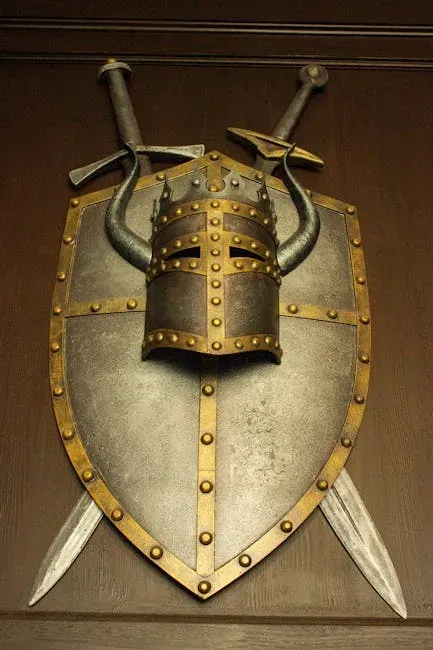
Monty Python and the Holy Grail is a 1975 British comedy film based on the Arthurian legend, written and performed by the Monty Python comedy group, Graham Chapman, John Cleese, Terry Gilliam, Eric Idle, Terry Jones, and Michael Palin, and directed by Gilliam and Jones in their feature directorial debuts. It grossed more than any other British film screened in the US in 1975, and has since been considered one of the greatest comedy films of all time.
The famous depiction of galloping horses by using coconut shells came about from the purely practical reason that the production simply could not afford real horses. Pink Floyd contributed £31,000 from Dark Side of the Moon toward the making of the Holy Grail. King Arthur’s quest is reduced to coconut-clopping horses, argumentative peasants, and surreal animated interludes. The low-budget aesthetic becomes part of the joke, transforming production limitations into comedic innovation. Beneath the silliness lies razor-sharp satire targeting religious dogma, class systems, and heroic mythology itself.
Blazing Saddles (1974): The Western That Blew Up the Western


Blazing Saddles is one of the boldest studio comedies ever released. Directed by Mel Brooks and starring Cleavon Little and Gene Wilder, the film savagely dismantles the myths of the American Western. Instead of romanticized frontier heroism, Brooks delivers biting satire aimed at racism, political corruption, and Hollywood cliché. Very few films have been brave enough to do what this one did with its subject matter.
The film’s deliberately outrageous humor forces audiences to confront prejudice by exposing its stupidity. From fourth-wall breaks to meta studio-lot chaos, Blazing Saddles refuses to play by conventional rules. Beneath the anarchy lies razor-sharp commentary about America’s cultural myths. By weaponizing absurdity, Brooks turned a genre built on stoic machismo into a vehicle for fearless social satire. As one of the highest-grossing movies of 1974, Blazing Saddles wasn’t just a comedic success but an overall triumph of filmmaking that defined the year.
Bridesmaids (2011): The Comedy That Changed the Rules


Directed by Paul Feig, Bridesmaids marked several milestones. It saw Kristen Wiig blossom from a quirky supporting player into a hilarious leading lady. Melissa McCarthy evolved from a sitcom actress to an Oscar nominee. Wiig was also nominated for her screenplay, co-written with Annie Mumolo. The film caught practically everyone off guard with both its honesty and its willingness to go places most comedies won’t.
The film made $169.1 million domestically and $288.4 million worldwide, from a budget of just $32.5 million, making it a huge hit. Not only is Bridesmaids one of the funniest movies of all time, but it also revolutionized the comedy genre, showing that women can be just as raunchy and filthy as men, and people will pay to see it. Bridesmaids wasn’t the first female-centric comedy movie, but it did help open doors for future comedy films with leading female casts in a way that others hadn’t.
Superbad (2007): Painfully Funny and Surprisingly Sincere


Superbad stands out in the comedy industry because it allowed incredible actors like Jonah Hill and Emma Stone to finally get a chance in the spotlight. The film was inspired by Seth Rogen’s high school experience and focuses on two unpopular students who attempt to throw an incredible party. What makes it work, though, is that underneath all the chaos, it’s genuinely a story about friendship.
As far as the coming-of-age comedies of the 21st century are concerned, none have had the undeniable impact and lasting legacy of Superbad, with its distinct style of self-deprecating humor defining the whole generation. The film wouldn’t reach such iconic status without some highly memorable and hilarious moments, whether it be all the shenanigans surrounding McLovin and the cops or the increasingly chaotic antics that Seth and Evan get up to. Superbad is the type of absurd yet strangely comforting comedy experience that will continue to define the 21st century in comedy as a whole.
Anchorman: The Legend of Ron Burgundy (2004): Quotable Beyond All Reason

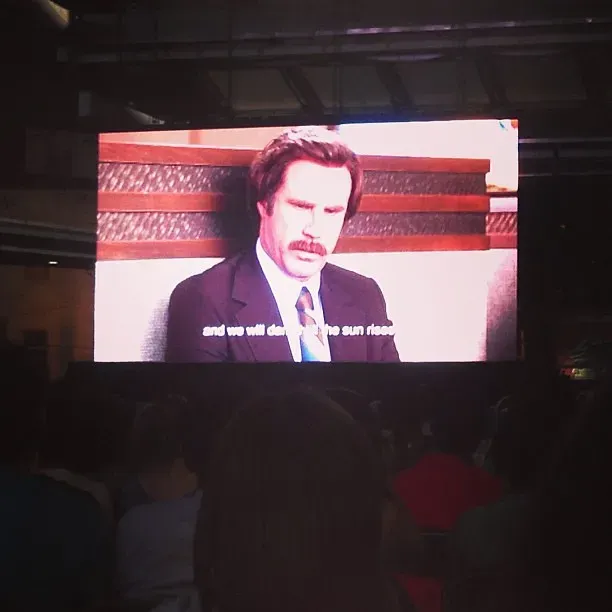
The film takes a wildly comedic look at the world of local TV news in the 1970s, seeing Will Ferrell as the pompous San Diego anchorman who is on top of the world. His life of leisure as the top dog is soon challenged when an ambitious female reporter arrives as a new employee at his station. Ferrell is behind a lot of the magic that makes both Ron Burgundy such a deeply memorable character and the film as a whole a wildly fun time.
When the film was released in 2004, it was met with mixed reviews, but a bonus DVD called Wake Up, Ron Burgundy: The Lost Movie showcased just how much fun the cast had making this cult classic. Since the film is blessed with the likes of Will Ferrell, Paul Rudd, and Jack Black, it comes as no surprise that a lot of the film’s funniest scenes are improvised. Anchorman has only grown more beloved now, over twenty years since its release, widely considered one of the defining moments of Ferrell and McKay’s careers.
Shaun of the Dead (2004): Horror Comedy Done Perfectly

Shaun of the Dead is the funniest comedy of the 2000s, and has since become an all-time classic. A bored store clerk finds a new lease on life when a zombie outbreak consumes the suburbs of London. Director Edgar Wright combines his love of cinema with his rapier wit to produce a film that is more than a zombie spoof. It’s an effective horror comedy because it clearly cares for its source material.
The chemistry of Simon Pegg and Nick Frost make the film a cozy watch, and it’s the type of movie that gets better after repeated viewings. Because it cost so little, Shaun of the Dead made a lot of money at the box office. The film also managed something even rarer: it works as an actual zombie movie. You care about the characters. When things go wrong, it stings. That emotional grounding is precisely what separates it from every other horror spoof you’ve seen and forgotten.
The Big Lebowski (1998): The Comedy That Gets Funnier Every Time

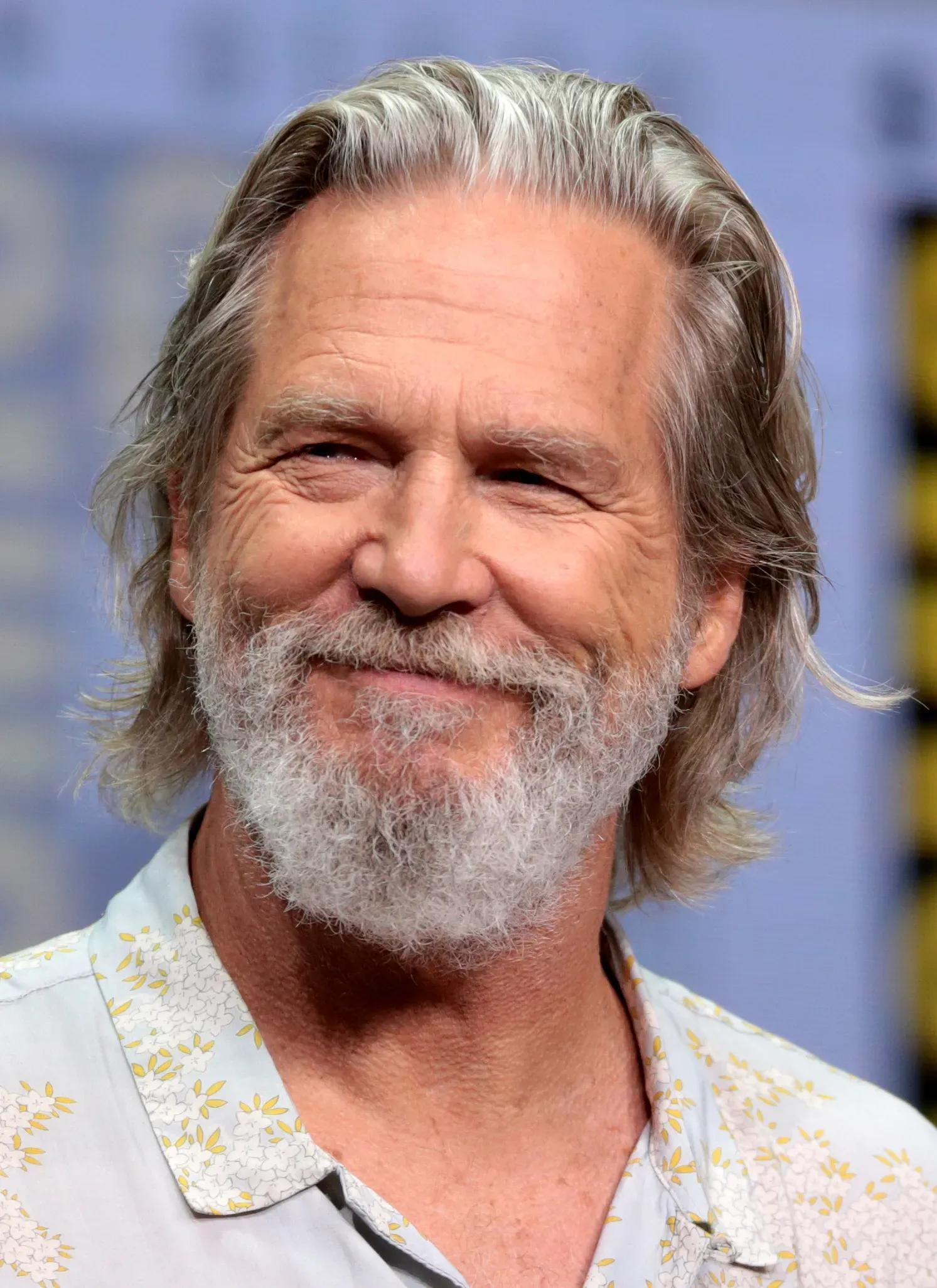
The Coen Brothers’ contributions to comedy are their lasting creative legacy. The Big Lebowski is the story of an aging slacker who accidentally gets wrapped up in a criminal conspiracy. Jeff Bridges as “The Dude” created one of cinema’s most unlikely heroes, a man whose defining characteristic is his total refusal to be stressed by anything happening around him.
Nearly every moment is quotable, and The Big Lebowski is a richly layered comedy experience. Every rewatch uncovers something new to laugh at. The film was barely a box office success when it opened in 1998, but its cult following grew steadily through home video and became something enormous. It’s a strange thing, how some comedies take years to find their audience. The Big Lebowski just needed people to catch up with it, and eventually, they did.