There is a particular kind of grief that comes from watching a beloved show stick its landing badly. It is not just disappointment. It is the retroactive unraveling of years spent caring, theorizing, and investing in characters who feel almost like real people. A bad finale does not stay in the past – it bleeds backwards, casting doubt on the very episodes that once felt perfect.
Some shows leave their audiences debating ambiguous endings for decades. Others inspire petition campaigns, fan edits, and entirely new spin-off series designed to walk back what went wrong. The eight finales below managed to do something that most television never achieves: they made millions of people feel genuinely betrayed.
Game of Thrones (2019): The Finale That Broke the Internet
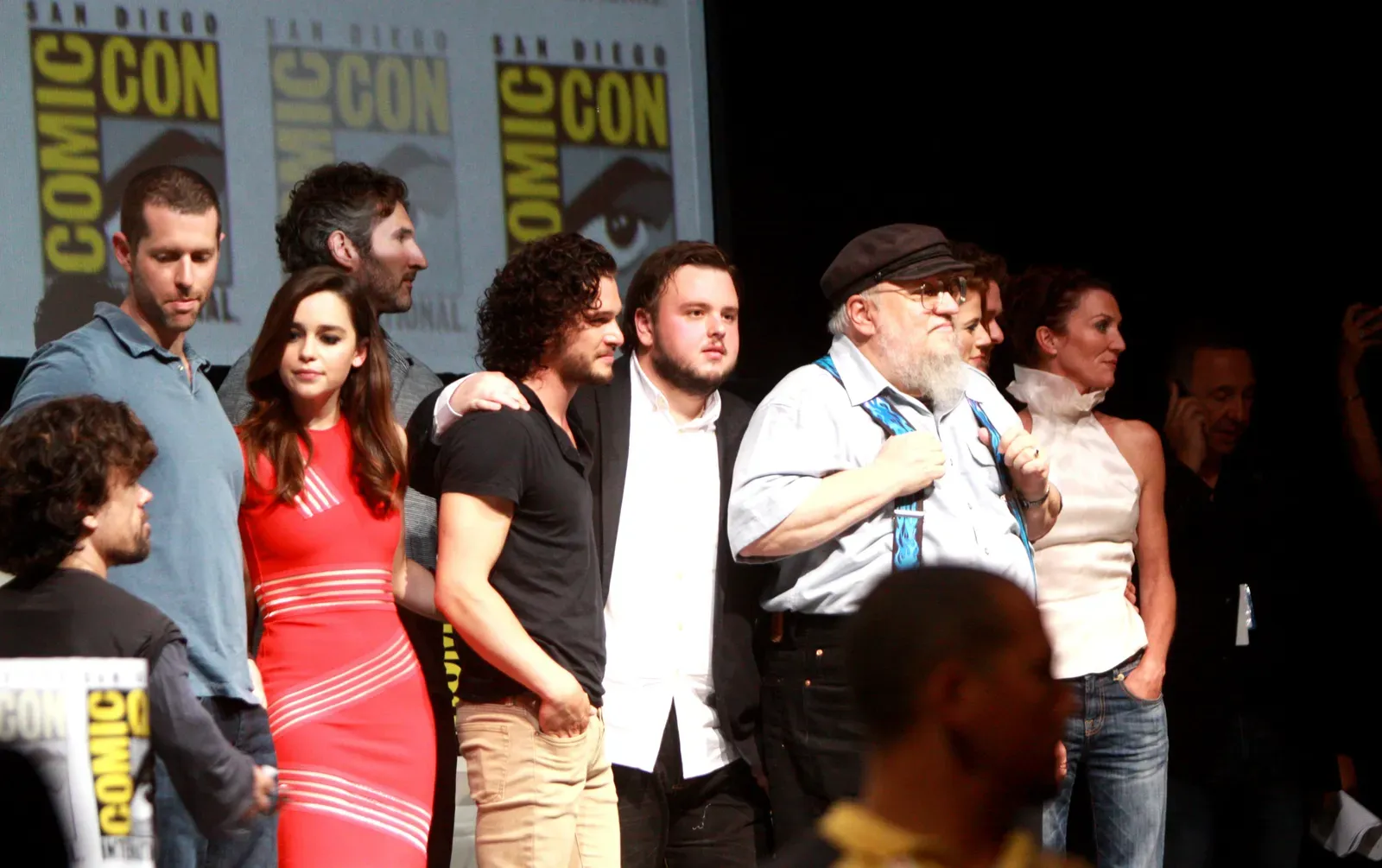
Game of Thrones ran for eight zeitgeist-leading seasons on HBO before finally signing off on May 19, 2019, with the episode “The Iron Throne.” The show did not simply have a bad finale – it had the kind of ending that made people revisit years of obsessive theorizing with a thousand-yard stare. Daenerys’ turn felt rushed, Bran becoming king landed with a thud, and several major arcs seemed to sprint toward conclusions instead of earning them.
The fan petition to remake season 8 started with a goal of 15,000 signatures, but the campaign quickly blew past that number. By the time it faded, more than 1.8 million people had signed. The Game of Thrones finale remains a case study in how fan expectations can clash with artistic decisions. The phrase “Who has a better story than Bran the Broken?” lives on in infamy as a catch-all term for bad TV finales.
Dexter (2013): A Serial Killer Becomes a Lumberjack

Dexter had spent years asking whether its charming blood-spatter analyst could ever truly escape himself, and then the finale answered with lumberjack exile. Deb’s death already bruised the episode, but Dexter abandoning Harrison and vanishing into a silent logging life turned tragedy into accidental comedy. It was bleak, yes, but not in the haunting way the show probably wanted. For many fans, the final image felt less like punishment and more like a confused screensaver.
Upon its airing, the series finale of Dexter was so poorly received that its final scene, which sees Miami’s most prolific killer hiding out in a new life as a lumberjack in Oregon, became an instant meme and a catch-all term for shows that royally screwed the landing. The backlash became so legendary that producers revived the series with Dexter: New Blood in an attempt to write a more fitting conclusion. The IMDb rating for the Dexter finale settled at roughly 4.6 out of 10, marking it one of the most poorly scored series finales from a critically respected show.
How I Met Your Mother (2014): Nine Seasons for Nothing
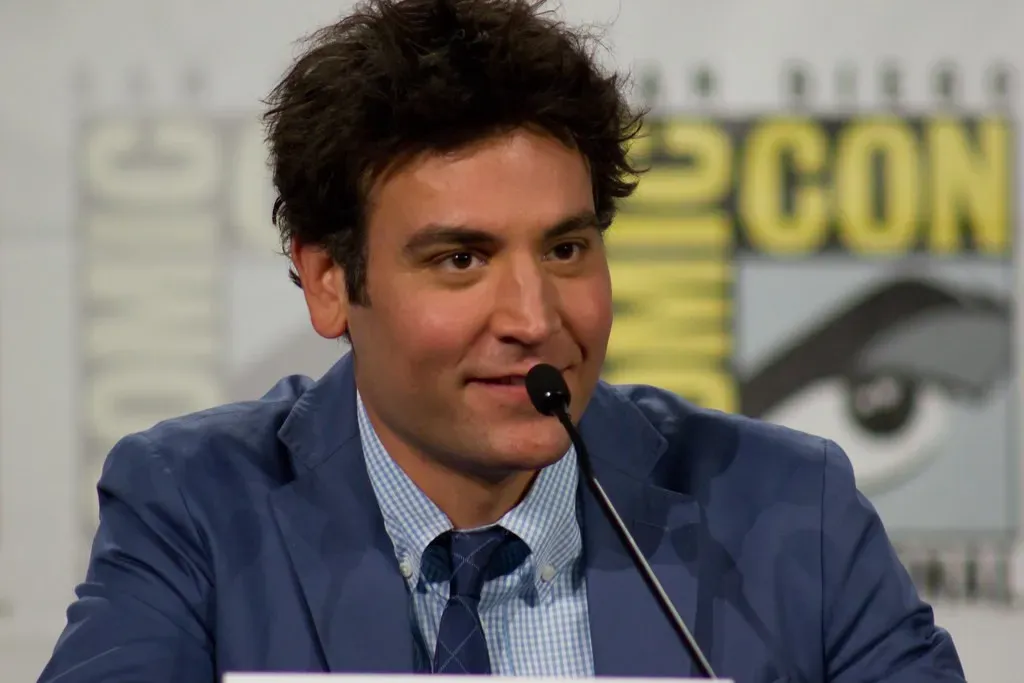
Few sitcom finales have ever produced such a dramatic split between creators and fans. For years, viewers followed Ted Mosby’s search for “the one,” only to discover that Tracy McConnell, the Mother herself, would die after finally entering the story. The finale then revealed that Ted’s narration had really been about seeking permission from his children to pursue Robin. Barney and Robin’s marriage, the focus of the entire final season, was dissolved within minutes, just so Ted could have his way.
This outcome was particularly frustrating for viewers because not only did the pilot episode establish that Robin was not going to be Ted’s soulmate, but fans had just spent an entire season getting to know the actual “mother” – only for her to be killed off in a few minutes during the finale. Much of the show’s run had been spent convincing viewers that Robin and Barney would end up together, and the rage on the internet was swift. The HIMYM finale carries an IMDb rating of roughly 5.5 out of 10, with fans still angry years later and critics agreeing it fundamentally undermined the whole series.
Lost (2010): Answers Were Never Part of the Plan
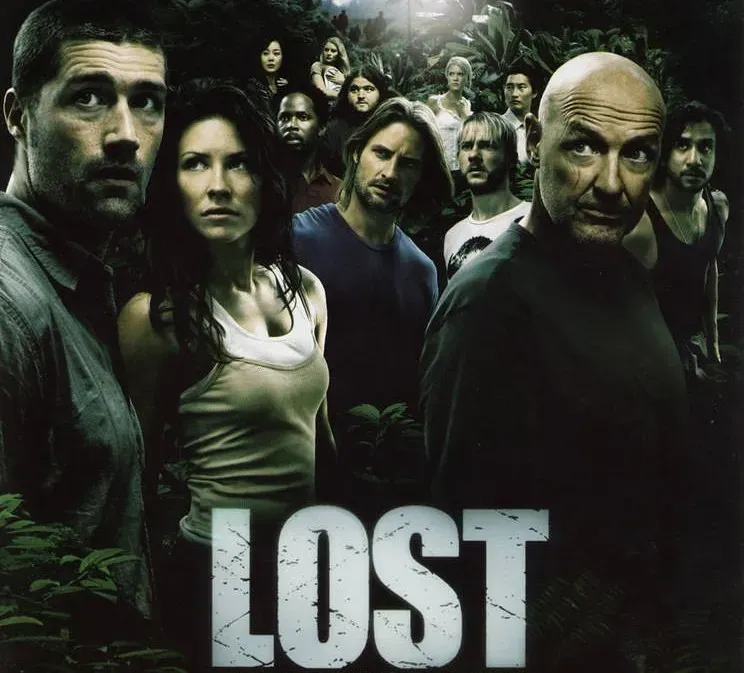
The Lost finale, titled “The End,” became one of the most discussed television events of the decade, mostly for the wrong reasons. Fans who had spent years theorizing about the show’s myriad mysteries – What was the island? Why was the Dharma Initiative conducting experiments? What was the deal with the Smoke Monster? – saw many of those questions either minimally addressed or outright ignored.
Lost remains one of the great finale arguments because the ending is not as simple as “they were dead the whole time,” even if that misunderstanding swallowed the conversation. The island story was real, Jack’s sacrifice had weight, and the church sequence aimed for spiritual closure. Still, after years of hatches, numbers, smoke monsters, and mythology breadcrumbs, many fans wanted answers with sharper teeth. The finale chose feelings over explanations, and not everyone forgave it.
Partner offer
Seinfeld (1998): The Show About Nothing Ended With Too Much
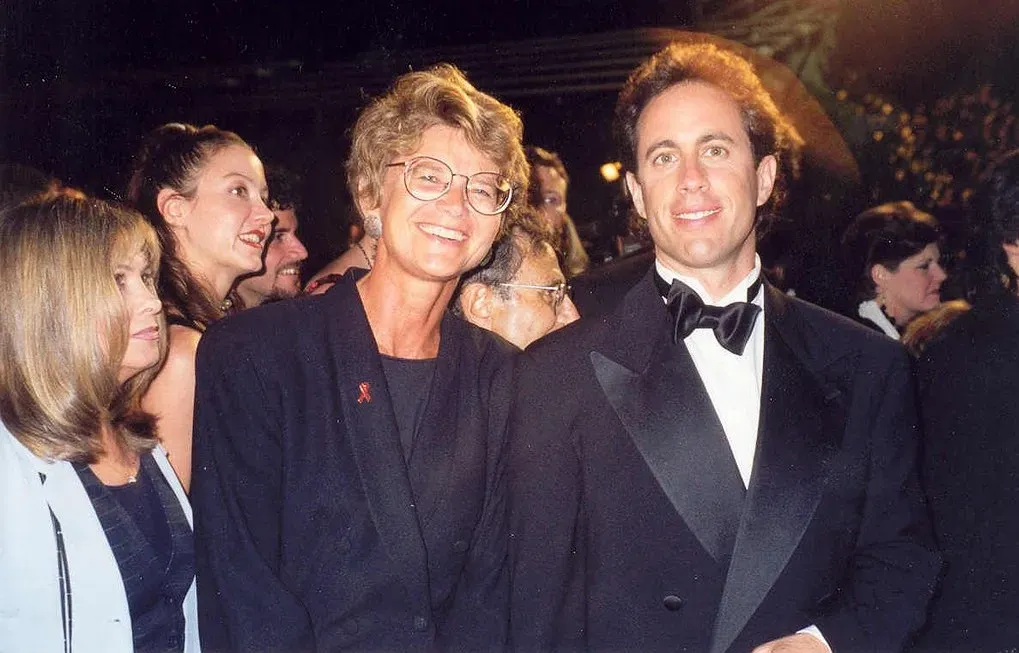
The episode titled “The Finale” saw Jerry, George, Elaine, and Kramer on trial for their various misdeeds throughout the series. The characters were found guilty and sent to prison, leading to a mixed reaction from viewers. Some fans were unhappy with the ending, feeling that it did not live up to the show’s signature humor and style. Still, roughly 76 million people tuned in to watch.
Some found that the final episode undermined the show’s entire premise. The whole joke of Seinfeld was that it was a “show about nothing,” where every episode featured the characters getting into comic situations of little significance, then making some selfish decision that made everything worse. No episode had any real consequences. Viewers in 1998 rejected the ending, partly due to the unnecessary parade of old Seinfeld guest stars making cameo appearances during the trial. Even today, its defenders are in the minority.
Battlestar Galactica (2009): Science Fiction Surrenders to God
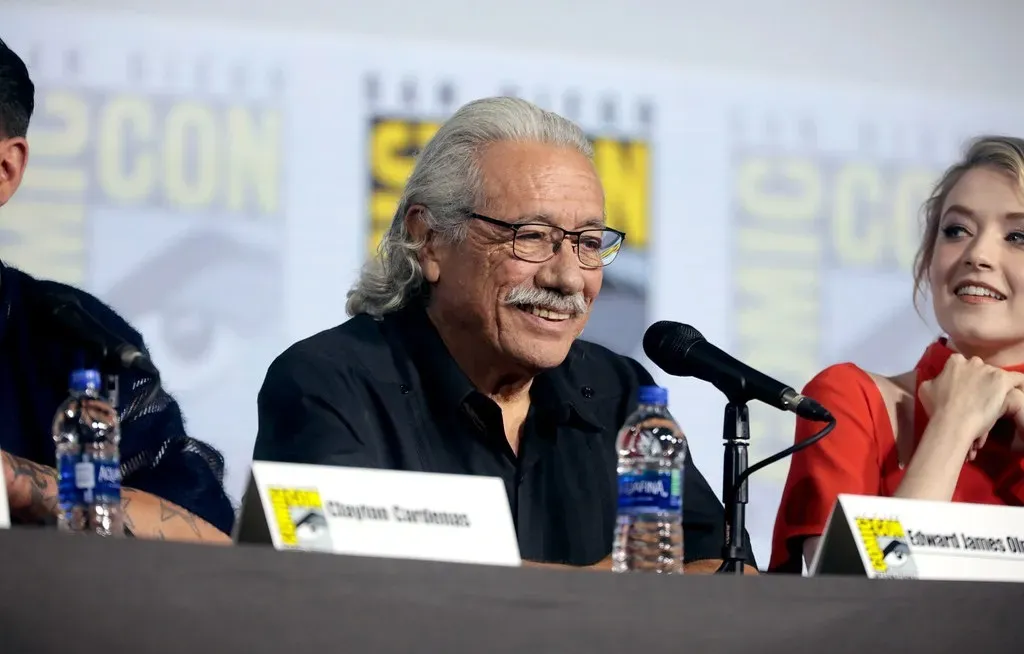
Battlestar Galactica had one of the most ambitious finales in sci-fi TV, and that ambition is exactly why the reaction split so hard. The final stretch leaned into divine intervention, destiny, and mystical answers after years of military tension and political grit. Some viewers found it moving; others felt the show had swapped its hard-earned complexity for cosmic hand-waving. The fleet found Earth, but a chunk of the audience felt stranded somewhere between theology class and a deleted mythology outline.
The series had been known to touch on themes of fundamentalism and philosophy, but the overt religious elements in the finale were a bridge too far for many fans. Ideas of God and literal spirituality had never really been a central part of the series, and the entire set of events supposedly being part of God’s plan was the epitome of a deus ex machina. The revelation that Starbuck was an angel only added fuel to the fire. Instead of learning how Starbuck returned from the dead and guided everyone to Earth, she simply vanished.
Pretty Little Liars (2017): An Evil Twin With a Cockney Accent
In retrospect, Pretty Little Liars was never really built to keep dispensing new villain reveals every couple of seasons. That first “A” reveal from Season 2 was perfect, but by Season 7, the show felt like it was making things up as it went along. The series finale reveals that the gang’s latest tormentor is the heretofore unknown identical twin sister and impersonator of Spencer: Alex Drake, a psychopathic killer with an inexplicable Cockney accent.
Talk of disappointing finales and it is hard to ignore the ending of Pretty Little Liars, as the once-popular series’ last episode revealed the identity of the mysterious “A.D.” who had been threatening to release the secrets of the core group. Instead of “A.D.” being revealed as a character audiences already knew, which would have been more shocking, she was actually a completely new character: Alex Drake, the previously-unseen identical twin sister of Spencer Hastings. The reveal felt less like a clever twist and more like a last-minute invention, which is exactly how fans received it.
The Sopranos (2007): The Cut to Black That Still Divides Viewers
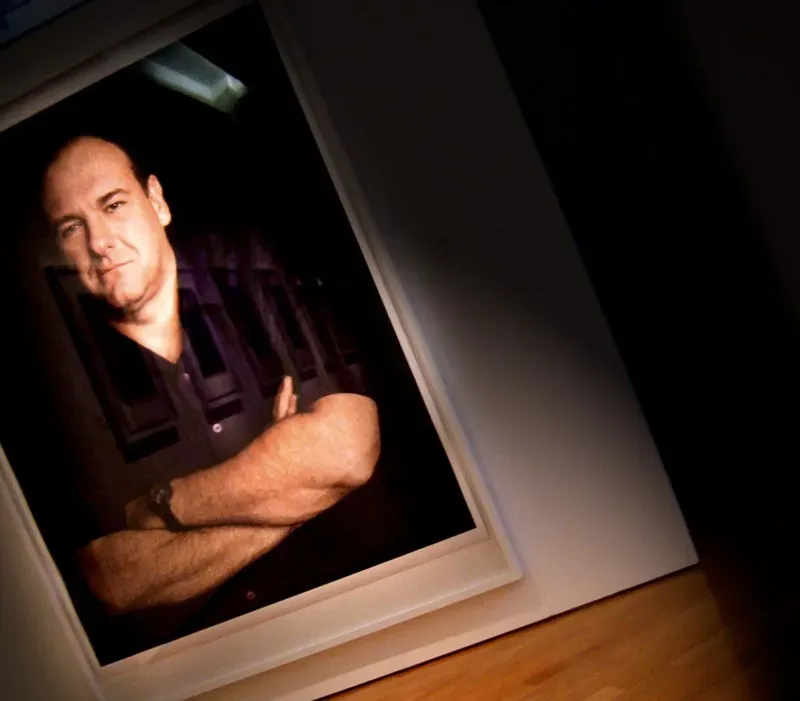
Even in the TikTok age, people are still posting family members’ reactions to the abrupt cut-to-black at the end of the Sopranos finale, perhaps the most famously ambiguous ending in TV history. In the years since, the scene has been subject to endless analysis and speculation over whether the cut indicated Tony Soprano’s death. Creator David Chase offered insight on the matter, saying: “I wanted to imply that he could die in that diner, not that he did die.”
The second half of the sixth and final season came out a year after the first half, so fans were understandably perturbed. On top of that, it was not as easy to go back and re-watch episodes leading up to the finale at the time. That is why, years after The Sopranos concluded, the ending is actually more satisfying upon repeat viewing, instead of thinking your cable had gone out. Like the Lost finale and the BSG conclusion, the Sopranos’ final moments represent a kind of prestige TV discourse flashpoint. Big, zeitgeist-altering shows don’t always tie up every loose end, and these messy conclusions often dominate the subsequent conversations.
What links all eight of these finales, across wildly different genres and eras, is that they were all born from enormous audience love. You cannot generate that scale of fury about something you never cared about. The anger, the petitions, the rewatches, the Reddit threads still running in 2026 – all of it is really just another form of devotion that refuses to say goodbye.
Partner offer
Planning a trip to Vegas?
Compare hotel rates and show tickets on VEGAS.com.