Fast food menus change constantly. Items arrive with big campaigns, then vanish with almost no announcement, and many people only notice when they go looking for them.
Some of these departures were quiet business decisions. Others followed public criticism, slow sales, or kitchen complications. Here are eight menu items that came and went, and what we know about why.
The McDLT
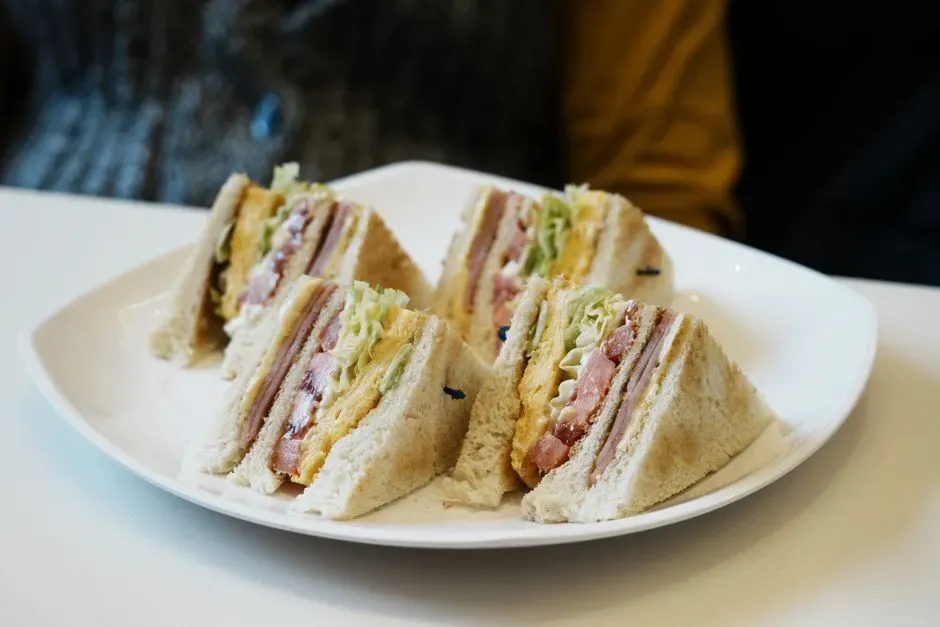
McDonald’s launched the McDLT in the mid 1980s. It came in a two sided container, with the hot beef patty on one side and the cool lettuce and tomato on the other. The idea was that you’d assemble it yourself, so the lettuce stayed crisp and the meat stayed warm.
The sandwich was dropped around 1990. The main reason was the oversized foam packaging, which drew environmental criticism at a time when McDonald’s was already under pressure over foam containers. The burger itself was never really the problem.
The Arch Deluxe
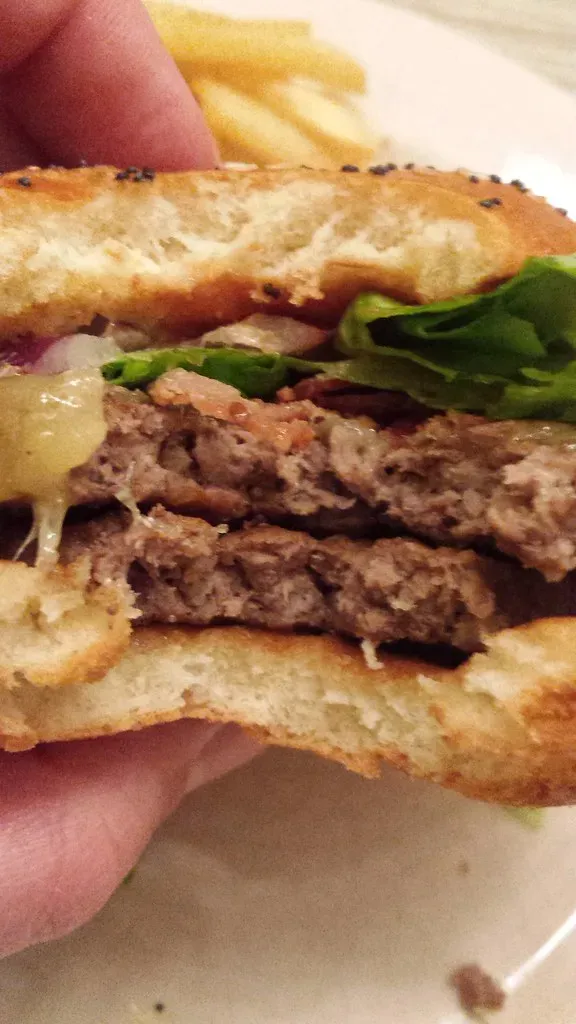
The Arch Deluxe arrived in 1996 as a “grown up” burger, with a peppered bun, a mustard mayo sauce, and a quarter pound patty. McDonald’s aimed it at adults who didn’t usually think of the chain as their first stop. The marketing push was enormous, and it’s widely reported to have cost well over one hundred million dollars.
Sales didn’t match the spending. The burger was removed from menus around 2000, and it’s still often cited as one of the better known product flops in fast food history. Its fate showed that a big budget can’t make customers want something they didn’t ask for.
McPizza
McDonald’s tested pizza in the late 1980s and expanded it across many U.S. restaurants through the 1990s. Making it was the hard part. Pizza took much longer to cook than the burgers and fries the kitchens were built around.
The item faded from most locations by the early 2000s. A handful of restaurants kept selling it for years afterward, which gave it a bit of cult status. Today it’s mostly remembered as proof that a menu can grow beyond what its kitchen can handle.
Burger King Satisfries
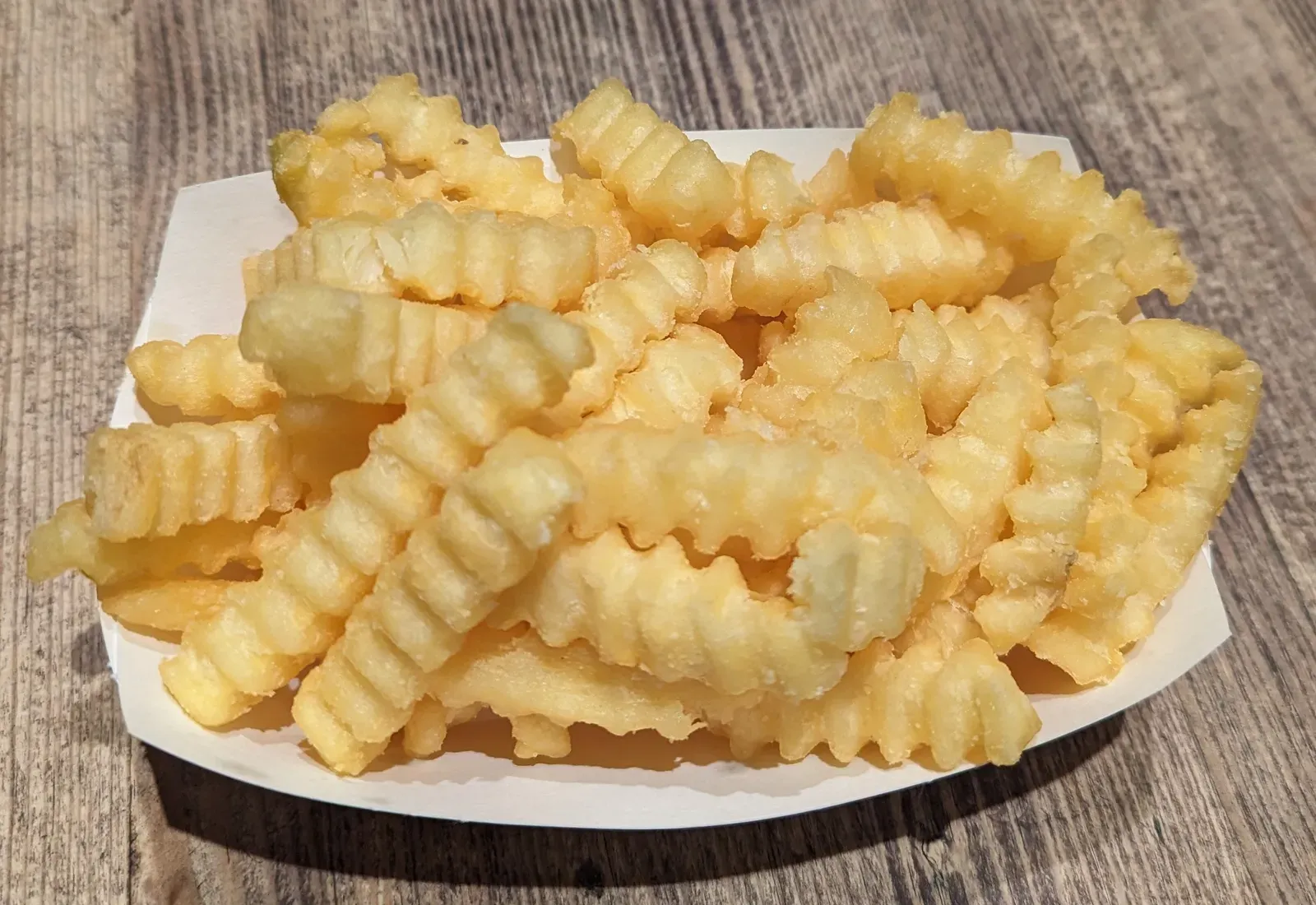
Burger King introduced Satisfries in 2013 as a lower fat alternative to its regular french fries. They had a crinkle cut shape and a different batter, designed to absorb less oil during frying. The chain presented them as a healthier option without a big change in flavor.
Customers didn’t embrace them, and they were gone in 2014. Many people simply said they preferred the original fries, and the price was a bit higher too. It’s a clear example of how health focused tweaks struggle when taste comes second.
Wendy’s Superbar
Wendy’s launched the Superbar in 1987. It was a self serve buffet that included salad, pasta, and Mexican style items, all alongside the usual burgers. For a time it set Wendy’s apart from other chains with a very different kind of menu.
Over the following years the buffet was phased out, with most locations dropping it by the 2000s. Keeping a buffet stocked and fresh took labor and space, and it slowed down a business built on speed. Drive thru traffic was becoming more important, and a salad bar didn’t fit.
McDonald’s Snack Wrap
The Snack Wrap debuted in the mid 2000s as a small, inexpensive chicken item in a tortilla. It became a favorite for people who wanted something lighter than a full sandwich. McDonald’s took it off the U.S. menu in 2020 as it simplified its offerings.
Fans kept asking for it, and McDonald’s brought it back in the United States in 2025. Its return is a reminder that “discontinued” doesn’t always mean permanent. A loyal following can still change a company’s mind.
KFC Double Down
KFC introduced the Double Down in 2010. It swapped the bun for two fried chicken filets, and it held bacon, cheese, and sauce between them. It was meant to be a limited time stunt, and it certainly got attention.
The sandwich came and went over the years, returning briefly in some markets. It was never a regular fixture on the menu. Its short runs fit the way KFC used it, as a buzz generator more than a staple.
Taco Bell Mexican Pizza
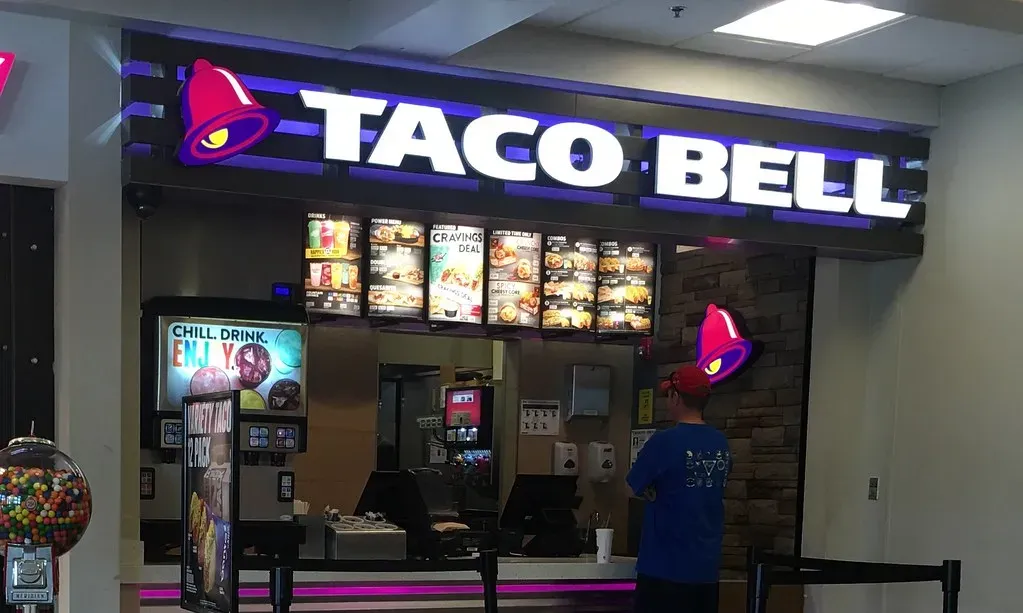
Taco Bell’s Mexican Pizza had been a menu favorite for decades, with seasoned beef and beans between two crisp tortillas, topped with sauce and cheese. The chain removed it in late 2020 as part of a broader menu cut. Taco Bell cited the amount of packaging it used among the reasons for the decision.
Fans objected loudly, and an online petition gathered a large number of signatures. Taco Bell brought the item back in 2022, which showed how much weight customer demand can carry. It’s one of the clearer cases of a discontinued item returning because people kept asking.
What These Menu Exits Have in Common
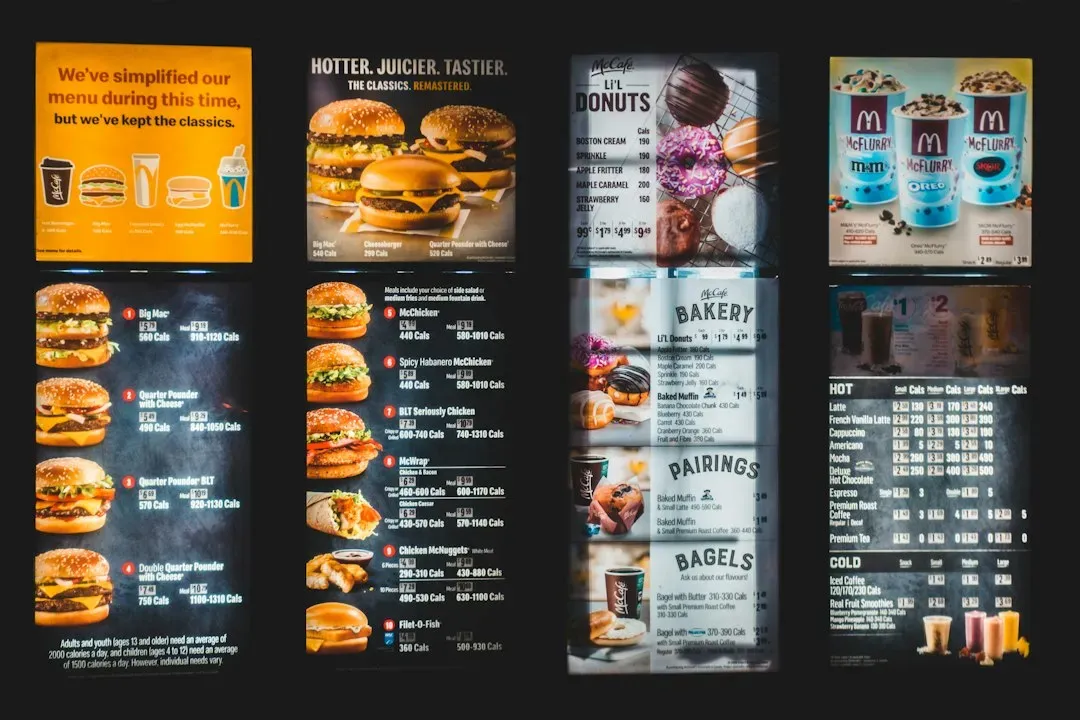
Looking across these eight items, a few patterns show up. Some failed because of operations, like McPizza and the Superbar. Others stumbled on packaging, marketing, or simple lack of appetite, like the McDLT, the Arch Deluxe, and Satisfries.
The Snack Wrap and Mexican Pizza show the other side of the story. A product can disappear for efficiency reasons and still come back if customers stay loyal to it.