Music careers are rarely destroyed in obvious, dramatic fashion. More often, the damage is slow and quiet – a single record lands wrong, the audience drifts away, and by the time anyone takes stock of what happened, the momentum is simply gone. Radio stops calling. Labels get cautious. The window closes. In some rare cases, one bad album is all it takes to end an entire promising career in a matter of over-produced, underwritten minutes. The artists below didn’t necessarily disappear overnight. Some kept touring, kept releasing music. These records didn’t just disappoint: they ended careers, either instantly or through slow, irreversible collapse. Sometimes the damage came from commercial catastrophe, sometimes from alienating fans beyond repair, sometimes from exhausting the artist emotionally or financially to the point they never truly recovered.
Lauryn Hill – MTV Unplugged No. 2.0 (2002)
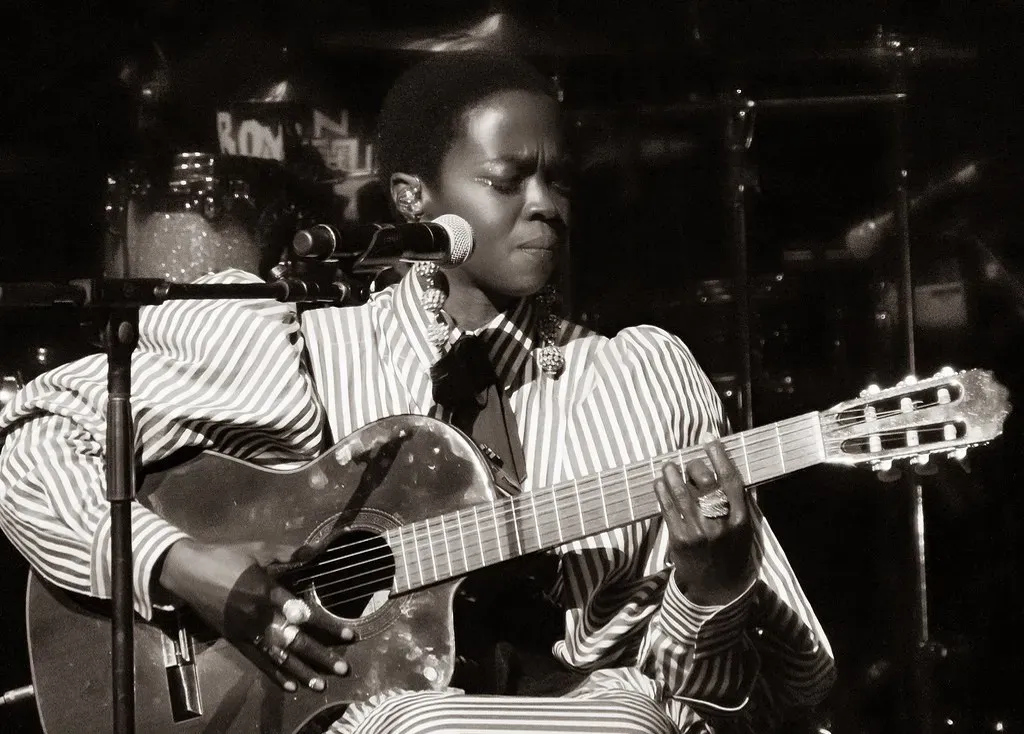
Anyone who has followed Lauryn Hill’s career will point to her MTV Unplugged album as the moment when it all changed. Coming off “The Miseducation of Lauryn Hill,” one of the most acclaimed debuts in modern music history, the expectations placed on her second project were immense. Hill arrived at her MTV Unplugged performance in July of 2001 three months pregnant, dressed casually in a denim jacket, headwrap and baseball cap, and without a band. The small crowd was unsure of what to expect as she started sing-rapping in a strained voice, accompanied only by herself playing guitar, which she had only recently learned to play.
The album was poorly received, to say the least, receiving brutal servings from critics who called it self-indulgent, cultishly religious, unnecessarily repetitious, and lengthy, and at worst, proof that Hill was completely unhinged. Hill never released another studio album, effectively ending her recording career. Time has been kinder to the record than critics were, and many now view it as a brave, radical rejection of celebrity artifice and a pioneering blueprint for the raw, “lo-fi” emotional honesty found in modern neo-soul. Still, as a commercial and professional turning point, the damage was permanent.
Robin Thicke – Paula (2014)
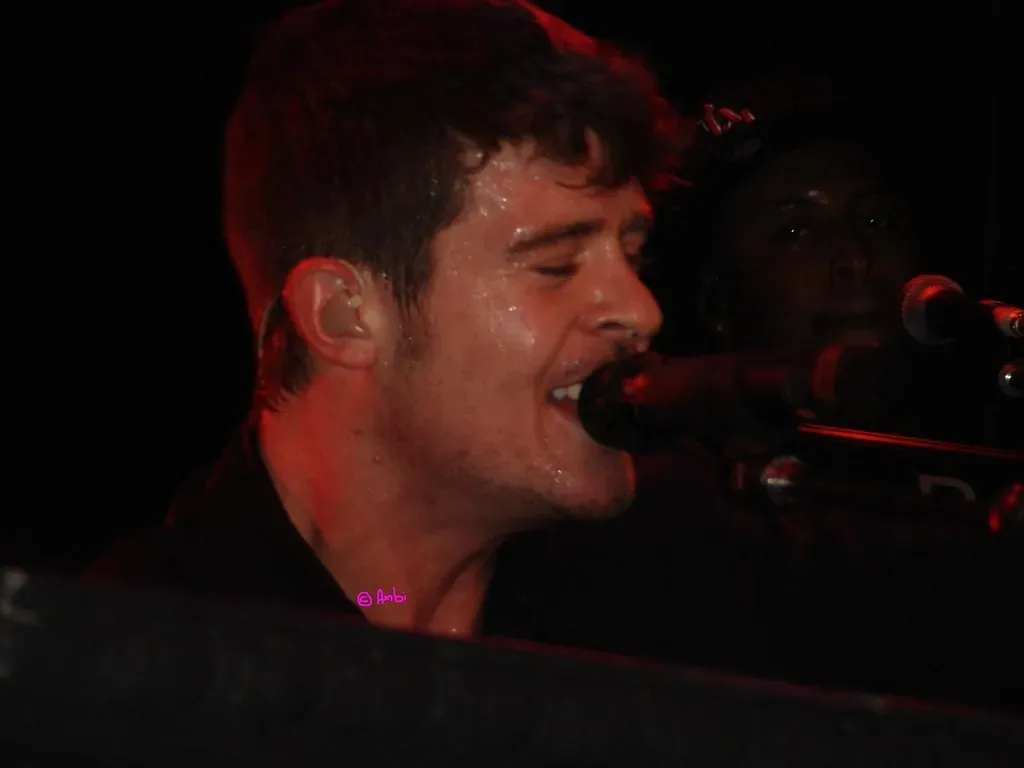
The disastrous “Paula” from 2014 was an attempt by Robin Thicke at not only rekindling a romance with his estranged wife Paula Patton, but to market that attempt for commercial gain as some sort of concept album. It was one of the more unusual ideas in recent pop history – using a major label release as a public love letter – and the music industry met it with bewilderment. Thicke’s personal bad boy behavior in the tabloids had largely killed any goodwill for the artist prior to its release.
“Paula” became even more notable for its disastrous sales figures in countries like Australia, Canada, and the U.K., with some numbers totaling less than two hundred units during its first week. That figure is genuinely extraordinary for an artist who had recently scored a global number-one hit. Paula remains one of the most cautionary tales in modern pop history. Thicke has remained largely absent from mainstream music since, with no meaningful commercial comeback to speak of.
Garth Brooks – In the Life of Chris Gaines (1999)
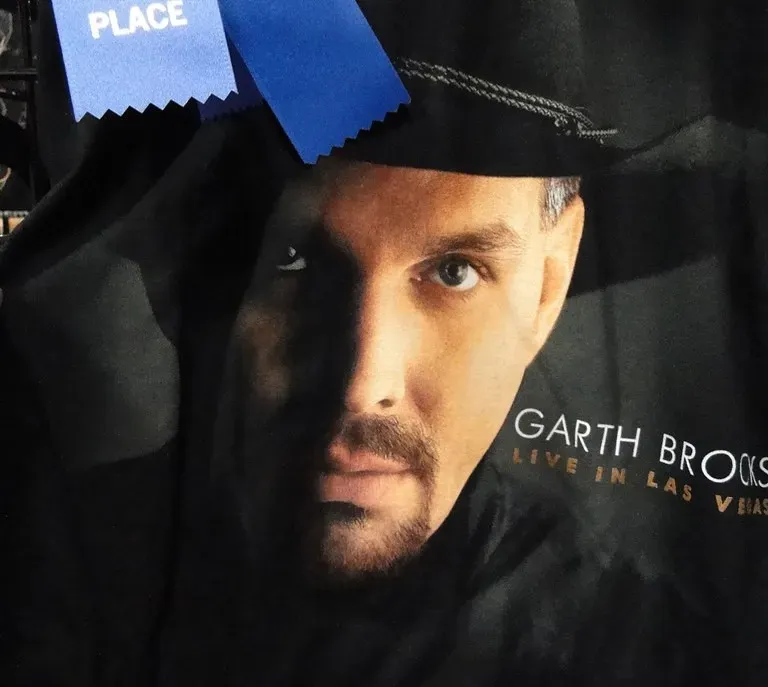
In the years leading up to the Chris Gaines album, Brooks had set industry records, with two of his albums selling more than ten million copies each. In 1998, three of his albums were simultaneously at the top of the Billboard pop and country charts. That same year, he was named the Country Music Association’s Entertainer of the Year for the fourth time. What followed was one of the strangest pivots in music history. Brooks assumed the fictitious persona of Australian rock and roll artist Chris Gaines. The album spawned a hit single and sold over two million copies in the United States, but was considered a commercial disappointment relative to Brooks’ earlier success in country music. His use of an alternate persona caused widespread confusion among the public and contributed to the album’s lackluster reception.
Brooks’ refusal to rerelease the Chris Gaines album is understandable. In 1999 it was shunned by Brooks’s large country fan base as well as by the rock fans to whom it was marketed. The Lamb, the film the project was designed to promote, was never filmed due to financial and management problems. With the record out but no movie, Garth Brooks in… the Life of Chris Gaines just seemed like some weird deviation that Brooks took. Years later, it’s a decision that Brooks says still haunts him. He did eventually return to country music, but his standing as a cultural force never fully recovered from the confusion.
Liz Phair – Liz Phair (2003)

Phair’s “Exile in Guyville” debut was an underground hit, thanks to its catchiness and confessional, authentic lyrics, but then Phair was convinced by her record company to work with pop songwriting team The Matrix. It was a sharp departure from the raw, intimate indie rock that had made her a critical darling throughout the 1990s. This collaboration resulted in a sound that was much more polished, and the backlash to this material was swift and brutal.
Although the album was defended by prominent critic Robert Christgau, Pitchfork gave it a zero out of ten, while the New York Times’ Meghan O’Rourke even called the album “career suicide.” Those words turned out to be essentially prophetic. Phair’s core audience felt betrayed by what they saw as a calculated commercial move, and the mainstream pop listeners the label had hoped to attract were largely uninterested. Her career never regained its earlier critical momentum.
Katy Perry – 143 (2024)
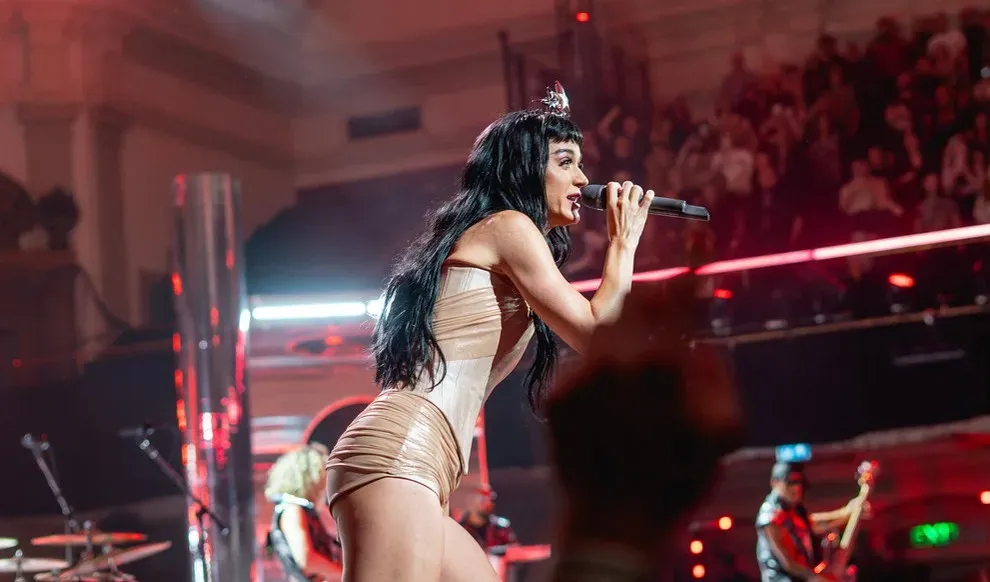
After leaving American Idol and critically falling short with two experimental albums, Katy Perry needed a comeback for 2024. “143” was expected to be a triumphant return to dance-pop that featured a star-studded production. It also featured producer Dr. Luke, despite allegations of sexual assault. Controversy over this only compounded the worst reviews of Perry’s career. For an artist whose early albums had genuinely dominated pop radio for years, the collapse felt proportional to how high she’d once climbed.
After debuting at No. 6, the outdated and superficial album dropped off the US Billboard 200 after just two weeks. Critics soon questioned Perry’s relevancy in the music industry and even her authenticity as an artist. “143,” named for numerical slang for “I love you,” was so unloved that it certainly set the pop idol back. The silence that followed the album’s release was telling. No major tour announcement, no meaningful singles follow-up – just the dawning sense that the era had passed.
Chris Cornell – Scream (2009)

In 2009, Cornell took the bizarre step of doing an album-length collaboration with hip-hop and pop mega-producer Timbaland. For a vocalist widely regarded as one of the finest rock singers of his generation – through Soundgarden and Audioslave both – the move baffled fans and critics alike. When you add in songs written by John Mayer, guest spots from Justin Timberlake, and an electro-pop radio sound where Cornell laments about women in derogatory terms, it ends up being a piece of pop ephemera so utterly inexplicable that over a decade later, people are still trying to wrap their heads around it.
The damage to Cornell’s critical reputation was real, even if his legacy as a rock vocalist remained intact among dedicated fans. The record sold poorly, received largely dismissive reviews, and seemed to catch even those who admired him off guard by its sheer tonal mismatch. Most disastrous albums dent a reputation, stall momentum, or force a painful reset. A handful go further. These records didn’t just disappoint: they ended careers, either instantly or through slow, irreversible collapse. Scream fell squarely in the first category, and Cornell would spend years reconnecting with his rock roots before his death in 2017.
Jewel – 0304 (2003)

Moving on to the subject of drastic stylistic shifts, Jewel’s notorious dud “0304” must be addressed. Although the album was Jewel’s highest charting effort when it was initially released, going gold within a month, the album’s sales figures didn’t stay there long. This was due to the album’s shocking tonal shift from sensitive folk rock to unabashed pop polish, as evidenced by Jewel’s over-the-top first single and video for “Intuition.”
The singer has gone on the record about the single’s satire of a “sell out/cash in” culture, but fans didn’t buy in, especially after the song was licensed to a Schick razor commercial. The irony of releasing a satire of commercialism and then licensing it to a commercial was simply too much for her audience to overlook. Sometimes artists can spend years after years cranking out progressively less impressive efforts after their initial hit. For Jewel, 0304 was the moment the audience began to move on, and the radio presence she’d built through the late 1990s vanished almost entirely in the years that followed.
Axl Rose – Chinese Democracy (2008)

After fifteen years of delays and a staggering $13 million production cost, Chinese Democracy arrived not as a triumphant return, but as a bloated monument to perfectionism. By 2008, the “band” was merely Axl Rose and a revolving door of session virtuosos, stripping away the dangerous, street-level chemistry of the original lineup. Critics found the industrial-tinged production over-engineered, burying Rose’s iconic snarl under endless digital layers.
The album failed to meet the impossible hype, and its lukewarm reception effectively ended Guns N’ Roses as a creative force. Rose had spent so long building an impossible expectation that virtually no record could have met the moment. The 15 year gestation period resulted in a massively disappointing album, with too much tinkering and excess putting a damper on what was really Guns N’ Roses’ greatest strength: hard rock with awesome guitar. The reunion tours that followed were nostalgic rather than creative events – a reminder of what once was rather than evidence of anything still becoming.