Turn on the radio, scroll through a streaming playlist, or sit in a dentist’s waiting room, and there’s a good chance you’re listening to one of these people right now. Not the singer. Not the band whose name is on the album cover. The person actually holding the groove together, the one who never got a photo on the sleeve. Session musicians built the backbone of popular music for decades, often anonymously, often for a flat union fee, and often without so much as a thank-you in the liner notes. Here are six whose fingerprints are all over the songs that shaped modern listening, whether anyone ever learned their names or not.
Carol Kaye, the bassist behind the “Wrecking Crew” sound
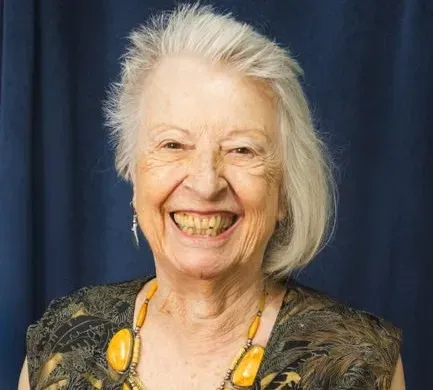
Carol Kaye started out as a jazz guitarist in Los Angeles clubs before a scheduling gap changed everything. When Hollywood’s regular studio bassist wasn’t available in 1963, producer Phil Spector talked her into filling in, and Kaye became Hollywood’s first-call bassist after Ray Pohlman became unavailable and producer Phil Spector persuaded her to fill the vacant bass slot. From there she barely left the studio for the next decade.
Her basslines ended up on an almost absurd range of records. Kaye played guitar and bass on Top-10 hits by the Beach Boys, Ray Charles, Joe Cocker, Sam Cooke, the Four Tops, Ike and Tina Turner, Jan and Dean, the Monkees, Paul Revere and the Raiders, the Righteous Brothers, Simon and Garfunkel, Sonny and Cher, Barbra Streisand, the Supremes, the Temptations, Stevie Wonder, and Frank Zappa. Over a career spanning more than six decades, estimates put her total session output at roughly ten thousand recordings, a figure that still sounds implausible until you start listing the songs.
Hal Blaine, the drummer on forty number one hits
Hal Blaine trained as a jazz drummer in his teens before pivoting hard into rock and roll, a genre plenty of his peers considered beneath them. That pivot paid off in a way few musicians ever experience: he played on more hit records than any drummer in the rock era, including 40 number one singles and 150 that made the Top Ten.
Between 1966 and 1971, Blaine landed on an unbroken streak of era-defining records. From 1966 to 1971, Blaine was featured on six straight Grammy Record of the Year-winning singles, including “A Taste of Honey” by Herb Alpert, “Strangers in the Night” by Frank Sinatra, “Up, Up and Away” and “Aquarius/Let the Sunshine In” by the Fifth Dimension, and “Mrs. Robinson” and “Bridge Over Troubled Water” by Simon and Garfunkel. He also drummed on the Ronettes’ “Be My Baby,” a track built around a snare accent he later admitted was originally a mistake that Phil Spector loved so much he kept it.
James Jamerson, the bassline architect of Motown
If you’ve ever hummed a Motown bassline without meaning to, there’s a strong chance James Jamerson wrote it. As the primary bassist for the label’s house band, he performed on hundreds of recordings, providing a unifying musical backbone across hits by artists such as Marvin Gaye, the Supremes, and Stevie Wonder. He mostly played with a single finger on his right hand, a technique that somehow produced some of the most rhythmically complex bass parts in pop history.
Because Motown didn’t credit session musicians on record sleeves for most of the 1960s, almost nobody outside the building knew his name while the hits were happening. He played on dozens of hits during the 1960s and early 1970s, among them “My Girl” by the Temptations and “Ain’t No Mountain High Enough” by Marvin Gaye and Tammi Terrell. Later estimates suggest he appeared on close to thirty number one pop hits, a staggering total for a musician most listeners still can’t name.
Nicky Hopkins, the piano behind classic rock’s biggest bands
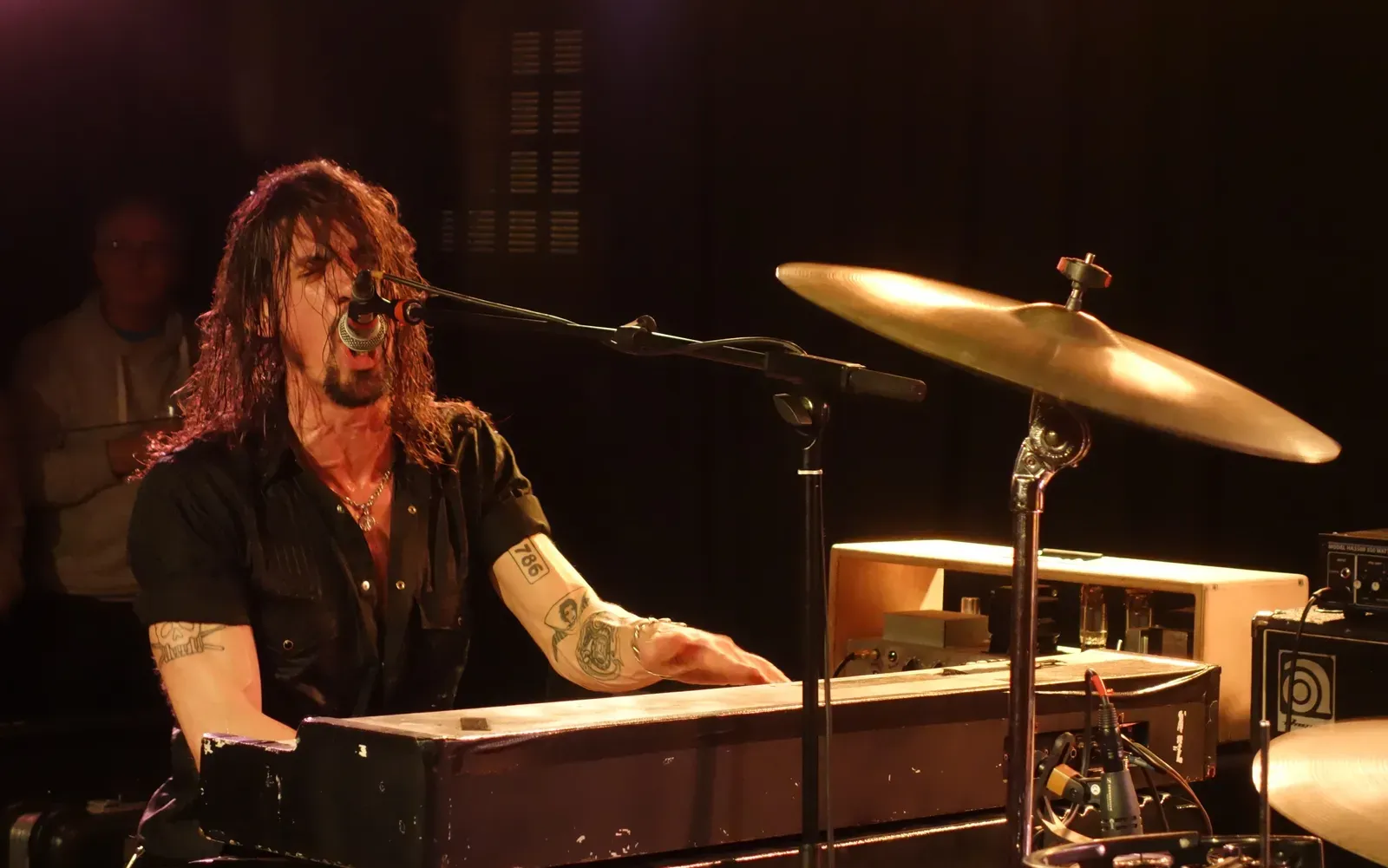
Nicky Hopkins was a classically trained English pianist who somehow developed a feel for rock and roll that outdid most of the guitarists he played alongside. He performed on nearly every Rolling Stones album from 1967 to 1981, was a founding member of the Jeff Beck Group, and played on solo albums by all four Beatles. That last part is worth sitting with: John, Paul, George, and Ringo each brought him into the studio separately after the band split up.
His most recognizable moment might be the piano solo that cuts through the middle of the Beatles’ “Revolution,” a part so distinctive that fans who’ve never heard his name have almost certainly hummed it. He played on hundreds of singles and albums by a wide range of artists, from David Bowie to Jerry Garcia, Cat Stevens to Jefferson Airplane, and Joe Cocker to Harry Nilsson. Health problems limited his ability to tour for much of his career, which ironically kept him in demand in studios rather than on the road.
Pino Palladino, the bassist who defined decades of pop and soul
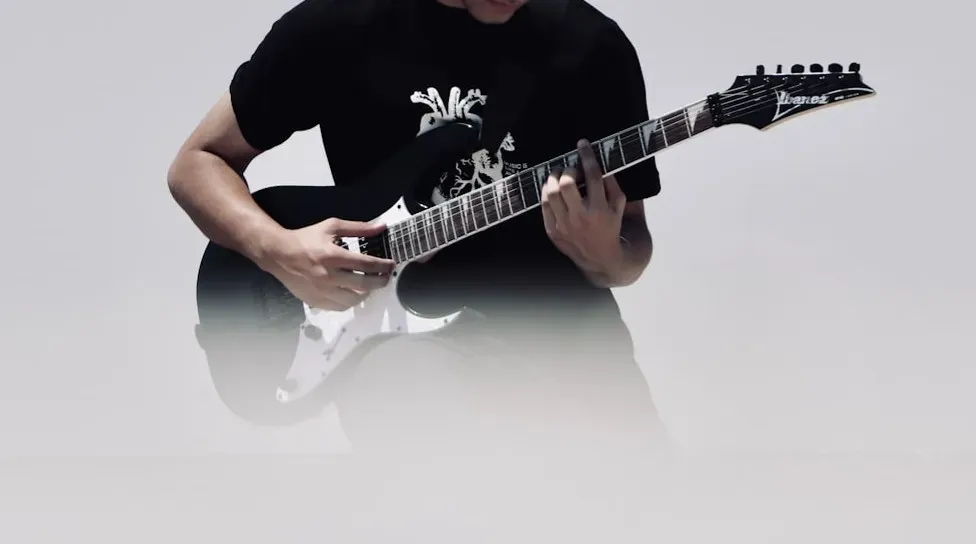
Pino Palladino picked up a fretless bass in his late teens in Wales, and that unfretted, sliding tone became his calling card for the next forty years. A Welsh-born bassist of Italian ancestry, he has become one of the most prolific and sought-after session bassists across genres, with credits appearing on more than 600 recordings. His playing on Paul Young’s cover of “Wherever I Lay My Hat” turned that fretless sound into a defining texture of 1980s pop.
He didn’t stop evolving once the eighties ended. He has played bass for acts including the Who, the John Mayer Trio, Gary Numan, Paul Young, Don Henley, David Gilmour, Go West, Tears for Fears, Nine Inch Nails, Jeff Beck, Adele, and D’Angelo. He also stepped into the Who’s touring lineup after the death of original bassist John Entwistle, and as recently as 2024 he contributed to Beyoncé’s “Cowboy Carter” album, proof that his session career never really slowed down.
Steve Gadd, the drummer whose grooves became genre-defining
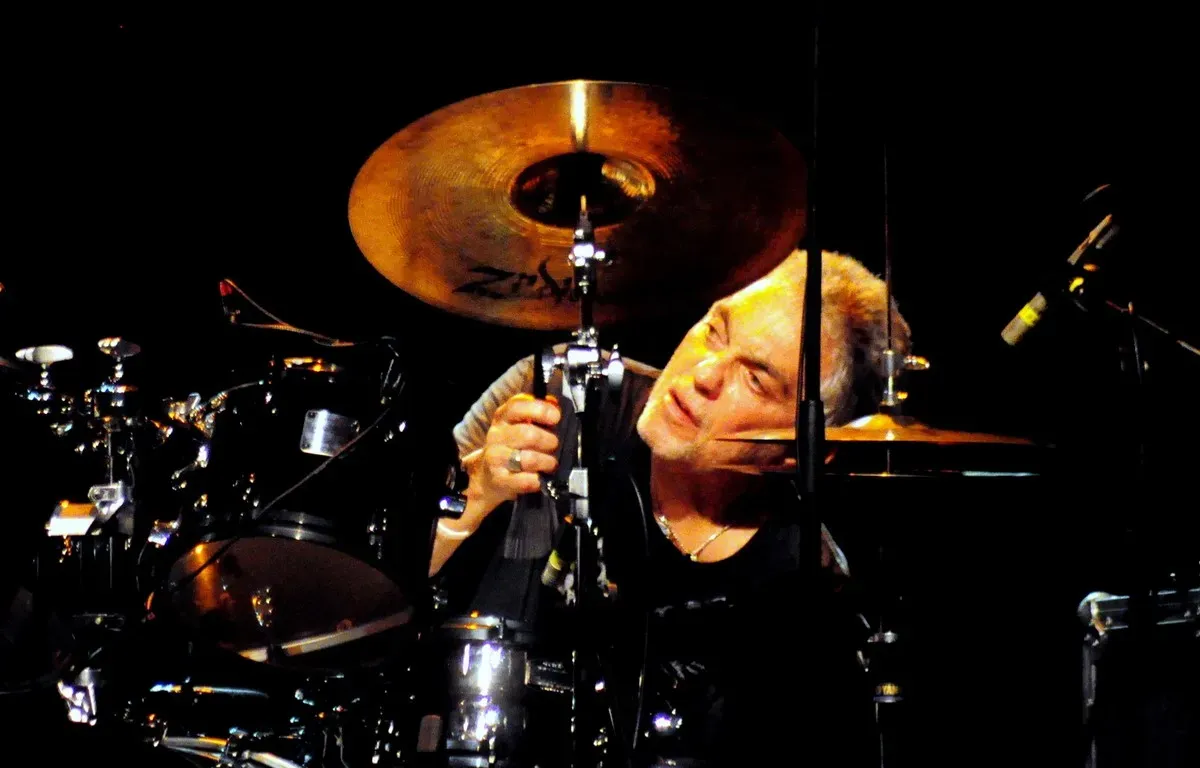
Steve Gadd built a reputation as one of the most inventive session drummers to come out of the 1970s New York studio scene, and his fingerprints turned up everywhere from jazz fusion to mainstream pop. His drum pattern on Paul Simon’s “50 Ways to Leave Your Lover” became so widely studied that it’s still taught in drum lessons decades later, a rare case of a session part becoming a genre unto itself.
Beyond that single track, Gadd’s playing anchored Steely Dan’s “Aja,” one of the most technically demanding drum performances ever committed to a pop record, and he went on to work with artists ranging from Eric Clapton to Chick Corea. What made him valuable wasn’t flash. It was precision, feel, and an uncanny sense of exactly what a song needed and nothing more, the same quiet skill that defines every musician on this list.
These six players never asked for recognition, and most of them never really got it in their own lifetimes, at least not from the general public. Yet their choices, a bassline here, a piano fill there, a drum pattern that somehow became inseparable from the song itself, are baked into the sound of popular music as we know it. The next time a familiar song comes on and something about it just feels right, there’s a decent chance one of these names is the reason why.