There is something almost magical about the idea that some of cinema’s most unforgettable moments were never planned. No carefully drafted sentence, no screenwriter hunched over a desk at midnight, no months of rewrites. Just an actor, a camera, and a flash of instinct that changed everything.
Think about it. Films are among the most meticulously prepared art forms in the world. Every word is supposedly accounted for. Yet some of the greatest speeches ever put on screen arrived from thin air, from real accidents, from sheer nerve. The nine entries below will almost certainly surprise you. Let’s dive in.
1. Roy Batty’s “Tears in Rain” – Blade Runner (1982)
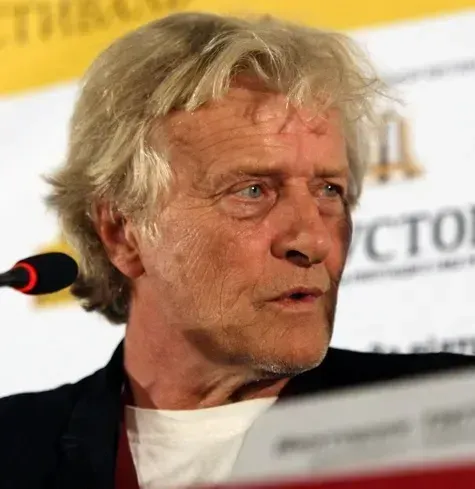
The “Tears in Rain” monologue is a 42-word speech, consisting of the last words of main antagonist Roy Batty, portrayed by Dutch actor Rutger Hauer, in Ridley Scott’s 1982 film Blade Runner, delivered as his character dies during a thunderstorm. Honestly, it might be the most beautiful death speech in the history of science fiction. What makes it even more extraordinary is its origin story.
Hauer cut down the majority of the original dialogue while keeping the tone of the speech intact, feeling the scripted version was “overwritten.” He then added the final line, “All those moments will be lost in time, like tears in rain… Time to die.” Hauer’s version of the monologue brought crew members to tears by the time cameras cut, while others applauded the actor’s emotional performance. Few improvised moments in cinema history have produced that kind of immediate, visceral reaction on a film set.
2. Travis Bickle’s Mirror Speech – Taxi Driver (1976)
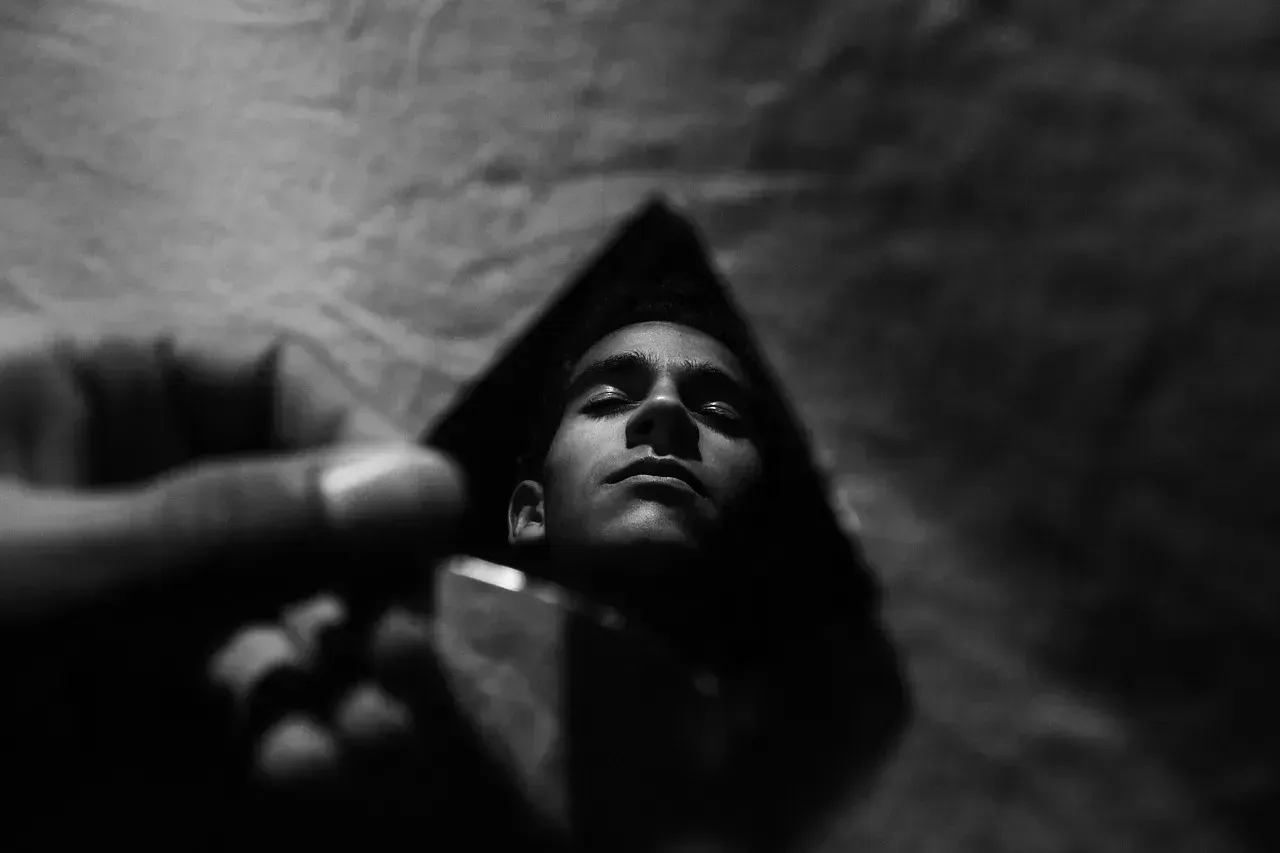
The only note screenwriter Paul Schrader wrote was that Bickle “looks in the mirror and plays like a cowboy, pulls out his gun, talks to himself.” Ultimately, Scorsese and De Niro had to figure out what to do, so with the rest of the crew off-set and the two workshopping, the line practically emerged out of thin air. That’s a staggering level of creative freedom to give an actor in the middle of a major film production.
Every single thing that Travis Bickle says during his insane conversation with himself in the mirror was improvised by De Niro. The resulting line, “You talkin’ to me?” is now probably the most famous line of dialogue most people associate with the actor and his legendary career. It’s a monologue born of nothing but instinct, and it became one of the defining moments of 1970s American cinema.
3. Colonel Kurtz’s “Horror” Speech – Apocalypse Now (1979)
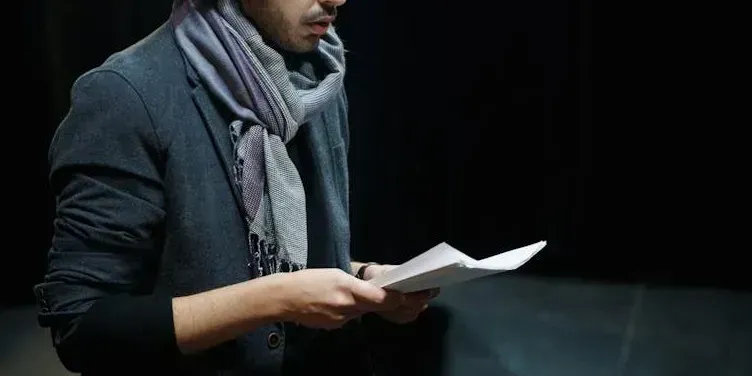
Since Brando couldn’t memorize a single line, yet gave an immortal performance, Coppola recorded Brando improvising for five days, typed up Brando’s insightful ramblings along with snatches of Heart of Darkness, put the lines on tape and gave the actor an earphone, so he could press a button and recite what he heard. This is about as unconventional a filmmaking process as you can imagine. The whole situation was a controlled form of creative chaos.
For the crucial scenes where Willard confronts and kills Kurtz, Brando invented his own lines. Eventually, having put his heart and soul into the interpretation, Brando dried, telling Coppola, “Francis, I’ve gone as far as I can go.” It wasn’t necessary, as brilliant editing cut 18 minutes of rambling down to two. The result is one of the most chilling performances in film history, born almost entirely out of raw improvisation.
4. Gunnery Sergeant Hartman’s Tirade – Full Metal Jacket (1987)
R. Lee Ermey was not originally intended to be in Full Metal Jacket. He was hired as a technical advisor for the actor who was to play the drill instructor, but he did such a good job that Ermey himself was hired for the part. It’s the kind of casting accident that could only happen in Hollywood. Ermey walked in as a consultant and walked out as one of the most terrifying characters in war film history.
A lot of Gunnery Sergeant Hartman’s foul-mouthed drill sergeant act was ad-libbed by Ermey, drawing on his real drill-instructor background in the Marine Corps. According to IndieWire, Ermey was given free rein to improvise his profane insults to the cadets during the military training scenes. About half of Ermey’s dialogue was ad-libbed, which was rather uncommon for the film’s meticulous director, Stanley Kubrick. That kind of exception from Kubrick, of all directors, speaks volumes.
5. The Blair Witch Apology – The Blair Witch Project (1999)
Heather Donahue’s monologue, as she clutches a camera in the dark and apologizes to her parents, is perhaps the most iconic moment of The Blair Witch Project. The low-budget indie horror film would go on to influence and inspire countless other films. It’s the kind of raw, stripped-back performance that no amount of scripted dialogue could have manufactured. The terror feels completely real because it largely was.
Donahue’s voice and close-up footage of her face was also used in the film’s famed marketing campaign, and her largely improvised words were what drew people to the theaters in droves. The improvised dialogue made the film’s found-footage style more convincing, and the gambit was particularly fitting considering that the movie’s chills and thrills drew almost entirely on the audience’s imagination. It is hard to imagine the found-footage genre existing in its current form without that unscripted, trembling moment.
6. Tommy DeVito’s “Funny How?” – Goodfellas (1990)
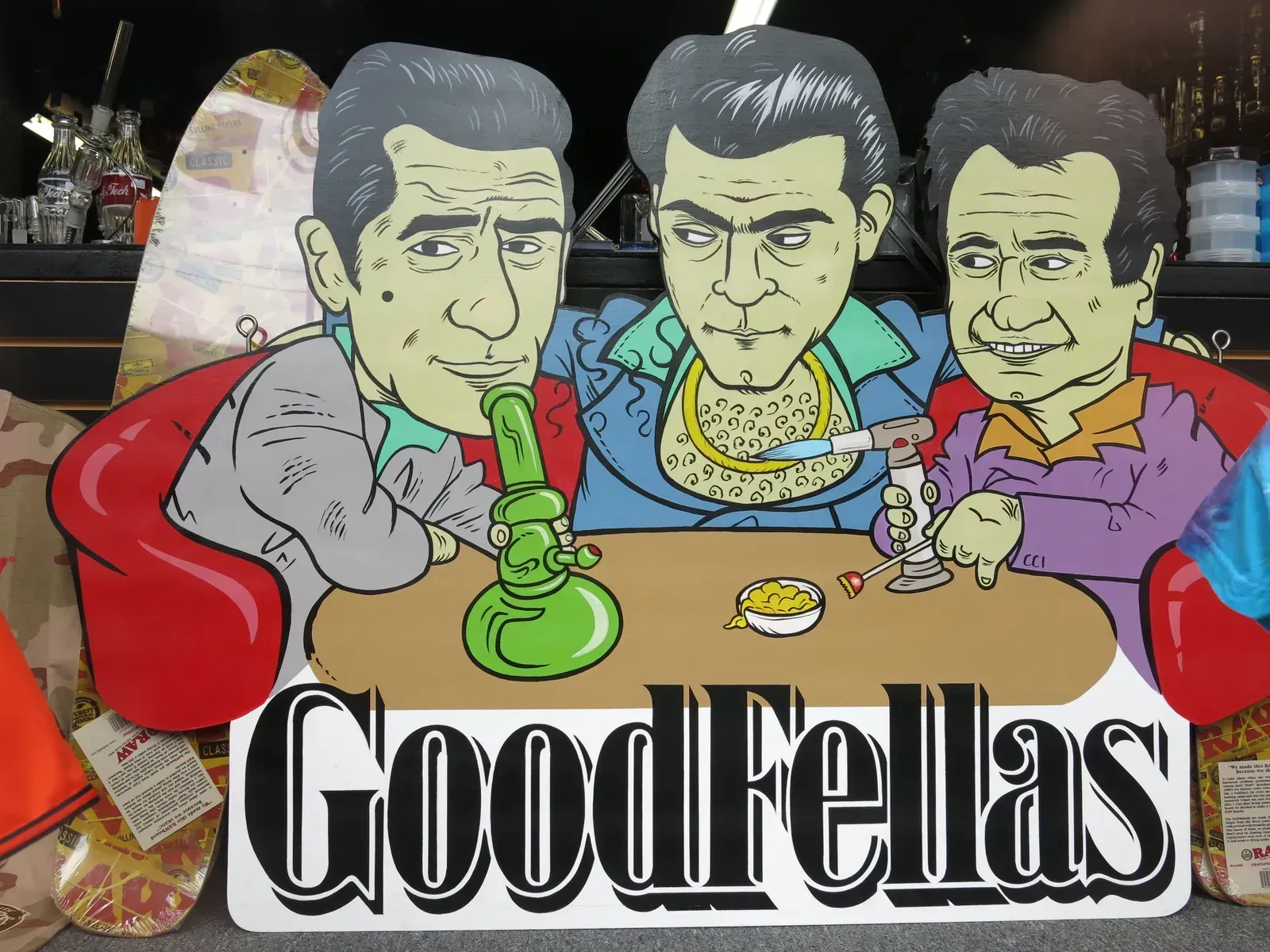
One of Goodfellas’ most iconic scenes was improvised by Joe Pesci when his character Tommy was at a restaurant and reacted to Liotta’s character calling him funny. What starts as a casual compliment escalates as Tommy asks: “Funny how? Like I’m a clown? I amuse you?” The iconic and somehow terrifying scene was not in the script, but instead a product of Pesci’s imagination, with the other actors reacting genuinely to his performance.
Pesci’s inspiration came from a real-life incident. He was working as a waiter when he thought he had complimented a mobster by telling him he was funny, but the latter didn’t take it well. That lived experience transformed a dinner scene into something genuinely menacing. The authenticity is palpable because it came from a real place of discomfort. I think that’s what separates this moment from almost any scripted scene about intimidation.
7. Carl Spackler’s “Cinderella Story” – Caddyshack (1980)

In the scene, Murray was simply supposed to be gardening. Instead, he launched into a rambling fantasy about winning the Masters, a “Cinderella story.” According to Business Insider, Murray improvised the entire monologue, making it one of the most beloved moments in sports comedy. The scene was shot in a single take, and director Harold Ramis was so delighted he left it untouched. There is something wonderful about the image of Harold Ramis standing off-camera, just watching Bill Murray go completely off the rails, and deciding not to stop him.
Murray’s improvisation transformed what could have been throwaway filler into a highlight of the film. Fans still quote the monologue today, and it is ranked among the greatest comedic improvisations ever filmed. Let’s be real – this is a scene about a groundskeeper pretending to win a golf tournament while mowing a lawn. It should not work. It absolutely works. That is the sheer force of Bill Murray doing exactly what he wants.
8. “Here’s Johnny!” – The Shining (1980)
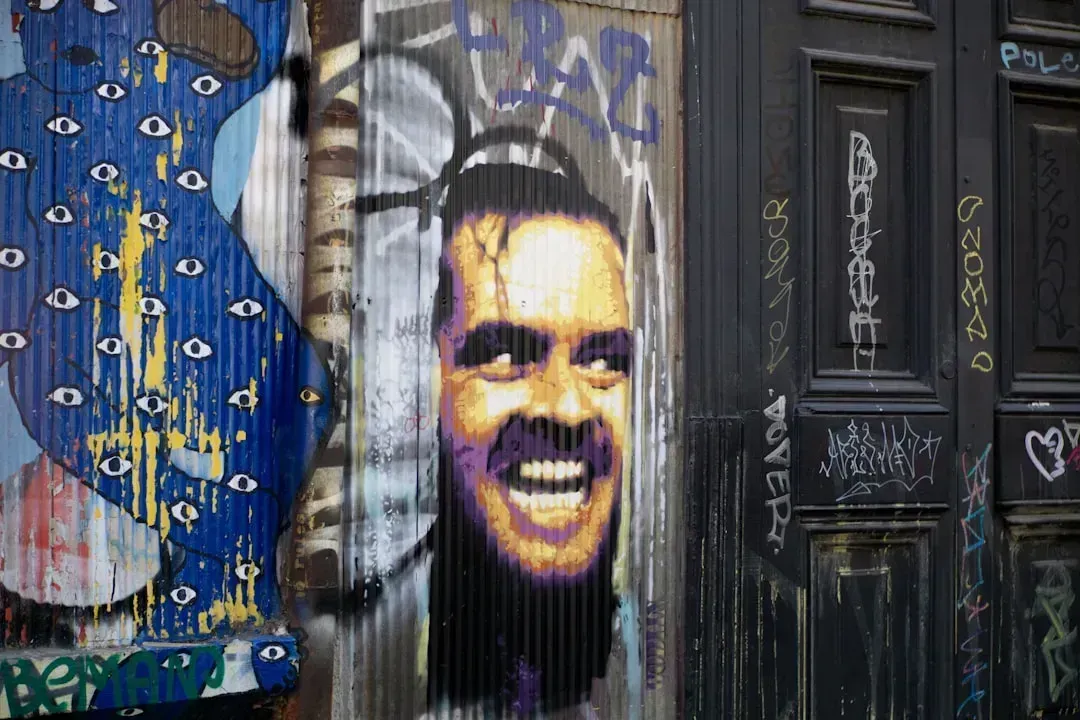
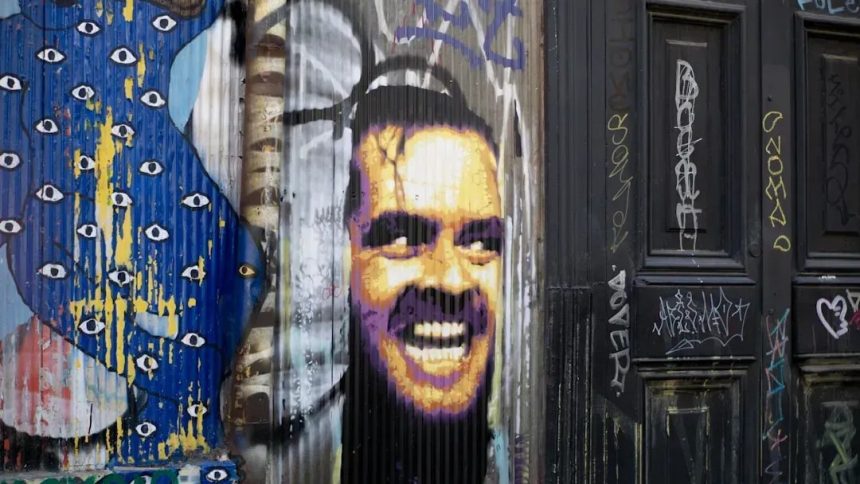
That legendary moment in The Shining where Jack Nicholson peers through a shattered hole, grinning like a psychopath, was improvised by Nicholson on the day, with “Here’s Johnny!” much to director Stanley Kubrick’s confusion, as he had never seen Johnny Carson’s “The Tonight Show.” That detail alone is almost too perfect. One of the most chilling unscripted moments in horror history confused its own director because he didn’t know the cultural reference. It didn’t matter.
Even if you haven’t seen this 1980 horror classic, you’ve probably seen an image of Jack Nicholson flashing an unhinged smile from the other side of a door frame. In the movie, he’s screaming “Here’s Johnny” at this moment, in an improvised reference to TV host Johnny Carson. The line bursts from the scene like a punch to the chest. Kubrick, that notorious perfectionist, eventually loved it enough to keep it. It’s now arguably more famous than the novel it was adapted from.
9. “I’m Walkin’ Here!” – Midnight Cowboy (1969)
Dustin Hoffman and Jon Voight were nearly hit by a taxi while crossing a New York street for a Midnight Cowboy scene. Never breaking character, Hoffman slammed the hood of the car and shouted “I’m walkin’ here!” It was a spontaneous moment, and his genuine outburst captured the city’s raw energy, making the line one of the most iconic and quoted in film history.
Hoffman has said that while he uttered those iconic words, what he really wanted to say was “Hey, we’re makin’ a movie here!” but method acting was his game, so he stayed in character the entire time. There is something almost absurdly perfect about that. One of cinema’s most spontaneous moments was also, in its own way, a deeply committed piece of acting. It is a reminder that sometimes the best thing a film set can do is get out of an actor’s way.
What these nine moments share is something no scriptwriting manual can teach. They are proof that the gap between preparation and instinct, between the written word and the living human moment, is sometimes where the magic actually lives. Which one surprised you the most?