A book’s title is often the first thing that grabs you, and sometimes the last thing anyone agrees on. Behind many of literature’s most iconic names lies a surprisingly messy story of second-guessing, editorial pressure, and near-misses that could have sent entire careers in a different direction.
The titles we now consider inseparable from their books were, in many cases, rescued from genuinely bad alternatives at the very last moment. Some authors were pushed by publishers. Others changed their minds solo. A few were simply wrong about what their own book should be called. These nine cases show just how close some classics came to arriving in the world under a completely different name.
1. The Great Gatsby – Originally “Trimalchio in West Egg” (and Many Others)

After considering over a hundred possible titles for his 1925 masterpiece, Fitzgerald finally settled on The Great Gatsby, but only after discarding his original pick, Trimalchio in West Egg. The reference to an ancient Roman party host was meant to mirror Gatsby’s decadence, but it was far too obscure for a general audience. Other titles he considered included Incident at West Egg, Among the Ash Heaps and Millionaires, On the Road to West Egg, Gold-Hatted Gatsby, The High-Bouncing Lover, and Under the Red, White and Blue.
Just weeks before publication, Fitzgerald cabled his publisher “CRAZY ABOUT TITLE UNDER THE RED WHITE AND BLUE” – but he was talked out of it. He never fully made peace with the final choice. Fitzgerald considered The Great Gatsby to be a weak title, feeling it offered no evidence, even ironically, of Gatsby’s greatness or lack of it.
2. 1984 – Originally “The Last Man in Europe”
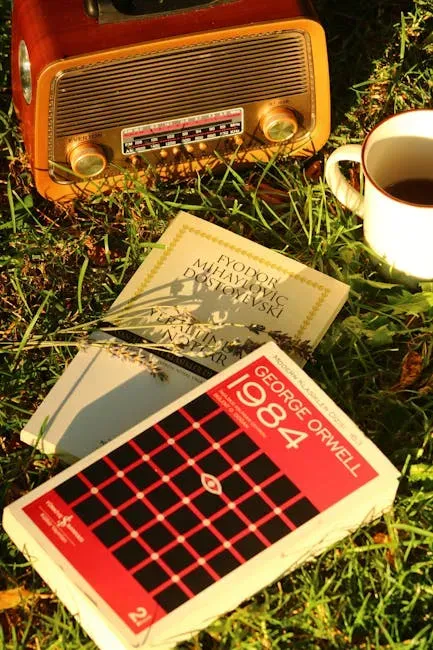
Up until a few months before publication, Orwell was going to call his novel about a future dystopian totalitarian state The Last Man in Europe. At virtually the last minute, Orwell’s publishers asked him to come up with something more commercial. The working title had a bleak, almost accidental poetry to it, but it lacked urgency. His solution was the blunt, ominous far-off futuristic year in which the scary book took place: 1984.
It’s also worth noting that 1984 happens to have the last two digits of 1948, the year Orwell completed his novel. Whether that inversion was deliberate or coincidental has been debated for decades. Either way, the publisher’s instinct proved correct, and the number became one of the most loaded titles in all of literature.
3. To Kill a Mockingbird – Originally “Go Set a Watchman,” Then “Atticus”
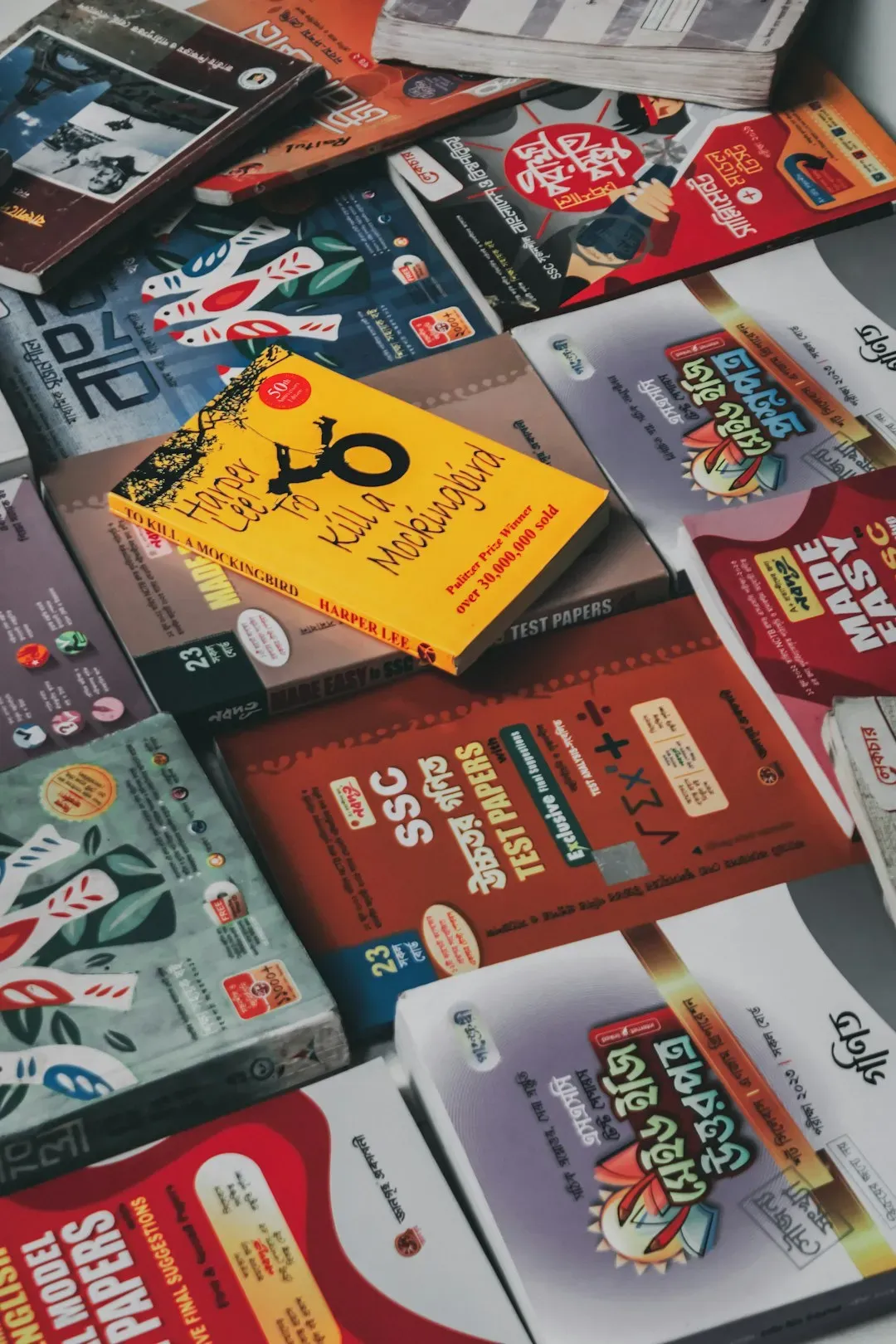
To Kill a Mockingbird was titled Go Set a Watchman when Harper Lee first submitted it to her publishers. She then changed the title to Atticus before deciding that the title focused too narrowly on one character. The final novel was substantially different from her first draft, and Go Set a Watchman was eventually published when Lee was 89 years old.
This beloved classic was simply called Atticus until the author apparently decided that the title was too character-focused. The shift to To Kill a Mockingbird broadened the emotional scope considerably, and the symbolic weight of that final title is hard to overstate. What’s remarkable is that the earlier draft, once thought lost, actually made it to shelves decades later under that original rejected name.
4. Of Mice and Men – Originally “Something That Happened”
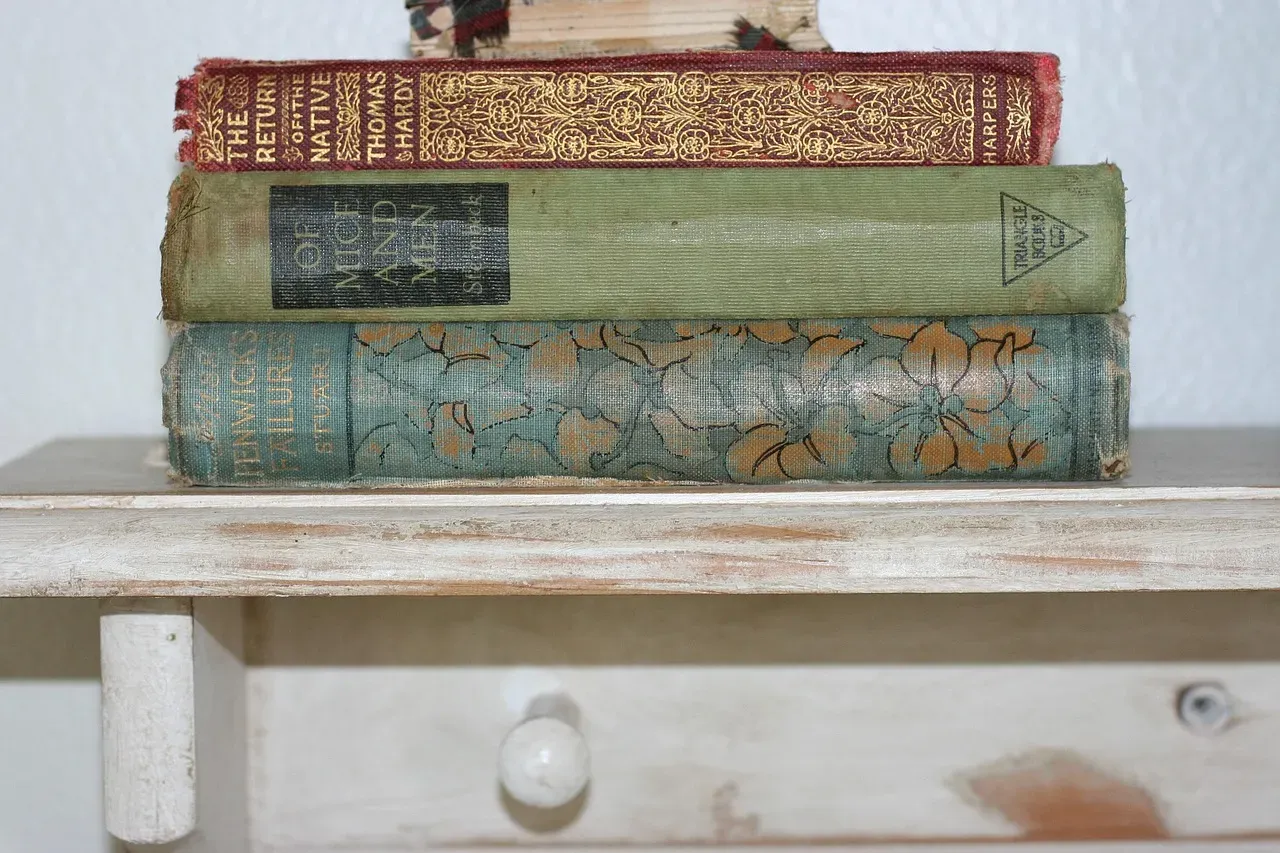
Before it became Of Mice and Men, Steinbeck’s tragic tale of friendship and dreams was called Something That Happened. It’s a title that communicates almost nothing, which was arguably the point. Steinbeck reportedly wanted to make sure that the novel didn’t judge the characters one way or the other for the book’s violent conclusion, and he tried to express that by going full objective journalism for the title. He changed his mind when he found words that said the same thing, that humans are victims of fate, only more poetically.
Steinbeck took inspiration from Robert Burns’ poem “To a Mouse,” giving us a title that hints at the inevitable destruction of best-laid plans. The shift from a flat, journalistic working title to a line drawn from a Scottish poem is one of the more dramatic tonal pivots in publishing history. It’s a reminder that sometimes the right title comes not from inside the manuscript at all, but from somewhere else entirely.
5. War and Peace – Originally “All’s Well That Ends Well”
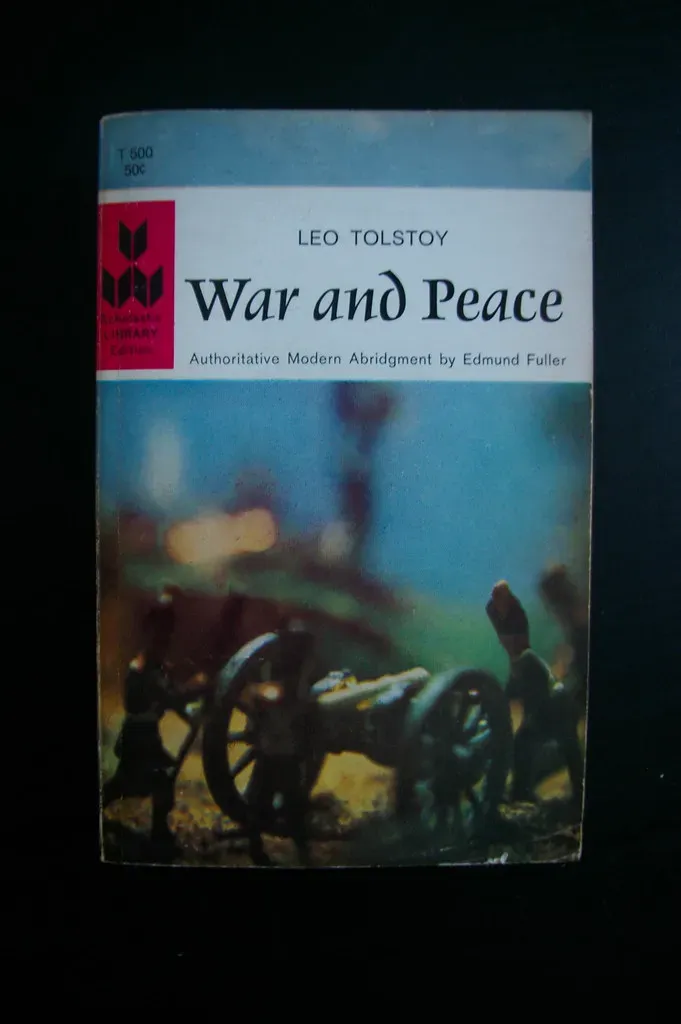
Prior to settling on War and Peace for the title of his epic novel, Leo Tolstoy was playing around with the title All’s Well That Ends Well. That working title was set just after the Crimean War, in which Tolstoy had fought during the 1850s. But Tolstoy decided he couldn’t just start there. If he was going to talk about the Crimean War, he had to explain the Decemberist revolt of 1825, so he started again, with the working title The Decemberists.
Partner offer
Then he backtracked even further, to the French invasion of Russia in 1812, though he couldn’t very well talk about Napoleon without talking about his 1805 campaigns. The novel kept expanding, and the breezy Shakespearean title simply couldn’t contain what it became. War and Peace, as a title, does something All’s Well That Ends Well never could: it tells you, plainly, what the whole thing is about.
6. Catch-22 – Originally “Catch-18,” Then “Catch-11”

Author Joseph Heller wanted to name his story Catch-18, but Leon Uris’s novel Mila 18, released the previous year, made editor Robert Gottlieb want to change the title. He and Heller looked into Catch-11, but because the original Ocean’s Eleven movie was newly in theaters, it was scrapped to avoid confusion. After toying with other numbers, his editor decided on 22.
The reasoning was that 22 is simply 11 doubled. It’s a wonderfully arbitrary origin story for a phrase that has since entered everyday language as a shorthand for inescapable paradox. The number itself carries no inherent meaning within the novel, which is, in a way, perfectly fitting. The title changed for logistical reasons, not artistic ones, and the world got an idiom out of it.
7. Dracula – Originally “The Dead Un-Dead”
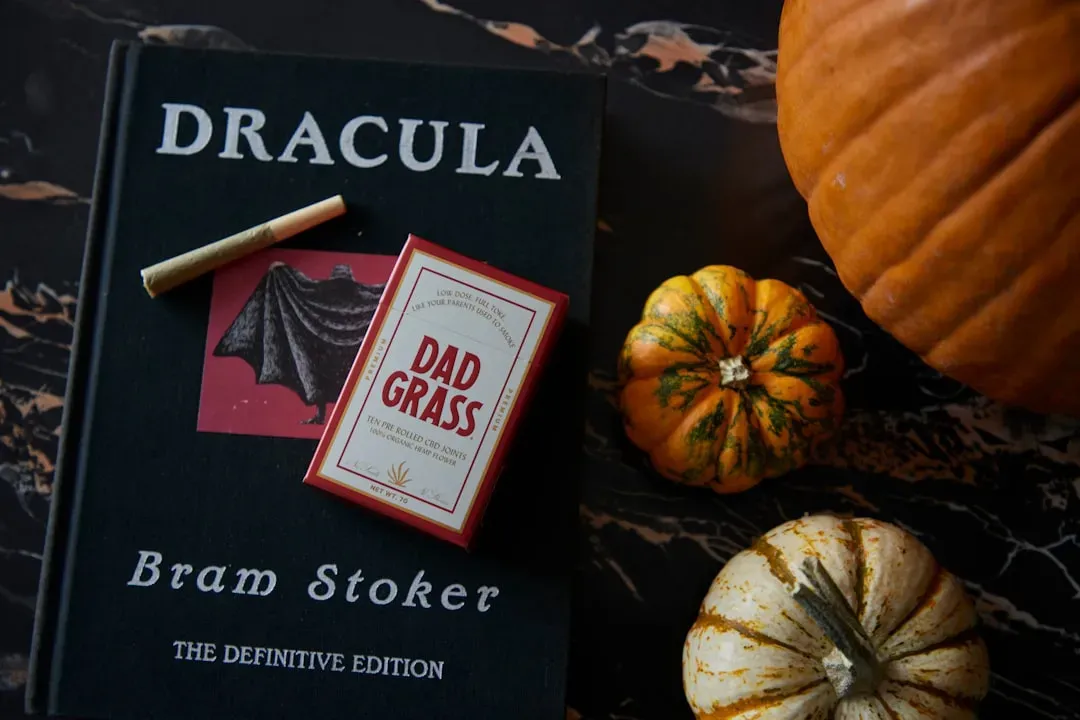
The working title of Bram Stoker’s famous Gothic novel sounded more like a spoof: he changed The Dead Un-Dead to The Undead before he landed on Dracula. The phrase is technically descriptive of vampires, but it’s clumsy in a way that would have undercut the novel’s sense of dread. Dracula is the most infamous vampire name by far, but the character’s name was originally going to be Count Wampyr – until Bram Stoker came across the story of Vlad II of Wallachia and the surname of his descendants, “Dracul,” while doing some research.
The discovery of that historical name did double duty: it gave the character an identity and the novel its final title at the same time. There’s something almost fitting about the process. A book about a creature who reinvents himself through centuries of legend found its own identity through a buried piece of Eastern European history. The Dead Un-Dead would have been forgotten. Dracula was not.
8. Pride and Prejudice – Originally “First Impressions”
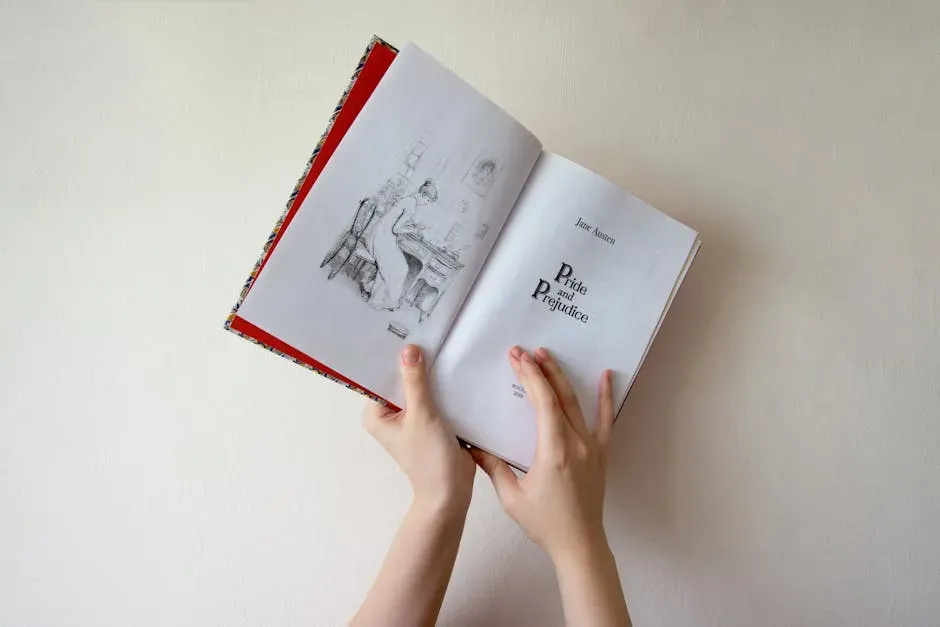
Jane Austen’s father submitted an early version of the manuscript to a publisher under the title First Impressions, but the publisher rejected it. She later added revisions to the text along with a title change, and the rest is literary history. An apt precursor to the title Austen finally decided on was First Impressions, and it’s been proposed that a name change was also needed because Margaret Holford had published a novel called First Impressions; or the Portrait.
First Impressions is a perfectly serviceable title and, honestly, not a bad one. It captures one of the novel’s core themes. Still, Pride and Prejudice works on a deeper level, naming the two forces that nearly destroy the central relationship rather than describing the mechanism by which they meet. The revision to both title and manuscript turned a rejected submission into one of the most read novels ever written in English.
9. Atlas Shrugged – Originally “The Strike”
Ayn Rand referred to her magnum opus as The Strike for quite some time. In 1956, a year before the book was released, she decided the title gave away too much plot detail. Her husband suggested Atlas Shrugged, then a chapter title, and it stuck. The central conceit of the novel, that society’s productive class withdraws from the world, is precisely what The Strike would have announced on the cover. Keeping it secret gave the story some of its momentum.
It took Ayn Rand 12 years to write her most famous work, but she changed her mind about the title just one year before it was released. That the final title came from a chapter heading inside the manuscript is a common enough origin story, but the timing makes it notable. After more than a decade of work, the name that would define the book’s entire cultural legacy arrived almost as an afterthought, suggested over what was presumably a very ordinary conversation at home.
Titles carry more weight than most readers realize. They’re the product of months of debate, last-minute cables to publishers, arguments between authors and editors, and occasional creative accidents. The books above are now inseparable from their final names, but each one came within a revision or two of being introduced to the world as something else entirely. It’s a quiet reminder that even the most iconic works of literature were once unfinished, uncertain, and still searching for the right word.
Partner offer
Planning a trip to Vegas?
Compare hotel rates and show tickets on VEGAS.com.