Picture this: A packed arena in Las Vegas, lights flashing, crowd roaring. But the athletes aren’t throwing punches or racing cars. They’re sitting at computers, clicking mice, and strategizing their next digital move. Welcome to the bizarre new era of competitive entertainment, where chess grandmasters duke it out in boxing rings, gamers become millionaires, and the definition of “sport” gets turned completely upside down.
The world of competitive events is morphing into something our grandparents wouldn’t recognize. Traditional sports still have their place, but a wave of unconventional competitions is crashing onto the scene, demanding attention and raking in serious cash. Las Vegas, always hungry for the next big spectacle, is positioned right at the heart of this revolution. These aren’t your typical athletic showdowns, and honestly, that’s what makes them so captivating.
Chess Boxing: When Brains Meet Brawn

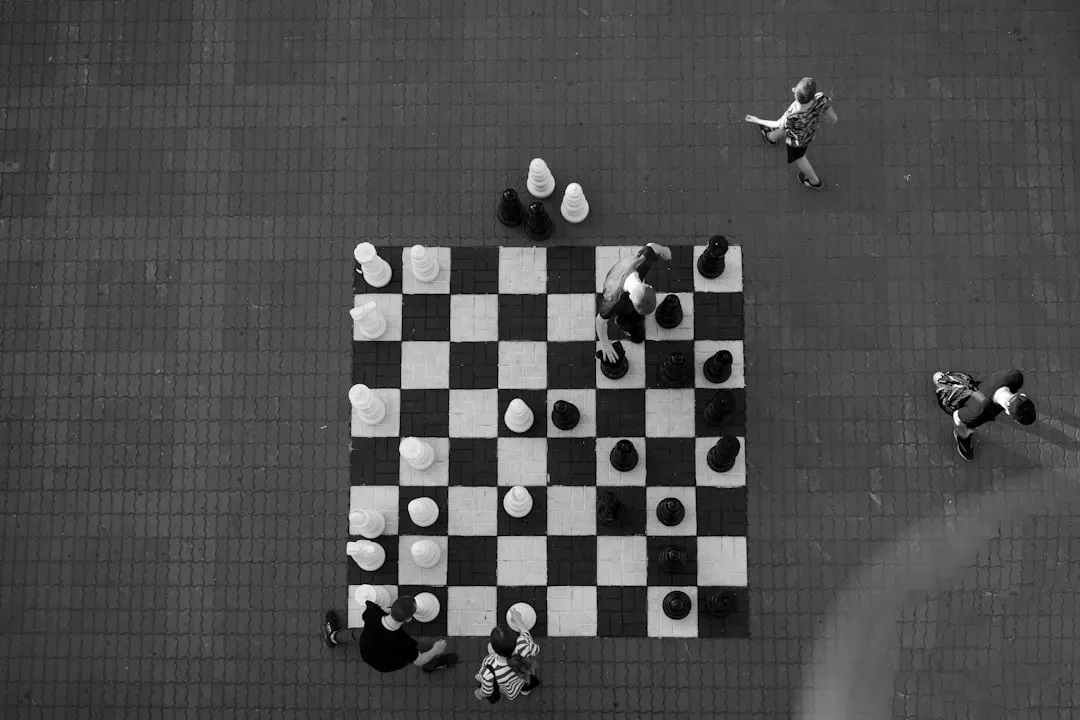
Chess boxing is exactly what it sounds like, and yes, it’s as wild as you’re imagining. Competitors alternate between rounds of speed chess and actual boxing, testing both mental prowess and physical endurance. One minute you’re calculating a knight fork, the next you’re dodging a right hook to the jaw. Victory comes either through checkmate or knockout, whichever arrives first.
The sport originated in the early 2000s, inspired by a French comic book, and has steadily gained traction in Europe and Asia. Now it’s eyeing the American market, and Las Vegas casinos are taking notice. The format is brutal in its simplicity: eleven alternating rounds, four minutes of chess followed by three minutes of boxing. Your brain has to stay sharp while your body takes a beating.
What makes chess boxing fascinating is the mental warfare involved. Imagine trying to solve complex strategic puzzles while recovering from a punch to the face. Some fighters deliberately aim to rattle their opponents physically, hoping it’ll cloud their judgment during the chess rounds. It’s part psych game, part endurance test, part intellectual duel.
Vegas could be the perfect home for this hybrid madness. The city already hosts everything from poker tournaments to MMA fights. Chess boxing sits right in that sweet spot between cerebral competition and raw physicality, offering something genuinely different for entertainment-hungry crowds.
The eSports Explosion: Gaming Goes Mainstream


Let’s be real, eSports has already exploded. The days of dismissing competitive gaming as kids playing in basements are long gone. Major tournaments now fill stadiums, with prize pools reaching tens of millions of dollars. Games like League of Legends, Dota 2, and Counter-Strike have transformed into global phenomena, complete with professional teams, corporate sponsors, and dedicated fanbases.
Las Vegas has jumped into the eSports arena with both feet. The city hosts multiple major tournaments throughout the year, with venues specifically designed for gaming competitions. The HyperX Esports Arena at Luxor and the Allied Esports Arena at Luxor were purpose-built for this new generation of athletes. These aren’t makeshift setups, they’re state-of-the-art facilities with broadcast capabilities rivaling traditional sports venues.
What’s surprising is the demographic reach. Sure, younger audiences dominate, but eSports viewership spans age groups in ways traditional sports struggle to match. The global accessibility of online gaming creates communities that transcend geographic boundaries. A kid in Seoul can compete against someone in Stockholm, and both might end up at a Vegas tournament facing off for serious money.
The betting industry has taken notice too. Sportsbooks in Vegas now offer odds on major eSports events, treating them with the same seriousness as football or basketball games. It’s a natural evolution for a city built on wagering, and the numbers suggest this trend will only accelerate.
Competitive Eating: Gluttony as Spectacle


Watching people consume absurd quantities of food might seem lowbrow, but competitive eating has carved out a surprisingly robust niche. Nathan’s Famous Hot Dog Eating Contest draws millions of viewers annually, and top competitors become household names. Joey Chestnut, the sport’s biggest star, has achieved genuine celebrity status through his ability to inhale hot dogs at superhuman speeds.
Las Vegas hosts numerous eating competitions throughout the year, from wing-eating contests to pizza challenges. These events pack restaurants and entertainment venues, with spectators genuinely invested in watching competitors push their bodies to uncomfortable limits. There’s something primal about the spectacle, a return to excess that fits Vegas’s anything-goes reputation.
The training regimens are surprisingly intense. Professional eaters don’t just show up and gorge themselves. They practice jaw strength, stomach expansion, and swallowing techniques. Some drink gallons of water to stretch their stomachs. It’s weirdly athletic in its own right, requiring dedication and physical preparation most people wouldn’t associate with eating.
Critics argue it glorifies unhealthy behavior, and they’re not entirely wrong. But the events continue drawing crowds and sponsors, suggesting audiences don’t mind the controversy. In a city where excess is practically the official motto, competitive eating feels oddly at home.
Drone Racing: The Need for Speed Goes Airborne

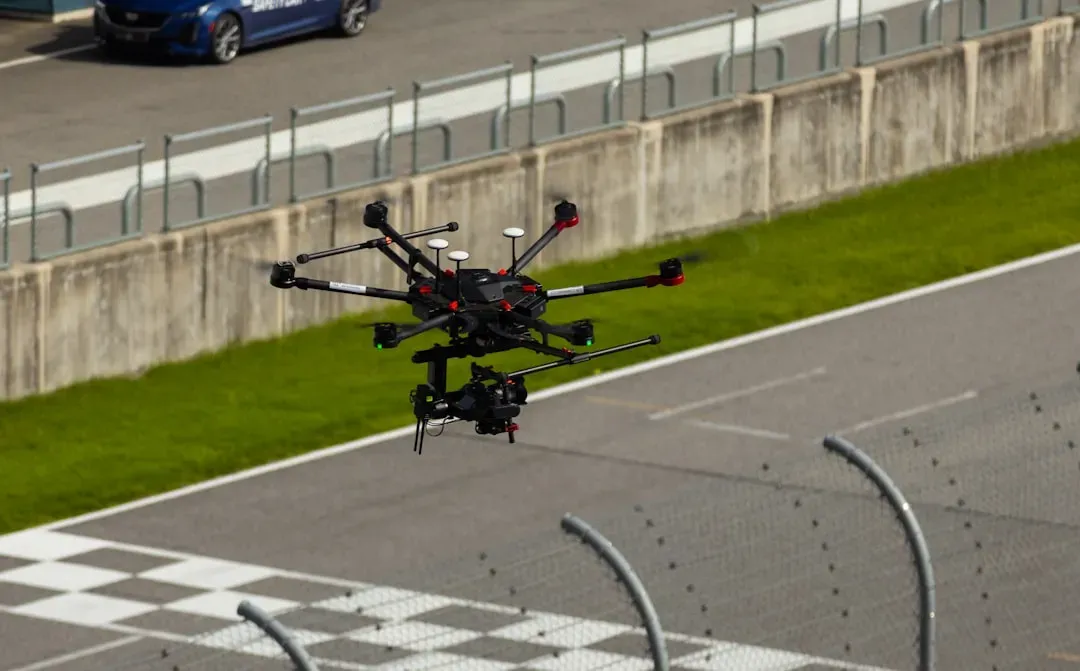
Drone racing feels like something ripped from a sci-fi movie. Pilots wearing FPV goggles navigate tiny aircraft through complex obstacle courses at speeds exceeding 100 miles per hour. The experience is visceral, part video game, part real-world racing, entirely adrenaline-fueled. Crashes happen constantly, with drones exploding into pieces against barriers while pilots immediately prep their backup units.
The Drone Racing League has established itself as the premier organization, hosting events in major venues worldwide. Las Vegas has welcomed the sport enthusiastically, with races held in dramatic locations that showcase both the technology and the city’s flair for spectacle. Watching first-person footage while simultaneous screens show external views creates an immersive experience unlike traditional racing.
What’s interesting is how quickly the technology evolves. Drones become faster, more agile, more responsive with each passing season. The pilots themselves are often young, tech-savvy individuals who grew up with gaming controllers in hand. Their reflexes and spatial awareness translate surprisingly well to controlling real-world flying machines.
The sport attracts significant investment from tech companies eager to showcase their products. Corporate sponsorships flow freely, and prize purses continue growing. For a competition that barely existed a decade ago, drone racing has achieved remarkable legitimacy and commercial success.
Rock Paper Scissors: Childish Game Turned Serious Business


Yes, people compete professionally in rock paper scissors. The World RPS Society hosts international championships with actual prize money and surprisingly intense competition. What seems like pure chance actually involves psychological warfare, pattern recognition, and strategic thinking. Top players study opponents’ tendencies, looking for unconscious tells and habitual throws.
Las Vegas has hosted RPS tournaments that draw competitors from around the globe. The events lean into the absurdity, embracing the ridiculous nature of adults taking a children’s game this seriously. But beneath the humor lies genuine competition, with players employing strategies refined through countless matches.
The simplicity is part of the appeal. Anyone can play rock paper scissors, making it instantly accessible to audiences. No expensive equipment, no years of training required, just you, your opponent, and split-second decision-making. That democratic quality gives it a charm lacking in more exclusive competitions.
It’s hard to predict rock paper scissors achieving mainstream status, but its continued existence proves there’s an audience for even the most unconventional competitions. In Vegas, where weirdness is currency, that’s more than enough.
Slap Fighting: Brutal Simplicity


Slap fighting might be the purest form of competitive violence. Two opponents stand across from each other and take turns slapping each other’s faces as hard as possible. Last person standing wins. There’s no defense, no blocking, just absorbing punishment until someone drops or quits. It’s barbaric, ridiculous, and somehow compelling to watch.
The sport gained viral attention through Dana White’s Power Slap League, which brought production value and legitimacy to what was previously backyard entertainment. Las Vegas naturally became the hub, with events held in casinos and broadcast to growing audiences. The simplicity is the selling point, no complex rules or scoring systems, just raw impact and human endurance.
Critics rightfully question the safety and long-term health effects. Repeated head trauma carries serious risks, and slap fighting doesn’t pretend otherwise. But participants sign up willingly, prize money provides incentive, and audiences keep watching. Whether it has staying power or fades as a bizarre fad remains uncertain.
There’s something uncomfortably honest about slap fighting. It strips competition down to its most primal element: who can withstand more pain? In a city built on taking risks and testing limits, that brutal honesty resonates in unexpected ways.
Virtual Reality Combat: Fighting in Digital Realms
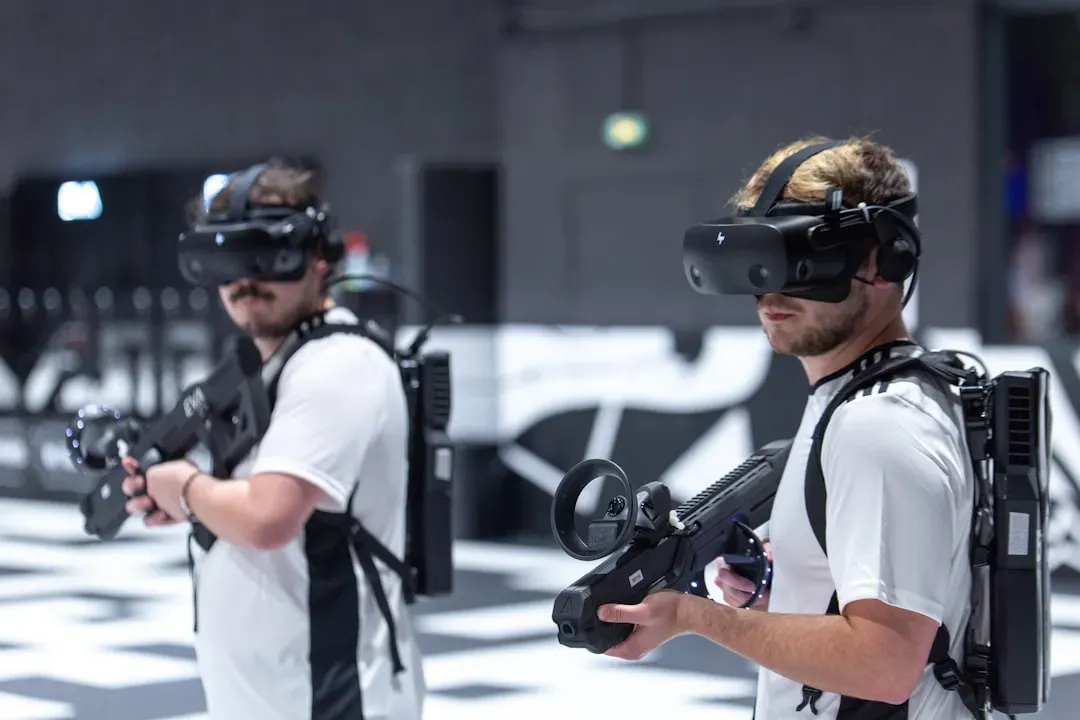
Virtual reality has opened entirely new competitive possibilities. VR combat games let participants physically move, dodge, and strike while immersed in digital environments. The experience bridges gaming and traditional sports, requiring actual physical exertion while competing in fantastical settings impossible in the real world.
Las Vegas entertainment venues have begun incorporating VR experiences, with some hosting competitive events. Players don headsets and enter arenas where they battle using motion controllers, their movements translated into in-game actions. The physical demands are real, participants work up genuine sweat while competing, but the setting is entirely virtual.
What’s fascinating is how VR removes physical limitations. Size, strength, and traditional athletic advantages matter less when everyone’s competing through digital avatars. Success depends more on reflexes, strategy, and spatial awareness than raw physicality. This levels the playing field in ways traditional sports never could.
The technology continues improving rapidly. As VR becomes more sophisticated and accessible, competitive applications will likely expand. Vegas, always eager to adopt cutting-edge entertainment, seems poised to remain at the forefront of this evolution.
Extreme Ironing: Adventure Meets Domesticity


Extreme ironing combines outdoor adventure with household chores in the most absurd way possible. Participants take ironing boards to remote, dangerous, or unusual locations, then iron clothes while documenting the experience. People have ironed while rock climbing, scuba diving, and parachuting. It’s performance art masquerading as sport, and it’s gloriously weird.
The activity originated as a joke in England but developed into an actual international competition with established rules and judging criteria. Points are awarded for location difficulty, ironing quality, and creative presentation. It satirizes extreme sports while simultaneously embracing their adventurous spirit.
Las Vegas hasn’t hosted major extreme ironing events, but the city’s surrounding landscape offers endless possibilities. Imagine ironing atop Red Rock Canyon or in the middle of the desert, the Strip glowing in the background. The juxtaposition of mundane domestic activity against dramatic settings perfectly captures the sport’s appeal.
Will extreme ironing ever fill arenas? Probably not. But its existence proves that literally anything can become competitive if people are creative and committed enough. In , that mindset opens infinite possibilities.
Final Thoughts

The evolution of competitive events reflects broader cultural shifts toward valuing novelty, accessibility, and authentic expression over traditional prestige. Chess boxing, eSports, slap fighting, and the rest aren’t threatening conventional sports, they’re expanding what competition means. Las Vegas, with its appetite for spectacle and infrastructure for hosting anything, sits perfectly positioned at the center of this transformation.
These unconventional competitions prove that sport is ultimately about human challenge and entertainment. The specific format matters less than the emotional engagement, the drama, and the communal experience of watching people push limits. Whether those limits are physical, mental, or just plain weird becomes secondary to the connection formed between performers and audiences.
So what do you think? Would you pay to watch chess boxing live? Have you caught yourself glued to an eSports tournament? is here, and honestly, it’s more entertaining than anyone expected.