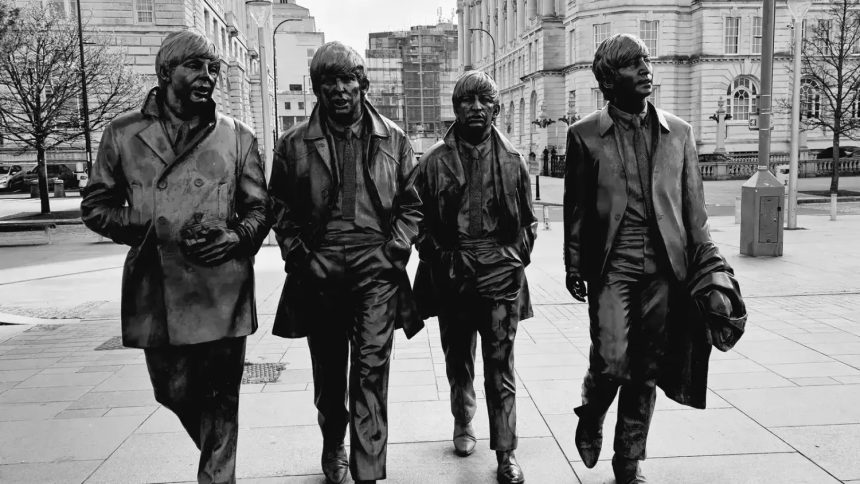
Music and politics have always danced around each other, sometimes awkwardly, sometimes perfectly in step. Every presidency carries its own mood, its own anxiety, its own hope. It’s not a coincidence that the albums people were obsessing over often mirrored exactly what was happening inside the Oval Office. Whether the country was at war, in economic freefall, or riding a wave of optimism, the record store shelves told the full story.
What’s fascinating, honestly, is how cleanly you can map musical history onto presidential history. The connection goes deeper than just shared calendar years. In many cases, the list of hits produced under each presidential era echoes the ongoing national spirit. So let’s walk through ten defining presidential moments and the albums that gave them their soundtrack. Let’s dive in.
John F. Kennedy (1961–1963): “Please Please Me” by The Beatles

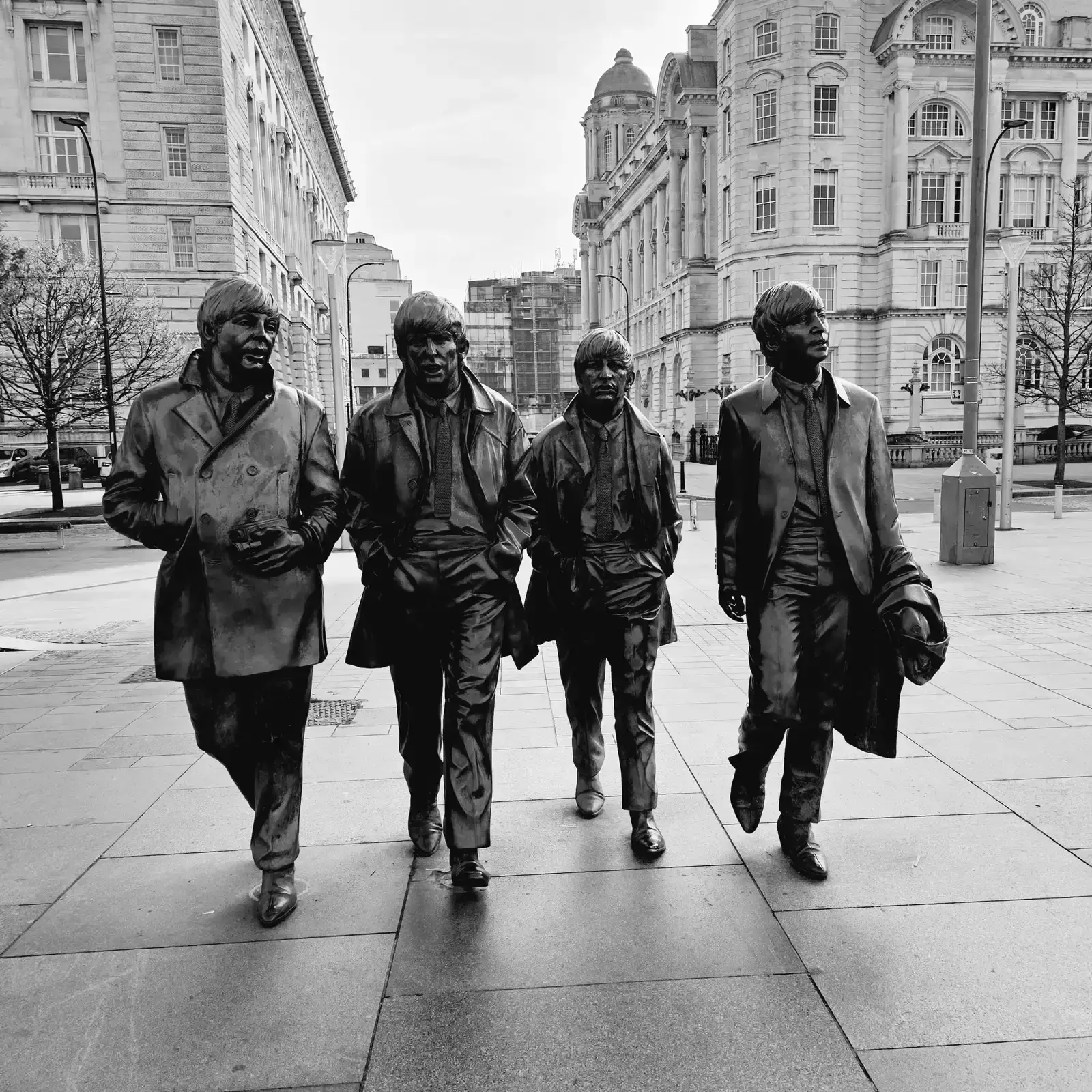
Kennedy’s presidency was short, electric, and full of youthful energy. He was, as historians have noted, one of the first presidents of the modern television era, and he took advantage of mass media platforms to promote himself, becoming what many would refer to as one of the first “celebrity” presidential candidates. That same electricity was building across the Atlantic in Liverpool. The Beatles released their debut album “Please Please Me” in 1963, right in the heart of the Kennedy era, and it crackled with the same restless optimism that defined the early sixties.
The timing was eerie. America was in the mood for something fresh, something that broke with the older guard. From Frank Sinatra retooling “High Hopes” for Kennedy’s run for the White House, popular music and U.S. presidents maintained a special relationship. The Beatles’ debut didn’t just launch a band. It announced a cultural revolution that Kennedy’s administration, tragically cut short, would never fully witness. It was the sound of a world about to change.
Lyndon B. Johnson (1963–1969): “Rubber Soul” by The Beatles

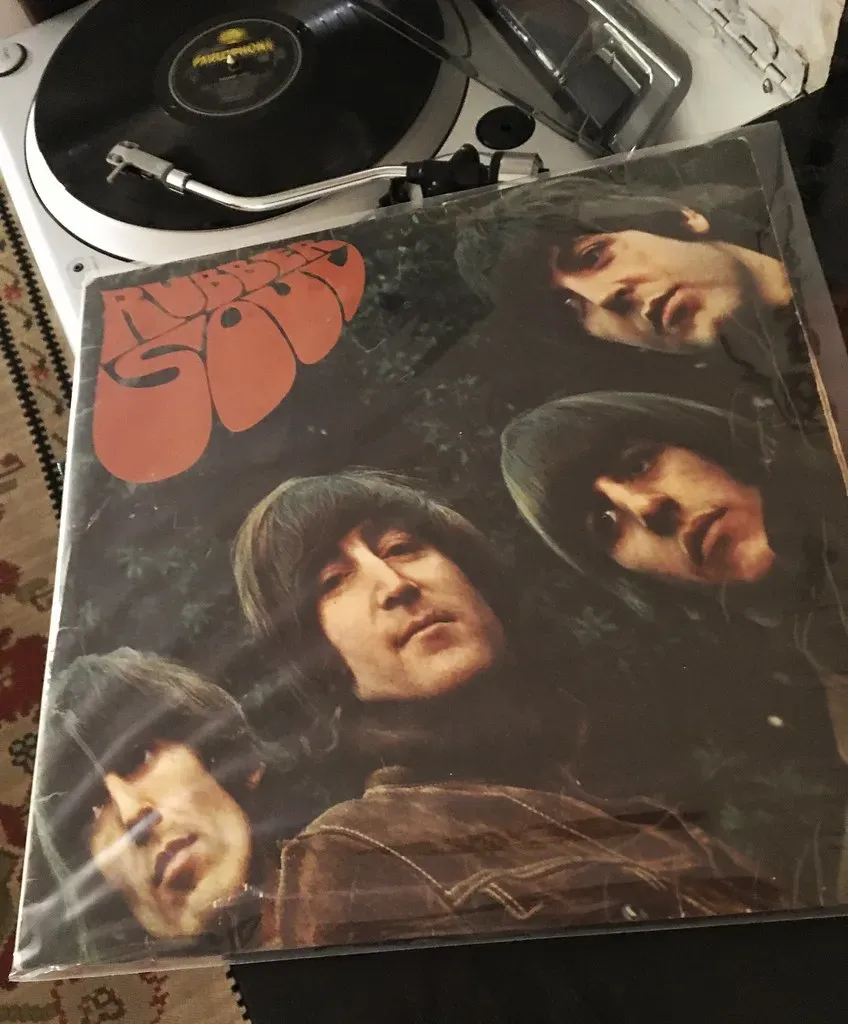
Johnson inherited a country in grief and led it through one of its most turbulent decades. The Vietnam War escalated. The Civil Rights Movement reached its peak. And through all of it, The Beatles kept evolving, getting more complex, more political, more reflective. “Rubber Soul,” released in 1965, captured exactly that shift, moving from pure pop exuberance into something more searching and uncertain.
The biggest hits of the Johnson era included “Hey Jude” by the Beatles in 1968, “I Want to Hold Your Hand” by the Beatles in 1964, “I’m a Believer” by the Monkees in 1966, and “I Heard It Through the Grapevine” by Marvin Gaye in 1968. Yet “Rubber Soul” stands apart because it wasn’t just about chart success. It was about a generation starting to ask harder questions. That restless questioning was exactly the national mood under LBJ’s complicated, often contradictory presidency.
Richard Nixon (1969–1974): “Abbey Road” by The Beatles

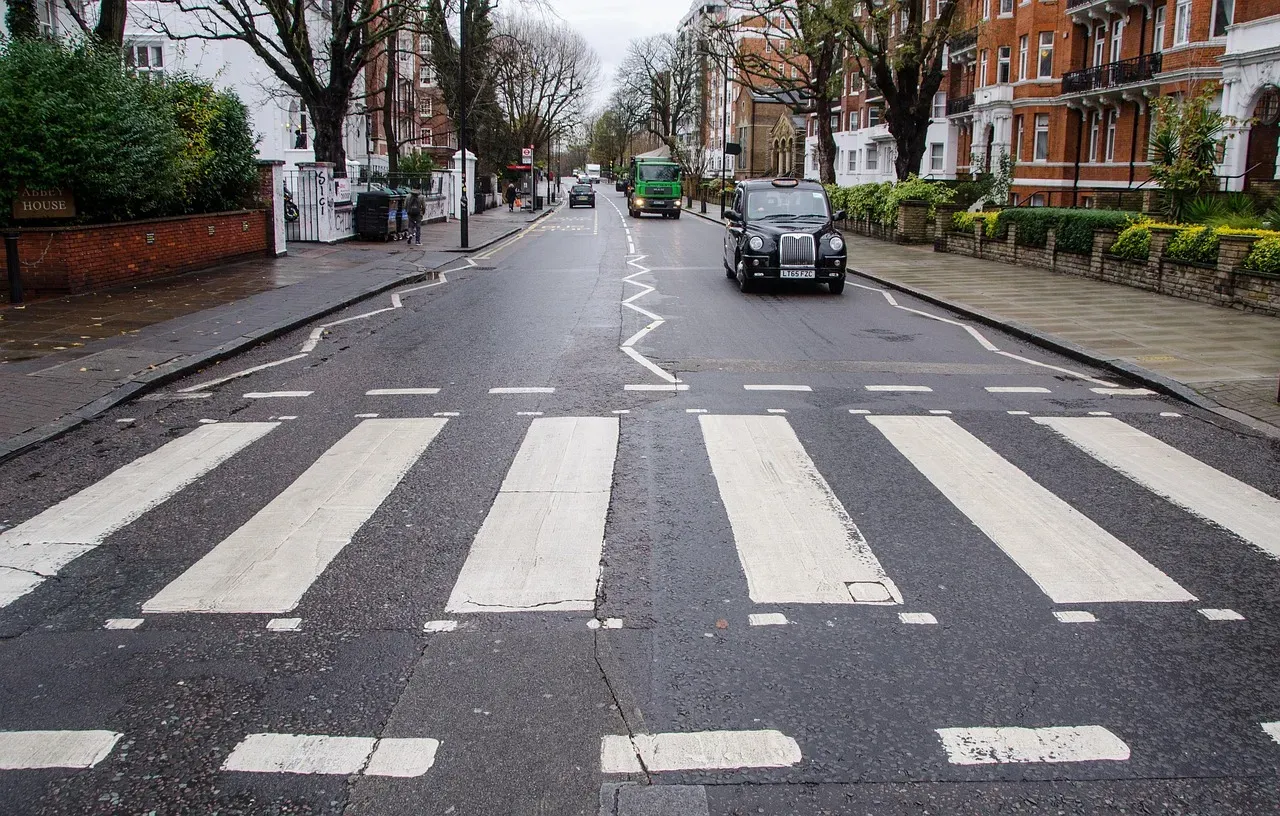
Nixon’s presidency is synonymous with paranoia, scandal, and national division. Strangely enough, it also coincided with some of the most extraordinary music ever made. Richard Nixon had a hand, however indirectly, in some of the modern era’s seminal albums, and by the end of his presidency, albums like Dark Side of the Moon, Led Zeppelin IV, and Innervisions provided the soundtrack for a country’s coalescent rage. Yet the album that bookends it all most powerfully is “Abbey Road.”
“Abbey Road” is the eleventh studio album by the Beatles, released on 26 September 1969, and it topped the record charts in both the United States and the United Kingdom. It arrived just as Nixon took office, carrying the weight of a band, and a generation, saying goodbye to something. It was an instant commercial success, eventually selling over 30 million copies worldwide, making it one of the best-selling albums of all time. The sense of endings that hangs over every track feels almost prophetic when placed against the Nixon years.
Partner offer

Jimmy Carter (1977–1981): “Rumours” by Fleetwood Mac

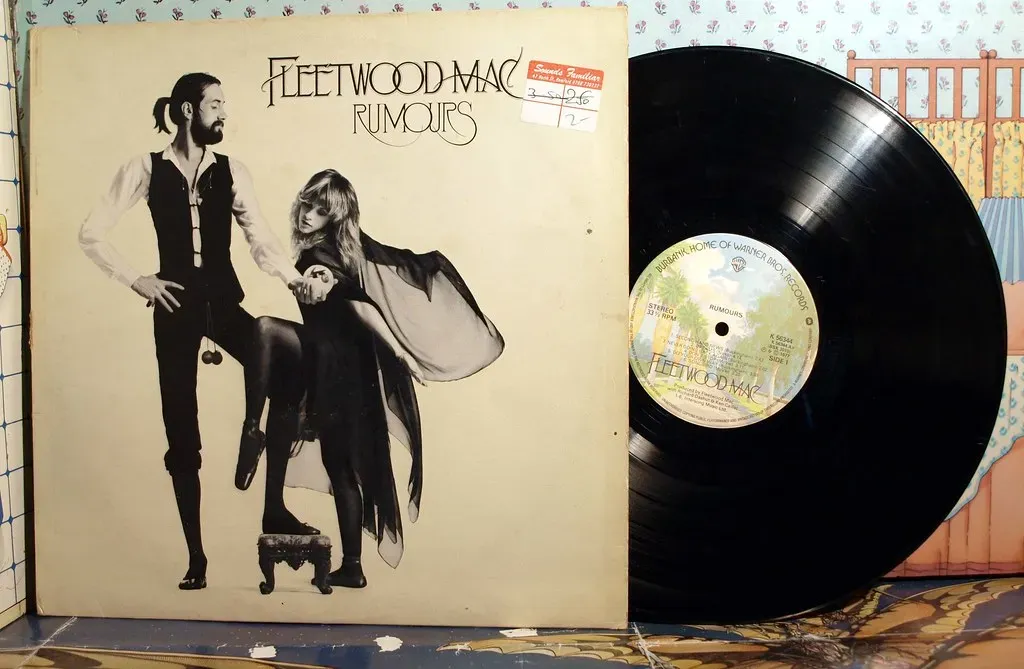
Carter’s presidency is one of the most musically rich in American history. He ran for president right at the heyday of southern rock and outlaw country, when the entire nation seemed fascinated by the South, and artists like Gregg Allman, Ronnie Van Zant, and Willie Nelson saw in Carter more than a little of themselves. But the album that truly captured his era wasn’t southern rock at all. It was Fleetwood Mac’s “Rumours,” a record soaked in emotional exhaustion, personal crisis, and the desperate attempt to keep going anyway.
Fleetwood Mac’s “Rumours” was released in 1977, right as Carter entered the White House. The parallel is almost too perfect. Both the president and the band were trying to hold things together through extraordinary strain. Carter’s administration’s contribution to pop music’s oeuvre was considerable, and besides stoking the fires of the Cold War and bringing honesty back to the White House, Carter was also busy making sure that the country was on the road to recovery. “Rumours” was the sound of that exhausted, beautiful perseverance.
Ronald Reagan (1981–1989): “Thriller” by Michael Jackson

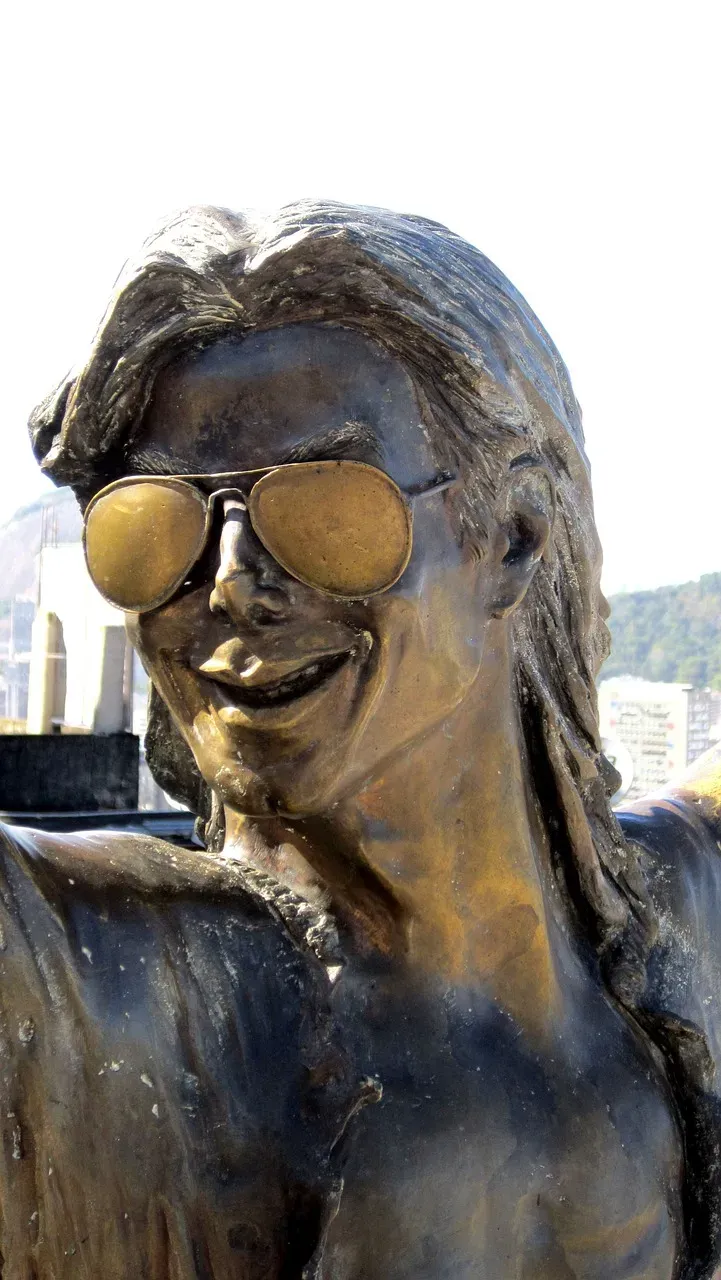
Reagan’s America was all about image, spectacle, and surface-level optimism. Morning in America. Big shoulders. Bright lights. No album fits that bill more perfectly than Michael Jackson’s “Thriller.” Michael Jackson’s “Thriller,” estimated to have sold 70 million copies worldwide, is the best-selling album ever. It was released in 1982 and exploded into a cultural phenomenon that matched Reagan’s America in its sheer, overwhelming ambition.
“Thriller” redefined the popular music industry with its unprecedented success and influence, and seven of its nine tracks became top ten singles, making it one of the best-selling albums of all time. Reagan’s team certainly understood the power of pop music. For decades, occupants of the White House recruited superstars to market their national initiatives, whether the adoption of Michael Jackson’s “Beat It” for the Reagans’ “Just Say No” campaign in 1984. The irony is rich. The biggest album of the era belonged to a Black artist at a time when the Reagan administration was deeply criticized on racial equity.
Conclusion

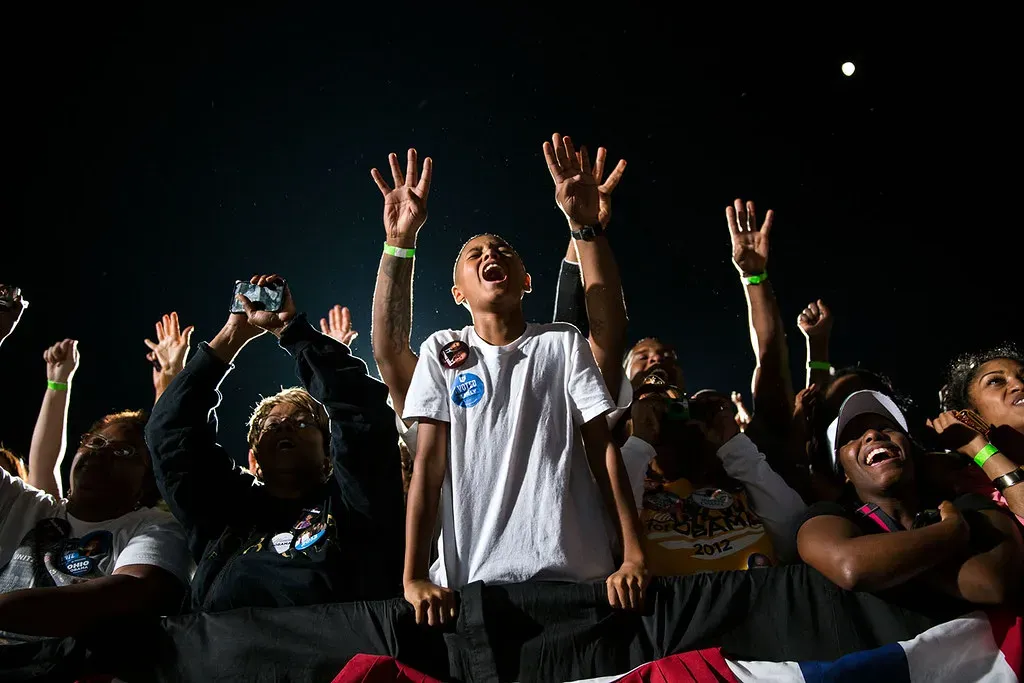
What this gallery of presidential soundtracks reveals, more than anything else, is that music never waits for history to catch up. Albums drop. Eras begin. And whether by design or pure coincidence, the records people reach for in times of uncertainty, hope, or grief tend to mirror the political weather with uncanny accuracy.
From Frank Sinatra retooling “High Hopes” for Kennedy’s run for the White House to Ronald Reagan’s ironic use of “Born in the U.S.A.” in his re-election bid, popular music and U.S. presidents have maintained a special relationship. That relationship is never simple, never one-sided, and never fully resolved.
The albums on this list did not define these presidencies on their own. They defined the people living through them. That’s the real power of music. It doesn’t explain history. It simply refuses to let you forget how it felt. What album would you have chosen? Tell us in the comments.
Partner offer
Planning a trip to Vegas?
Compare hotel rates and show tickets on VEGAS.com.