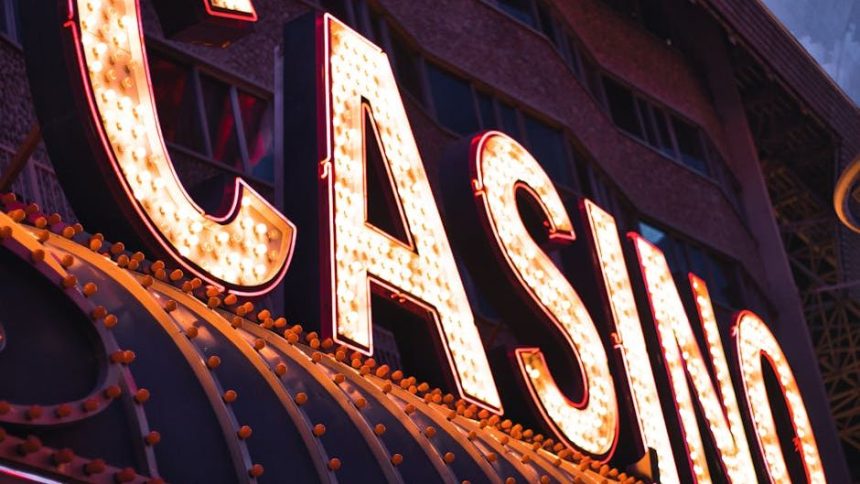
There is something almost mythological about Las Vegas. A city conjured from desert heat, built on the promise of instant transformation, where anyone can walk in ordinary and walk out extraordinary, or at least feel that way for a weekend. It was never just about gambling. It was always about the fantasy. That fantasy turned out to be surprisingly portable. Over the past three decades, the architecture, the psychology, and the operating blueprint of Las Vegas have traveled well beyond Nevada, reshaping how the world builds its most ambitious tourism destinations. Today, a version of the Strip exists on every inhabited continent, adjusted for local laws and cultural expectations, but recognizable in its DNA.
A City Built on One Audacious Idea
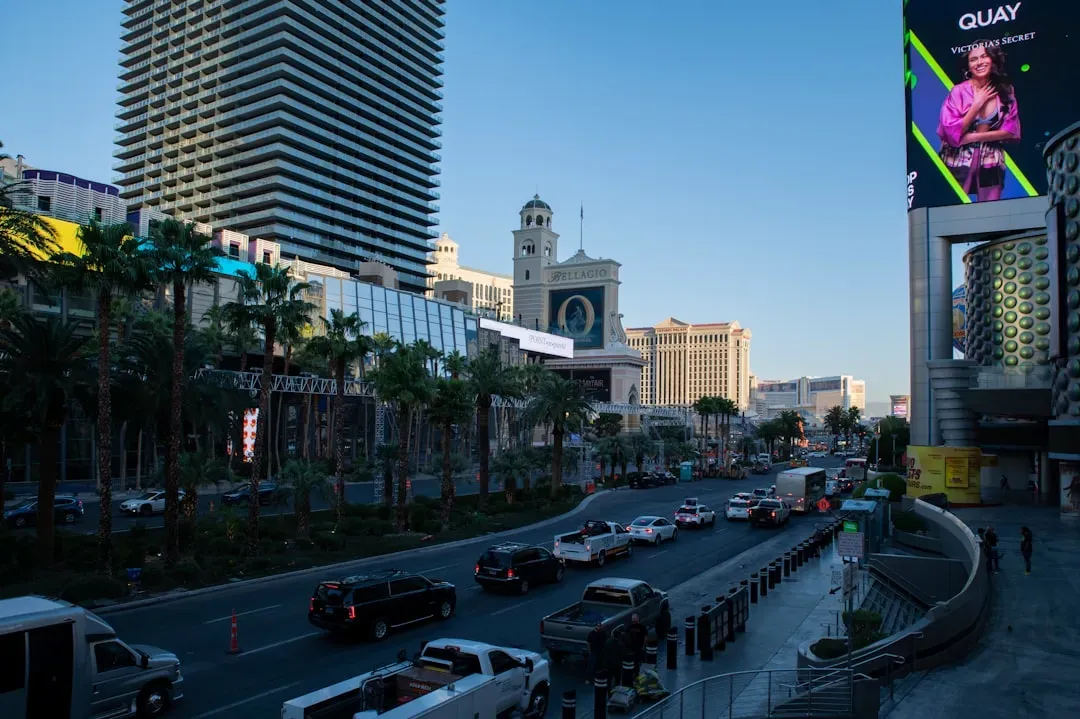
Las Vegas pioneered something that tourism planners now call the integrated resort: a single property that combines gaming, luxury hotels, world-class dining, live entertainment, convention space, and retail all under one roof. The concept evolved from large multi-attraction casino projects in Las Vegas, distinguished by the fact that the casino occupies a relatively small physical area but makes a large contribution to total revenue. That inverse relationship between space and income turned out to be the model’s secret weapon.
Throughout its many eras, Las Vegas design edged from extreme to high style, from kitsch to luxury. Each reinvention attracted a new generation of visitors who might never have thought of themselves as casino tourists. The gamblers came anyway, but now they arrived alongside food tourists, sports fans, convention delegates, and concert pilgrims.
The Numbers Behind the Neon
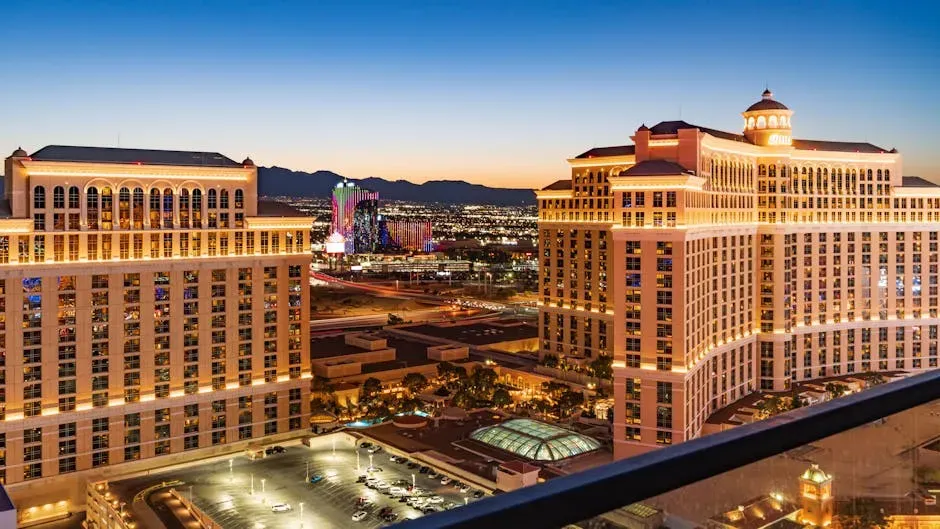
In 2024, total visitor spending in Las Vegas reached an all-time high of $55.1 billion, up seven percent year-over-year, with the broader tourism ecosystem generating $87.7 billion in total economic impact. That figure rivals the GDP of many small nations.
The city drew 40.8 million visitors in 2023 and 41.7 million in 2024, continuing a steady post-pandemic recovery. Las Vegas supports roughly 150,000 hotel rooms, among the highest concentrations anywhere in the world. The sheer mass of the infrastructure makes it almost impossible to replicate directly, which is exactly why so many destinations have tried.
The Integrated Resort Goes Global
The global integrated resort market reached $57.4 billion in 2024, and the industry is experiencing a compound annual growth rate of 7.1 percent projected from 2025 to 2033. That growth is almost entirely a story of destinations borrowing from the Las Vegas playbook. This expansion is driven by evolving consumer preferences for comprehensive travel experiences, significant investments in tourism infrastructure, and the rising popularity of destination resorts that combine accommodation, entertainment, retail, and convention facilities under one roof.
Countries in the Asia-Pacific and Latin America have adopted relaxed gaming laws and invested heavily in casino infrastructure, recognizing the jobs created and tourism revenue generated in mature markets like the United States. The lesson taken from Las Vegas was clear: if you build the full experience, the visitors will come.
Singapore: Vegas With Different Rules
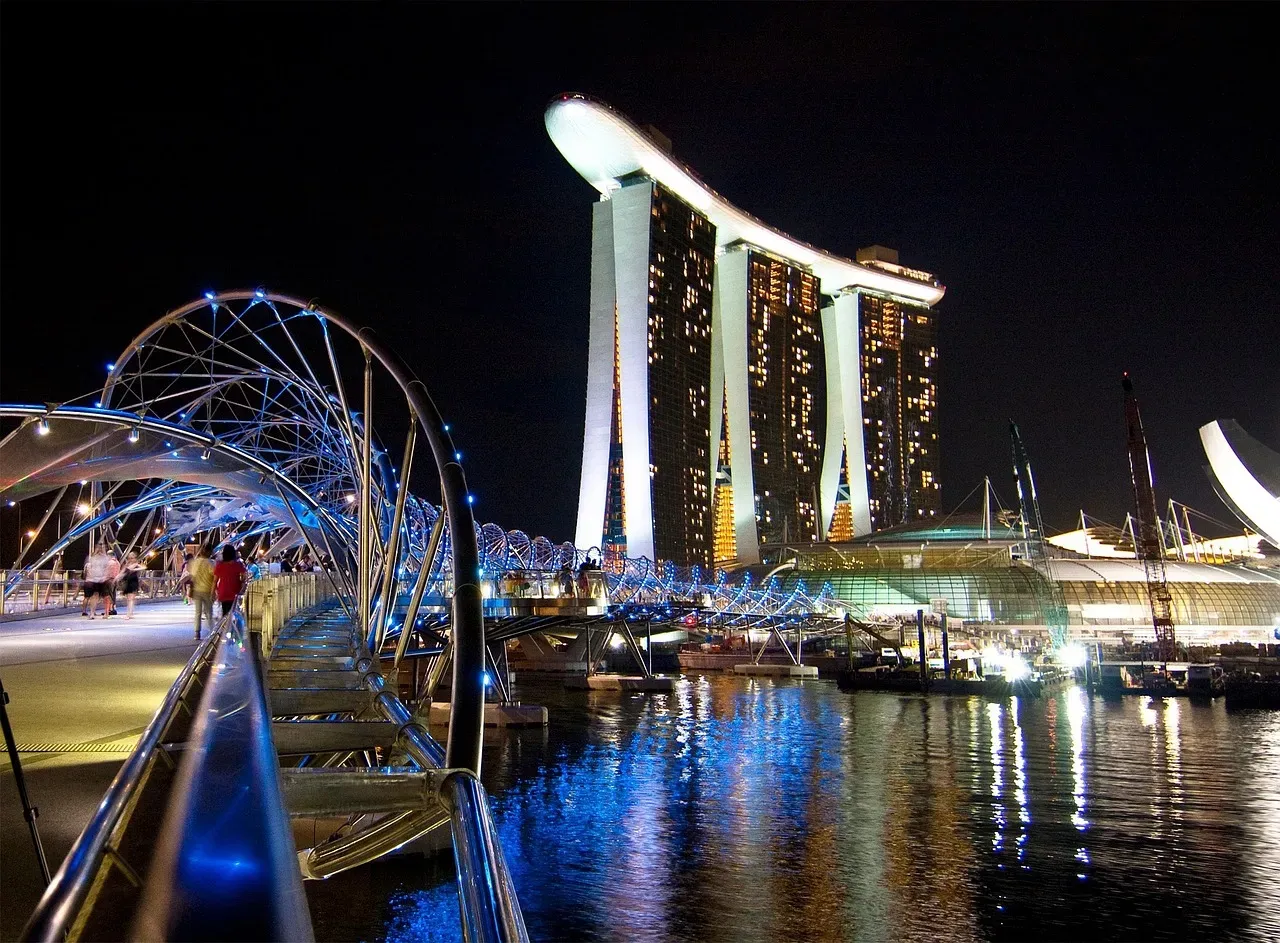
In conservative markets like Singapore, diluting the identity of the casino offering through the integrated resort model allowed it to happen. It was a destination resort with a casino in the building, and the ambiguity was intentional. That framing was critical. Singapore could not simply replicate Las Vegas culturally, so it took the structure and redressed it.
Las Vegas Sands holds Marina Bay Sands in Singapore, which opened in 2010, and it became one of the most photographed buildings on earth within a year of opening. An ambitious $8 billion expansion of Marina Bay Sands, dubbed Marina Bay Sands IR2, broke ground in mid-2025, with plans to add a new 55-story hotel tower with 570 luxury suites, a 15,000-seat arena, and additional casino and MICE facilities, with an estimated opening in 2031.
Macau’s Long Journey Toward the Vegas Model

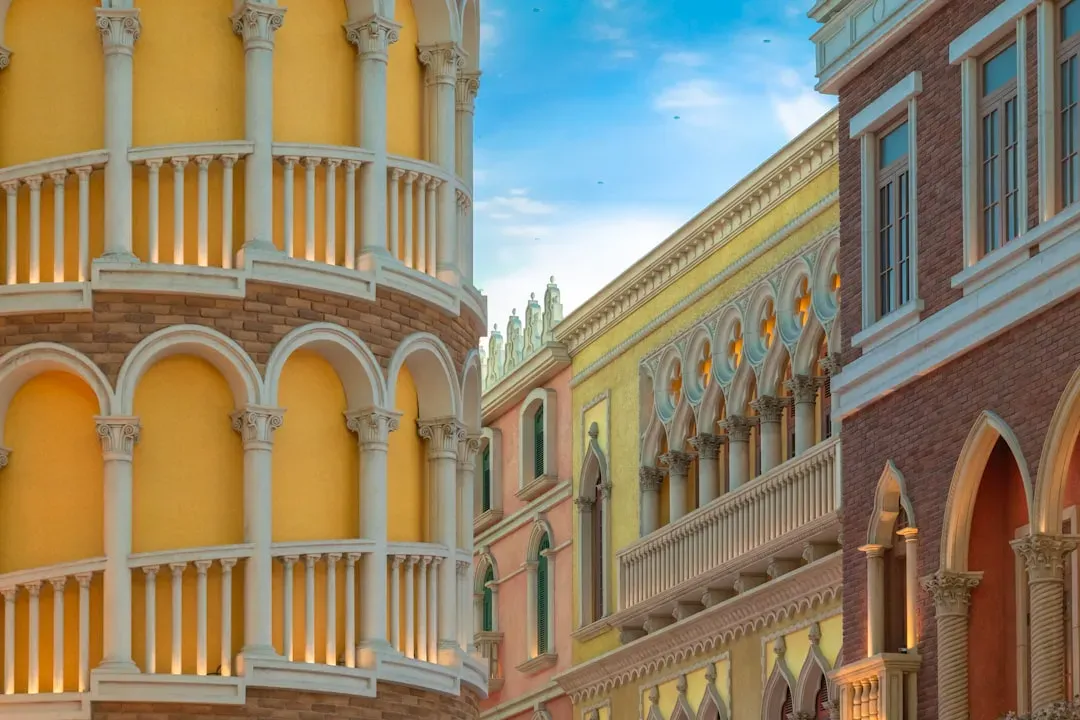
At a time when Macau’s six local gaming operators are looking to follow the Las Vegas example and diversify toward non-gaming attractions, analysts observe that the depth of those amenities will determine whether Macau breaks away from its single-day reputation. Las Vegas’s transformation over the past three decades has catalyzed shifting integrated resort priorities around the world.
Gaming revenues as a percentage of total sales on the Las Vegas Strip have remained below the fifty percent mark since 1999 and now only account for about a third of the mix. Macau is still working toward that equilibrium. Macau’s casinos generated the equivalent of approximately $14.7 billion in gross gaming revenue during the first half of 2025, marking a 4.4 percent year-on-year increase. The raw gaming numbers are impressive, but the non-gaming shift remains the harder challenge.
Japan Prepares for Its Version of the Dream

In April 2025, MGM Resorts broke ground on MGM Osaka, which will be the first integrated resort and casino in Japan, set to open in 2030. The project is a direct translation of the Vegas concept into one of the world’s largest consumer markets. MGM is constructing a $9 billion resort in Osaka with plans for an opening in the second or third quarter of 2030, featuring 2,500 rooms across two towers, 750 gaming tables, more than 6,000 slot machines, over 70 food and beverage outlets, a 3,500-seat theater, and approximately one million square feet of convention space.
Partner offer
Japan is becoming a new hotspot for integrated casino resorts as the country legalizes large-scale casino operations, paving the way for a surge in visitors and revenue in the years ahead. For a country that had resisted casino legalization for decades, the Osaka resort signals a fundamental shift in how Japan positions itself in global tourism competition.
The Casino Tourism Market as a Global Industry
The global casino tourism market was valued at $61.4 billion in 2024 and is expected to reach approximately $103.9 billion by 2034, growing at a compound annual growth rate of 5.4 percent. That trajectory reflects how comprehensively the Vegas model has normalized casino-based destination tourism worldwide. In 2024, North America held the largest market share in casino tourism at nearly 46 percent, a dominance attributed to well-established casino hubs in the United States and Canada drawing large numbers of tourists annually.
North America accounts for approximately 45 percent of global casino gaming market share, with growth driven by increasing disposable incomes, a rise in international tourism, and favorable regulations that promote gaming activities. Still, Asia is closing the gap quickly, and the regulatory shifts happening across Southeast Asia and East Asia suggest the center of gravity in casino tourism is gradually moving.
American Operators Take Their Brands Abroad
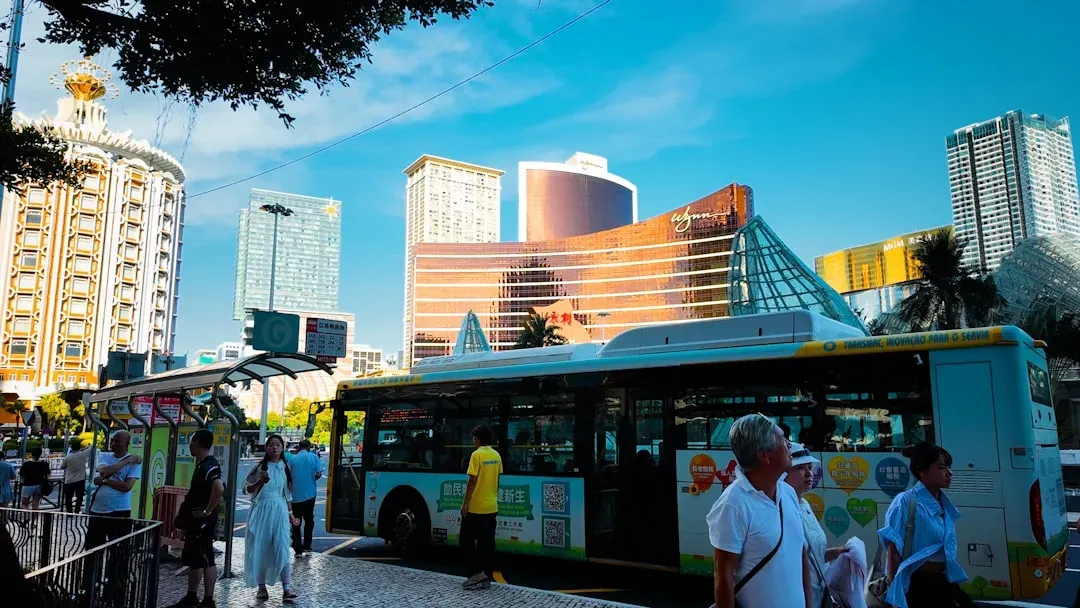
Las Vegas Sands sold its Las Vegas properties including The Venetian Resort and The Palazzo for $6.25 billion in a transaction completed in February 2022, explicitly as a move to focus on high-growth international markets, primarily Macau and Singapore, and to pursue new development opportunities in emerging markets. It was a remarkable signal: the company that invented the mega-resort in the Nevada desert concluded that its future lay in exporting the model, not maintaining the original.
MGM Resorts operates in Las Vegas, Massachusetts, Michigan, Mississippi, Maryland, Ohio, New Jersey, Macau, Shanghai, Chengdu, Hangzhou, and Sanya. MGM China posted $4.5 billion in revenues in 2025, improving 11 percent over the prior year. While Las Vegas experienced a difficult 2025, the company’s Chinese operations grew strongly, underscoring the divergence between the original and its global offspring.
When the Dream Got Expensive
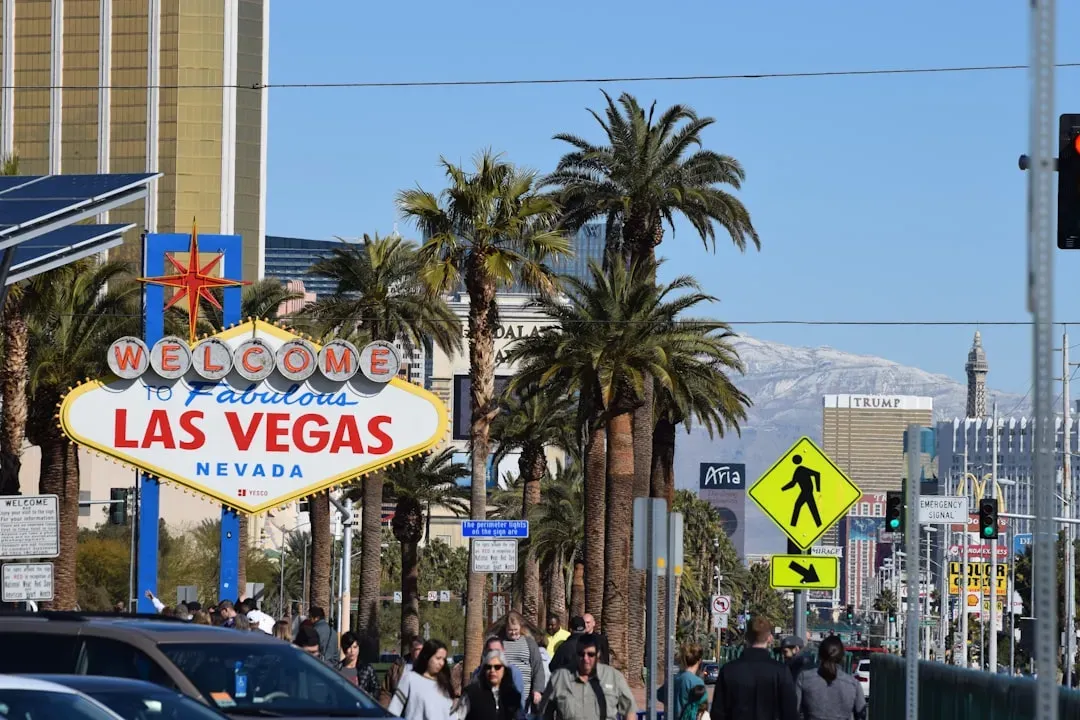
About 38.5 million visited Las Vegas in 2025, down 7.5 percent from 2024, according to the Las Vegas Convention and Visitors Authority’s Research Center. The decline was attributed to several pressures. The LVCVA highlighted the steep decline in international travel as a core issue, estimating a 24 percent drop in Canadian visitors, the city’s largest international tourism group.
For domestic tourists, unaffected by the political factors shifting international tourism demographics, it was the staggering price tag of a Vegas vacation that deterred visits. The recent rise in inflation and unemployment made American vacationers uneasy, with far fewer willing to spend the prices they had come to expect on a Sin City getaway. The city that sold accessible luxury found that luxury had quietly outrun accessibility.
The Strip Reinvents Itself, Again
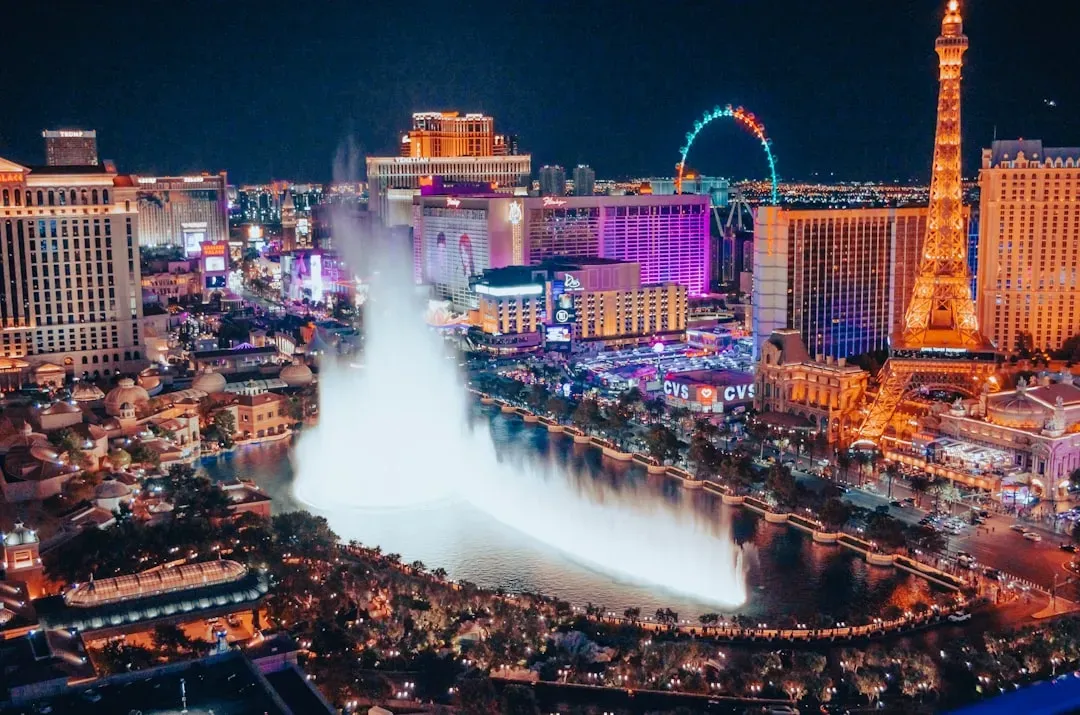
The historic Tropicana Casino and Resort closed in April 2024 and was imploded in October 2024, making way for a $1.5 billion, 33,000-seat baseball stadium for Major League Baseball’s Athletics. The Mirage resort casino closed and will be replaced by a Hard Rock International Guitar Hotel, with Hard Rock having purchased The Mirage from MGM Resorts in 2022 and planning a 600-room, 660-foot-tall Guitar Hotel on the current site. The Strip has never stopped destroying and rebuilding itself.
Las Vegas tourism has seen visitation declines even as gaming win remains strong in some categories, with industry leaders pinning hopes on a robust year for conventions in 2026. Analysts forecast that a $600 million expansion of the Las Vegas Convention Center and an increasingly strong calendar of trade shows could help drive record convention attendance. MGM Resorts, which operates 13 resorts on the Strip, reported that Las Vegas revenue grew for the first time in more than a year in early 2026, offering a cautious sign that the city may be finding its footing again.
Conclusion: The Blueprint That Traveled
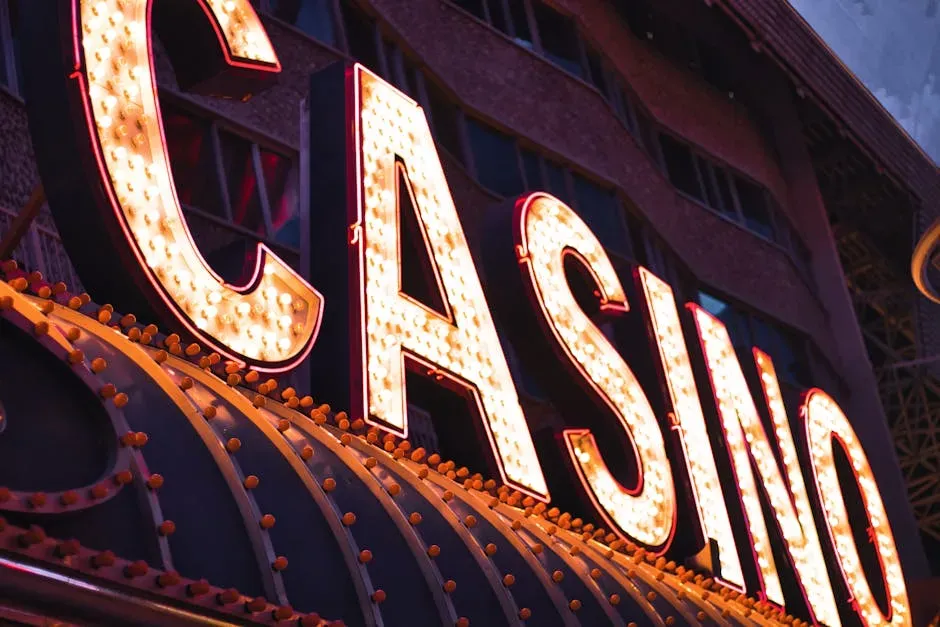
What Las Vegas exported was never really about gambling. It was a philosophy of total immersion, a design argument that says if you remove every reason to leave, visitors will stay longer, spend more, and return. That idea proved more durable than any particular building or brand on the Strip itself.
The city continues to evolve under pressure, facing a softer 2025 while its operating models thrive from Macau to Singapore to the construction sites of Osaka. The American Dream may have been packaged in Nevada, but it turned out to be a global product. What remains to be seen is whether Las Vegas itself can keep pace with the phenomenon it created.
Partner offer
Planning a trip to Vegas?
Compare hotel rates and show tickets on VEGAS.com.