Few places on earth carry a Cold War imprint quite as visibly as the Nevada desert. Craters the size of city blocks sit baked into the earth northwest of Las Vegas, not far from one of the most visited tourist corridors in the world. Most people flying into McCarran have no idea they’re passing over ground that absorbed more than nine hundred nuclear detonations. This is not ancient history. The physical scars remain. The legal arguments are still being written. And the communities that lived downwind of those blasts are still, in 2026, waiting for something closer to justice.
A Site Chosen for Its Emptiness
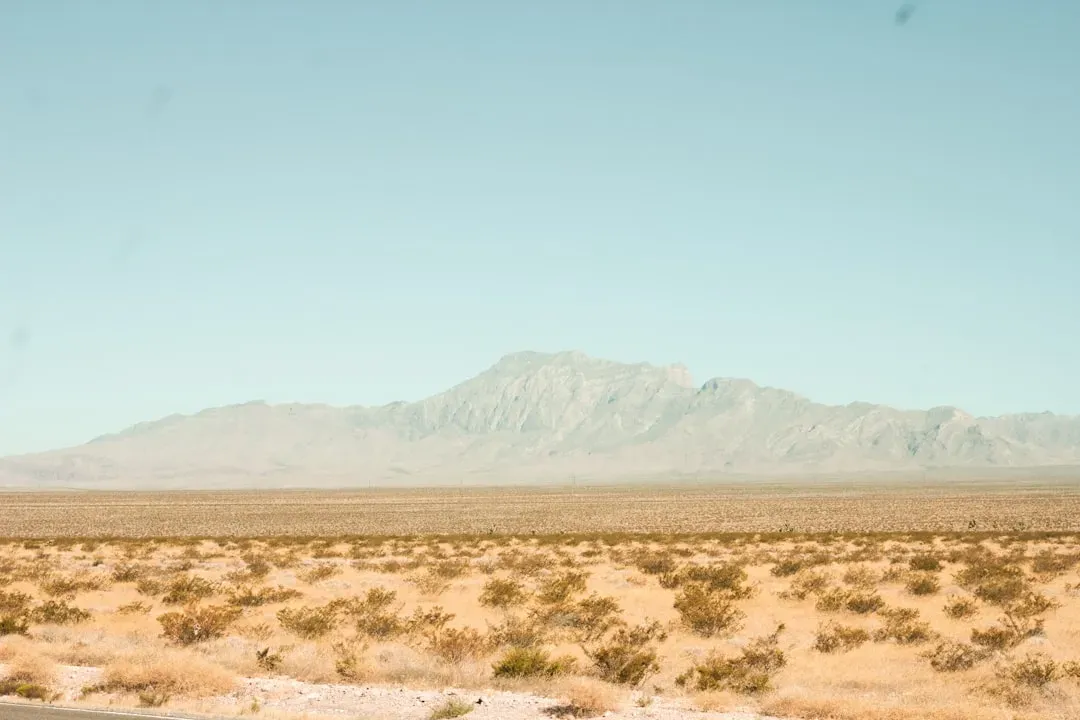
The Nevada Test Site was established in December 1950 when President Harry S. Truman authorized the designation of a portion of the Nellis Air Force Gunnery and Bombing Range for testing American nuclear devices by the U.S. Atomic Energy Commission. The choice of location was deliberate. The site encompassed over 1,360 square miles of federal land, much of it uninhabited desert – an immense expanse that theoretically provided a buffer zone large enough to contain the physical effects of atomic blasts.
In the aftermath of World War II and the harrowing bombings of Hiroshima and Nagasaki, the United States found itself in a new geopolitical landscape: the Cold War. The Soviet Union’s detonation of its first atomic bomb in August 1949 ignited a fierce arms race, prompting an urgent need for the U.S. to rapidly advance its nuclear capabilities. Nevada was, in a sense, selected precisely because it appeared forgettable on the map.
The Scale of Testing: Numbers That Still Stagger
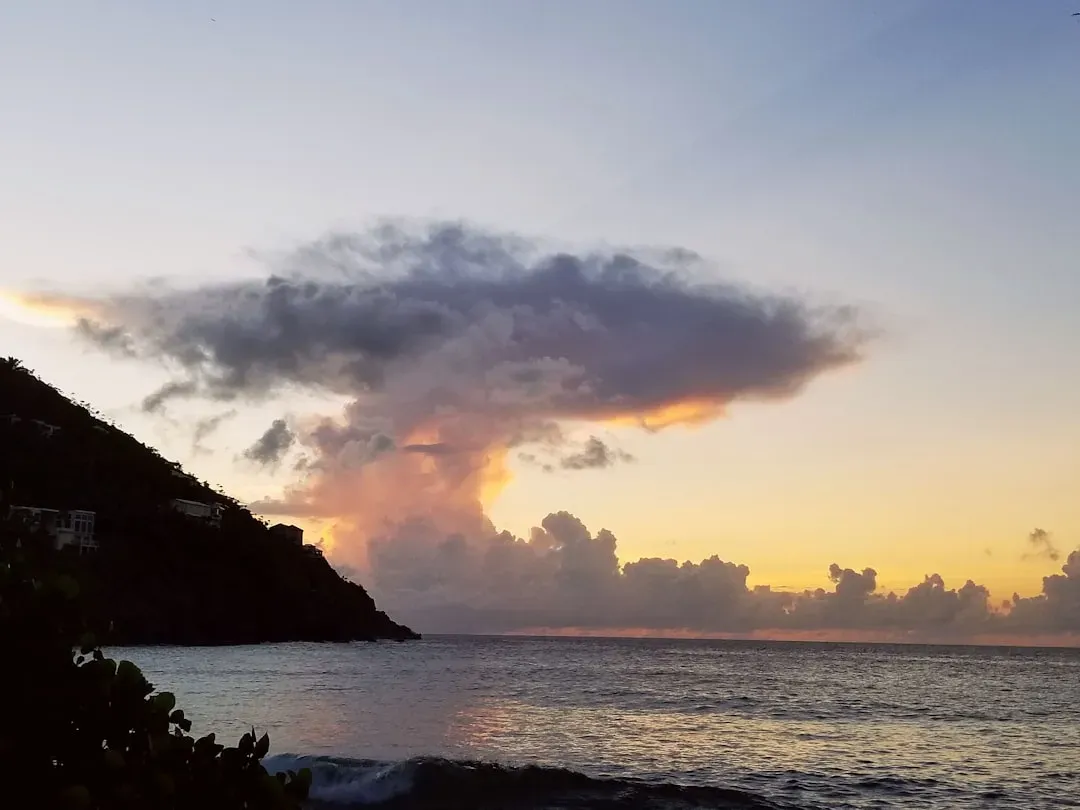
The Nevada Test Site was the location for 928 of 1,054 U.S. nuclear tests, including 100 atmospheric nuclear test explosions between 1951 and 1962 and another 828 tests performed underground. That is not a typo. Nearly a thousand nuclear weapons were detonated in a single patch of American desert over four decades.
The mushroom clouds from the 100 atmospheric tests were visible from almost 100 miles away and could be seen from the Las Vegas Strip in the early 1950s. The city of Las Vegas experienced noticeable seismic effects, and the distant mushroom clouds, which could be seen from the downtown hotels, became tourist attractions. The spectacle drew crowds. The risks went largely unmentioned.
What the Blasts Left Behind in the Ground
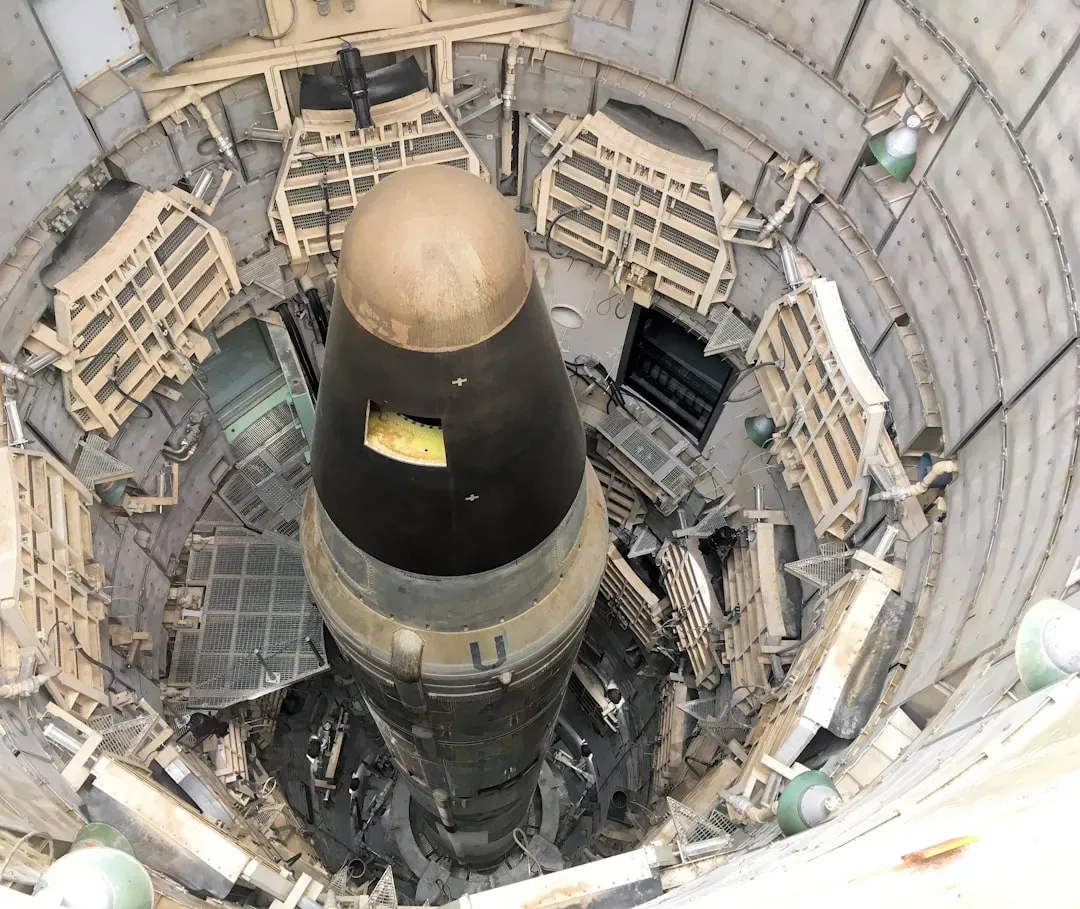
The Nevada National Security Site was used from 1951 to 1992 to conduct a total of 100 atmospheric and 828 underground nuclear weapons tests. As a result, some groundwater, surface soils, and industrial-type facilities were contaminated on the site and the surrounding Nevada Test and Training Range.
Each of the below-ground explosions, some as deep as 5,000 feet, vaporized a large chamber, leaving a cavity filled with radioactive rubble. About a third of the tests were conducted directly in aquifers, and others were hundreds or thousands of feet below the water table. That is the kind of detail that makes groundwater scientists lose sleep.
Approximately one-third of the 828 underground tests were detonated near or below the water table, contaminating groundwater in several areas. The total estimated radioactivity remaining below the water table is between 20 and 25 million Curies. This groundwater contamination includes tritium, which has a relatively short half-life of 12.3 years, and longer-lived isotopes like strontium-90 and cesium-137.
The Pahute Mesa Problem: A Groundwater Story Still Unfolding
The Pahute Mesa groundwater region posed unique challenges. Of the 828 underground nuclear tests that occurred at the site from 1951 to 1992, only 82 occurred on Pahute Mesa land. However, that roughly ten percent of tests contained about 60% of the radioactivity released at the site.
Currently, tritium is the largest contributor, accounting for roughly ninety percent, of the estimated 44.6 million-curie radionuclide inventory resulting from underground testing. Because of its short half-life of 12.32 years, its relative contribution reduces below ten percent of the total radiologic inventory over the next 120 years as a result of radioactive decay. Though tritium levels are observed well above Safe Drinking Water Act maximum contaminant levels in groundwater, other radionuclides are well below their limits except within the nuclear test near-field environment.
The U.S. Department of Energy Environmental Management Nevada Program recently completed drilling of two new groundwater monitoring wells and deepened a third at the Nevada National Security Site, as recently as December 2025. The work is far from over.
Fallout That Traveled Hundreds of Miles
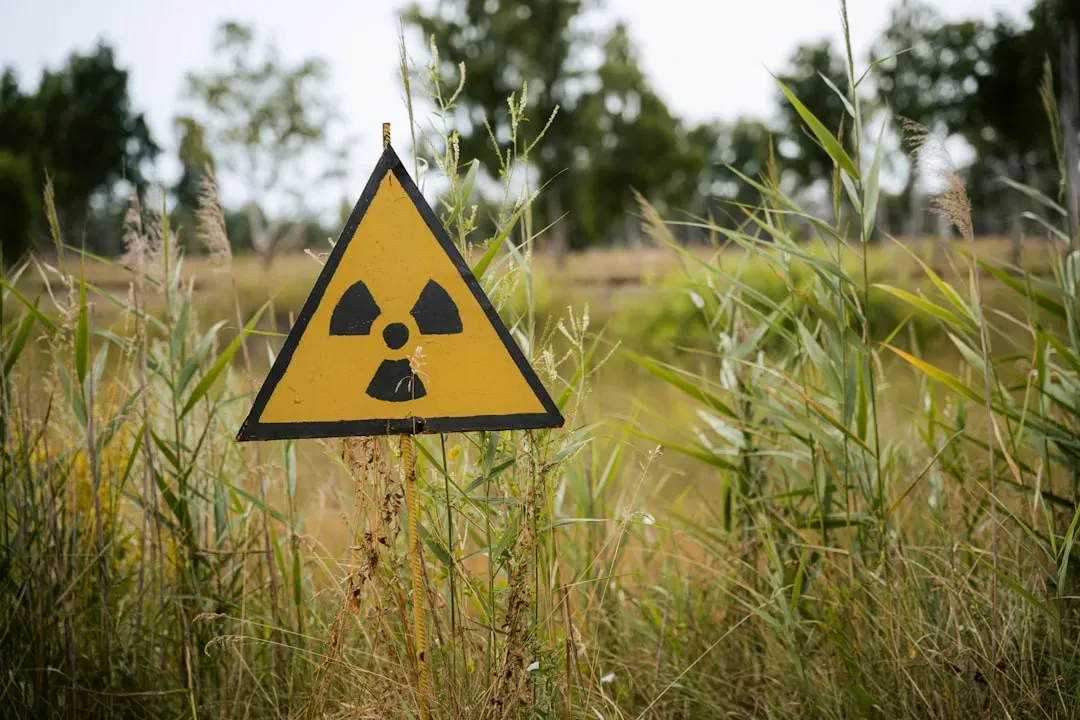
Westerly winds routinely carried the fallout from atmospheric nuclear tests, increasing rates of cancer in Utah and elsewhere, according to a 1984 medical report. The fallout did not stop at state lines, and communities that had no visible connection to the test site absorbed radioactive particles through the air, water, and food supply.
Radioactive fallout from nuclear tests at the Nevada Test Site did not remain contained. Wind patterns carried radioactive particles to nearby areas, including southern Nevada, northern Arizona, and southern Utah. These particles entered water sources, contaminated crops, and exposed residents to radiation over extended periods.
In a report by the National Cancer Institute, released in 1997, it was determined that 90 atmospheric tests at the site deposited high levels of radioactive iodine-131 across much of the contiguous United States, especially in the years 1952, 1953, 1955, and 1957 – doses large enough, it claimed, to produce 10,000 to 75,000 cases of thyroid cancer. That estimate still anchors public health discussions today.
The Health Toll on Downwind Communities
Radiation exposure from fallout can have lasting effects on human health. One of the most serious outcomes is an increased risk of cancer. When radioactive particles enter the body, they can damage cells and DNA. Over time, this damage can lead to cancers such as leukemia, thyroid cancer, and other malignancies.
Partner offer
Research has shown that downwinders have higher rates of thyroid cancer, leukemia, and other types of cancer compared to people who were not near the test site. The National Cancer Institute estimates that 11,000 to 212,000 cases of thyroid cancer across the country are linked to exposure to radioactive fallout from these nuclear tests in Nevada. The range in those figures reflects genuine scientific uncertainty, not indifference.
Children and pregnant women were particularly vulnerable to radiation effects. During the years of atmospheric tests, large quantities of radioactive material were released into the air and carried with the wind to surrounding communities, including Native American reservations. When iodine-131 is ingested by humans and animals it collects in the thyroid gland. The radiation released from the decaying isotope damages tissues, increasing the risk of cancer and, for pregnant women, birth defects.
Native American Communities: The Overlooked Exposure
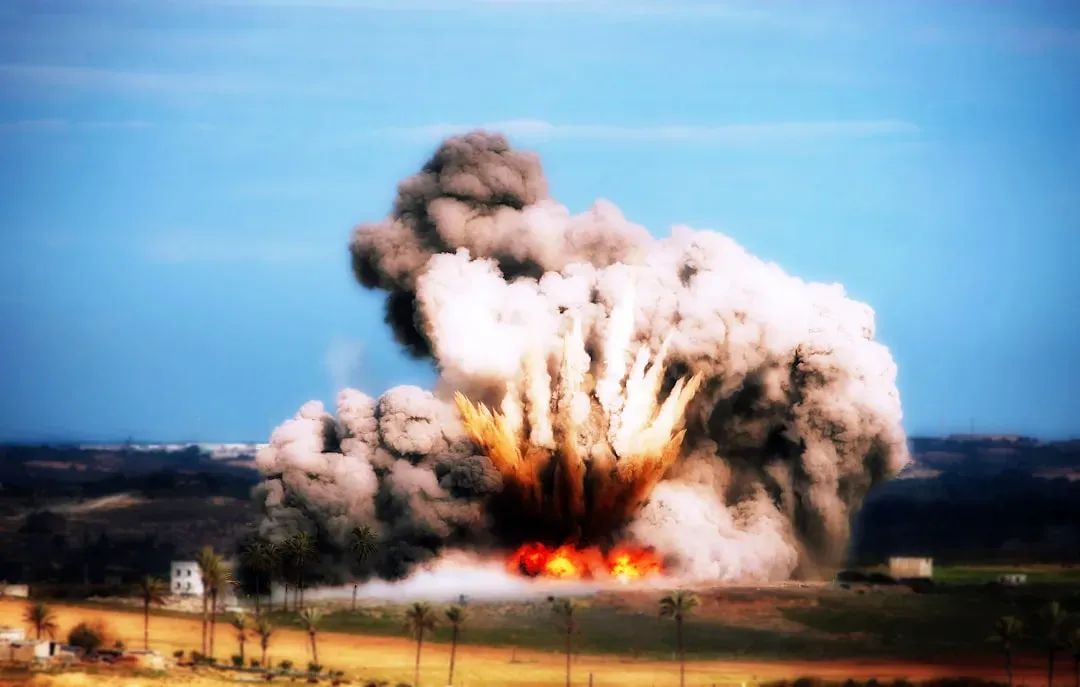
The Nevada Test Site was carved out of tribal land seized from the Shoshone Nation of Native Americans. That fact alone frames the entire testing era in a different light. From 1951 to 1992, more than 1,000 nuclear tests were performed on the Nevada Test Site. The site is on Western Shoshone lands, known as Newe Sogobia. Underground tests were conducted throughout the entire 41 years, making this land one of the most radioactive areas in the world.
Several studies demonstrated that the Off-Site Radiation Exposure Review Project underestimated the dose of radiation to Native Americans. The project made assumptions about beef and cow milk consumption that did not apply to Native American lifestyles and it did not account for the hunting of game, a major source of food for the native populations in the area. In short, the official dose reconstructions were built around the wrong diet entirely, leaving indigenous health impacts systematically undercounted.
The Compensation Fight: RECA’s Long and Complicated Road
The Radiation Exposure Compensation Act provides one-time benefit payments to persons who may have developed cancer or other specified diseases after being exposed to radiation from atomic weapons testing or uranium mining, milling, or transporting. Administered by the Department of Justice, RECA has awarded over $2.6 billion in benefits to more than 41,000 claimants since its inception in 1990.
The federal program expired in June of 2024. However, the program found a second life in President Trump’s budget bill and has been reauthorized through the end of 2028. The compensation amount for downwinders and onsite participants with qualifying diseases was increased from $50,000 and $75,000 respectively to $100,000 for both groups.
The new bill expands the program to cover downwinders in all of New Mexico, Utah, Idaho, and portions of Arizona. Coverage in Nevada remains the same: six counties in southern Nevada and part of Clark County. Advocates say that still leaves too many people out, particularly in areas of Nevada closer to the test site than some of the counties that do qualify.
The Site Today: From Testing Ground to Security Complex
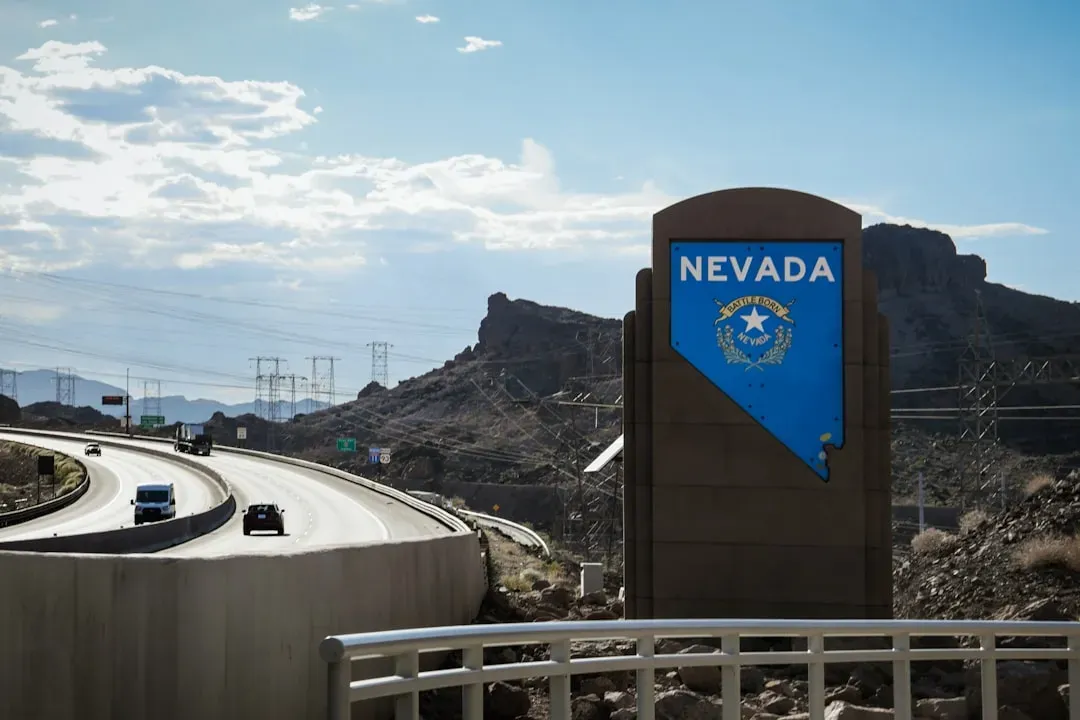
This new mission is underscored by the site’s new title, the Nevada National Security Site. As of fiscal year 2025, the National Nuclear Security Administration continues to oversee operations at the site. In the fiscal year 2025 budget, the NNSA allocated approximately $365 million for nuclear weapons activities there, reflecting an increase from previous years. This funding supports subcritical nuclear experiments, the storage of special nuclear materials, and various high-hazard testing and experimentation activities.
Although full-scale nuclear testing ceased in 1992, the site remains a key location for subcritical experiments, tests that involve nuclear materials but do not result in a self-sustaining nuclear chain reaction. These experiments are intended to gather data on the behavior of nuclear materials under extreme conditions. Tunnels under construction will house the more powerful Advanced Sources and Detectors Scorpius machine and the ZEUS system. These new machines, projected to cost more than $2 billion, will enable subcritical experiments that image weapons-grade nuclear material with higher fidelity.
The Debate Over Resuming Testing
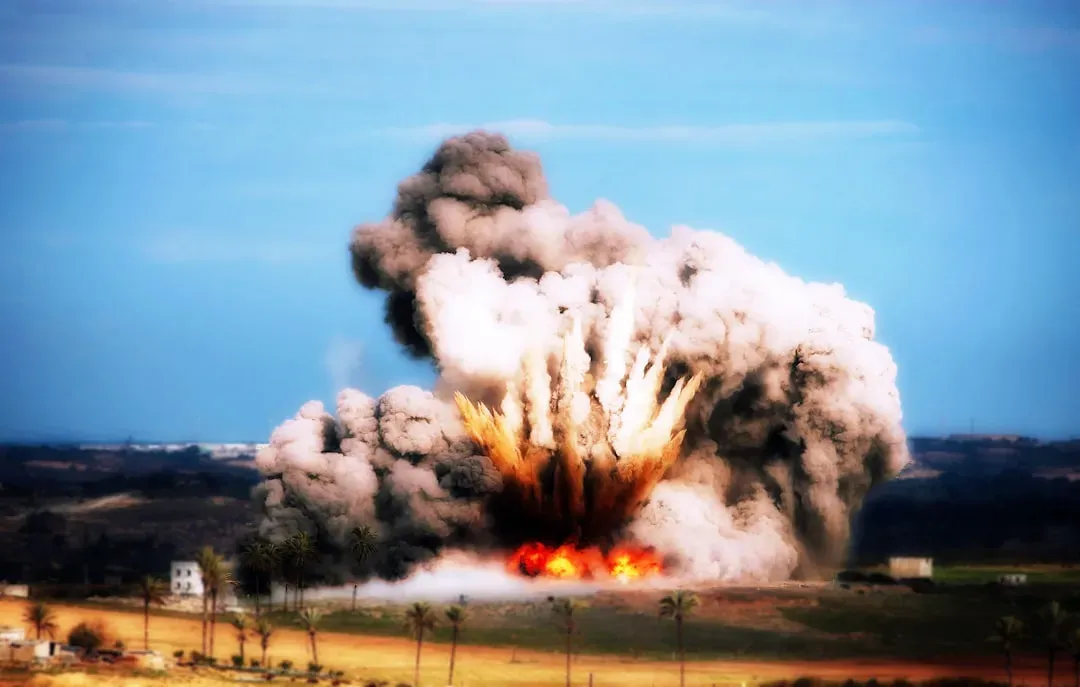
Some former government officials, including former National Security Advisor Robert C. O’Brien and the Heritage Foundation’s Project 2025 roadmap, have called for a return to explosive nuclear testing in Nevada. They claim such testing is necessary for national security as a new arms race heats up.
Explosive nuclear testing is not only seen as unnecessary in today’s world by many experts, since supercomputers and innovative non-explosive testing can verify that weapons are safe and effective, but it would also likely set off a chain reaction of explosive testing by other nuclear-armed states. Nevada’s political voices across party lines have pushed back firmly. Of the more than 2,000 nuclear tests conducted worldwide during the Cold War, more than 900 were conducted in Nevada, releasing massive amounts of radioactive contamination into the atmosphere, water, and soil. That history sits at the center of every argument for or against returning to the desert.
Cleanup, Monitoring, and What “Long-Term” Really Means
The Engine Maintenance, Assembly, and Disassembly (EMAD) and Test Cell C complexes, which supported historical nuclear propulsion rocket development and testing programs, represent the last major demolition and closure efforts currently identified in the environmental remediation mission. Demolition is being handled in two phases; the first phase was expected to be complete in 2025, and the second phase, including the remaining EMAD superstructure, is scheduled to begin in 2029.
Continuous environmental monitoring is conducted for air, water, soil, and wildlife to ensure public safety and track contaminant migration. The Community Environmental Monitoring Program places air and water sampling stations in communities downwind of the site. This network provides real-time data to confirm that there is no measurable off-site radiological impact from the Nevada National Security Site.
The Environmental Management Nevada Program implements corrective actions for both surface and groundwater contamination. Three of the five high-priority groundwater contamination areas have transitioned into a phase of long-term monitoring because their plumes are stable or moving very slowly. “Long-term,” in the context of nuclear contamination, can mean centuries. That is not hyperbole. It is physics.
The Nevada Test Site story is, at its core, a story about costs that were never fully counted when the decisions were made. The landscape bears permanent marks. The law has taken decades to catch up, and is still catching up in 2025 and 2026. The communities that lived in the path of those clouds are still counting their sick and their dead. What the atomic era leaves behind is not just craters in the desert. It is an ongoing obligation, one that the country has been slow to honor, and that the people of Nevada and the American Southwest continue to press for with every legislative session.Partner offer
Planning a trip to Vegas?
Compare hotel rates and show tickets on VEGAS.com.