Most albums fade quietly into playlists and dusty record bins. A handful, though, managed to rattle governments so badly that customs officers, censorship boards, and even courts got involved. These are not tales of mild radio edits or awkward late night talk show moments. They are stories of albums physically stopped at borders, artwork investigated by federal agencies, and songs turned into rallying cries against entire political systems.
Sex Pistols and the record Britain tried to erase
When Never Mind the Bollocks, Here’s the Sex Pistols was released on 28 October 1977 through Virgin Records, the band was already a lightning rod. At the time of its release, the band was already extremely controversial, having sworn on live TV, been fired from two record labels and been banned from playing live in most parts of England. The title itself became the problem, since the album’s title added to that controversy, with some people finding the word bollocks offensive, and many record stores refused to carry the album while some record charts refused to list it, showing just a blank space instead.
The legal drama escalated fast. London police visited the Virgin record store and told them they would face prosecution for indecency if they continued to display posters of the album cover, and on Nov 9, two days before it was set to release in the US, they arrested a shop owner in Nottingham for displaying the record after being warned several times. Despite everything, with advance orders of 125,000 copies, Never Mind the Bollocks debuted at number one on the UK Album Charts the week after its release. Johnny Rotten later summed up the band’s international reputation bluntly, recalling that as Sex Pistols, we found ourselves banned just about everywhere.
Scorpions and the cover that triggered an FBI file
Germany’s Scorpions did not set out to become a censorship case study, but their 1976 record achieved exactly that. The original cover featured a nude ten year old girl, which stirred controversy in the United Kingdom, the United States, and elsewhere, and as a result, the album was re issued with a different cover in some countries. The image was so troubling that it drew attention from law enforcement decades after release, since in May 2008, the US based social conservative site WorldNetDaily reported the cover image on Wikipedia to the Federal Bureau of Investigation, and a subsequent investigation by the FBI concluded that the artwork did not violate any US laws.
The controversy did not stay in the past. In August 2015, a court in Sweden said that it considered the album cover to be child pornography. Years later, the fallout even reached the internet, when on 5 December 2008, the Internet Watch Foundation blacklisted content on the English Wikipedia related to the album due to its cover artwork, which was deemed potentially illegal content under English law forbidding indecent photographs of children. Guitarist Rudolf Schenker later defended the concept, insisting the band never intended real harm and that the model herself had no objection to the image years later.
Pink Floyd and the wall apartheid could not tolerate
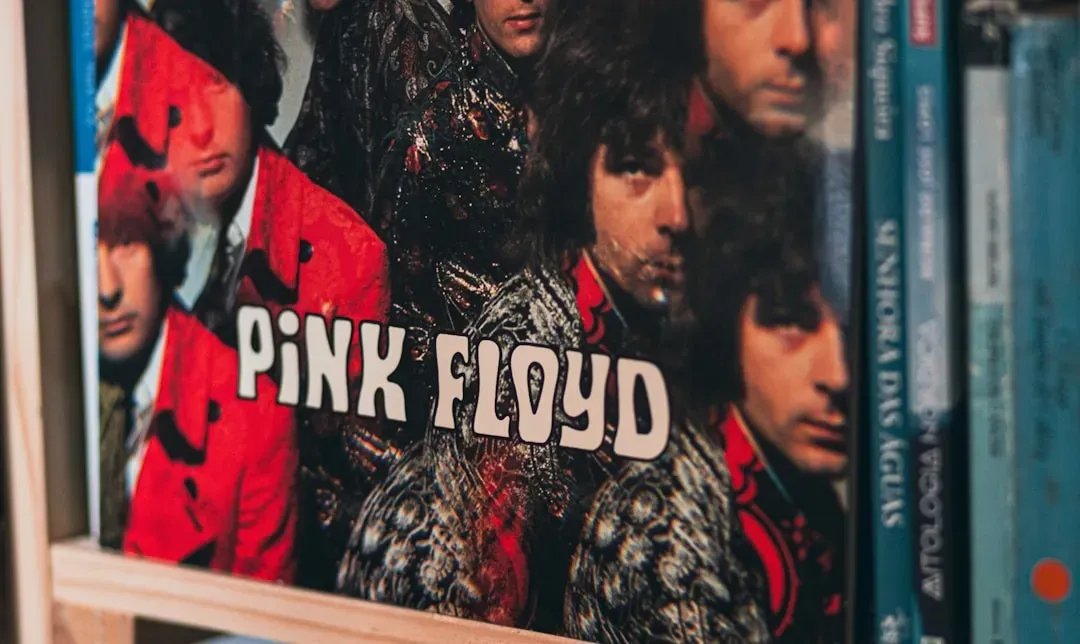
Pink Floyd’s The Wall became something its creators never quite planned: an anthem for teenagers fighting a government. Boycotts at black schools started at Cape Town’s Hanover Park in February 1980, just as the song entered the South African charts, and by May 2, 1980, the South African government had issued a ban on Another Brick in the Wall, creating international headlines. The scale of the crackdown was striking, since South Africa’s Directorate of Publications held sweeping power in that era to ban books, movies, plays, posters, articles of clothing and, yes, music, that it deemed politically or morally undesirable.
The ban eventually extended past the single. The South African Directorate of Publications banned Another Brick in the Wall, and eventually the entire The Wall album, along with other pieces of media leaders found to be unsavory. Roger Waters himself described the government’s move in stark terms, later telling reporters that that apartheid government imposed a cultural blockade, so to speak, on certain songs, including mine. The ban stood for a decade before following the fall of apartheid in 1991, the ban on Another Brick in the Wall Part II was lifted.
Lady Gaga and the album impounded at the airport
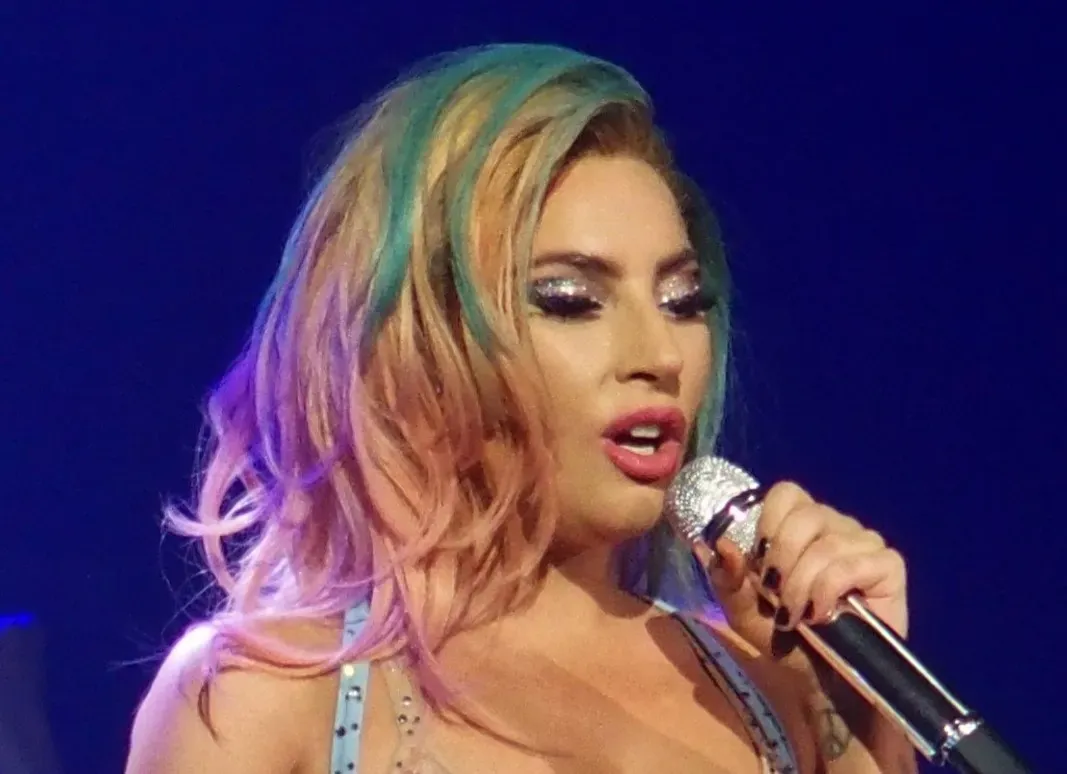
By 2011, Lady Gaga was one of pop’s biggest names, which made Lebanon’s decision all the more startling. Police impounded boxes of Lady Gaga’s latest album Born This Way as they arrived at Beirut international airport after Lebanese officials banned and deemed the record offensive to Christianity, according to the Guardian. The lead single had already run into trouble months earlier, since its recent single, Judas, had received criticism from Catholic groups and was banned from Lebanese radio in April.
The government cited a specific legal clause rather than vague disapproval. Officials pointed to article 75 of Lebanon’s law for distribution of print media, which prohibits distributors from circulating media that diverges from public decency and morality, or is at odds with nationalistic or religious beliefs. The album’s title track fared no better elsewhere in the region, as it was banned from being played on radio stations in Malaysia after the country’s authorities objected to its lyrics promoting homosexuality. Despite the bans, the record’s commercial run barely slowed, and fans in banned territories simply turned to digital downloads to hear it anyway.
Cannibal Corpse and the death metal albums Germany would not sell
Few bands have collected as many outright country level bans as this Buffalo based death metal group. According to longtime coverage of their catalog, they were once banned in Australia, New Zealand and Korea, and censored in Germany, where they are banned from performing any material from their first three albums. The restrictions were not symbolic gestures either, since one retailer’s product notes plainly state that Butchered at Birth, their 1991 release, was banned in Germany, due to the violent artwork.
The follow up record fared no better under German law. Tomb of the Mutilated, the 1992 third album from the band, was banned in Germany, due to the violent cover and the extreme nature of the lyrics. Their earliest release was hit hardest of all, with one retrospective noting that their 1990 debut album Eaten Back to Life wasn’t just extreme, it was deemed so graphically violent, so dangerous to German youth, that it became their first full album ban. Reporting on the band’s history also notes that their music has faced restrictions in Russia over the years, adding yet another country to a growing list.
Rammstein and Germany’s own youth protection law
It is a strange twist of history that German authorities, having once restricted Cannibal Corpse, later turned similar scrutiny on one of their own biggest exports. In 2009, Rammstein’s Liebe ist für alle da drew the attention of Germany’s Federal Department for Media Harmful to Young Persons, the body responsible for reviewing content deemed unsuitable for minors. The album’s artwork and explicit content around the track “Ich tu dir weh” led to it being placed on the department’s restricted media list shortly after release, meaning stores could not display it openly or sell it to anyone under eighteen.
The listing effectively functioned as a limited domestic ban, since major retailers pulled it from open shelves and some outlets stopped stocking it altogether while the review was underway. The restriction did not last forever. German authorities lifted the listing roughly a year later after the band challenged the decision, and the album returned to normal retail conditions across the country. The episode remains one of the more unusual entries on this list, a case of a government restricting an album largely because of concern for its own young listeners rather than political or religious objection.
What these bans actually reveal
Looking across these six cases, a pattern emerges that has little to do with musical genre and everything to do with power. Governments banned the Sex Pistols for offending propriety, banned Pink Floyd for offering apartheid’s youth a rallying cry, and banned Cannibal Corpse simply for pushing graphic imagery further than local law allowed. Lebanon’s move against Lady Gaga and Germany’s own scrutiny of Rammstein show that these decisions were rarely uniform, often contradictory, and almost always tied to a specific cultural anxiety of the moment.
None of these bans, in the end, actually stopped the music from reaching listeners for long. Import copies, bootlegs, and eventually digital distribution made most restrictions temporary inconveniences rather than lasting barriers. What they did accomplish, ironically, was turning six already notable records into permanent footnotes in the history of censorship, proof that banning an album tends to guarantee people remember it far longer than they would have otherwise.