Movie villains tend to arrive on screen looking inevitable, as if there was never any other way to design them. That’s rarely true. Behind almost every iconic bad guy sits a graveyard of scrapped sketches, rejected suits, and concepts that would have changed film history if they’d made it to the final cut. Some of these early versions were quietly shelved in a sketchbook. Others actually made it onto a set before someone realized the mistake. Here are three franchise villains whose first drafts looked almost nothing like the versions audiences eventually feared.
1. The Predator’s original design was an insect-like alien, not a mandibled hunter
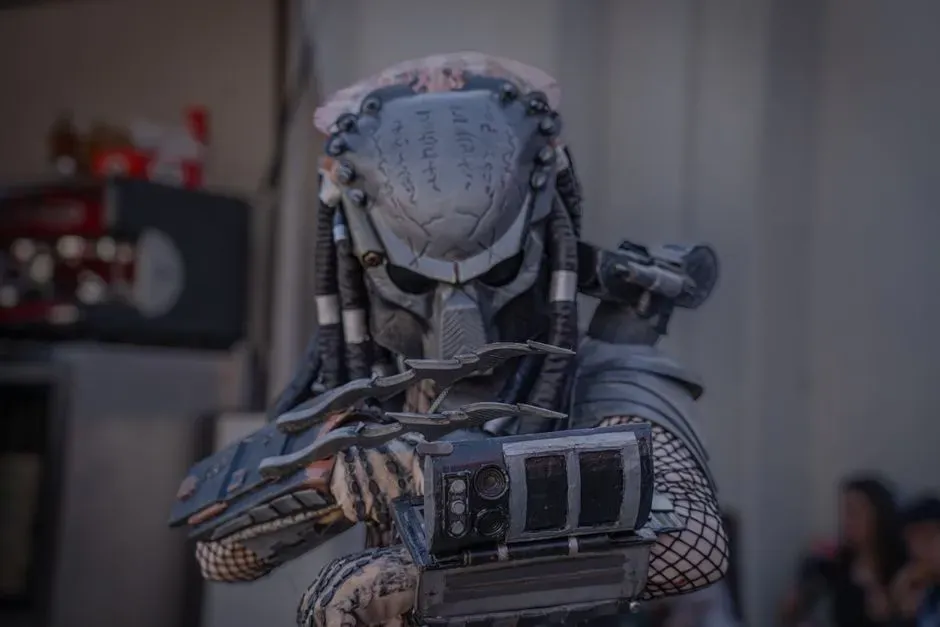
Long before the dreadlocked, mandible-jawed hunter became one of science fiction’s most recognizable monsters, the creature in 1987’s Predator was something else entirely. As originally conceived, the Predator was not the imposing, mandibled creature that appeared in the finished film, but was more in line with the Xenomorph from the Alien films, an upright digitigrade with a wiry exoskeleton, but with the head of an insect. That version was actually built and brought to the jungle set in Mexico, not left behind in a sketchbook.
The suit proved disastrous in practice. When the costume finally arrived, the crew unpackaged a version that featured long extensor legs, a dog-like head, and a single eye, and the first reactions out of director John McTiernan and his crew was panic, with none of them thinking they could make the costume work. Arnold Schwarzenegger later described the look bluntly, saying it resembled “a guy in a lizard suit with the head of a duck,” according to comments cited in Screen Rant. Production halted, Stan Winston was brought in for an emergency redesign, and the result, worn by seven-foot-two actor Kevin Peter Hall, became the version fans know today.
2. Venom’s Spider-Man 3 concept art leaned toward purple hues and an Alien-style face
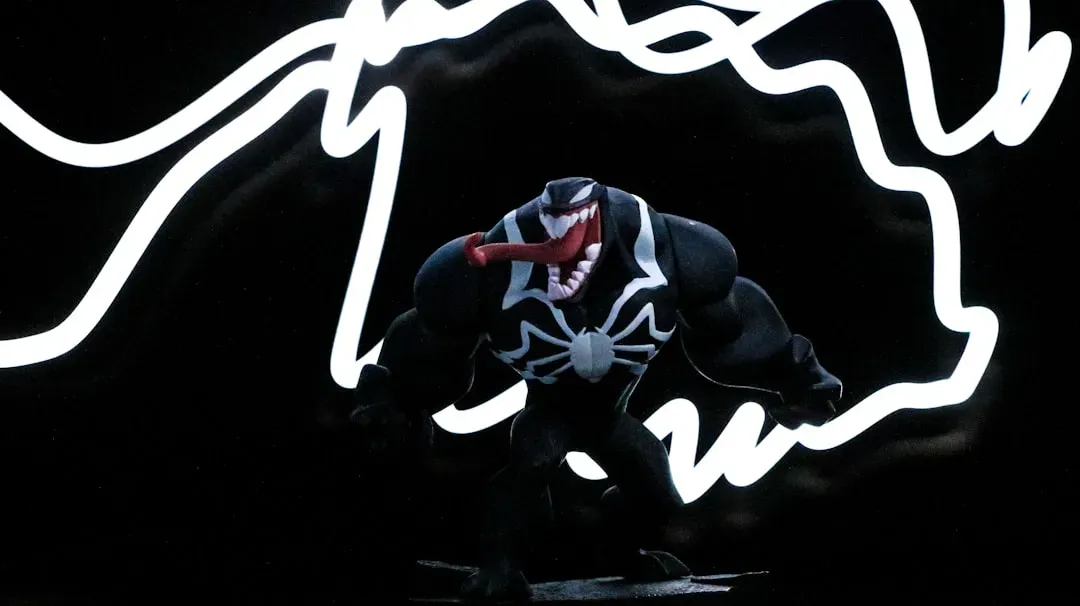
Sam Raimi’s Spider-Man 3 gave audiences a much-criticized version of Venom in 2007, but the character almost looked wildly different before Topher Grace ever put on the suit. Concept artists Constantine Sekeris and Ej Krisor produced a batch of early designs during the film’s exploratory phase that barely resembled the symbiote fans recognized from the comics. Some of these designs were very different from the comics, with some of them making the character unrecognizable.
Partner offer
One striking detail from that early art: the color palette wasn’t the familiar glossy black. Instead of the all-black version that Tobey Maguire and Grace eventually wore, early ideas showed Venom with the classic purple hue used in the Ultimate Comics iteration, along with extra facial details that resembled the xenomorph from Alien. Venom himself was almost cut from the movie entirely. Venom was originally not planned to be in the film, as Raimi wasn’t initially a fan of the character, and he had planned to use Vulture as the main villain instead. Producer Avi Arad ultimately pushed the studio toward Venom, and the design settled into the black-suited, fanged version that ended up dividing audiences.
3. Darth Vader began as a very different kind of dark warrior
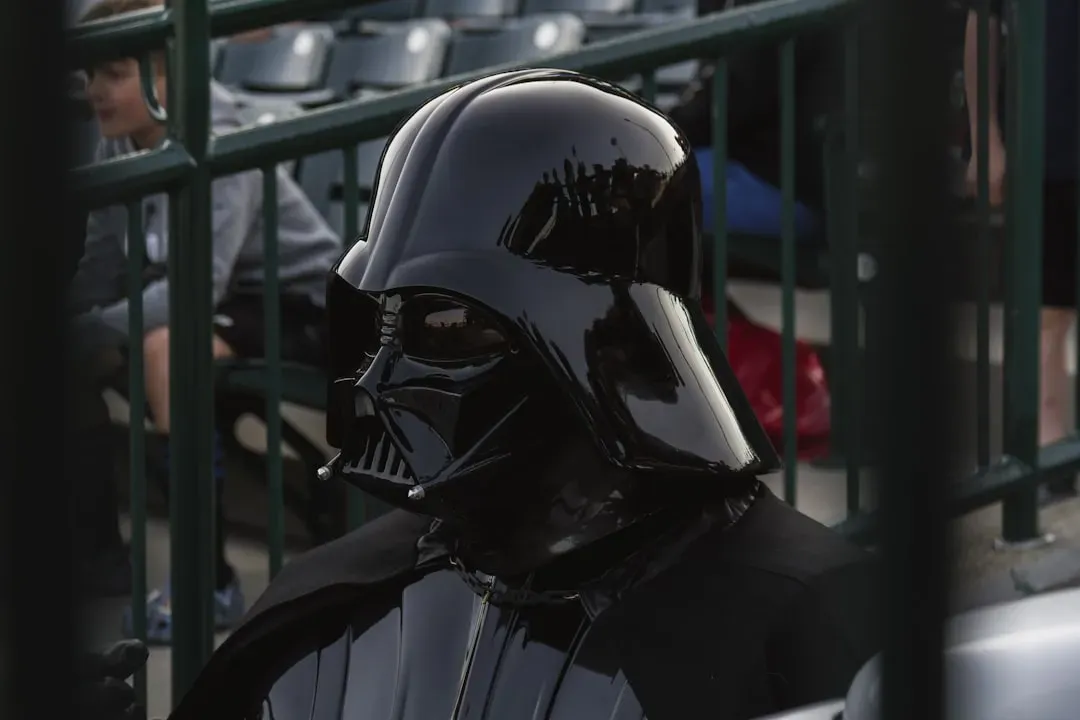
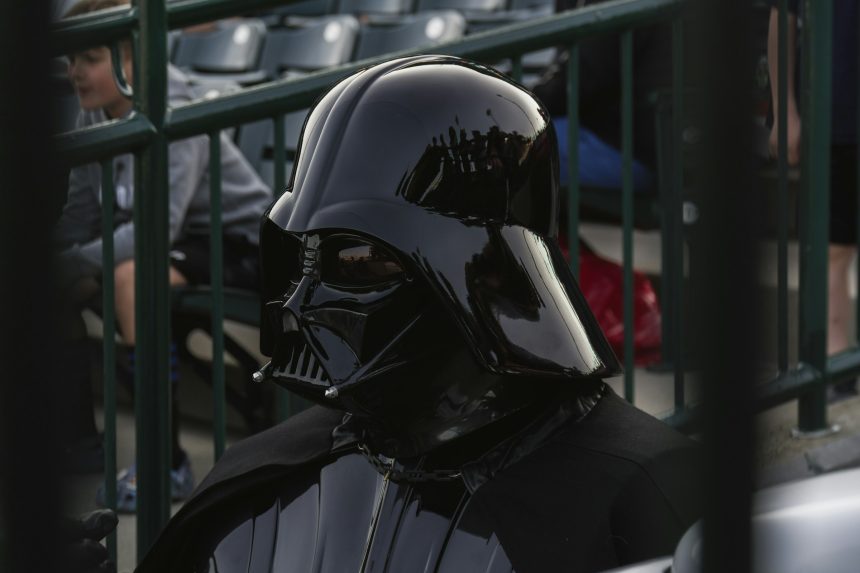
Darth Vader’s black armor and mechanical breathing are so fused with the idea of screen villainy that it’s easy to forget the character went through real design evolution before Star Wars ever reached theaters. Concept artist Ralph McQuarrie shaped much of that transformation. McQuarrie designed many of the film’s characters, including Darth Vader, and it was McQuarrie who suggested that Vader wear a breathing apparatus. That single idea, born out of early sketching sessions with George Lucas, became the foundation for the character’s most famous trait.
Fans and collectors have long been fascinated by McQuarrie’s rougher early Vader concepts, distinct enough from the finished costume that specialty companies still produce replica helmets based on them decades later. Licensed producer eFX Collectibles even released an official Ralph McQuarrie concept Vader helmet, a nod to just how different that early version looked compared to the sleek, finalized armor seen in A New Hope. The gap between McQuarrie’s rougher early sketches and the polished final costume shows how much a villain’s silhouette can shift once cameras, budgets, and practical filmmaking realities get involved. These three cases share a common thread. Concept art and early prototypes are rarely final answers, they’re starting points that get tested, criticized, and reworked until something clicks. Sometimes that process happens quietly in a studio. Sometimes, as with Predator, it happens in the middle of a jungle shoot with a costume nobody can use. Either way, the villains audiences remember are almost always the product of trial, error, and a willingness to scrap what wasn’t working.
Partner offer
Planning a trip to Vegas?
Compare hotel rates and show tickets on VEGAS.com.