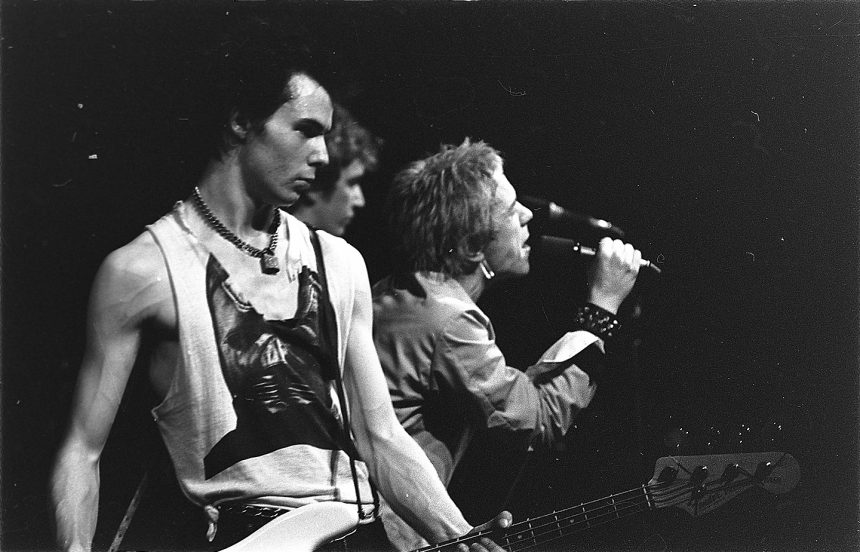
Every so often a song comes along that broadcasters just cannot stomach, whether it is the lyrics, the politics, or simply the timing. Radio programmers have spent decades quietly pulling records from rotation, hoping listeners would forget about them. Instead, something strange keeps happening: the ban becomes the story, and the song outlives the controversy by generations.
1. “Relax” by Frankie Goes to Hollywood
In January 1984, BBC Radio 1 DJ Mike Read pulled “Relax” off his breakfast show and refused to play it again, and by January 13th, 1984, BBC Radio banned the single from its shows in support of its disc jockey. The corporation objected to the suggestive sleeve art and the chorus, and the ban soon spread to Top of the Pops, which reportedly aired only a still photo of the band even as the song climbed the charts.
The backlash backfired spectacularly. The BBC ban was eventually lifted in 1984 as “Relax” continued to climb the charts, and the song remained in the U.K. Top 40 for 37 consecutive weeks, 35 of which overlapped with the BBC’s ban. It went on to spend five weeks at number one and became one of the best selling singles in UK chart history.
2. “God Save the Queen” by the Sex Pistols
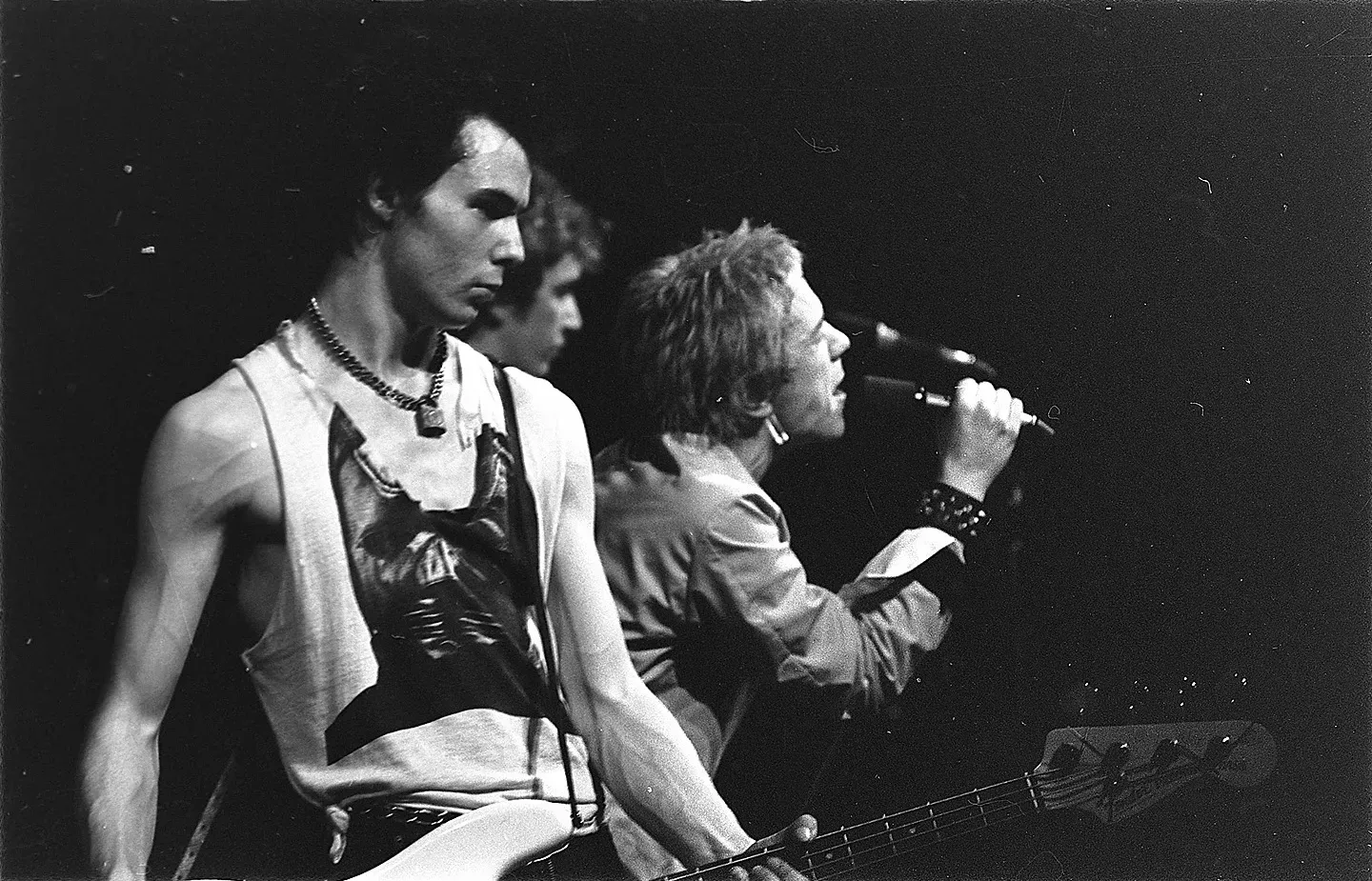
Released right in the middle of Queen Elizabeth II’s Silver Jubilee celebrations, this snarling punk anthem was never going to slide by quietly. The song was banned by the BBC and multiple radio stations after BBC Radio 2 controller Charles McLelland labelled it as “bad taste”, and the Independent Broadcasting Authority followed suit, keeping it off commercial radio too.
Retailers piled on as well. The BBC banned “God Save the Queen,” along with all radio stations regulated by the UK’s Independent Broadcasting Authority, and other major retailers also refused to sell the record. None of it mattered much to sales, since the single reportedly moved close to 150,000 copies a day at its peak, and decades later it finally claimed the number one spot on the UK singles chart during an official reissue.
3. “Louie Louie” by the Kingsmen
Few songs have been banned over lyrics nobody could actually understand quite like this 1963 garage rock staple. The first recorded complaint is said to have come from a teenager who wrote to the governor of Indiana saying the words were obscene, and Welsh informally banned the record across the state via the Indiana Broadcasters Association.
Concerned parents eventually took their complaints all the way to Washington. The popularity of the song and difficulty in discerning the lyrics led some people to suspect the song was obscene, so the FBI was asked to investigate whether those involved violated laws against the interstate transportation of obscene material, and the investigation lasted from February to May 1964 and discovered no evidence of obscenity. The mystery only made the song more famous, and it remains one of the most covered tracks in rock history.
4. “Imagine” by John Lennon
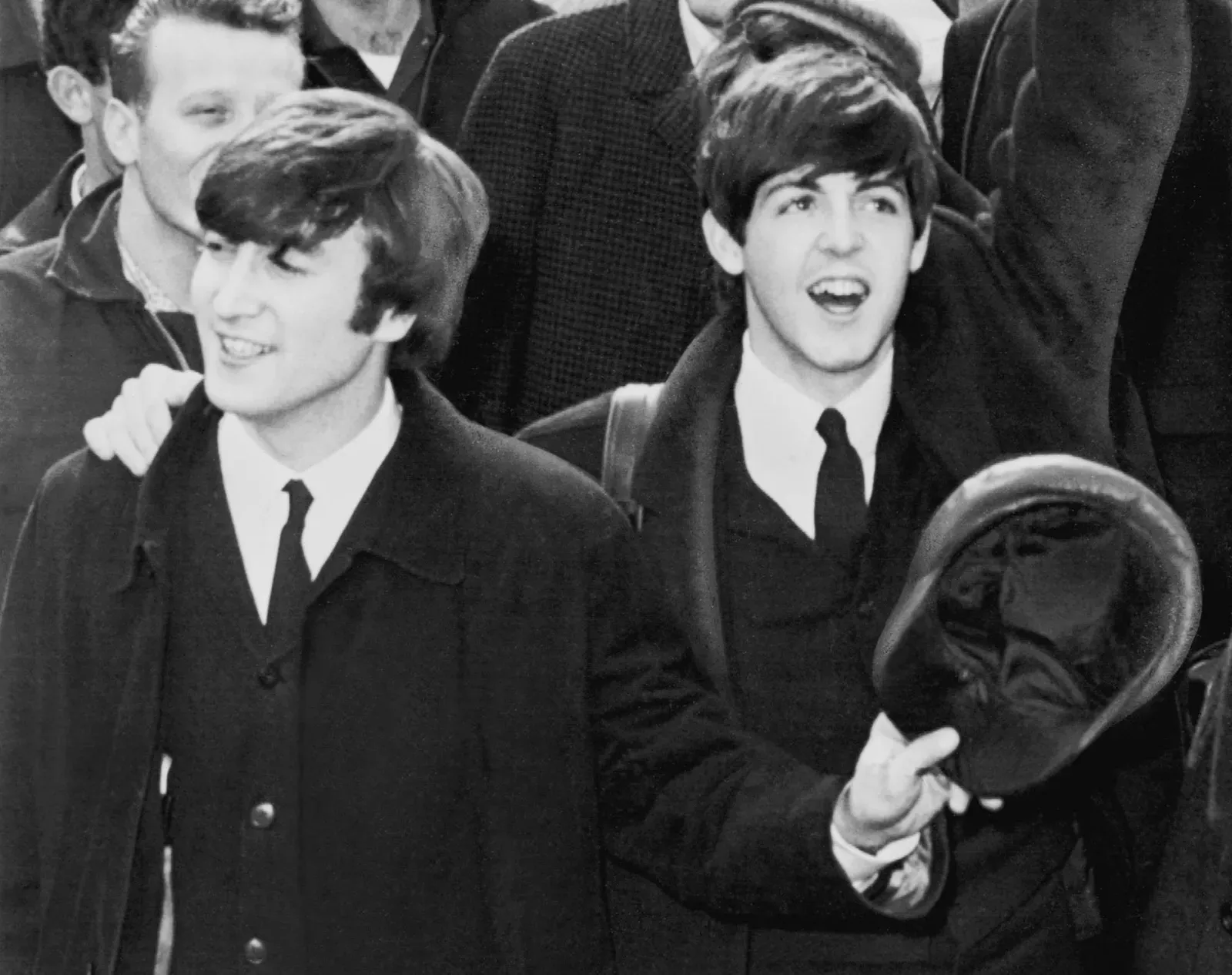
It seems almost absurd now, but a gentle plea for peace once found itself lumped in with heavy metal and songs about explosions. John Lennon’s “Imagine” was banned, because envisioning a world where we all got along was at odds with the public demand for bloody justice in the days following the September 11 attacks in 2001.
The company behind the memo, Clear Channel Communications, later insisted no formal ban ever existed. The memorandum, released in the days after the attacks, strongly discouraged certain songs from being played on the radio, and some of the biggest hits in popular music history, including “Stairway to Heaven,” “American Pie,” and “Imagine,” made the list. Whether it was an official ban or a suggestion that spread like wildfire through program directors, the effect on air was the same for weeks afterward.
5. “Je t’aime… moi non plus” by Jane Birkin and Serge Gainsbourg
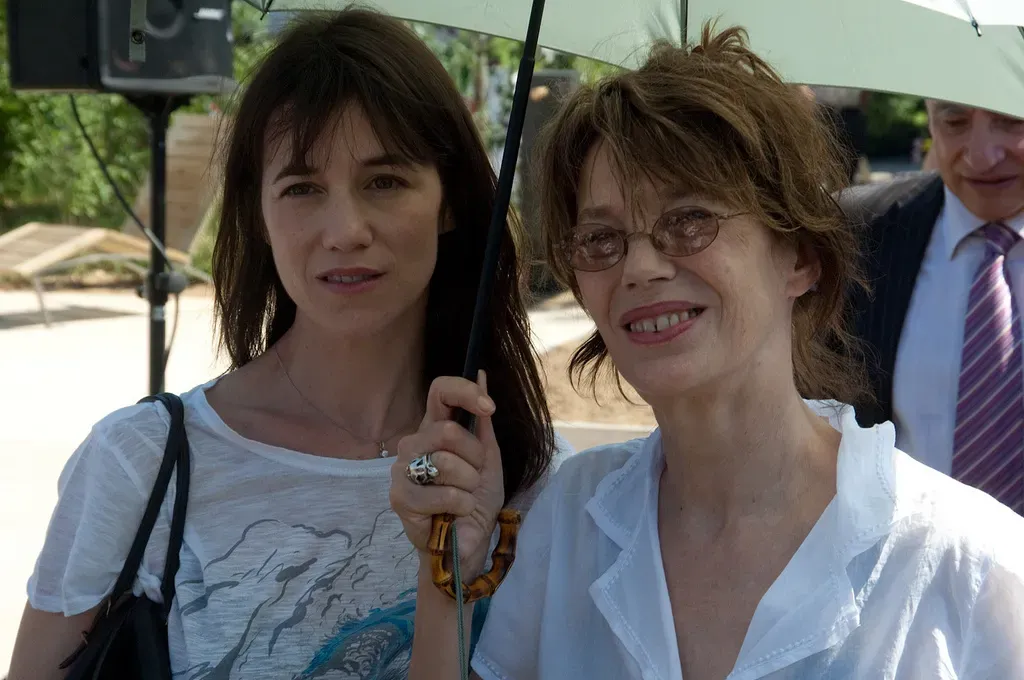
This 1969 duet, built around breathy vocals and unmistakably intimate sound effects, was too much for the BBC almost from the moment it crossed the English Channel. The corporation pulled it from daytime airplay, and several other European broadcasters, including stations in Italy and Sweden, followed with their own restrictions.
The controversy only sharpened curiosity. Despite, or because of, the broadcast bans, the single still climbed into the upper reaches of the UK charts, proving that listeners were more than happy to seek the record out on their own once radio made it forbidden.
6. “Give Ireland Back to the Irish” by Wings
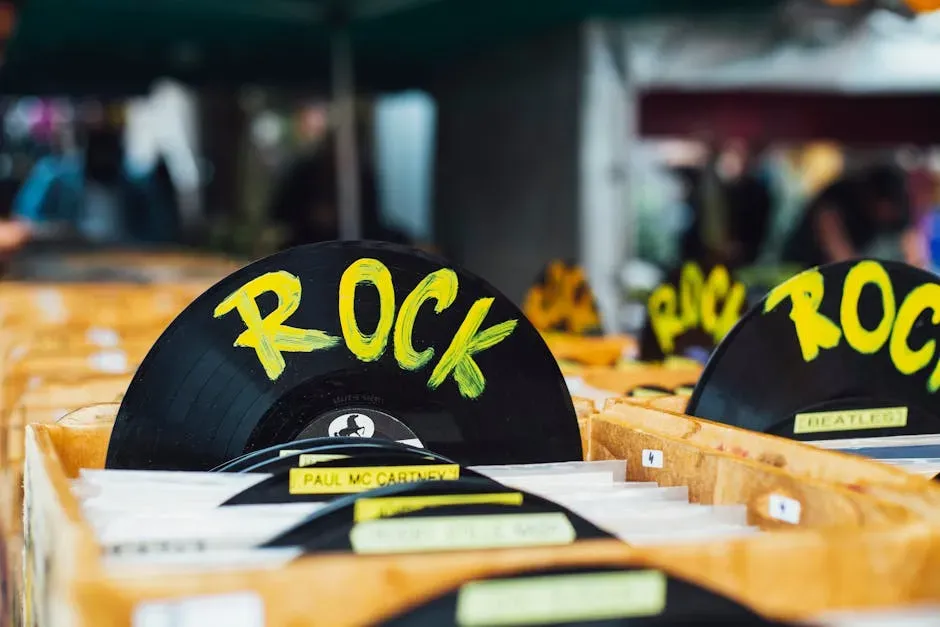
Paul McCartney wrote this one in direct response to the Bloody Sunday killings in Northern Ireland in early 1972, and the BBC wanted nothing to do with its political bluntness. The song was pulled from British radio playlists almost immediately, viewed by broadcasters as too inflammatory for the tense political climate of the time.
McCartney, for his part, seemed unbothered by the snub. The single still managed to chart respectably in the UK despite the blackout, and it stands as one of the more overtly political moments in his post-Beatles career, a reminder that even a former Beatle could not always talk his way past programme controllers.
7. “Cop Killer” by Body Count
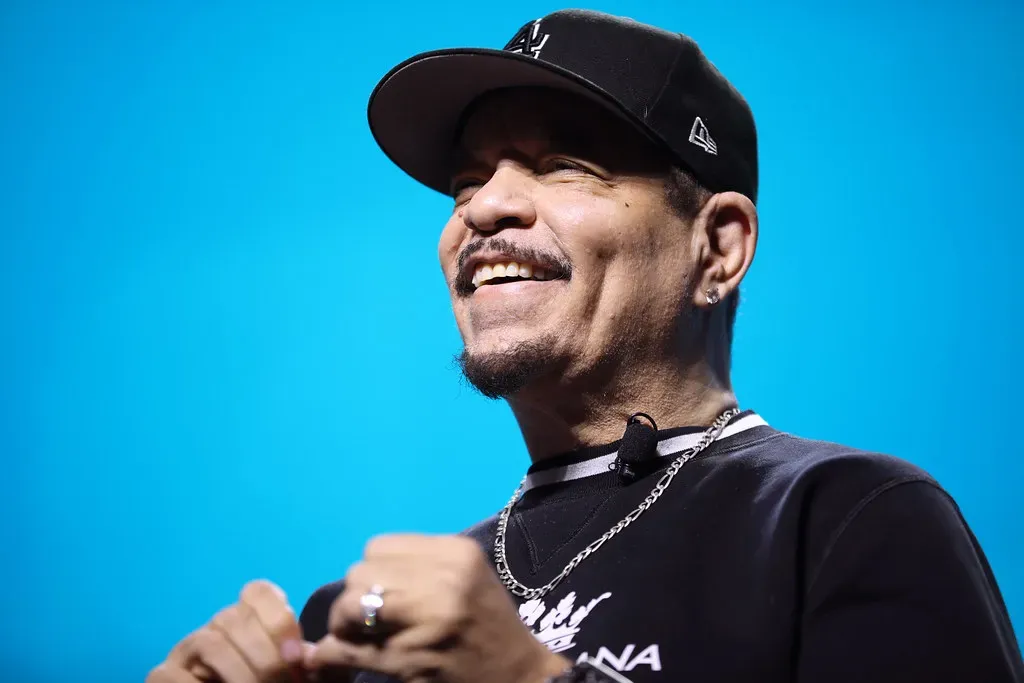
Ice-T’s metal side project released this track in 1992, and it landed right in the middle of a national debate about rap, rock, and police violence following the Rodney King beating and the subsequent Los Angeles riots. Numerous radio stations refused to touch it, retailers pulled it from shelves, and several police organizations publicly called for a boycott of the band’s label.
The pressure eventually led Ice-T to voluntarily pull the song from later pressings of the album himself, a decision that stirred its own debate about artistic control versus commercial reality. Even so, the track remains one of the most discussed examples of a record that broadcasters actively worked to suppress rather than simply overlook.
8. “American Life” by Madonna

Madonna’s 2003 single arrived just as the United States was heading into the Iraq War, and its accompanying video, which featured imagery evoking wartime violence intercut with a fashion show, proved far too pointed for the moment. She pulled the video herself before it aired widely, and several radio outlets grew cautious about giving the song heavy rotation given the charged political atmosphere.
The song still made it onto the charts, though nowhere near the heights of her earlier singles, and it became something of a footnote in discussions about how quickly wartime sensitivities can reshape what gets airplay. Looking back, it stands as one of the clearer examples of a mainstream pop star running headfirst into the limits of what broadcasters were willing to carry during a specific political moment.
Looking across these eight cases, a pattern becomes hard to ignore. Radio bans rarely killed a song’s chances, and more often than not they handed it a kind of built-in mythology that pure airplay never could have provided. Curiosity, it turns out, has always been a far stronger promotional tool than any programming committee could hope to control.